Introduction
New Delhi shocks you first with its contradictions. One minute you're inhaling the cumin and rosewater haze of Old Delhi's alleys; the next you're standing on Kartavya Path at dusk watching the Rashtrapati Bhawan glow like a distant marble ship under 340-roomed domes designed by Edwin Lutyens. This is India's capital that somehow contains 17th-century Mughal fortresses, 14th-century stepwells where locals still write letters to djinns, and street art districts that appeared yesterday.
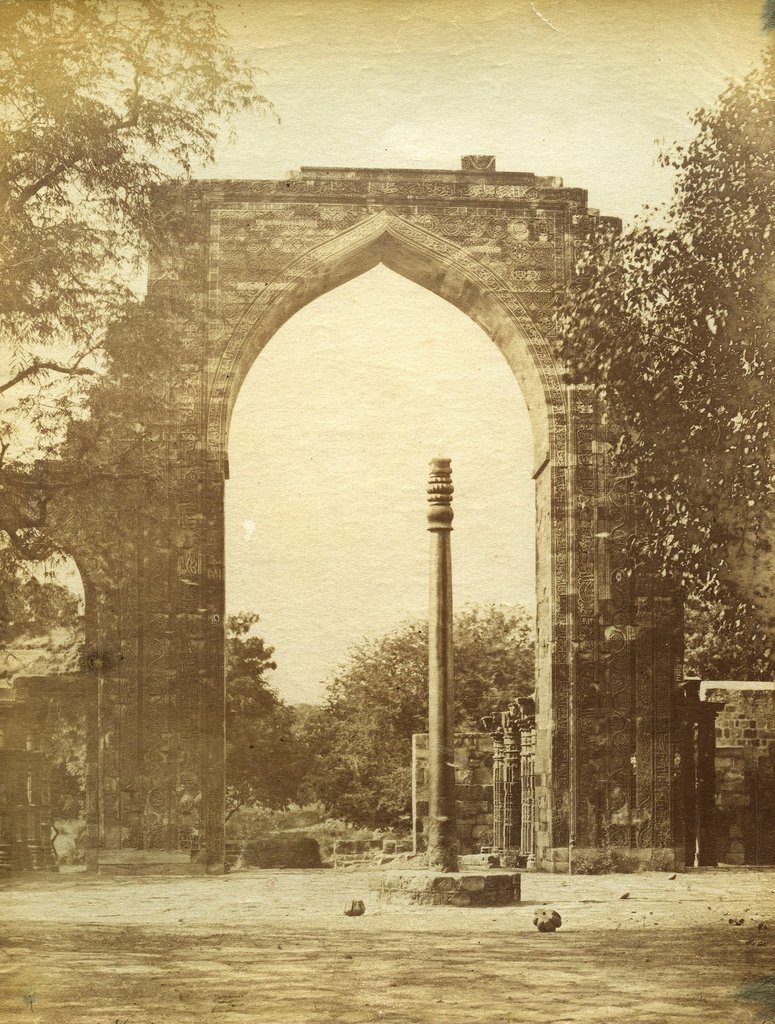
The city doesn't ask for your attention. It simply overwhelms every sense at once. Qutub Minar's 73-metre brick tower leans against the sky since 1193 while, a few kilometres away, the Lotus Temple's 27 marble petals sit in perfect 1986 geometry. Between them lie ruined forts where monkeys patrol ramparts and Thursday evenings see petitions to spirits placed at the base of an Ashokan pillar transported here in 1354.
What stays with you isn't any single monument. It's the way the afternoon light turns Humayun's Tomb gardens into living Persian miniatures, or how the sound of evening qawwali drifts across Nizamuddin Dargah while autocycle horns compete in the distance. Delhi doesn't present itself as beautiful. It presents itself as layered, stubborn, alive.
Spend time here and your understanding shifts. The capital stops feeling like a checklist of Red Forts and India Gates. It becomes a conversation between centuries that somehow still has room for sattu parathas at dawn and rooftop bars watching medieval reservoirs at sunset.
Places to Visit
The Most Interesting Places in New Delhi
Red Fort
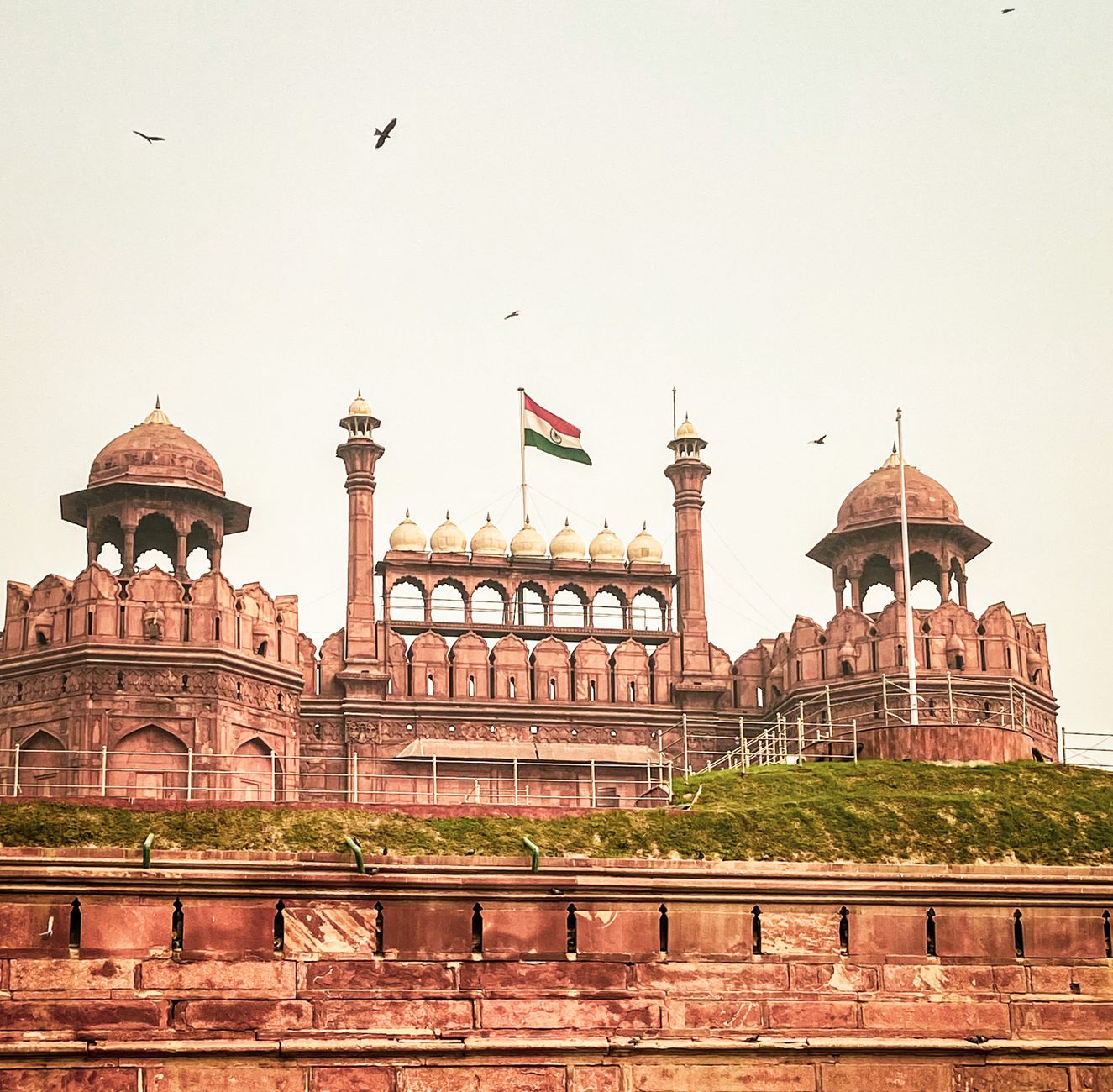
The Red Fort, also known as Lal Qila, stands as one of the most iconic historical landmarks in New Delhi, India.
Qutb Minar
An Iron Pillar here has defied rust for 1,600 years. Built in 1199, Qutb Minar fuses Hindu craft with Islamic ambition in 72.5 m of fluted sandstone.
Lotus Temple
Built from the same Greek marble as the Parthenon, this free-entry temple has no idols, no clergy, and no ritual — just silence open to all humanity.
Humayun'S Tomb
Nestled in the heart of New Delhi, Humayun’s Tomb stands as a remarkable testament to the grandeur and sophistication of Mughal architecture and culture.
Akshardham
Swaminarayan's Akshardham Temple in Ghaziabad, India, is more than just a place of worship; it is an embodiment of India's rich cultural and spiritual tapestry.
Bara Gumbad
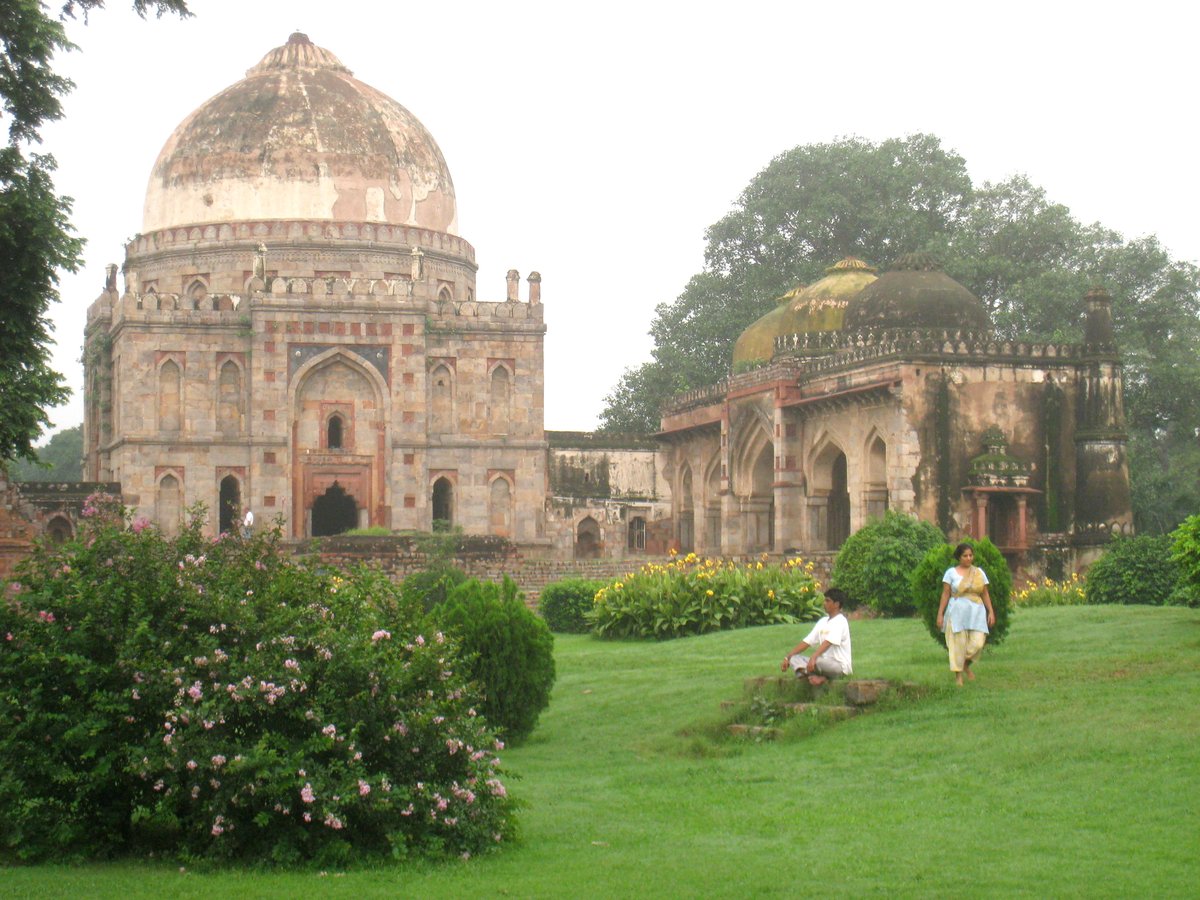
Nestled within the serene Lodi Gardens in New Delhi, the Bara Gumbad Tomb and Mosque is a striking representation of Indo-Islamic architecture from the late…
Khan Market
Khan Market, nestled in the heart of New Delhi, stands as one of the city's most illustrious and historically rich shopping destinations.
Raj Ghat and Associated Memorials
Gandhi's last words — 'Hey Ram' — are carved into a 12x12 ft black marble platform where a nation cremated its father on January 31, 1948. Entry is free.
Hazrat Nizamuddin Dargah
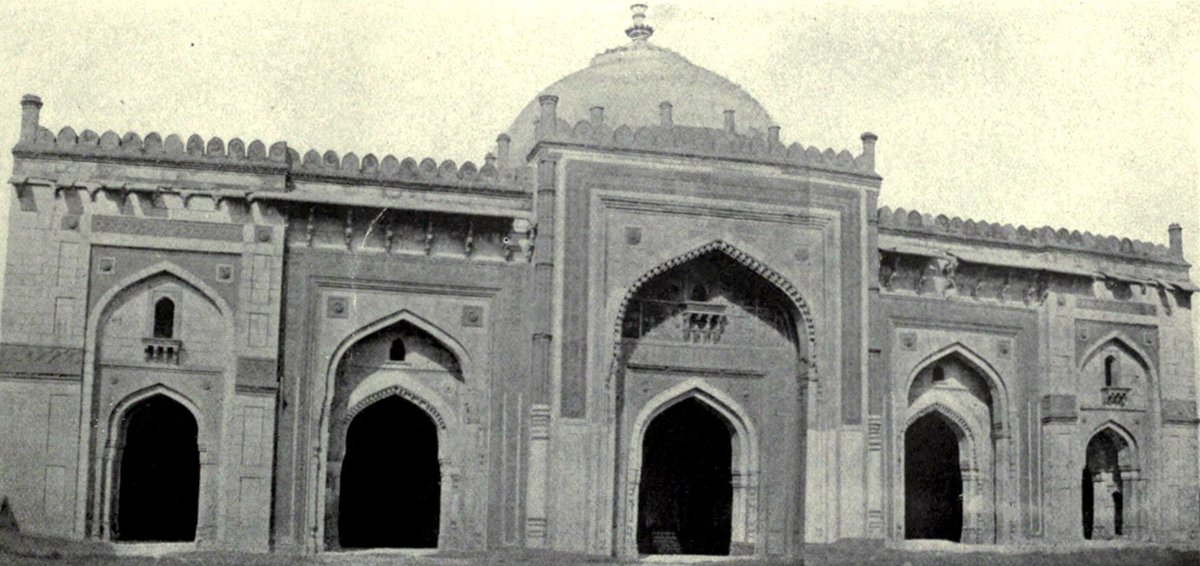
Built by a Khalji prince circa 1315–1325, this is one of Delhi's earliest surviving mosques — still active inside the Nizamuddin Sufi shrine complex.
National Museum
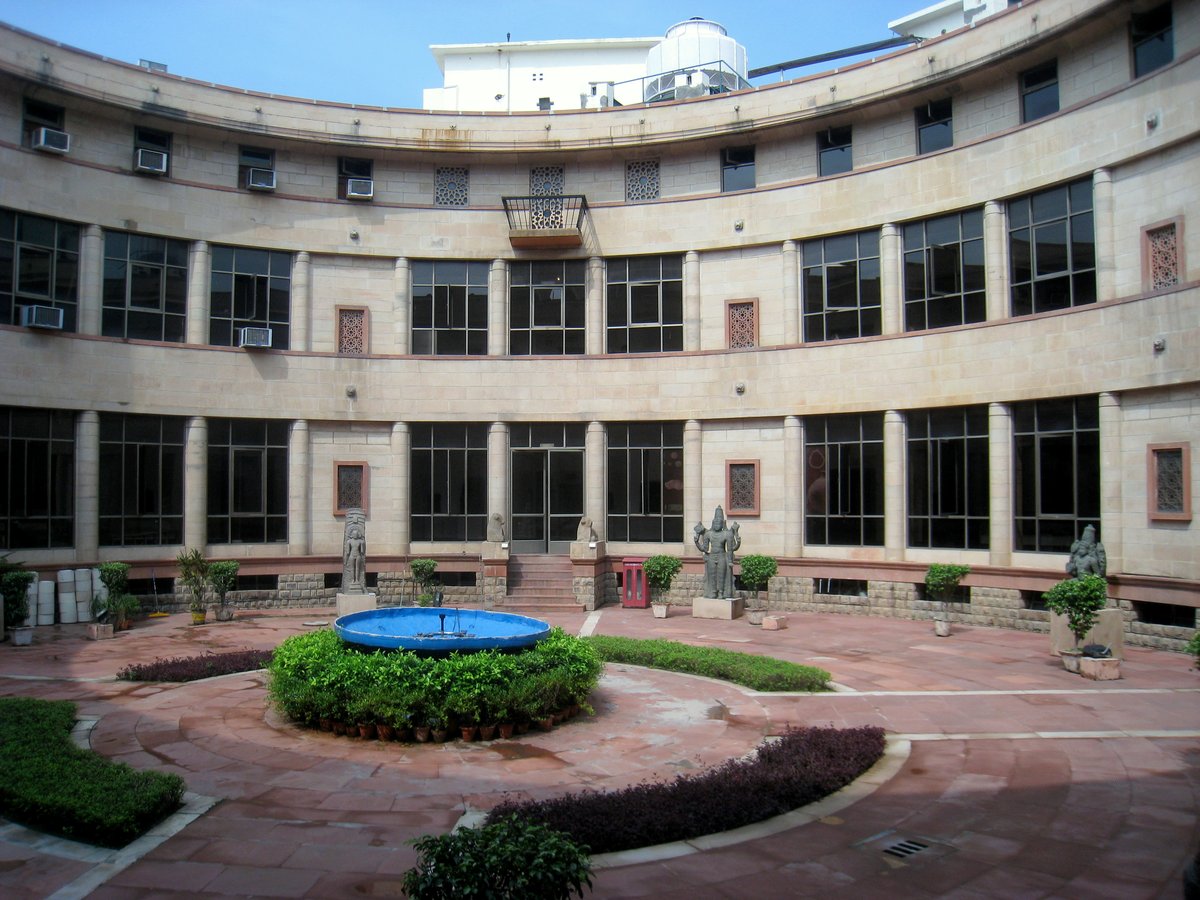
Situated in the heart of India’s capital, the National Museum New Delhi stands as a monumental repository of the nation’s vast cultural and historical heritage.
Jantar Mantar
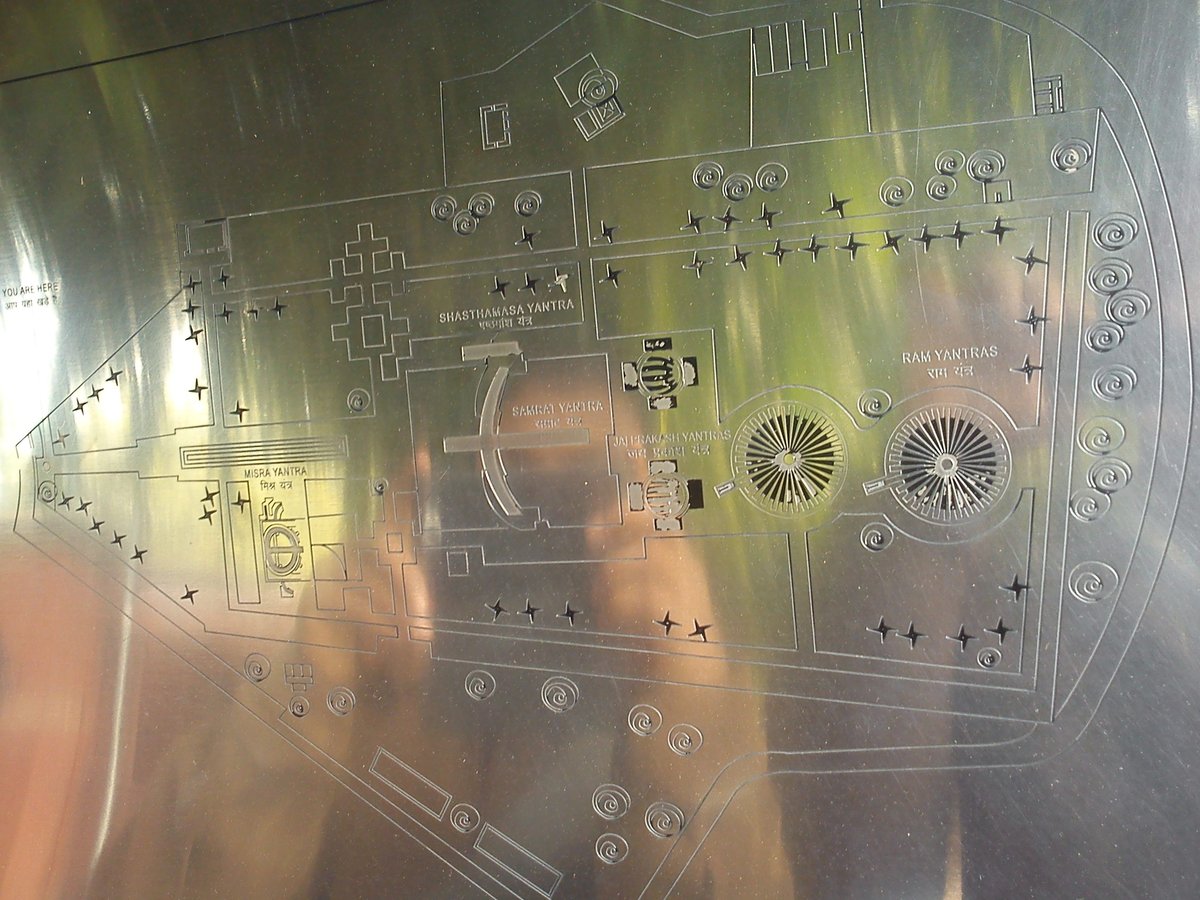
Nestled in the bustling heart of New Delhi, Jantar Mantar stands as a remarkable testament to India's rich scientific heritage and architectural ingenuity.
Chanakyapuri
Purana Qila, often referred to as the 'Old Fort,' is a captivating relic situated in the heart of New Delhi, India.
What Makes This City Special
Layered Empires
New Delhi stacks eight centuries of capitals in a single taxi ride. Stand inside the 73-metre Qutub Minar built in 1193, then walk the red sandstone corridors Shah Jahan added to the Red Fort in 1639. Each layer feels like a secret the city has been keeping from you.
Sufi Thursdays
Every Thursday at Nizamuddin Dargah the air fills with qawwali sung since the 14th century. The same courtyard where Amir Khusrau performed still echoes with drums and voices at dusk. Nothing on any official itinerary comes close.
Tombs Among Trees
Lodhi Garden lets you jog past 15th-century domes at sunrise while nilgai graze nearby. The tombs of Muhammad Shah and Sikander Lodi sit so quietly among the trees you almost forget you're in a city of 33 million. The contrast never stops surprising.
Street Food Memory
Paranthe Wali Gali has been frying stuffed flatbreads since the 19th century. Order the rabri parantha at 11 a.m. when the oil is fresh and the alley smells of ghee and crushed cardamom. One bite explains more about Delhi than any museum.
Historical Timeline
A City Built, Destroyed, and Rebuilt by Conquerors
From legendary Indraprastha to the capital of the world's largest democracy
Pandavas Found Indraprastha
Legend holds the Pandava brothers carved a new capital from the forests on the Yamuna's west bank after winning the kingdom in a dice game. The story, preserved in the Mahabharata, places their city near today's Purana Qila. Archaeological traces remain elusive. Yet the tale still shapes how Delhi sees itself, as a place repeatedly claimed by new rulers.
Mauryan Rule Over the Yamuna Plains
The vast Maurya Empire absorbs the Delhi region into its administrative web. Trade routes cross the area, carrying ideas from Pataliputra northward. Painted Grey Ware pottery litters the soil. The city has not yet announced itself to history, but the ground already carries the footprints of empire.
Anangpal Tomar Builds Lal Kot
Tomara Rajput king Anangpal raises the first fortified city on the Delhi ridge, naming it Lal Kot. Red sandstone walls encircle palaces and temples. An inscription later found in a museum confirms the date. This modest fort becomes the seed from which seven more cities will sprout across the same dusty plain.
Muhammad Ghori Defeats Prithviraj
On the dusty field of Tarain, Muhammad Ghori slays Prithviraj Chauhan and ends Rajput control of Lal Kot. Within months Qutb-ud-din Aibak occupies the citadel. The transition marks more than a change of dynasty. It begins Delhi's long transformation into one of the world's great Islamic capitals.
Qutb Minar Construction Begins
Qutb-ud-din Aibak orders a victory tower of red brick and sandstone. Workmen stack courses that will eventually reach 73 metres, the tallest brick minaret ever raised. The adjacent Quwwat-ul-Islam Mosque rises from the remains of 27 demolished Hindu and Jain temples. The stones still carry faint traces of their earlier carvings.
Alauddin Khalji Builds Siri
Alauddin Khalji constructs an entirely new circular city northeast of the Qutb complex to defend against Mongol horsemen. Siri’s massive walls repel repeated attacks. The sultan also enlarges the Qutb complex with the Alai Darwaza, whose horseshoe arches announce a confident new Indo-Islamic style. Delhi has become a military powerhouse.
Tughlaqs Raise Tughlaqabad
Ghiyas-ud-din Tughlaq builds a third city on a rocky outcrop southeast of Delhi, complete with a towering fort and artificial lake. The massive project is abandoned within a decade when the lake fails. Today its empty ramparts bake under the sun, a cautionary tale about moving capitals on a whim.
Timur Sacks Delhi
Timur’s Central Asian army storms the city, slaughters tens of thousands, and carries away everything of value. The streets run with blood for days. When the smoke clears, Delhi lies half-empty and starving. Recovery takes generations. The smell of smoke lingers in local memory longer.
Babur Ends the Sultanate
Babur defeats Ibrahim Lodi at Panipat and claims Delhi. The Mughal Empire is born. Though Babur prefers Agra, his victory ends 320 years of Sultanate rule. Within a decade his son Humayun will begin building on the Yamuna bank, setting the stage for Shah Jahan’s later masterpiece.
Humayun Founds Din Panah
Humayun lays the foundations of a new citadel he calls Din Panah near the legendary site of Indraprastha. Sher Shah Suri will later seize and rename it Purana Qila. The massive gateway still stands, its red walls catching the afternoon light exactly as they did when Humayun first walked through them.
Humayun's Tomb Completed
Persian architect Mirak Mirza Ghiyath finishes the first great garden-tomb in India. Red sandstone and white marble catch the changing light across the char bagh gardens. Four centuries later visitors still notice how its proportions quietly predict the Taj Mahal. The influence feels almost conspiratorial.
Shah Jahan Builds Shahjahanabad
Shah Jahan shifts the Mughal capital from Agra and orders a completely new city on the Yamuna’s west bank. Planners, astrologers, and 20,000 workers spend nine years raising red sandstone walls, canals, and gardens. On 19 April 1648 the emperor rides through the river gate into his finished capital. The smell of fresh plaster still hangs in the air.
Jama Masjid Completed
Shah Jahan’s largest mosque rises on a hill overlooking his new city. Three gates, four towers, two 40-metre minarets. Up to 25,000 worshippers can pray inside. The marble domes still dominate Old Delhi’s skyline, catching the first and last light of every day.
Nader Shah Massacres Delhi
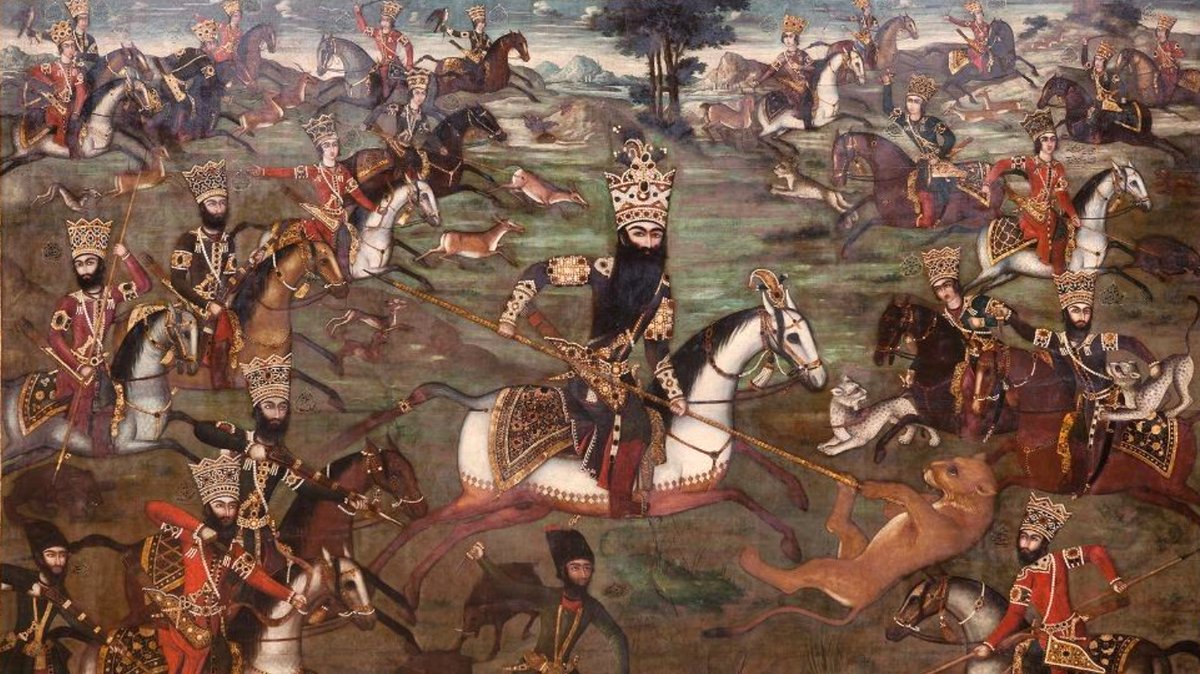
Persian invader Nader Shah enters the Red Fort, sits on the Peacock Throne, and orders the city looted. Between 20,000 and 30,000 residents die in a single day. The Koh-i-Noor diamond and the entire Peacock Throne leave for Persia. Delhi never fully recovers its previous grandeur.
Mirza Ghalib Born
The greatest Urdu poet of his age enters the world in Agra but makes Delhi his home. He lives in a modest haveli in Ballimaran, writes ghazals that capture the melancholy of a fading empire, and watches the British gradually take control. His house is now a museum. The quiet courtyard still feels like it is listening.
British Capture Delhi
East India Company forces defeat the Marathas at the Battle of Delhi. The Mughal emperor becomes a British pensioner inside the Red Fort. Real power has shifted. The city’s fate will now be decided in London.
Sepoy Rebellion and Siege
Indian soldiers march from Meerut, seize Delhi, and proclaim the elderly Bahadur Shah Zafar Emperor of India. British forces besiege the city for months. When they retake it, they execute thousands and exile the last Mughal. The Red Fort’s halls fall silent except for the echo of British boots.
Capital Moves to Delhi
At the Delhi Durbar, King George V announces the capital will shift from Calcutta. Edwin Lutyens begins designing an imperial showpiece south of Shahjahanabad. The resulting city of wide avenues and pink sandstone buildings still houses India’s government today.
New Delhi Officially Inaugurated
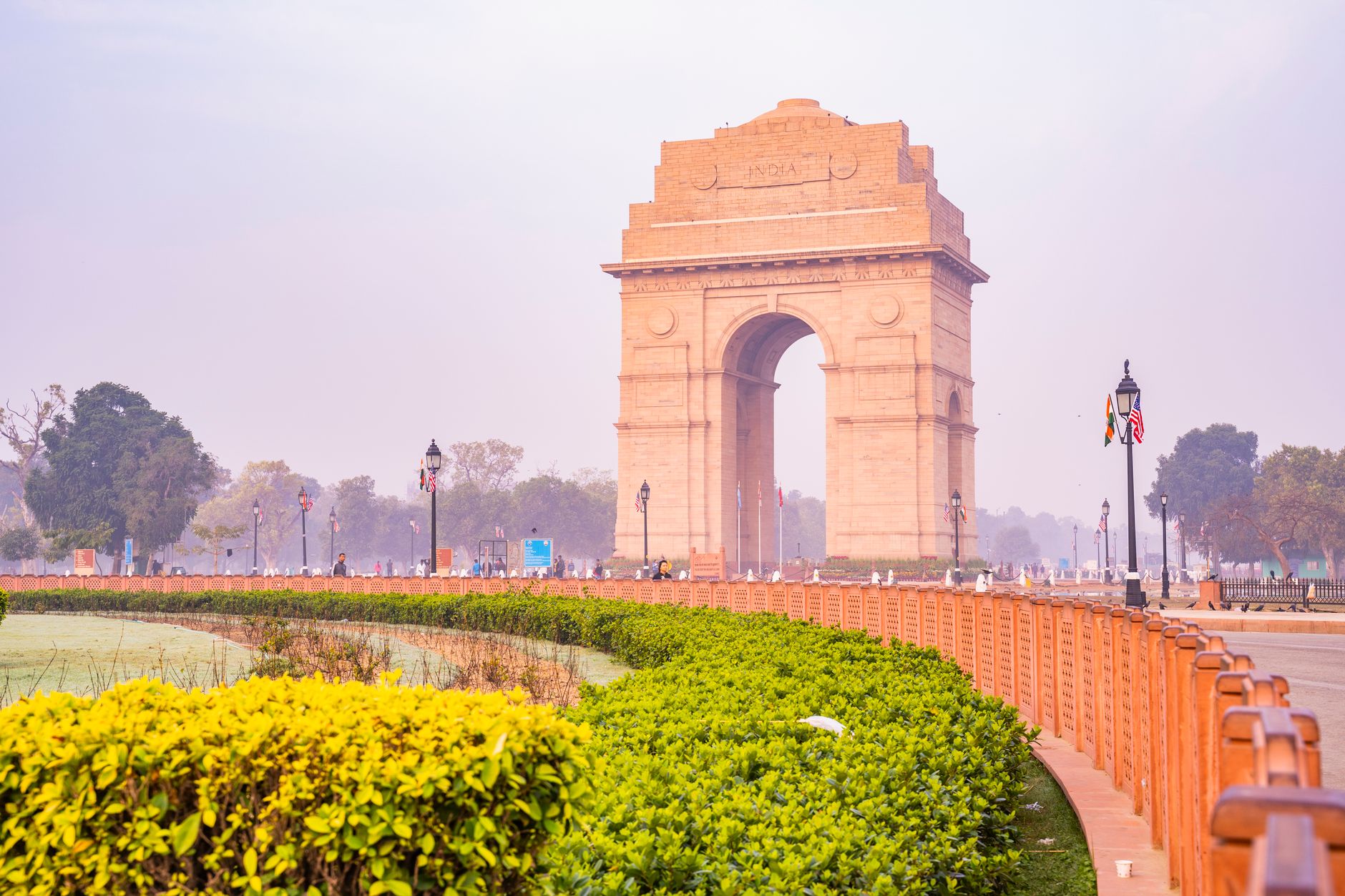
Lutyens’ ceremonial capital opens with Rashtrapati Bhawan, Parliament House, and India Gate all in place. The viceroy moves into a palace of 340 rooms. Few at the time suspect that in sixteen years the same buildings will serve an independent nation.
Independence and Partition
At midnight on 15 August, Jawaharlal Nehru speaks of India’s tryst with destiny from the Red Fort. Within weeks hundreds of thousands of refugees flood Delhi after Partition. The city absorbs waves of trauma and new energy simultaneously. Its streets have never been the same since.
Gandhi Assassinated
On 30 January, Nathuram Godse shoots Mahatma Gandhi in the garden of Birla House. Delhi freezes. The funeral pyre burns on the banks of the Yamuna while millions watch in stunned silence. The city loses its moral centre at the exact moment it becomes the capital of a new republic.
Lotus Temple Opens
The Bahá'í House of Worship rises in south Delhi like a half-open lotus of white marble. Twenty-seven petals form the shell. Inside, silence is absolute. All faiths are welcome. In a city still scarred by religious violence, the building quietly insists on something better.
Delhi Metro Begins Service
The first stretch of underground and elevated rail opens between Shahdara and Tis Hazari. Within two decades it carries millions daily, knitting Old Delhi, New Delhi, and the suburbs into one functioning city for the first time. The carriages smell of clean steel and quiet hope.
Virat Kohli Captains India
Born in Uttam Nagar and raised on Delhi’s dusty maidans, Virat Kohli leads the national cricket team with a ferocity that feels entirely local. When he bats at Feroz Shah Kotla, the roar that greets every boundary carries the pride of a city that has waited centuries to cheer its own.
New Parliament Building Opens
On 28 May Narendra Modi inaugurates a triangular Parliament House designed to replace Lutyens’ circular chamber. The move symbolises a deliberate break with colonial architectural inheritance. Whether the new building ultimately serves democracy better than the old one remains the question every Delhi resident now carries.
Notable Figures
Mirza Ghalib
1797–1869 · Urdu PoetGhalib wrote his finest ghazals in a crumbling haveli in Ballimaran while watching the Mughal empire collapse around him. The British exiled his last emperor and patron. He kept writing anyway. Today's Delhi traffic still passes the lane where he once complained about the rent.
Shah Jahan
1592–1666 · Mughal EmperorHe moved his capital from Agra and ordered Red Fort and Jama Masjid built in red sandstone. His favourite daughter Jahanara helped design Chandni Chowk. Eight years after completion his own son imprisoned him. The city he built outlived both of them.
Virat Kohli
born 1988 · CricketerKohli learned to bat on the dusty pitches of Delhi's junior cricket system before captaining India. The city still claims him even after he moved to Mumbai. Local boys at his old ground in West Delhi still copy his stance.
Bahadur Shah Zafar
1775–1862 · Last Mughal EmperorZafar was a poet first and emperor second. The British reduced him to a pensioner inside the Red Fort. After the 1857 rebellion they tried him in his own palace and exiled him to Rangoon. His grave there still receives visitors who remember Delhi's final Mughal twilight.
Photo Gallery
Explore New Delhi in Pictures
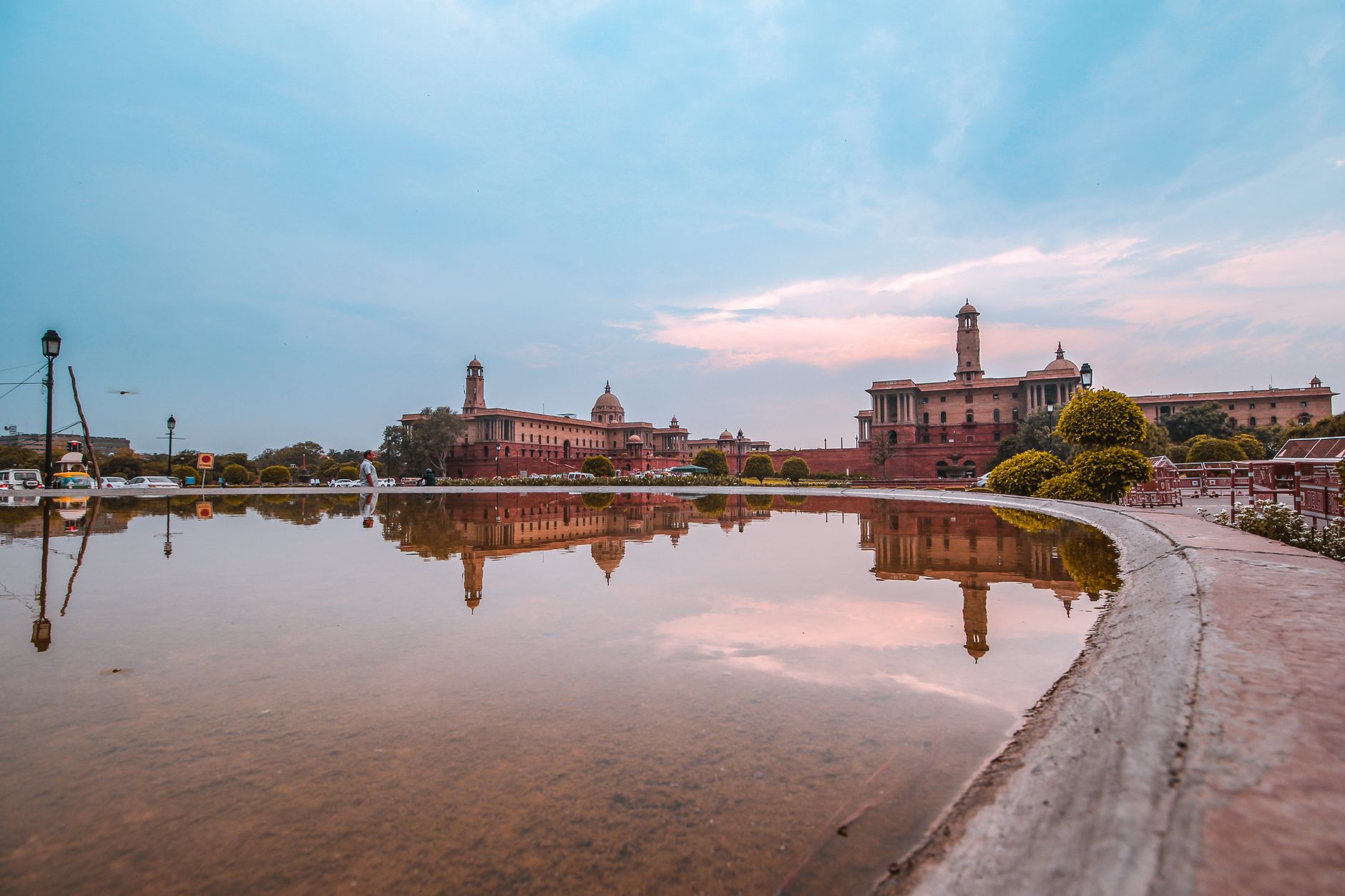
The iconic Secretariat Building in New Delhi, India, creates a stunning reflection in the foreground water feature during a peaceful sunset.
Yogendra Singh on Pexels · Pexels License
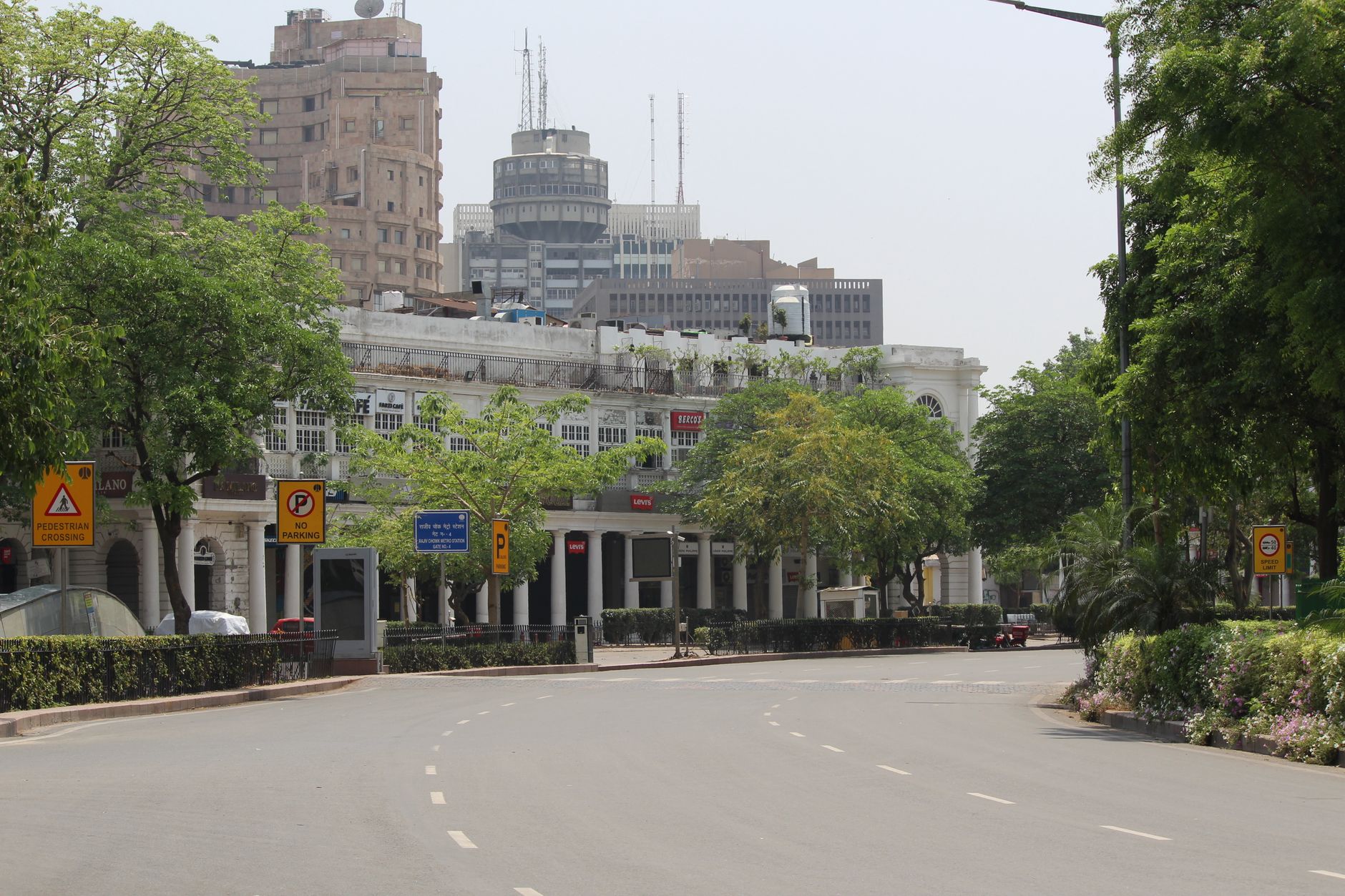
The iconic white colonial-style architecture of Connaught Place stands under a clear sky in the heart of New Delhi, India.
Freaky Fingers on Pexels · Pexels License
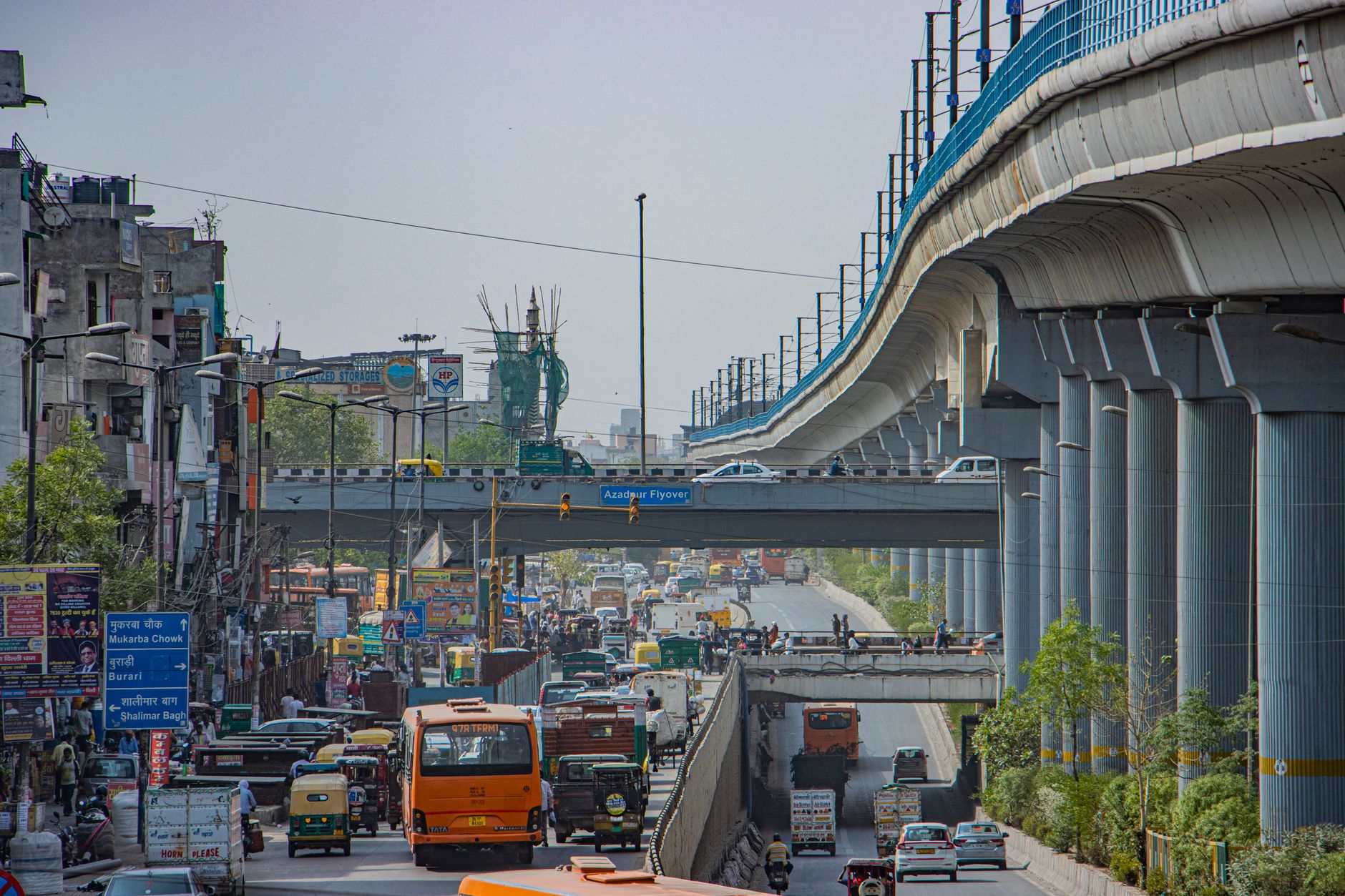
A bustling urban landscape in New Delhi, India, where modern elevated metro infrastructure towers over a dense street filled with traffic and local market activity.
Shantum Singh on Pexels · Pexels License
A high-angle view captures the dense, vibrant urban landscape of New Delhi, India, as the golden hour light illuminates the bustling streets and rooftops.
Mohit Hambiria on Pexels · Pexels License
The bustling Azadpur Flyover in New Delhi, India, showcases the city's complex urban infrastructure with elevated metro lines and dense daily traffic.
Shantum Singh on Pexels · Pexels License
A cat walks past the Naseem Fish & Chicken Point stall, a popular local eatery illuminated by warm lights in a bustling New Delhi street.
Shantum Singh on Pexels · Pexels License
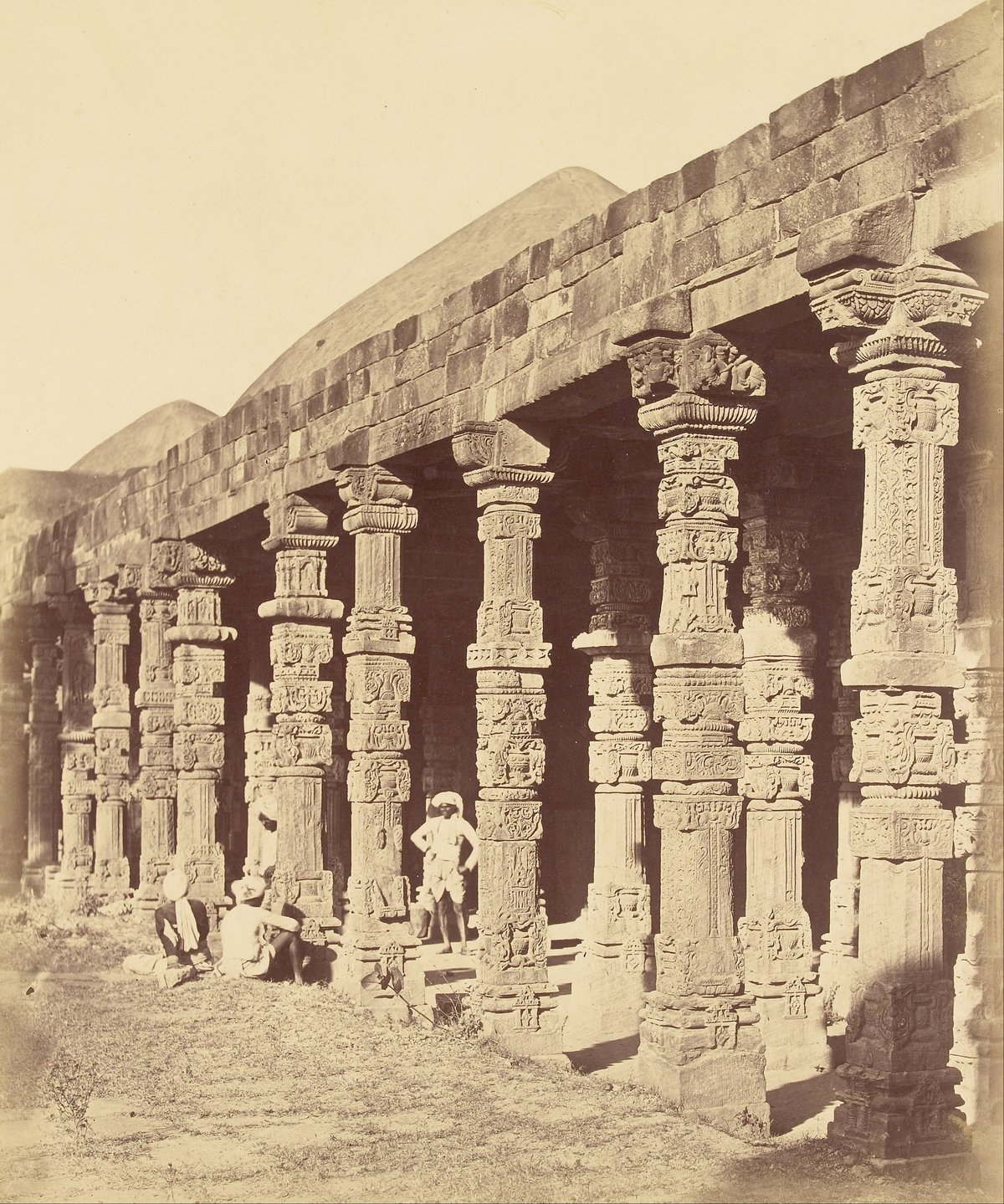
Visitors explore the magnificent, centuries-old stone arches and architectural ruins at the historic Qutub Minar complex in New Delhi, India.
Ranjeet Chauhan on Pexels · Pexels License
The illuminated facades of commercial buildings in New Delhi, India, showcase a blend of modern office architecture and urban night lighting.
Shantum Singh on Pexels · Pexels License
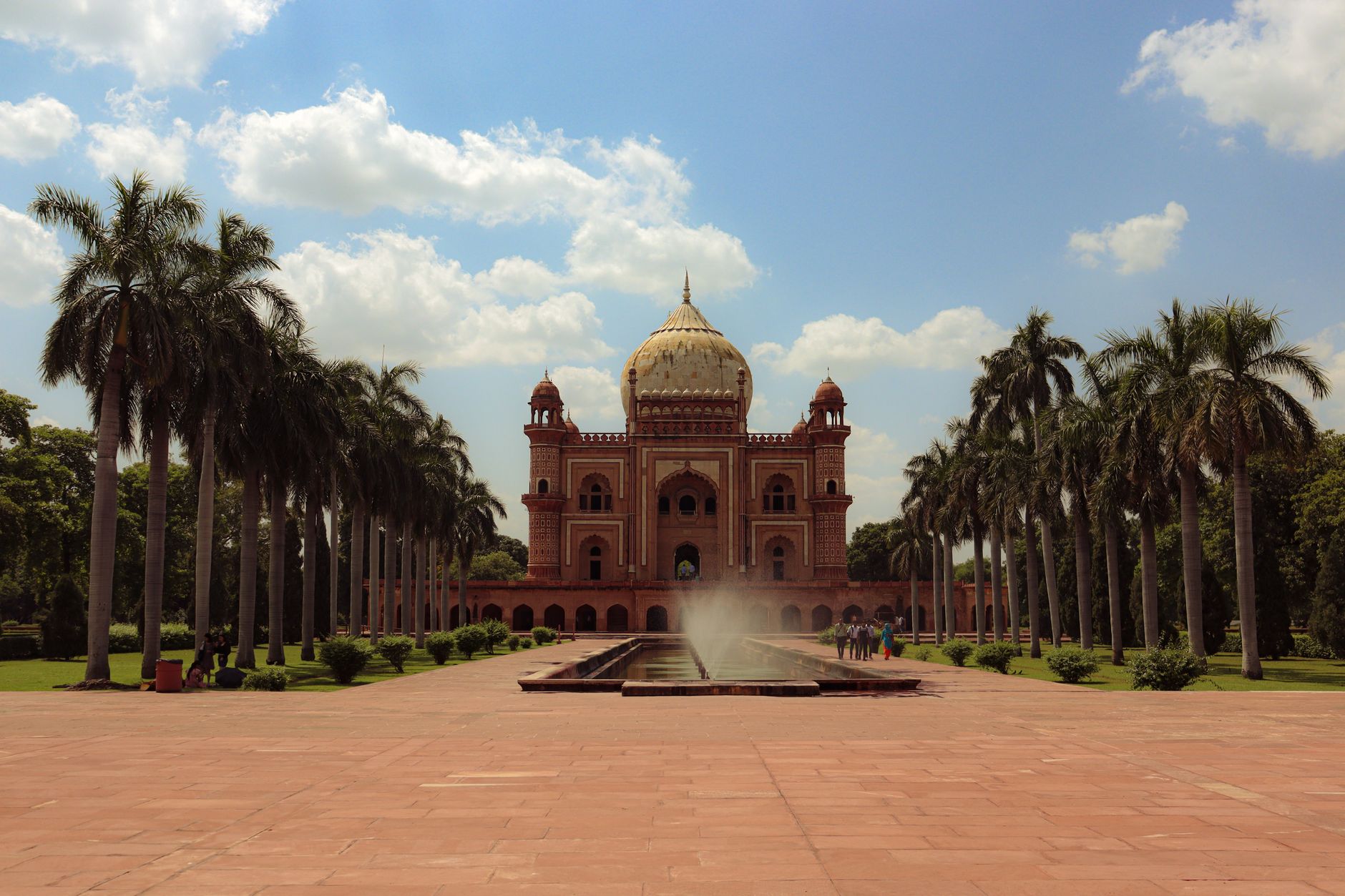
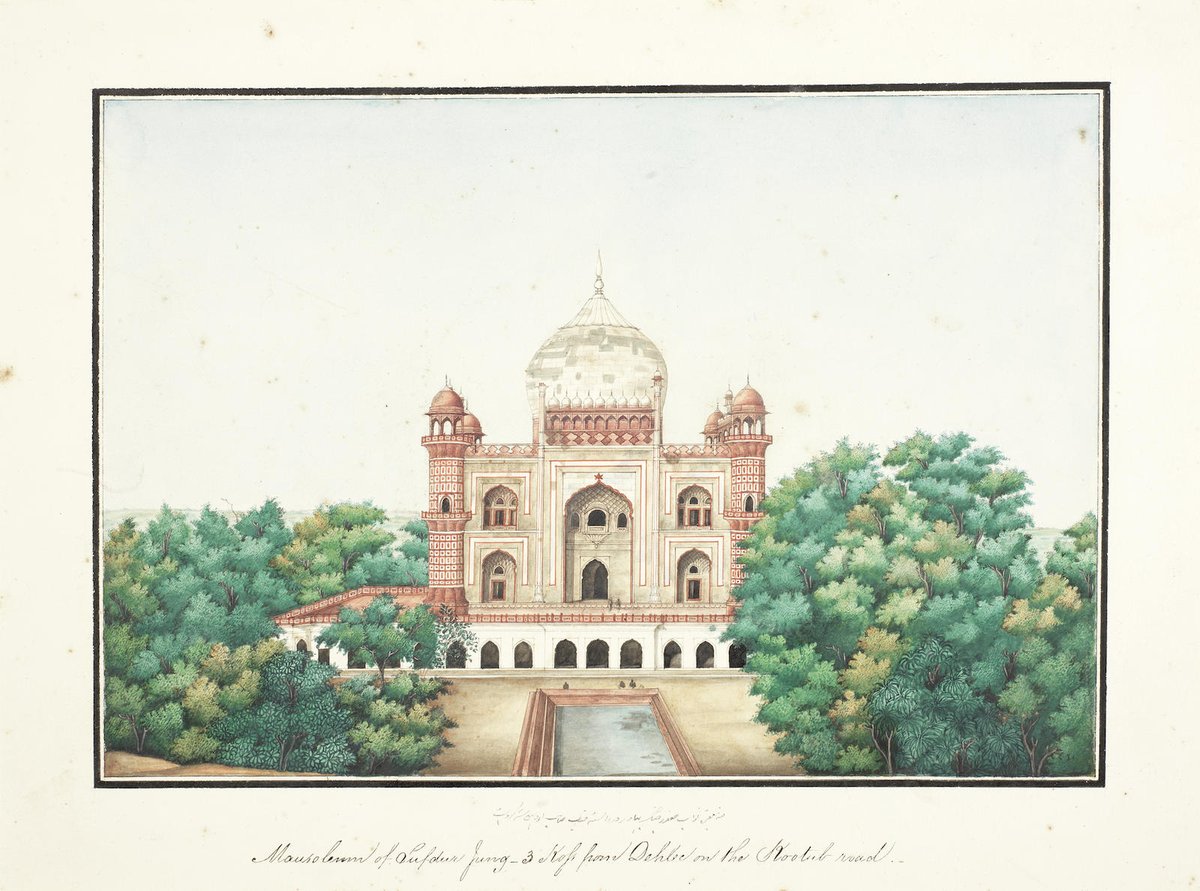
The majestic Safdarjung Tomb in New Delhi stands as a stunning example of Mughal architecture, framed by lush palm trees and a serene central fountain.
Zulfikar Haidar on Pexels · Pexels License
The magnificent Humayun's Tomb in New Delhi, India, showcases stunning Mughal architecture surrounded by serene, manicured gardens.
SHIVANSHU BHARDWAJ on Pexels · Pexels License
The historic red sandstone facade of Humayun's Tomb in New Delhi, India, framed by lush green foliage during a bright, sunny day.
shubh gupta on Pexels · Pexels License
The majestic Red Fort stands as a symbol of India's rich history in the heart of New Delhi.
Keith Cyrus on Pexels · Pexels License
Practical Information
Getting There
Indira Gandhi International Airport (DEL) splits across T1 (domestic, Magenta Line), T2 and T3 (international and some domestic). The Airport Express reaches New Delhi station in 15–20 minutes for ₹64 in 2026. Prepaid taxis, Uber and Ola wait 24/7 outside every terminal.
Getting Around
The Delhi Metro runs 374 km across six colour-coded lines plus the Airport Express in 2026. A 1-day Tourist Card costs ₹200, a 3-day version ₹500. DTC buses offer a daily Green Card for ₹50 on AC services. For central sights stick to the Yellow and Violet lines; they drop you within walking distance of India Gate, Red Fort and Humayun’s Tomb.
Climate & Best Time
November to early March brings 8–28 °C days with almost no rain. February offers the sweetest light and thinnest crowds. Avoid late April to June when temperatures regularly hit 39–45 °C. Monsoon from July to September turns streets into rivers but drops hotel rates dramatically.
Language & Currency
Hindi dominates street life while English works in hotels, metro stations and most restaurants. The Indian Rupee (₹) is accepted everywhere. UPI One World wallets launched for foreign visitors in 2024 let you pay by scanning QR codes with zero transaction fees using just your passport.
Safety
Petty theft spikes at New Delhi Railway Station, Paharganj and crowded Chandni Chowk. Use the metro or app cabs after dark. Women should avoid unbooked taxis late at night and share trip details. The emergency number 112 connects instantly to Delhi Police.
Where to Eat
Don't Leave Without Trying
The Fairy Bake
local favoriteOrder: Their Black Forest cake is a must-try, with perfect layers and rich flavors.
This bakery is beloved for its enchanting cakes and meticulous designs, making it a go-to for special occasions.
The Bakehouse 24
local favoriteOrder: The choco chip chocolate cake is a crowd favorite, with a perfect balance of sweetness.
This bakery is known for its commitment to quality and customization, offering a personal touch for every order.
common time | khan market
cafeOrder: The unsweetened iced latte is a standout, perfectly balanced and refreshing.
This café is a favorite among locals for its high-quality coffee and ideal work-from-anywhere vibe.
Fire&ice
local favoriteOrder: The Indian dishes here are authentic and full of flavor, with perfectly cooked spices.
Fire&ice is a hidden gem offering exceptional food and service, with a warm and welcoming atmosphere.
White Oak Restaurant
local favoriteOrder: The tikka pineapple is a must-try, a unique and flavorful dish that stands out.
White Oak offers excellent food and staff, providing a quiet and pleasant dining experience.
Indian Accent
fine diningOrder: The chef's tasting menu is a culinary journey, featuring creative and elegant dishes.
Indian Accent offers a refined take on Indian cuisine with contemporary twists and impeccable service.
38 Barracks Restaurant and Bar- Connaught Place
local favoriteOrder: The Regiment Menu offers unique dishes inspired by different Indian regiments.
38 Barracks is a vibrant spot with a patriotic theme, offering a lively atmosphere and delicious food.
Mum cafe & bakery
cafeOrder: The iced latte special coffee is a must-try, perfectly satisfying your coffee cravings.
Mum Cafe offers a cozy atmosphere with great coffee and delicious pastries, making it a local favorite.
Dining Tips
- check Cash is preferred in traditional markets like Chandni Chowk and Dilli Haat.
- check Tipping is appreciated at restaurants, typically 5-10% of the bill.
- check UPI (Unified Payments Interface) is widely accepted even at mid-range spots.
- check Chandni Chowk is closed on Sundays.
- check Dilli Haat food court offers regional dishes from all Indian states.
Restaurant data powered by Google
Tips for Visitors
Visit October-March
Delhi's brutal 45°C summers make October to March the only bearable window. Book your Red Fort and Qutub Minar tickets for early morning; the light is gentler and crowds thinner until 10 AM.
Street food rules
Always choose the busiest stalls. Hira Lal Chat Corner in Chawri Bazar serves kulle ki chaat that locals have queued for since the 1970s. Skip anything with cut fruit after sunset.
Metro over Uber
The Delhi Metro reaches every major site for ₹20-60. Buy a rechargeable card at any station. Avoid Yellow Line during evening rush; the Violet Line to Lal Qila stays calmer.
Women travelers
Use the pink-only carriages on the metro. Dress conservatively at religious sites. The area around Jama Masjid after dark requires extra caution; take licensed taxis.
Entry fee hack
Carry both Indian rupee notes and your passport. Foreigners pay ten times more at Red Fort, Qutub Minar and Humayun's Tomb. The difference can fund an entire day's street food.
Old Delhi survival
The lanes around Chandni Chowk assault every sense. Go with a local guide or join the morning walking tour that starts at 8 AM from Jama Masjid's southern gate.
Explore the city with a personal guide in your pocket
Your Personal Curator, in Your Pocket.
Audio guides for 1,100+ cities across 96 countries. History, stories, and local insight — offline ready.
Audiala App
Available on iOS & Android
Join 50k+ Curators
Frequently Asked
Is New Delhi worth visiting? add
Yes, but only if you accept its contradictions. The city rewards those who can move between 17th-century Mughal silence inside Humayun's Tomb and the deafening chaos of Paranthe Wali Gali in the same afternoon. Three days is enough to feel its weight.
How many days do you need in New Delhi? add
Plan for 3-4 days minimum. One full day for Old Delhi and Red Fort, one for the Qutub complex and Lotus Temple, and one for South Delhi's food trail. Five days lets you slow down inside Humayun's Tomb at golden hour.
Is Delhi safe for solo female travelers? add
It demands constant awareness. The metro's pink carriages and daytime monument visits are safe. Avoid wandering Old Delhi alone after 7 PM and never take an unmarked taxi at night. Most women who know the city stay in South Delhi neighborhoods.
When is the best time to visit New Delhi? add
October to early March delivers 15-28°C days and clear skies. Avoid April-June when temperatures regularly hit 45°C and the air quality collapses. Monsoon brings relief from heat but floods streets in July-August.
How much does New Delhi cost per day? add
Budget travellers can survive on ₹2500-3500 per day including metro, monument fees and street food. Mid-range visitors spending on Uber, sit-down restaurants and air-conditioned hotels need ₹8000-12000 daily. Entry fees for foreigners add up quickly.
Should I stay in Old Delhi or New Delhi? add
Stay in New Delhi for comfort and easier transport. Visit Old Delhi as a day trip. The narrow lanes around Chandni Chowk have almost no decent accommodation and noise continues until 2 AM. South Delhi offers better value and calmer nights.
Sources
- verified Thrillophilia Delhi Travel Guide — Provided opening hours, entry fees, and attraction details for Red Fort, Qutub Minar, Humayun's Tomb, Akshardham and Lotus Temple.
- verified Holidify Delhi Travel Guide — Supplied information on Gurudwara Bangla Sahib, Jama Masjid, food recommendations, and practical visitor tips.
- verified Wikipedia History of Delhi — Detailed historical timeline, seven cities of Delhi, and confirmed dates for monuments and dynasties.
- verified CN Traveller Delhi Food Guide — Specific restaurant recommendations for kebabs, butter chicken, chaat and parathas including Qureshi Kabab, Gulati and Hira Lal Chat Corner.
Last reviewed: