Hydroelectric Significance and Evolution
Initially dedicated to water supply, Peppara Dam’s role expanded in 1996 with the commissioning of a 3 MW hydel power station, reflecting Kerala’s commitment to sustainable energy. The dual-purpose infrastructure now supports both potable water and electricity needs, ensuring a reliable supply for Thiruvananthapuram’s growing population (Kerala Forest Department PDF).
Ecological and Environmental Impact
Recognizing the ecological value of the dam's catchment, the Kerala government declared the surrounding forests as Peppara Wildlife Sanctuary in 1983. This 53 sq. km protected area features a mosaic of tropical evergreen, semi-evergreen, and moist deciduous forests, sustaining:
- Over 233 bird species, including Malabar Grey Hornbill and White-bellied Treepie
- Mammals such as Asian elephants, Nilgiri langurs, and lion-tailed macaques
- Numerous reptiles, amphibians, and fish in the reservoir
The sanctuary’s establishment was a proactive step to balance infrastructure with environmental conservation, preserving the Western Ghats’ globally significant biodiversity (Kerala Tourism; Incredible India; Kerala Forest Department PDF).
Socio-Economic and Cultural Importance
Peppara Dam is a lifeline for Thiruvananthapuram, underpinning public health and urban development. Additionally, the region is home to indigenous Kani tribes, whose ethnobotanical knowledge and eco-friendly practices are integral to sanctuary management. The dam and sanctuary also support eco-tourism, providing livelihoods for local communities through guided tours and conservation initiatives (Kerala Backwater; Travalam; Tripinic).
Visiting Information: Hours, Tickets, and Travel Tips
Visiting Hours
- Dam and Sanctuary 8:00 AM to 5:00 PM daily
- Wildlife Sanctuary 7:00 AM to 5:00 PM (best wildlife viewing from October to March)
Entry Fees
- Dam Area Generally free
- Sanctuary Approximately INR 50 for adults, INR 25 for children; additional fees for guided tours and camera use
Travel Tips
- Wear comfortable shoes and carry water, especially in warmer months
- Best visit period: October to March
- Guided tours are strongly recommended for deeper understanding and safety
How to Reach
- By Road 50 km from Thiruvananthapuram via Nedumangad and Vithura; local taxis and buses available (travel.4kerala.in)
- By Rail Thiruvananthapuram Central (50 km)
- By Air Trivandrum International Airport (45–56 km)
Administrative and Conservation Milestones
- 1983 Sanctuary declared by Government of Kerala to protect the catchment (Kerala Forest Department PDF)
- 1998 Sanctuary added to Thiruvananthapuram Wildlife Division
- Ongoing Managed with focus on catchment protection, research, eco-tourism, and community engagement
Peppara Wildlife Sanctuary: Detailed Visitor Guide
Geography and Ecology
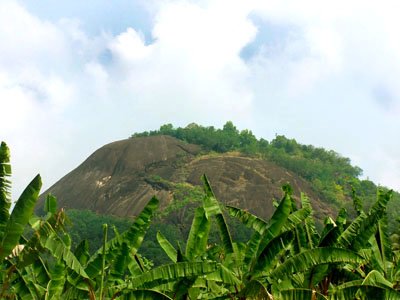
Part of the Agasthyamala Biosphere Reserve, the sanctuary features undulating hills, shola forests, and plateaus like Pandipath and Chemmunjimottai peak (1,717 m) (DTPC Thiruvananthapuram).
Flora
- Notable species: Arogyapacha (Trichopus zeylanicus) prized for medicinal use
- Rich in bamboo, rattans, reeds, and endemic plants
Fauna
- Mammals Asian elephant, Nilgiri langur, sambar deer, leopard
- Birds Malabar Grey Hornbill, White-bellied Treepie, sunbirds, kingfishers (TripXL)
- Reptiles/Amphibians King cobra, Malabar pit viper, bush frogs
Tribal Communities
The Kani tribe is actively involved in conservation and eco-tourism, offering guided treks and sharing their cultural heritage (Tripinic).
Access, Facilities, and Activities
Access
- Main approach via Vithura; last mile by auto or taxi
- Parking and basic shelters available at entrance
Facilities
- Basic restrooms and drinking water at entry points
- Tea stalls and snacks near entrance; full meals in Vithura village
- Forest guesthouses for permitted trekkers (sundarthetraveller.blogspot.com)
Activities
- Nature walks, dam exploration, and birdwatching
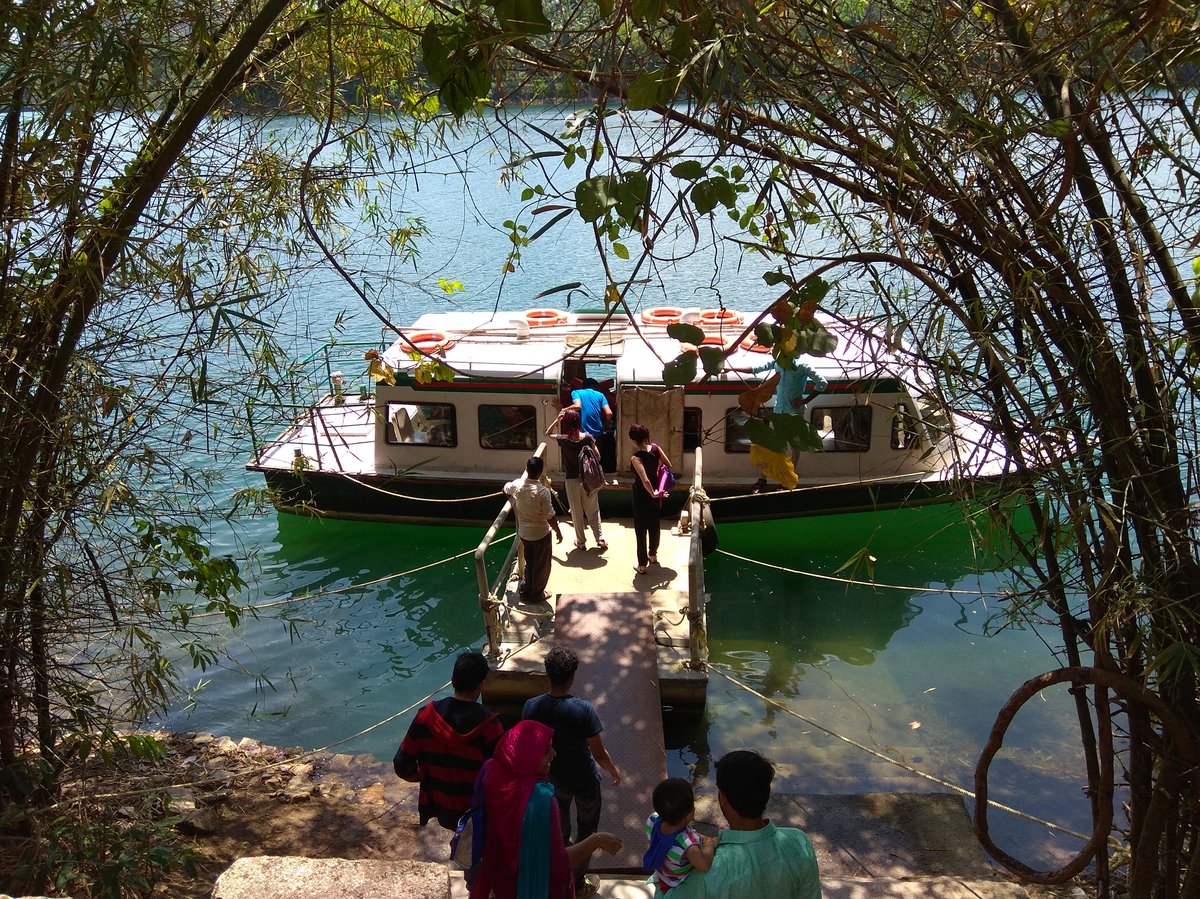
- Boating on reservoir (subject to safety clearance)
- Trekking, including short trails and the renowned Agasthyakoodam trek (permit required)
- Photography (avoid flash to protect wildlife)
- Picnicking in designated areas
Safety, Accessibility, and Connectivity
- Stick to marked trails; guided treks are safer
- Monsoon (June–September) may close some routes
- Basic accessibility at dam/picnic zones; trekking requires fitness
- Mobile network is unreliable inside sanctuary; emergency contacts at entrance
Nearby Attractions
- Ponmudi Hill Station
- Neyyar Wildlife Sanctuary
- Padmanabhaswamy Temple in Thiruvananthapuram
- Karamana River banks and Aruvikkara Waterfalls (traveltriangle.com)
Conservation Efforts and Sustainable Tourism
Peppara’s catchment is protected to maintain water quality and habitat integrity. Soil erosion is addressed through afforestation, check dams, and real-time hydrological monitoring (Karmic Tourism; IAS Gyan; The Hindu). The sanctuary is managed in collaboration with local communities, especially the Kani, who contribute to eco-development committees and visitor programs.
Frequently Asked Questions (FAQ)
Q1: What are the visiting hours?
A1: Generally 8:00 AM to 5:00 PM for dam and sanctuary; check for seasonal updates.
Q2: Are tickets required?
A2: Yes; approximately INR 50 for adults and INR 25 for children for the sanctuary. Dam area is usually free.
Q3: Can I walk on the dam?
A3: Public access to the dam structure is often restricted for safety, but scenic areas around the reservoir and sanctuary are open.
Q4: Are guided tours available?
A4: Yes, especially through Kani tribe-led eco-tourism programs.
Q5: What is the best time to visit?
A5: October to March for pleasant weather and wildlife activity.