An introduction.
Researched by the Audiala editorial team from historical records, architectural archives, and local expertise.
MMangroves once turned this hill into a trapdoor in the water, which is why Belapur Fort still feels less like a monument than an ambush paused mid-scene. In Navi Mumbai, India, the ruined fort above Panvel Creek rewards anyone who likes history with salt on it: broken bastions, creek wind, and a view that explains in one glance why four powers fought over this ridge. Come for the ruin. Stay for the geography.
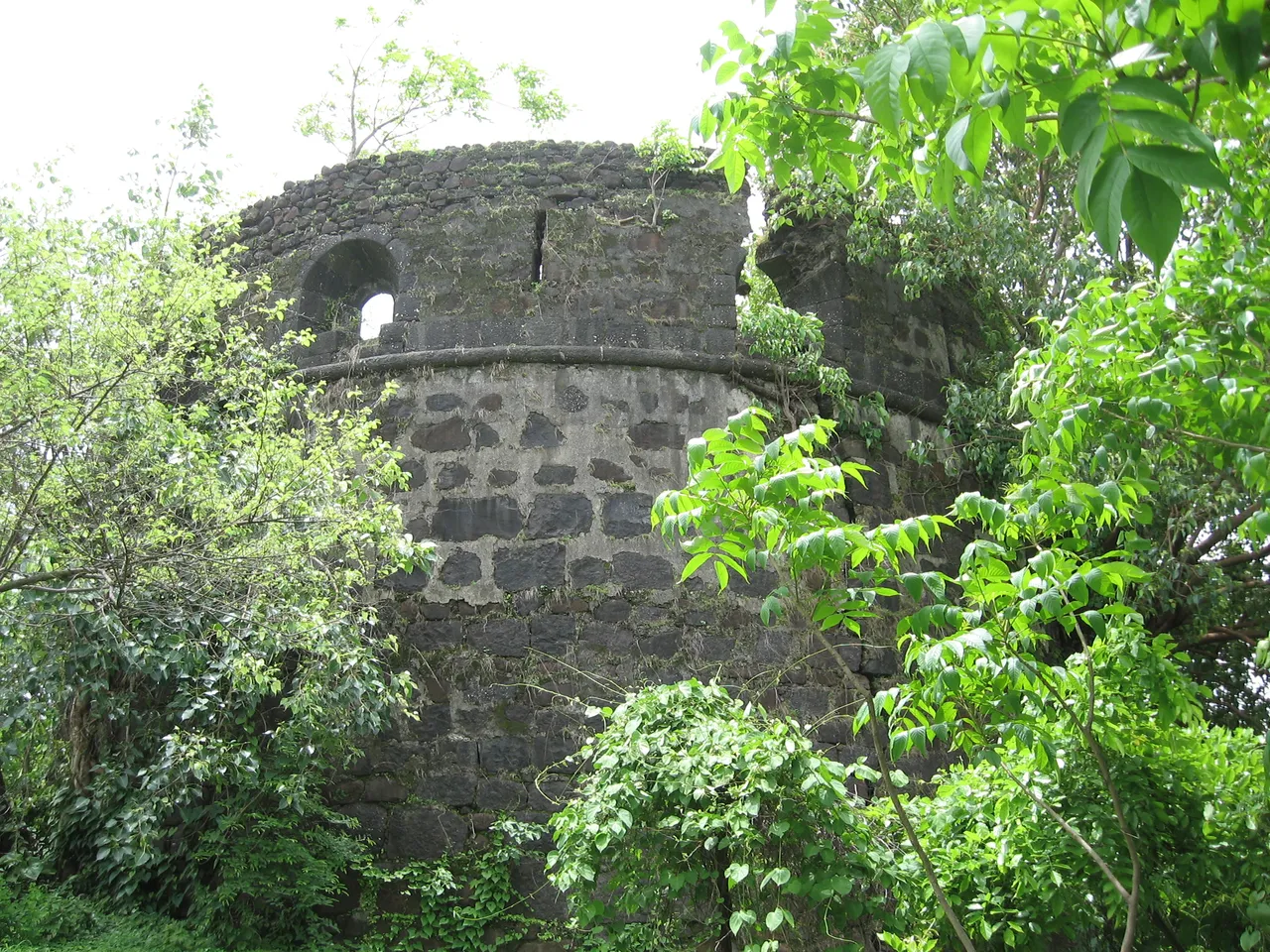
Belapur Fort doesn't charm you from a distance. It sits in fragments under scrub and trees, its stonework interrupted by roots, missing walls, and the hush that follows abandoned military architecture everywhere.
That roughness is the point. The fort guarded creek traffic moving inland toward Panvel and then on to Pune, and older accounts describe Belapur as an island wrapped in mangroves, a natural moat wider than many city avenues.
Visitors who expect polished restoration may feel cheated. Visitors who want a place that still shows the damage done by conquest, neglect, and weather will understand it fast.
01 What to see.
The Bastion Line Above Panvel Creek
The Inner Ruins and Stone Passages
The Temple Link and the Name Belapur
02 In pictures.


Plan and listen to Belapur Fort with Audiala.
Audio guide in your pocket, itinerary in your browser. Built for the way you actually visit.
03 Visitor logistics.
The practical scaffolding for a good visit — kept short.
Getting There
Belapur Fort sits off Uran Road in Sector 32, Seawoods, about 2.2 to 2.4 km from CBD Belapur station, which is roughly a half-hour walk or a 2 to 5 minute auto-rickshaw ride. From Mumbai CSMT, Harbour Line locals to CBD Belapur usually take about 90 to 120 minutes; by road, use the Sion-Panvel Expressway and exit toward CBD Belapur or Seawoods, but expect the last lane to be narrow and parking to be thin.
Opening Hours
As of 2026, travel listings consistently show Belapur Fort open daily from 8:00 AM to 6:30 PM. Management on site is light and the fort remains a ruin under CIDCO jurisdiction, so treat those hours as daylight-access hours and avoid planning a visit after dark.
Time Needed
Give it 45 to 60 minutes if you want a quick look at the surviving walls, the creek views, and the hilltop setting. History-minded visitors or photographers should allow 90 minutes to 2 hours, enough time for the approach, a slow circuit of the ruins, and a pause to picture the fort when Panvel Creek still worked like a guarded gate.
Cost & Tickets
As of 2026, Belapur Fort is generally listed as free to enter, with no standard ticket counter or timed-entry system. That fits the mood of the place: more broken bastion than managed monument, with no bundled ticket or audio-guide discount to chase.
04 Tips for visitors.
Small things that change the day.
Go Late Day
Aim for early morning or the last two hours before closing. The stone heats up hard in the afternoon, and the softer light makes the creek and mangrove edges read properly instead of washing into glare.
Skip After Dark
Visit only in daylight. Reviews and local listings describe a hidden approach, weak lighting, and a neglected site, which is a poor mix once the fort starts feeling more like a vacant hill than a landmark.
Use An Auto
From CBD Belapur station, take an auto-rickshaw for the last stretch unless you want the walk. The distance is modest, but the final approach is not a grand heritage promenade; it slips in through ordinary lanes and can feel easy to miss.
Shoot The Edges
Bring a phone or camera for the outer viewpoints rather than expecting intact interiors. Belapur Fort works best in fragments: broken masonry, scrub on basalt, and glimpses over Panvel Creek where the site’s old military logic still shows through.
Pair It Nearby
Combine the fort with CBD Belapur rather than treating it as a full-day stand-alone stop. The nearby Amruthaishwar temple carries the local Chimaji Appa story, and Mango Garden gives you a greener, calmer second act after the fort’s rough stone and exposed hill.
Avoid Heavy Rain
Monsoon visits can be atmospheric, but the hill paths and ruined surfaces get slick fast, like walking on wet pottery shards. If rain has just passed, slow down on the climb and save this one for another day if the ground feels greasy underfoot.
Where to Eat
Don't Leave Without Trying
Dough La re
quick biteOrder: Fresh-baked artisan breads and pastries — the croissants and sourdough are exceptional for a neighborhood bakery. Perfect for breakfast or a pre-fort coffee stop.
This tiny neighborhood gem has perfect ratings and feels like the kind of place locals actually queue for. It's Sector 15's best-kept secret for quality baking in Navi Mumbai.
Dwivedi Ji UP70
local favoriteOrder: Authentic UP cuisine — expect rich, butter-forward gravies and specialties you won't find in typical Mumbai restaurants. This is genuine regional cooking, not tourist fare.
Located right in CBD Belapur, this is your best bet for real local eating without the Sector 15 restaurant-and-pub crowd. The name signals serious regional commitment.
Dining Tips
- check Head to CBD Belapur / Sector 15 immediately after visiting Belapur Fort — this is the natural food zone locals use.
- check The CBD Belapur khau-galli (street-food strip) is your best bet for informal, budget-friendly eating and authentic local flavor.
- check Sector 15 has a cluster of restaurants and pubs — good for a sit-down meal if you want more comfort than street food.
Restaurant data powered by Google
05 A Fort Built to Watch the Water
Belapur Fort began as strategy before it became ruin. Most scholars date the site to the 16th century and attribute its construction to the Siddis of Janjira, who understood what the hill could do: watch the mouth of Panvel Creek, tax movement, and block enemies before they reached the inland routes.
Control changed hands with unnerving regularity. Sources agree on the sequence even when exact years wobble: Siddi, Portuguese, Maratha, British. The stones kept switching flags because the view kept mattering.
Chimaji Appa, Captain Charles Gray, and the Fort That Wouldn't Stay Won
The fort's most vivid story belongs to two men who never met here yet define its memory. According to local tradition, Chimaji Appa vowed that if the Marathas retook the fort, he would offer beli leaves at the nearby Amruthaishwar temple; after victory, the place was said to have taken the name Belapur from that act of devotion. Tradition, not proof. But the story has lasted because it fits the place's mood: military calculation wrapped in ritual.
Documented dates grow firmer by 1817. Several sources record that Captain Charles Gray captured the fort for the British on June 23, 1817, during the final struggle against Maratha power in western India. Then came the familiar imperial logic. The British partly demolished strongholds they no longer wanted anyone else to use.
That damage shapes every visit now. You are not looking at a fort that simply aged; you are looking at a fort that was deliberately reduced, like a chess piece snapped in half so nobody could play the same move twice.
The Dating Problem
Five Bastions and a Vanishing Island
Listen to the full story in the app
The whole Belapur Fort,
told well.
Audio guides for 1,100+ cities across 96 countries. History, stories, and local insight — offline ready.
06 Frequently asked.
The questions travellers send us most about Belapur Fort.
Is Belapur Fort worth visiting?
Yes, if you like places that still show their military logic in the ground beneath your feet. The fort is a ruin, but its hilltop position above Panvel Creek makes the old strategy obvious: watch the water, watch the inland route, hold the choke point. Go for the views, the weathered stone, and the feeling that this patch of Navi Mumbai once mattered to empires.
How long do you need at Belapur Fort?
Most visitors need about 45 minutes to 1 hour. That gives you enough time to walk up, look over the surviving walls and bastions, and pause for the creek views. Stay longer if you like photography or want to linger until the light softens near sunset.
Who built Belapur Fort?
Most sources date Belapur Fort to the 16th century and attribute its construction to the Siddis of Janjira. After that, control shifted through the Portuguese, the Marathas, and then the British. The exact year is messy online, but the broad sequence is steady across sources.
Why is Belapur Fort famous?
Belapur Fort is known less for grand architecture than for position. It sat near the mouth of Panvel Creek, guarding creek traffic and the inland route toward Panvel and Pune, which made this small hill worth fighting over for centuries. That strategic role is the real story here.
What is the history of Belapur Fort?
Belapur Fort began in the 16th century, most likely under the Siddis of Janjira, then passed through Portuguese and Maratha hands before the British captured it on June 23, 1817. Several sources name Captain Charles Gray in that final takeover. Local tradition also links the fort's later name to Chimaji Appa and an offering of beli leaves at the nearby Amruthaishwar temple, though that part is tradition rather than securely documented fact.
Is Belapur Fort free to enter?
Most local listings treat Belapur Fort as a free site, but current on-ground conditions can change. This is not a ticketed monument in the way a managed museum is; think ruined fort, open access, and limited visitor facilities. Carry water and don't expect formal services at the top.
What is the best time to visit Belapur Fort?
Early morning or late afternoon works best, especially outside the heaviest monsoon weeks. Midday sun on the exposed hill can feel punishing, while softer light makes the creek, mangroves, and broken stone read better. If you want photos, aim for the hour before sunset.
Verified, and shown.
Researched and written by the Audiala editorial team from historical records, architectural archives, and local expertise.
Official overview used for the 16th-century origin, Siddi attribution, five bastions, and CIDCO jurisdiction.
Used for history summary, control sequence, local Chimaji Appa tradition, and the June 23, 1817 British capture.
Used for general history, alternate dating claims, local naming tradition, and British capture details.
Checked to confirm Belapur Fort is not listed as a UNESCO World Heritage Site or on the Tentative List.
Used as a secondary source supporting the 16th-century dating and general visitor context.
Used as a secondary source for 16th-century dating and repeated construction-year claims.
Used for the geographic explanation of Belapur as an island-like site in mangroves and its military logic near Panvel Creek.
Used for alternate historic names, Portuguese naming, and secondary chronology references.
Used as a local secondary source repeating the Chimaji Appa naming tradition.
Used for the 2010 preservation push and restoration-plan reporting.
Used for restoration timeline reporting and the site's continued ruined condition.
Used for the February 2018 proposal and April 18, 2019 restoration-start target.
Used as a secondary source for the contested 1733 Maratha capture claim.
Used as a secondary source for the contested 1737 Maratha capture claim.
Used as a secondary source repeating the 1560-1570 construction claim.
Used for reporting on surviving towers and restoration advocacy.
Researched from Wikidata, Wikipedia & official sources · fact-checked · How we make our guides →