
Historical Background
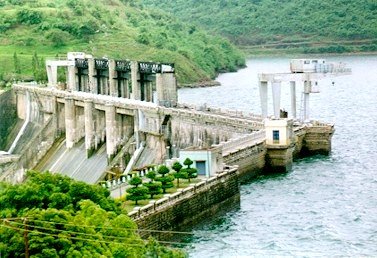
The Bhadra Dam, constructed across the Bhadra River—which originates in the Western Ghats at Gangamoola near Kudremukh—was part of India’s mid-20th-century push for multi-purpose infrastructure (BangaloreOrbit). Completed in 1965, it was designed to meet irrigation, water supply, and power generation needs. The Bhadra flows into the Tungabhadra River, a vital waterway for Karnataka (InstaPDF), and the dam leverages the region’s heavy monsoon rainfall to support agricultural and industrial development.
Socio-Economic and Environmental Impact
Bhadra Dam transformed local agriculture by irrigating vast tracts of farmland, supporting crops like paddy and sugarcane, and catalyzing economic growth in industries such as those in Bhadravathi. The reservoir’s catchment area also evolved into the Bhadra Wildlife Sanctuary, later a Project Tiger reserve, covering about 500 sq km and supporting a rich diversity of flora and fauna (Karnataka Tourism).
Geographical Setting
Location and Accessibility
Bhadra Dam is near Lakkavalli village, about 38 km from Bhadravathi and 78 km from Chikkamagaluru, at the sanctuary’s northern edge. The dam is easily reached by road, with the nearest railway station at Kadur Junction (51 km) and the closest airport in Mangalore (185 km) (Karnataka Tourism).
Hydrological Features
The dam’s earthen structure, with a masonry spillway, is 1,700 meters long and 59.13 meters high, forming a reservoir with a 2.03 billion cubic meter capacity (InstaPDF). The catchment receives about 2,300 mm rainfall annually, and the reservoir’s islands boost its scenic and ecological value.
Ecological Zones
The Bhadra basin comprises:
- Surplus Region Upper river stretches, dense forests.
- Controlled Flow Downstream, regulated for irrigation and power.
- Deficit Region Farther downstream, with seasonal water scarcity (BangaloreOrbit).
Climate
The region is tropical, with heavy rains from June to September and pleasant weather (15°C–28°C) from October to March (Karnataka Tourism).
Visitor Information
Visiting Hours and Tickets
- Dam Hours 6:00 AM to 4:00 PM daily (Chikmagalur Tourism)
- Entry Fee No fee for dam entry; safaris and activities have additional charges.
- Wildlife Sanctuary Open 6:00 AM to 6:00 PM; entry fees INR 50–100 for Indians, INR 200–300 for foreigners.
- Boating & Safaris Timings align with dam hours; safari slots are typically 6:30–8:30 AM and 4:00–6:00 PM (Solopassport).
Accessibility and Facilities
Bhadra Dam is accessible by car, bus, or taxi. Facilities include parking, restrooms, and some wheelchair-accessible areas. Mobile connectivity may be patchy in forested zones.
Accommodation
Options range from eco-resorts (e.g., River Tern Lodge) to homestays and guesthouses in Lakkavalli, Tarikere, and Chikmagalur (Solopassport). Advance booking is recommended.
Activities and Experiences
Boating and Water Sports
Boating, kayaking, sailing, and water cycling are offered on the reservoir, with panoramic views of the Western Ghats and opportunities to see migratory birds (Rangataana; TravelTriangle).
Wildlife Safaris and Nature Walks
Jeep safaris in the Bhadra Wildlife Sanctuary are available via the Forest Department, providing chances to spot tigers, elephants, leopards, and rich birdlife (Solopassport).
Picnics and Relaxation
Scenic picnic spots with forested hills and tranquil waters are ideal for relaxation. Carry your own food and water, as amenities are limited.
Ecological and Conservation Significance
Bhadra Dam and Sanctuary are biodiversity hotspots within the Western Ghats (bynekaadu.com). The sanctuary is home to:
- Mammals Tigers, elephants, leopards, gaurs, sloth bears, wild dogs, sambar and barking deer, giant squirrels.
- Birds Over 250 species, including Malabar hornbill, river tern, paradise flycatcher (karnataka.com).
- Butterflies/Invertebrates Crimson Rose, Baronet, Bamboo Brown, and more (theholidaystory.com).
The dam’s wetlands aid groundwater recharge, regulate floods, and sustain aquatic life, while forest conservation and Project Tiger initiatives have enhanced wildlife populations (holidaymonk.com).
Cultural and Community Importance
Temples such as the Mhakta Markandya and Bhavani Shankar near the dam add spiritual depth (theholidaystory.com). The dam supports local livelihoods through agriculture, tourism, and employment in eco-resorts (karnataka.com), while festivals like Ugadi and Sankranti enliven village life (Rangataana).
Practical Travel Tips
- Best Time to Visit October–March for ideal weather and high water levels.
- Clothing Comfortable, weather-appropriate attire and sturdy footwear.
- Wildlife Etiquette Maintain quiet, avoid littering, do not feed animals.
- Safety Be cautious near water, especially after heavy rainfall.
- Connectivity Inform others of your plans if venturing into remote areas.
- Cuisine Enjoy local Karnataka dishes such as akki rotti and neer dosa at nearby towns or resorts.
Nearby Attractions
- Bhadra Wildlife Sanctuary Tiger reserve and biodiversity hotspot (Solopassport).
- Kemmangundi Hill station known for trekking and views.
- Hebbe Falls & Kallathigiri Falls Scenic waterfalls (TravelSetu).
- Mullayanagiri Peak Highest in Karnataka, trekking destination.
- Shivappa Nayaka Palace Historic site in Shimoga.
Find more on Top Treks in Chikmagalur, Karnataka Hill Stations, and Wildlife Sanctuaries in Karnataka.
Sustainability and Responsible Tourism
Visitors should minimize waste, respect local customs, and support eco-friendly initiatives. Conservation is vital to preserve the dam’s ecological functions and biodiversity (Chikmagalur Tourism).
Frequently Asked Questions (FAQs)
Q: What are the Bhadra Dam visiting hours?
A: 6:00 AM to 4:00 PM daily.
Q: Is there an entry fee?
A: No fee for dam entry; charges apply for boating and wildlife safaris.
Q: How do I reach Bhadra Dam?
A: By road from Shimoga, Tarikere, or Chikmagalur; nearest rail at Kadur Junction; nearest airport at Mangalore.
Q: Are accommodations available nearby?
A: Yes, options include River Tern Lodge, eco-resorts, homestays, and guesthouses.
Q: What is the best season for visiting?
A: October to March for pleasant weather and lush scenery.
Q: Are safaris available?
A: Yes, jeep safaris are offered in the wildlife sanctuary.
Visuals and Interactive Elements
Enhance your trip planning with images of the dam, boating, wildlife, and historical sites. Use interactive maps or virtual tours on official tourism platforms for location guidance and itinerary planning.