
Historical Background
Vision and Early Planning
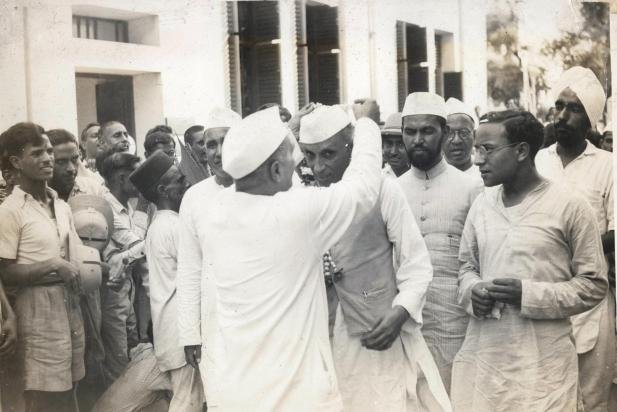
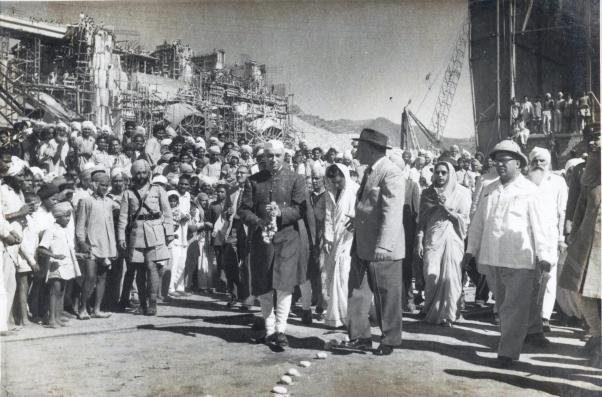
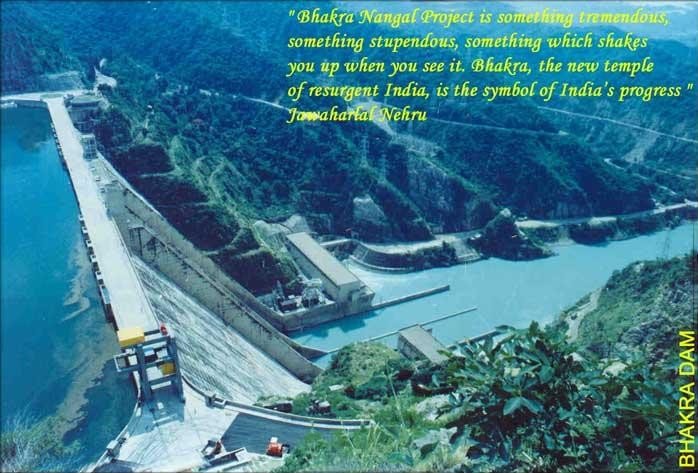
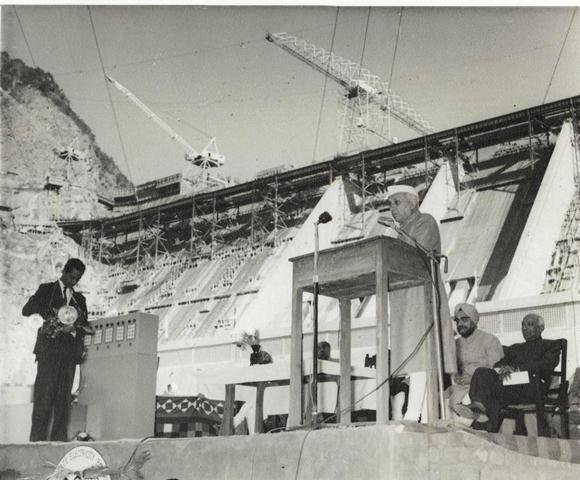
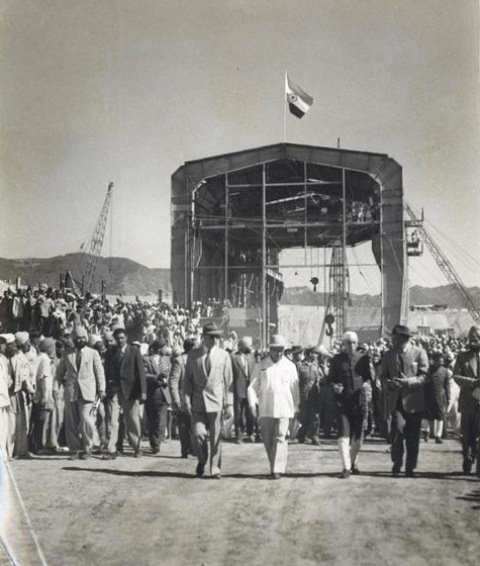
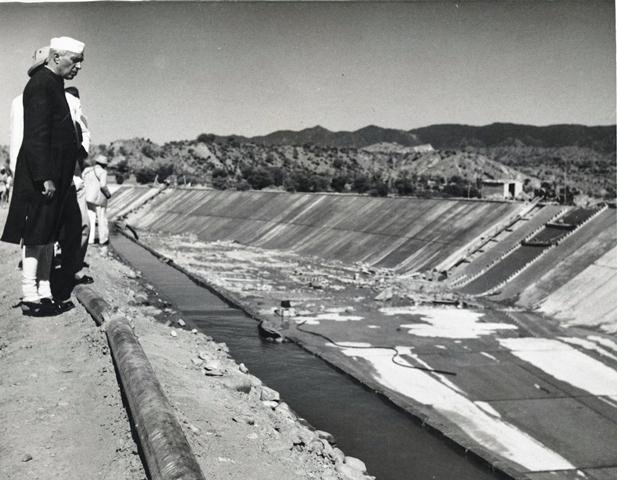
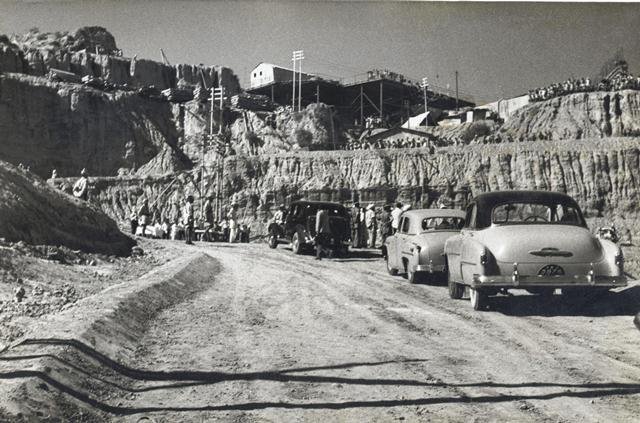
The idea to harness the Sutlej River’s potential emerged in the early 20th century, but it was not until the 1940s that the Bhakra Dam project materialized. The foundation stone was laid following an agreement in 1945, with construction beginning in 1948. Despite significant delays due to partition and resource challenges, the dam was completed in 1963 and inaugurated by Prime Minister Jawaharlal Nehru, who called it the “temple of modern India,” reflecting its importance in the nation’s development (India Today; Newsd.in).
National Significance and Management
As one of India’s first multipurpose river valley projects, Bhakra Dam transformed water management, food security, and electrification throughout the northern states. Its administration and maintenance are overseen by the Bhakra Beas Management Board (BBMB), a multi-state body ensuring equitable resource allocation among Punjab, Haryana, Rajasthan, Himachal Pradesh, Delhi, and Chandigarh (BBMB Official).
Socio-Economic Impact
Bhakra Dam played a pivotal role in the Green Revolution by enabling irrigation across more than 10 million acres, converting arid lands into fertile fields and catalyzing food security and rural prosperity (Incredible Punjab). Its hydroelectric power stations supported industrialization and rural electrification, fueling the economic growth of the region and improving millions of lives.
Engineering Features of Bhakra Dam
Site Selection and Structure
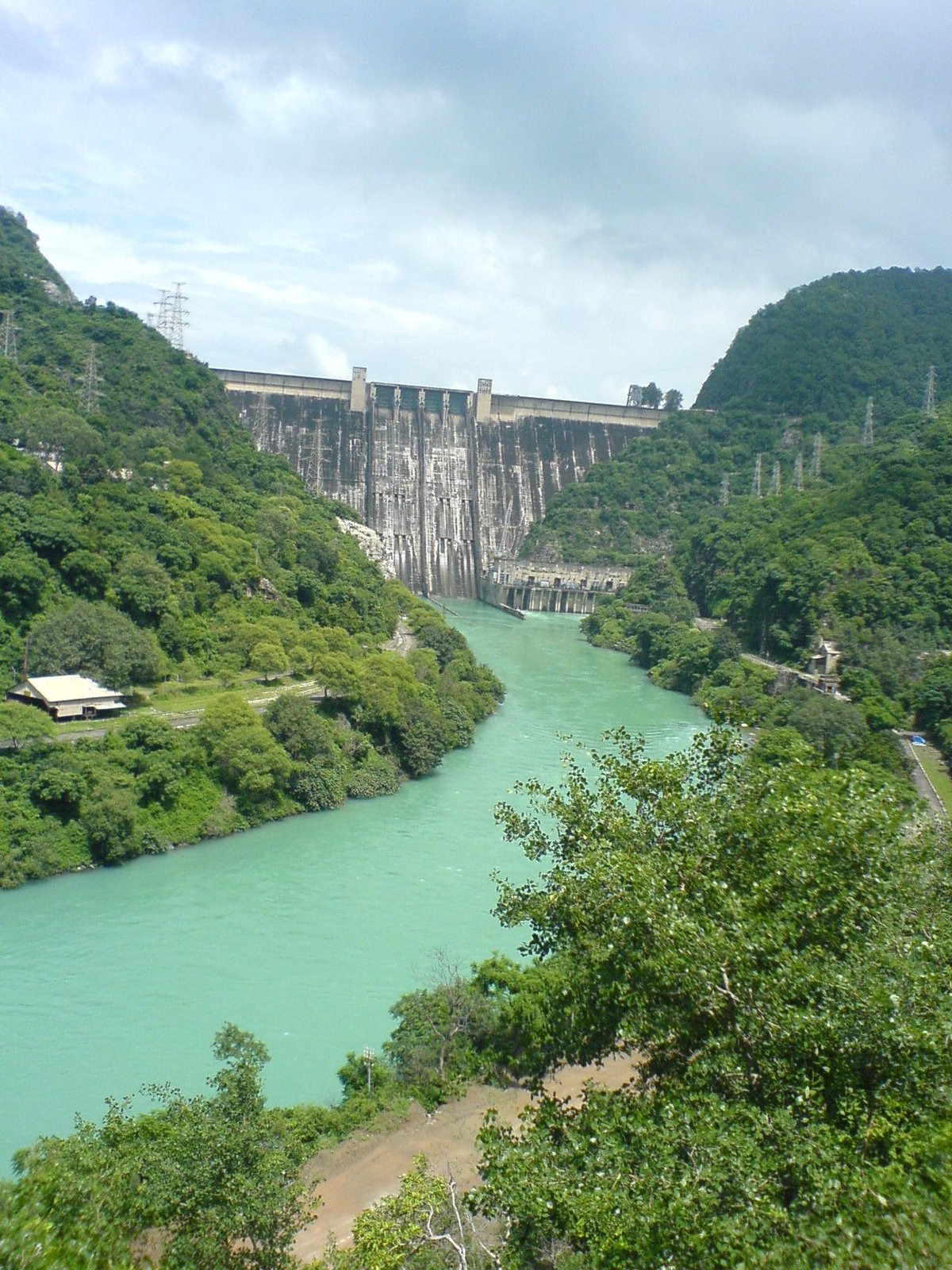
Bhakra Dam is a straight gravity concrete dam situated in a deep, narrow gorge of the lower Shiwalik hills, chosen for its stable geological foundation. Key specifications include:
- Height 225.55 meters (740 feet)
- Length 518.16 meters (1,700 feet)
- Width at Crest/Base 9.14 meters/190.50 meters
- Volume of Concrete Over 3.4 million cubic meters
Extensive galleries within the dam allow for inspection and monitoring (BBMB Official).
Reservoir: Gobind Sagar
Created by the dam, Gobind Sagar reservoir stretches 88 km in length and covers 168 sq km, storing 9.34 billion cubic meters of water. It is crucial for irrigation, drinking water supply, and hydroelectric power, and also serves as a hub for water sports and tourism (India Today).
Power Generation and Innovations
The dam houses two main powerhouses with a total installed capacity of 1,325 MW, supplying electricity to five states and major cities (Newsd.in). The construction introduced advanced techniques such as on-site batching plants, conveyor systems, and slope stabilization, setting benchmarks for future projects (The Civil Studies).
Environmental and Safety Measures
Bhakra Dam incorporates afforestation, slope protection, and silt management to ensure environmental stability and reservoir longevity. Modern instrumentation and SCADA-enabled automation provide real-time monitoring of structural health and flood management systems (BBMB Official).
Planning Your Visit
Visiting Hours and Ticket Information
- Hours Typically 9:00 AM–6:00 PM daily. Some sources report 8:00 AM–6:30 PM Tuesday to Saturday, with extended hours on Sundays and Mondays. Confirm with BBMB before your visit (TravelSetu).
- Tickets Entry is generally free; guided tours or specific activities (like boating or restricted zone access) may require tickets or prior permission, especially for non-Indian nationals. Carry valid photo ID (Holidify).
Accessibility and Travel Tips
- Location About 116 km from Chandigarh; nearest railway station at Anandpur Sahib (38 km); Chandigarh International Airport is the closest air hub.
- Transport Taxis, state-run buses, and well-maintained roads make access convenient (MakeMyTrip).
- Best Time to Visit October–March for pleasant weather; monsoon months can limit access.
- Travel Essentials Carry snacks, water, sun protection, and personal medications. Facilities are basic but sufficient for day trips.
Visitor Facilities and Guided Tours
- Parking Available near the entrance.
- Restrooms Basic facilities onsite.
- Food Limited eateries; bringing your own food is advisable.
- Guided Tours Recommended for historical and technical insights (Thrillophilia). Educational excursions are also popular.
Safety and Responsible Tourism
- Security Screening Expect checks; restrictions on large bags, drones, and professional cameras.
- Photography Allowed in designated areas; restricted near sensitive zones.
- Swimming Prohibited in Gobind Sagar due to strong currents.
- Eco-Conduct No littering or plastic use; respect local customs and environmental regulations (Tripoto).
Cultural and Environmental Insights
Symbolic and Religious Context
Bhakra Dam is deeply embedded in India’s post-independence narrative and regional identity. The adjacent Sutlej River holds religious significance for Hindus and Buddhists. Nearby is the revered Naina Devi Temple, accessible by cable car or trekking, especially vibrant during festivals (Holidify).
Community Impact and Biodiversity
The dam and Gobind Sagar submerged over 300 villages, leading to resettlement and adaptation of local communities (Scribd). The surrounding Gobind Sagar Wildlife Sanctuary is home to leopards, deer, birds, and diverse aquatic life, supporting eco-tourism and regulated fishing (Tripoto).
Festivals and Local Events
Baisakhi, Lohri, and other festivals celebrate agricultural prosperity brought by the dam. The dam is illuminated on national holidays, and local events often blend spiritual and recreational activities (TouristPlaces.Guide).
Nearby Attractions
- Gobind Sagar Lake Boating, water sports, and fishing.
- Naina Devi Temple Major hilltop pilgrimage site (Unacademy).
- Anandpur Sahib Sikh religious center with prominent museums.
- Jhajjar Bachauli Wildlife Sanctuary Ideal for nature and bird lovers.
Frequently Asked Questions (FAQ)
Q1: What are the Bhakra Dam visiting hours?
A: Generally 9:00 AM–6:00 PM; confirm with BBMB before visiting.
Q2: Is there an entry fee?
A: Entry is free; some activities may require tickets.
Q3: Can non-Indian nationals visit?
A: Yes, but prior permission is often required.
Q4: What is the best season to visit?
A: October–March for optimal weather.
Q5: Are guided tours available?
A: Yes, on-site and via local tourism operators.
Q6: Is swimming permitted in Gobind Sagar?
A: No, for safety reasons.
Q7: What are the main nearby attractions?
A: Gobind Sagar Lake, Naina Devi Temple, Anandpur Sahib, Jhajjar Bachauli Sanctuary.