RTMNU in Focus: Heritage and Significance
Historical Background
Established on August 4, 1923, RTMNU began its journey as Nagpur University, catering to the educational needs of the Vidarbha region. Over the decades, the university has grown from six affiliated colleges to more than 800, spanning diverse disciplines such as Arts, Science, Law, Engineering, and Ayurveda. In 2005, it was renamed in honor of Rashtrasant Tukadoji Maharaj, reflecting its commitment to social harmony and inclusive growth.
The centenary celebrations (2023–2024) mark a milestone in RTMNU’s journey, underlining its pivotal role in shaping higher education and fostering cultural enrichment in Central India.
Essential Visitor Information
Location and Access
- Address Rashtrasant Tukadoji Maharaj Nagpur University, Amravati Road, Nagpur, Maharashtra 440033
- By Air Dr. Babasaheb Ambedkar International Airport is ~8 km away
- By Train Nagpur Railway Station is ~5 km away
- By Road Well-connected by local buses, taxis, and auto-rickshaws
Visiting Hours
- General Campus Open to visitors from 9:00 AM to 5:00 PM on weekdays
- Special Facilities Administrative offices and libraries may have specific timings; confirm in advance if you wish to visit these areas
Entry and Tickets
- Campus Entry Free of charge for general visits
- Special Access Certain heritage buildings or exhibitions may require prior permission or university-arranged guided tours
Guided Tours & Visitor Facilities
- Guided Tours Not regularly scheduled, but can be arranged for groups by contacting the university administration or alumni association
- Accessibility Pathways and seating ensure visitor comfort; coordination for accessibility needs is recommended prior to your visit
Best Time to Visit
- Weather October to March for cooler temperatures and pleasant campus walks
- Events Cultural festivals and seminars during these months offer vibrant experiences
Campus Highlights
Heritage Architecture
RTMNU’s campus is dotted with architectural gems:
- Jamnalal Bajaj Administrative Building A prime example of colonial-era design with arched corridors and ornate facades
- Dr. V.B. Kolte Central Library Home to rare manuscripts and a vast collection of academic resources
- Sports Complex Facilities for cricket, football, athletics, and more, hosting frequent inter-collegiate events
- Auditoriums Venues for academic lectures, performances, and cultural celebrations
Modern Facilities
- Dedicated Departmental Buildings Each faculty operates from specialized facilities with advanced classrooms and research labs
- ICT Infrastructure Campus-wide high-speed internet, smart classrooms, and digital learning resources
- Student Hostels On-campus accommodation for male and female students, with mess facilities and security
- Dining & Cafeterias Multiple options serving local and international cuisine
- Health Center & Gym On-site health services and fitness amenities
Environmental Features
The campus is celebrated for its biodiversity, tree-lined avenues, and well-maintained gardens, providing a tranquil environment for study and relaxation.
Nearby Attractions in Nagpur
Enhance your RTMNU visit by exploring these nearby sites:
- Deekshabhoomi A monumental Buddhist site central to Ambedkarite history
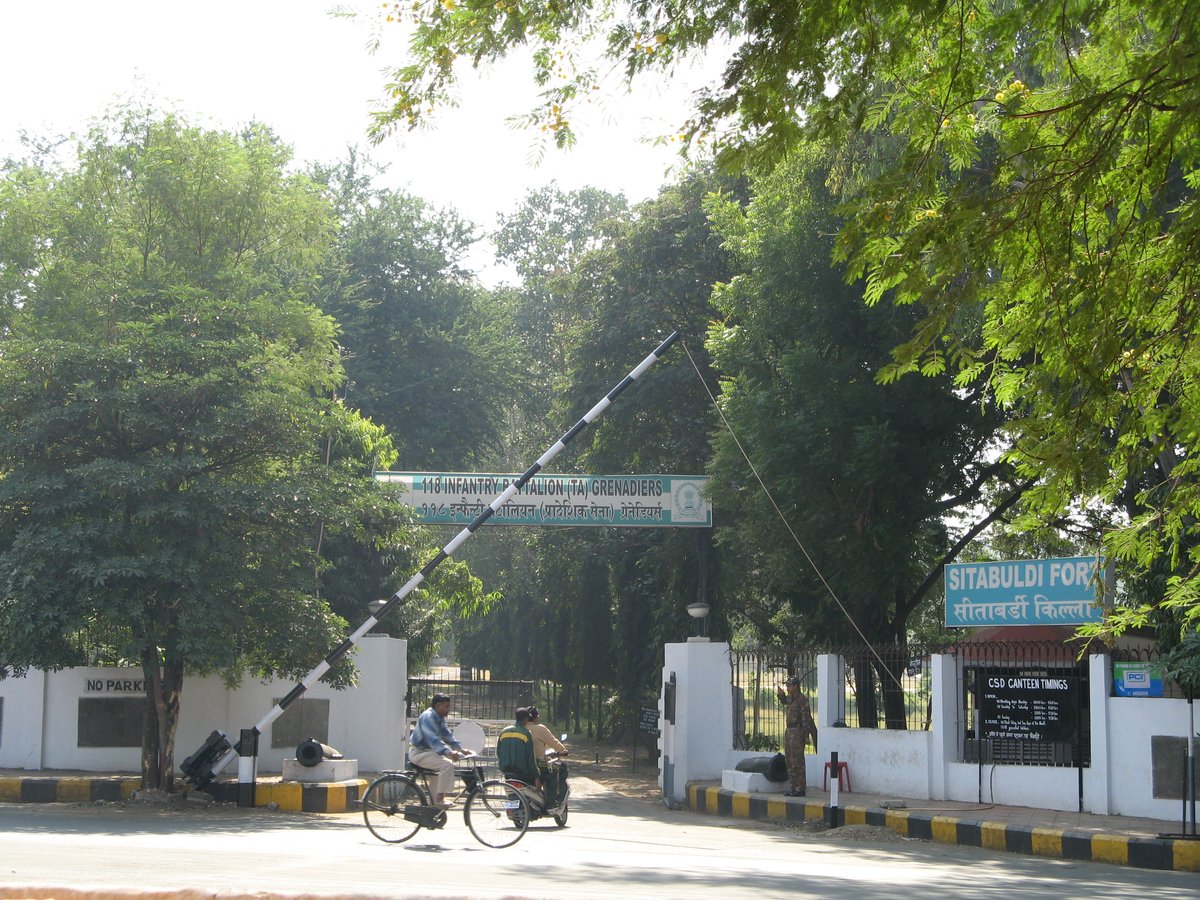
- Sitabuldi Fort Offers panoramic city views and colonial history
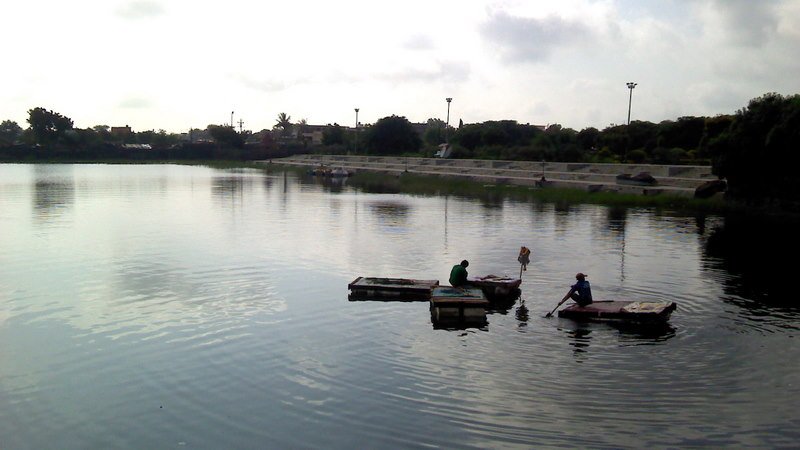
- Futala and Ambazari Lakes Picturesque spots for nature walks and relaxation
- Nagpur Central Museum Rich in regional artifacts and history
See our Nagpur Travel Guide and Top Historical Sites in Nagpur for more information.
Frequently Asked Questions (FAQs)
Q: What are the visiting hours for RTMNU?
A: 9:00 AM to 5:00 PM on weekdays.
Q: Is there an entry fee?
A: No, entry is free for general visitors.
Q: Are guided tours available?
A: Not regularly, but group tours can be arranged by contacting university authorities.
Q: Is the campus accessible for people with disabilities?
A: Most main buildings have accessible pathways; contact the university for specific assistance.
Q: Can visitors attend university events?
A: Many cultural and academic events are public. Check the official events calendar for schedules.
Q: Can visitors access the library?
A: With prior permission, especially for research purposes.
Q: Is photography allowed?
A: Permitted in open areas; indoor photography requires express permission.
Practical Tips for Visitors
- Plan Ahead Contact the visitor center or check the official website for updates on opening hours and events.
- Dress Comfortably The campus is large and best explored on foot.
- Carry an ID Required for access to certain facilities.
- Respect Campus Etiquette Be mindful of ongoing classes and events.
- Safety The campus is secure, with personnel at major entrances.