
What Kanyakumari and Nagercoil are
Kanyakumari and Nagercoil, in southern India, bring together natural scenery, spiritual heritage and historic architecture. At Kanyakumari, the Arabian Sea, the Bay of Bengal and the Indian Ocean converge. The region includes ancient temples, monuments and palaces, including the Kumari Amman Temple and Padmanabhapuram Palace (Holidify, Tourist Secrets).
History
Kanyakumari has been significant since the Sangam period and is mentioned in ancient literature and the accounts of Ptolemy and Marco Polo. The town’s name comes from the goddess Kanya Kumari, who is believed to remove rigidity from the mind. Women pray for marriage at her temple.
The Bhagavathy Amman Temple, also known as the Kumari Amman Temple, is described as a 3,000-year-old temple on the shore of the Laccadive Sea. Dedicated to Goddess Kumari Amman, a form of Devi also known as Kumari Bhagavathy Amman, it is said to be the first Durga temple created by Lord Parasurama and one of the 108 Shakthi Peethas (Wikipedia).
Local legends include the story of Kanya Kumari performing penance to marry Lord Shiva. Another tells that Hanuman dropped a piece of earth near Kanyakumari while carrying the mountain with the life-saving herb Mrita Sanjivani from the Himalayas to Lanka during the Ramayana War. The area that formed is called Marunthuvazh Malai, meaning “hills where medicine lives,” and is known for medicinal plants (Wikipedia).
What to see
Vivekananda Rock Memorial
The Vivekananda Rock Memorial stands on a small island off the coast. Built in 1970 to honor Swami Vivekananda, it marks the place where he meditated in 1892 and is believed to be where he found enlightenment. The memorial combines different architectural styles and includes the Sripada Mandapam and Vivekananda Mandapam. A ferry operates regularly from the mainland.
- Visiting hours 8:00 AM–4:00 PM
- Tickets INR 50 for adults and INR 20 for children. Another listing gives ₹50 for adults (Tourist Secrets).
Thiruvalluvar Statue
The Thiruvalluvar Statue, next to the Vivekananda Rock Memorial, is 133 feet tall. Its height represents the 133 chapters of the Tamil poet and philosopher Thiruvalluvar’s work, the Thirukkural.
- Visiting hours 9:00 AM–4:00 PM
- Ticket Free; ferry charges extra
- Tip Combine the visit with the Vivekananda Rock Memorial.
Kumari Amman Temple
The Kumari Amman Temple is a prominent place of worship dedicated to the goddess Kanyakumari and an important cultural landmark. Its history is intertwined with local legends and myths.
- Visiting hours 4:30 AM–12:30 PM and 4:00 PM–8:00 PM
- Entry Free; no entry fee (Wikipedia)
Gandhi Memorial Mandapam
The Gandhi Memorial Mandapam was built where the urn containing Mahatma Gandhi’s ashes was kept for public viewing before the ashes were immersed in the sea. Its architecture is designed to resemble central Indian Hindu temples. On Gandhi’s birthday, October 2, the first rays of the sun fall on the exact spot where the ashes were kept.
- Visiting hours 7:00 AM–7:00 PM
- Entry Free
- Tip October 2 offers the annual sunlight alignment.
Tsunami Memorial
The Tsunami Memorial, also listed as the Tsunami Monument, honors the victims of the 2004 tsunami. The memorial includes a 16-feet steel statue made by Shri B. Kanagaraj Cangan.
- Visiting hours Open daily
- Entry Free
Government Museum Kanyakumari
The Government Museum houses stone sculptures and historical artifacts that offer insights into ancient Indian history and the region’s cultural heritage.
- Listed visiting hours Daily, 9:30 AM–5:00 PM; closed on Fridays
- Tickets INR 5 for adults and INR 2 for children
Vattakottai Fort
The Vattakottai Fort, or Circular Fort, is a seaside fort about 5 kilometers from Kanyakumari. Built largely of granite blocks by the Travancore kings in the 18th century, it offers panoramic sea views. It is a protected site under the Indian Archaeological Department and has undergone significant renovation.
- Visiting hours 9:00 AM–5:00 PM
- Entry Free
- Tip It is a picnic spot; carry snacks and water.
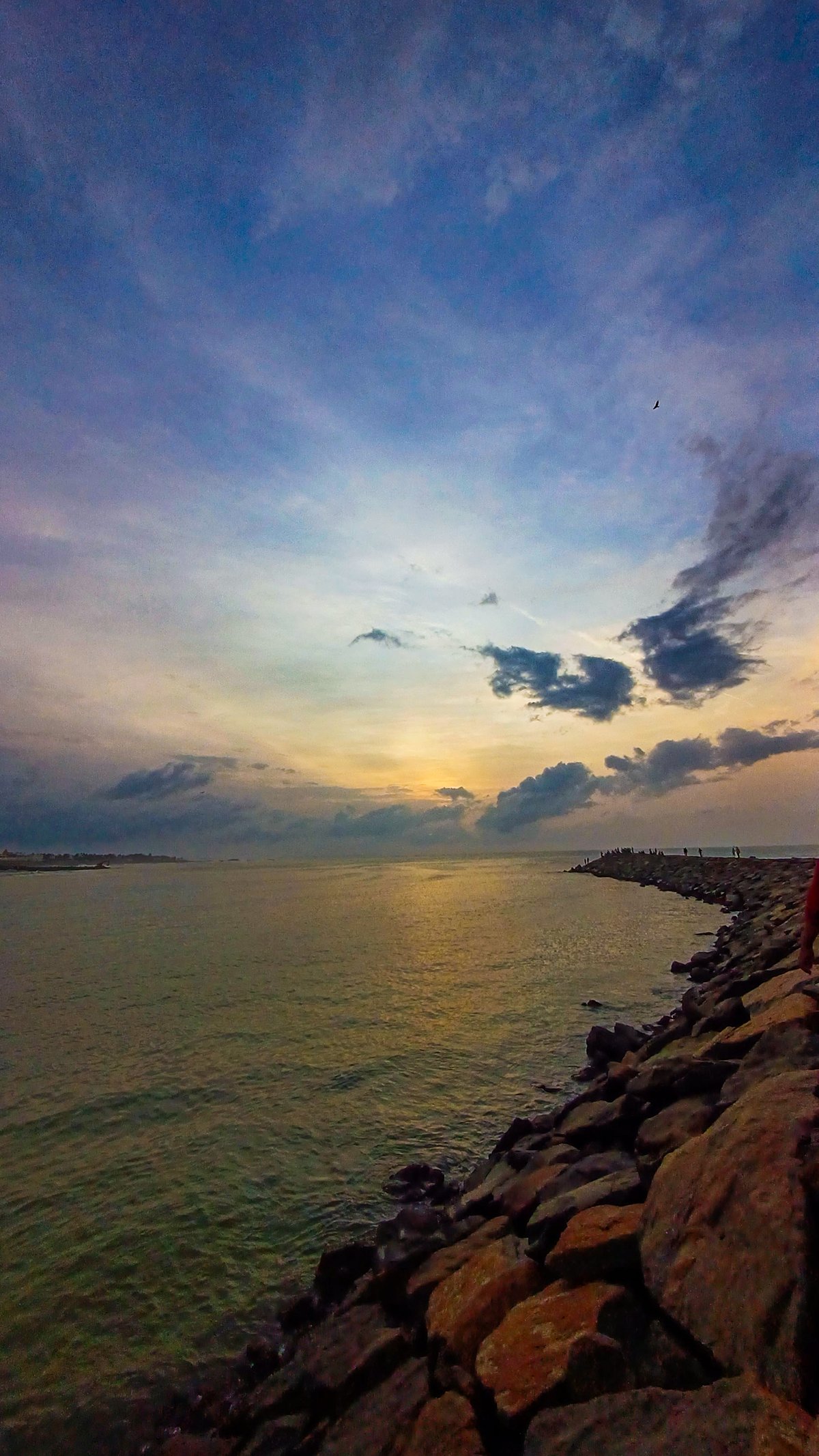
Sunset Point
Sunset Point is at the southernmost tip of India and offers views of the sun setting over the confluence of the three seas. It is described as the only place in the country where sunrise and sunset can both be viewed from the same spot.
- Visiting hours Open 24 hours
- Entry Free
- Tip Arrive early to secure a good viewing spot.
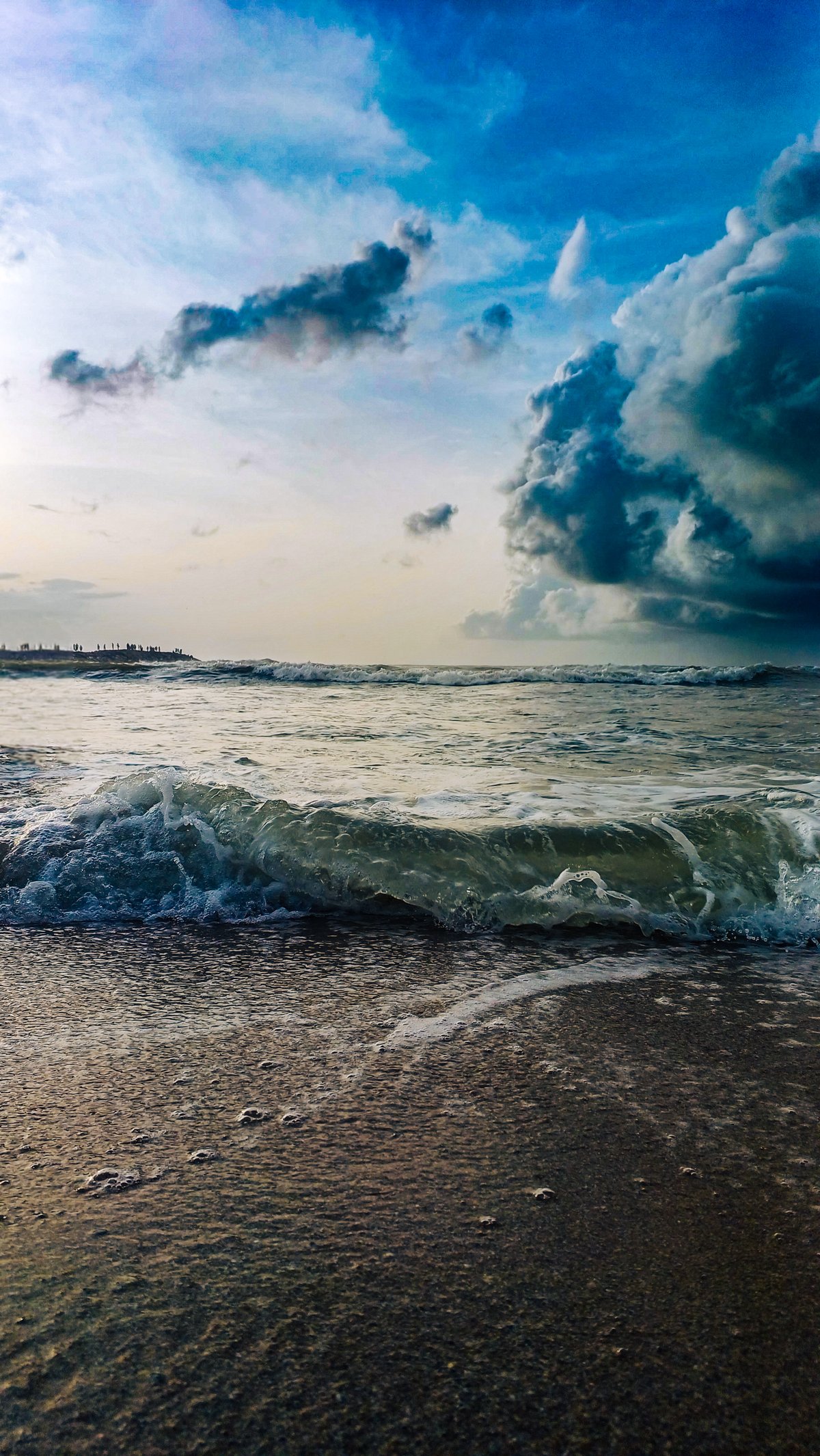
Kanyakumari Beach
Kanyakumari Beach lies where the Arabian Sea, the Bay of Bengal and the Indian Ocean meet. The water can appear turquoise blue, deep blue or sea green depending on the season and weather. Sunrise and sunset are popular times to visit.
- Visiting hours Open 24 hours
- Entry Free
- Tip The beach is suited to sunrise and sunset photography.
Arulmigu Nagaraja Temple
The Arulmigu Nagaraja Temple in Nagercoil is dedicated to Nagaraja, the serpent god and king of serpents. It is known for its serene atmosphere and intricate architecture, and is a significant religious site.
- Visiting hours 6:00 AM–12:00 PM and 4:00 PM–8:00 PM
- Entry Free
- Tip Photography is not allowed inside the temple premises.
Suchindram Temple
The Suchindram Temple in Nagercoil is known for its architecture and carvings depicting mythological stories. It is dedicated to Lord Shiva, Lord Vishnu and Lord Brahma.
- Visiting hours 4:30 AM–11:30 AM and 5:00 PM–8:30 PM
- Entry Free
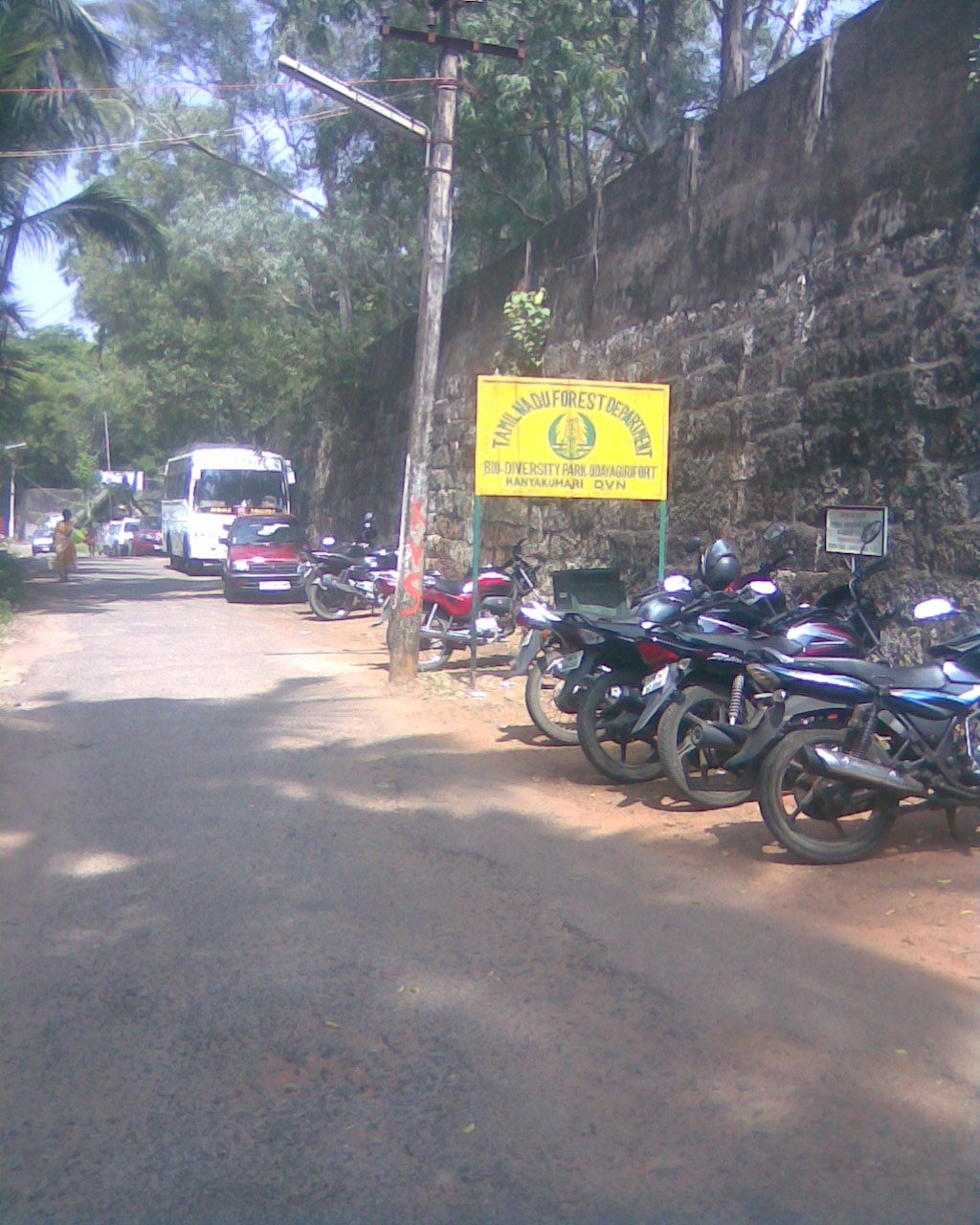
Udayagiri Fort
Built during the reign of the Travancore kings, Udayagiri Fort served as a strategic military base. Surrounded by greenery, it offers a glimpse into the region’s military history.
- Visiting hours 9:00 AM–5:00 PM
- Entry Free
Padmanabhapuram Palace
Near Nagercoil, Padmanabhapuram Palace was the capital of the Travancore rulers. The wooden palace is noted for its architecture, woodwork and antique interiors. Highlights include the King’s Council Chamber, Thai Kottaram (Mother’s Palace), the Clock Tower, courtyard and gardens.
- Listed visiting hours Daily, 9:00 AM–4:30 PM; closed on Mondays
- Tickets INR 30 for adults and INR 10 for children
Chitharal Jain Rock Cut Temple and Monuments
The Chitharal Jain Rock Cut Temple features ancient Jain sculptures and inscriptions. Its cave has rock-cut sculptures of Tirthankaras and attendant deities dating to the 9th Century AD. The Chitharal Jain Monuments and temples are dedicated to Jain Tirthankaras and offer a serene setting.
- Visiting hours 8:00 AM–6:00 PM
- Entry Free
- Tip Carry water and snacks; there are no shops nearby.
Thirparappu Falls
Thirparappu Falls, about 45 kilometers from Kanyakumari, is a man-made waterfall that cascades 50 feet into a pool. The surrounding greenery makes it a popular spot for families and nature lovers.
- Visiting hours 7:00 AM–6:00 PM
- Ticket INR 5
- Tip Carry a change of clothes if you plan to take a dip.
Sanguthurai Beach
Sanguthurai Beach, about 12 kilometers from the city center, is described as one of Kanyakumari’s calmest and cleanest beaches. It is less crowded than other tourist spots and looks out over the Indian Ocean.
- Visiting hours Open 24 hours
- Entry Free
- Tip Visit early in the morning or late in the evening.
Courtallam Falls
Courtallam Falls, about 98 kilometers from Kanyakumari, cascades from a height of 160 meters. Surrounded by lush green hills, it is known for its enormity and ferocity and is popular with nature enthusiasts and adventure seekers.
- Visiting hours 6:00 AM–8:00 PM
- Entry Free
- Tip Wear sturdy shoes because the area can be slippery.
Maruthuva Malai
Maruthuva Malai is a hill near Kanyakumari known for medicinal herbs and plants. It is associated with the legend of Hanuman carrying the Sanjeevani herb to save Lakshmana in the Ramayana. The hill is a trekking spot with panoramic views of the surrounding landscape.
- Visiting hours Open 24 hours
- Entry Free
- Tip It is suited to trekking; carry sufficient water.
Other landmarks
- Marthandam Clock Tower A prominent Nagercoil landmark and symbol of the city’s history.
Culture and local life
Kanyakumari’s festivals include the Chaitra Purnima Festival in April, with religious rituals that attract pilgrims, and the nine-day Navratri Festival, dedicated to the worship of the goddess Durga and marked by cultural programs, dances and music performances (Savaari).
Local cuisine combines Tamil and Kerala flavors. Seafood is a staple, including fish curry, prawn fry and crab masala. Coconut is used grated, as milk and as oil. Other common foods include dosa, idli and sambar; sweets and snacks include payasam and banana chips (Tourist Secrets).
Local handicrafts include seashell crafts, wooden carvings, palm leaf products and traditional jewelry, sold in local markets (Tourist Secrets).
Tamil is the primary language. Malayalam is also widely understood because of the town’s proximity to Kerala, and English is commonly spoken in tourist areas. Local people are known for their hospitality and are generally helpful to visitors (Wikipedia).
Traditional attire reflects Tamil Nadu and Kerala influences: men typically wear dhotis and shirts, while women wear sarees, often with intricate designs and vibrant colors. People wear their finest traditional clothes for festivals and special occasions (Savaari).
Carnatic music is performed at cultural events and festivals. Bharatanatyam is popular, and folk dances such as Kummi and Kolattam are performed during celebrations (Tourist Secrets). Kanyakumari also has a tradition of art and literature, including references in Sangam poetry and traditional art forms such as Tanjore painting and mural art, displayed in temples and cultural centers (Wikipedia).
The region retains traditional influences while also embracing contemporary arts, with cultural centers and galleries showcasing modern art and performances. Globalization is reflected in its cuisine, fashion and lifestyle (Tourist Secrets). Its community life places emphasis on family values and traditions. Different communities contribute to its cultural diversity, and festivals and religious ceremonies bring people together. Local governance and community organizations help preserve cultural heritage and promote social welfare (Wikipedia).
Practical visiting information
Kanyakumari is connected by road, rail and air. Trivandrum International Airport is about 90 km away, and Kanyakumari Railway Station is connected to major cities in India. Local transportation includes buses, auto-rickshaws and taxis.
The towns offer accommodation across a range of budgets, from luxury resorts and hotels to budget guesthouses and homestays. Booking in advance is advised, especially during peak tourist season. Bicycles and scooters can also be rented to explore the region (source).
Accessibility information includes both that most tourist spots are wheelchair accessible and have facilities for differently-abled visitors, and that some locations may have limited accessibility for visitors with mobility challenges. Most sites are accessible by road, with ample parking available.
Tips
- Best time to visit November to February, when the weather is pleasant.
- For Vattakottai Fort, carry snacks and water for a picnic.
- At Chitharal, carry water and snacks because there are no shops nearby.
- At Thirparappu Falls, carry a change of clothes if you plan to swim.
- At Courtallam Falls, wear sturdy shoes because the area can be slippery.
- For Maruthuva Malai, carry sufficient water.
- At Sunset Point, arrive early to secure a good viewing spot.
- Sanguthurai Beach is best visited early in the morning or late in the evening.
- Photography is not allowed inside Arulmigu Nagaraja Temple.
- Combine visits to the Vivekananda Rock Memorial and Thiruvalluvar Statue.
Nearby places
Padmanabhapuram Palace is near Nagercoil. Other attractions in the surrounding area include Chitharal Jain Monuments, about 42 kilometers from Kanyakumari; Thirparappu Falls, about 45 kilometers away; Courtallam Falls, about 98 kilometers away; Vattakottai Fort, about 5 kilometers away; and Sanguthurai Beach, about 12 kilometers from the city center.
FAQ
What are the visiting hours for the Vivekananda Rock Memorial?
It is open from 8:00 AM to 4:00 PM.
How can I reach Kanyakumari from major cities?
Kanyakumari is accessible by air via Trivandrum International Airport, by rail via Kanyakumari Railway Station and by road through well-connected highways.
What are the ticket prices for the Vivekananda Rock Memorial?
Tickets are listed at INR 50 for adults and INR 20 for children; another listing gives ₹50 for adults.
Are there special events or guided tours?
Special events and guided tours are often organized, especially during festivals and peak tourist seasons.