Historical Origins & Architectural Evolution
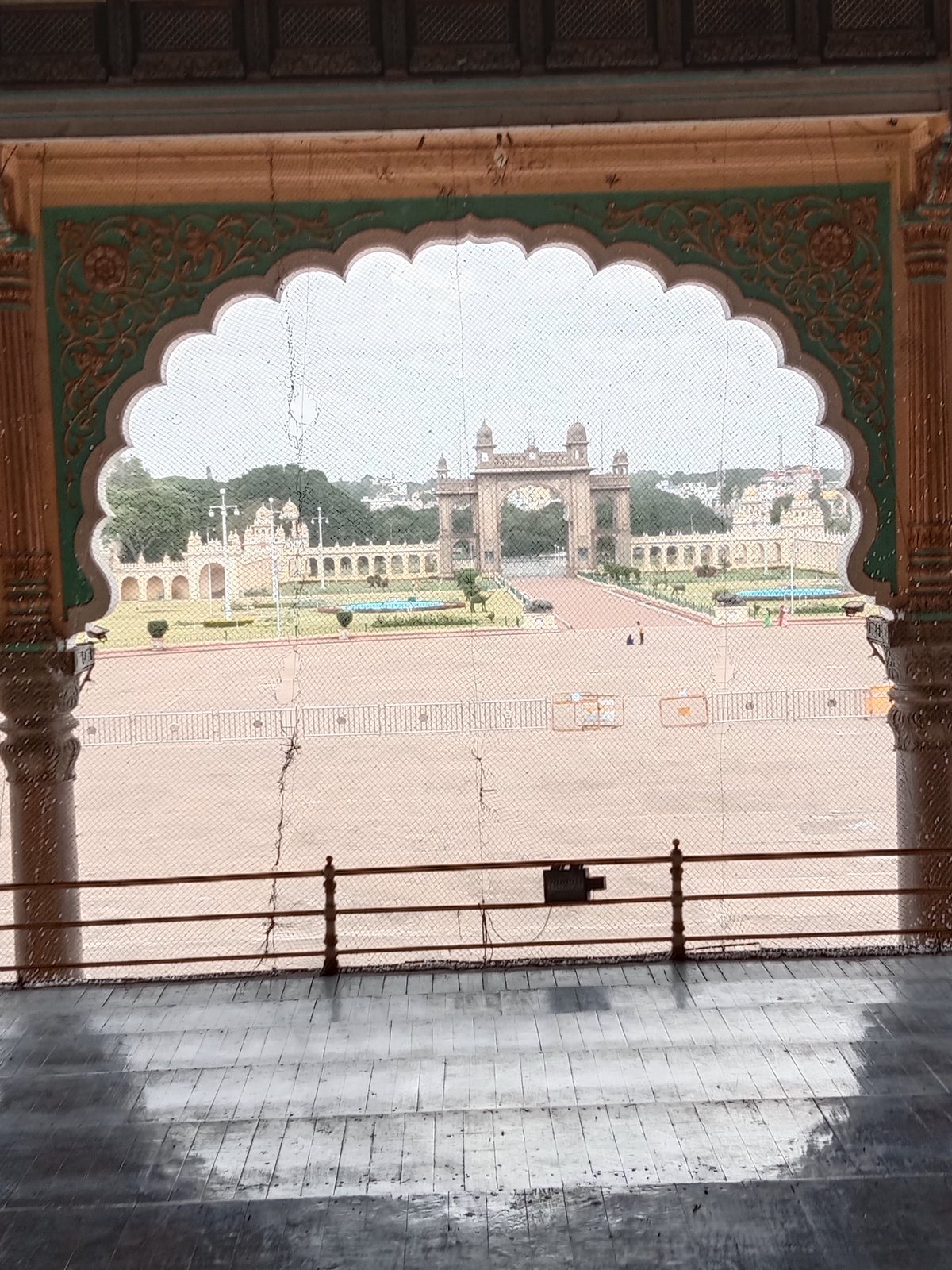
Commissioned in 1861, Jaganmohan Palace was designed as an auxiliary royal residence for the Wodeyar family. Its significance soared after the main Mysore Palace was gutted by fire in 1897, serving as the interim seat of the royal household until 1912 (praveenmusafir.com). The architecture is a harmonious blend of traditional Hindu motifs—such as the grand Dashavatara (ten incarnations of Lord Vishnu) carvings at the entrance—with Indo-Saracenic and neoclassical flourishes, including ornate balconies and a towering Darbar Hall.
The palace was expanded in the early 1900s with the addition of a royal auditorium, enhancing its functionality for state functions and public gatherings (india-a2z.com).
Jaganmohan Palace as a Royal and Political Center
Following the 1897 fire, Jaganmohan Palace became the primary residence of the Wodeyars and the administrative heart of the kingdom. Notably, it hosted the coronation of Krishnaraja Wodeyar IV in 1902, attended by Lord Curzon, and the first Mysore Legislative Council session in 1907. The palace also witnessed university convocations, underscoring its enduring role in governance and education (india-a2z.com).
Art Gallery & Museum: Treasures of Indian Art
In 1915, the palace was repurposed as an art gallery, later named Jayachamarajendra Art Gallery in 1955. This gallery is renowned for its diverse and extensive collection:
- Paintings Over 2,000 works, including masterpieces by Raja Ravi Varma, Svetoslav Roerich, and Rabindranath Tagore. Highlights include “Lady with a Lamp” by S.L. Haldenkar and rare miniature paintings on rice grains.
- Mysore and Tanjore Paintings Intricate, gold-embellished works depicting mythological and religious themes.
- Sculptures & Decorative Arts Bronze and stone idols, antique musical instruments, royal memorabilia, and a unique French musical clock featuring a parade of miniature soldiers.
- Murals The interiors showcase murals with natural vegetable dyes, illustrating the Dussehra festival and the Wodeyar lineage (cultureandheritage.org, abirpothi.com).
Visiting Hours, Ticket Information & Accessibility
Opening Hours
- Standard Timings 10:00 AM to 5:30 PM daily (some sources mention opening from 8:30 or 9:30 AM; confirm locally or via official sources).
- Note The palace is generally open all days, but some sources note closure on Wednesdays for maintenance (TourTravelWorld).
Ticket Prices
- Indian Citizens ₹20–₹40 (depending on the source and age group)
- Foreign Tourists ₹200
- Children ₹10–₹20; free below 5 years
- Photography Allowed in outdoor/public areas; flash and tripod use may be restricted in galleries.
Tickets are available at the entrance. Carry cash, as digital payment options may be limited.
Accessibility
- Location Opposite City Bus Stand, Devraj Mohalla, Deshika Road, Chamrajpura, Mysuru.
- Transport 2 km from Mysore railway station, 12 km from Mysore Airport. Easily accessible via public buses, auto-rickshaws, and taxis.
- Facilities Ground-level entry and wide pathways; some upper galleries may not be fully wheelchair accessible.
Cultural Events and Festival Highlights
Jaganmohan Palace remains a vibrant cultural hub, especially during the famed Mysore Dussehra festival (September–October). The palace auditorium hosts Carnatic music concerts, classical dance performances, and theatrical events that celebrate the region’s rich artistic traditions (abirpothi.com). Special exhibitions and educational programs are also held throughout the year.
Seasonal Tips for Travelers
Winter (Oct–Mar):
- Best weather for sightseeing (15°C–27°C), coinciding with major festivals.
- Tips Book accommodations early; arrive early at the palace to avoid crowds.
Monsoon (Jul–Sep):
- Lush scenery and fewer tourists; weather is comfortable (20°C–25°C).
- Tips Carry rain gear; focus on indoor galleries.
Summer (Apr–Jun):
- Hot but less crowded (up to 35°C); palace interiors remain cool.
- Tips Visit in the morning; wear light clothing and stay hydrated.
(MakeMyTrip, The Travelato, MysoreTourPackages)
Nearby Attractions & Travel Logistics
- Mysore Palace The city’s crown jewel, 1 km away.
- Chamundi Hill & Temple Panoramic city views and spiritual significance.
- St. Philomena’s Cathedral Neo-Gothic masterpiece.
- Devaraja Market Traditional bazaar for local crafts.
- Mysore Zoo & Brindavan Gardens Family-friendly options.
Paid parking is available. Cafés and eateries serving local cuisine are within walking distance. Accommodation ranges from budget hotels to luxury heritage stays nearby.
FAQ: Essential Visitor Questions
Q: What are Jaganmohan Palace visiting hours?
A: Usually 10:00 AM–5:30 PM daily; confirm locally for seasonal changes or maintenance closures.
Q: How much are the tickets?
A: ₹20–₹40 for Indians, ₹200 for foreigners, with discounts for children.
Q: Is the palace wheelchair accessible?
A: Ground-level is accessible; some upper floors may not be.
Q: Are guided tours available?
A: Local guides can be hired; official tours are limited but staff offer assistance.
Q: Can I take photos inside?
A: Allowed in public areas, but restricted in some galleries. No flash or tripods.
Q: When is the best time to visit?
A: October–March (winter and festival season) for the most vibrant experience.
Practical Planning & Travel Tips
- Duration Allocate 1.5–2 hours for a thorough visit.
- Dress Modest attire is recommended; comfortable shoes for walking.
- Facilities Restrooms, souvenir shop, and seating areas are available.
- Safety Security checks at entry; emergency and first-aid services on site.
- Souvenirs Purchase memorabilia at the palace exit or explore Mysore’s shopping streets.
For up-to-date ticketing and event information, consult official Mysore tourism sites and trusted travel guides, or download the Audiala app for curated tips.