Early Conception and Strategic Importance
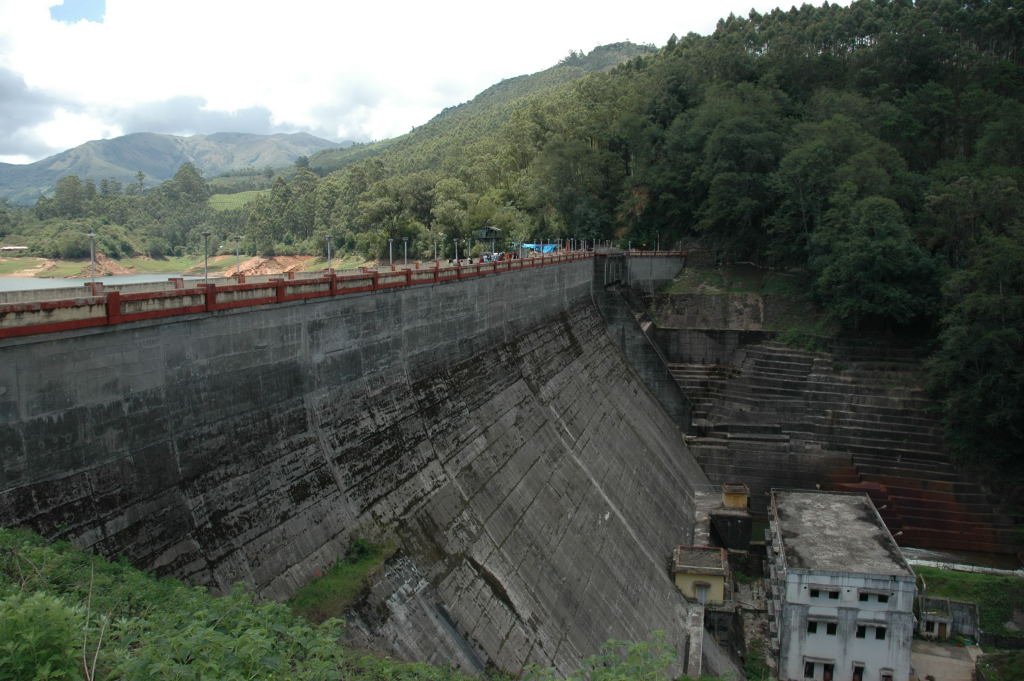
Kallarkutty Dam was conceived in the 1950s as part of Kerala’s ambitious drive to harness the hydropower of the Western Ghats. Strategically situated in the Vellathooval panchayat of Idukki, the dam’s location was chosen for its perennial water flow and proximity to growing population centers in central Kerala. The project addressed increasing demands for electricity, irrigation, and flood control, becoming a pivotal asset in Kerala’s post-independence modernization (Wikipedia; DBpedia).
Construction Timeline and Engineering
Construction began in the late 1950s, culminating with the dam’s commissioning in 1961. Kallarkutty is a concrete gravity dam—183 meters long and 43 meters high—with a reservoir surface area of 0.648 sq km and a storage capacity of 6.88 million cubic meters. The design and construction overcame significant challenges posed by the region’s steep terrain and monsoon climate (Wikipedia; Binil.org).
Hydroelectric Power and Regional Impact
The dam is central to the Neriamangalam Hydroelectric Project. Water is diverted from the Muthirapuzha River to a powerhouse equipped with turbines (originally totaling 45 MW, upgraded to 52.65 MW in 2006) (Wikipedia; DBpedia). The project supports electricity needs across several taluks and sustains agricultural irrigation for tea, cardamom, and spice plantations, which are vital to the regional economy. Controlled water releases help mitigate monsoon flooding and supply domestic water during dry seasons (OneIndia; Idukki District Official Site).
Visiting Hours, Tickets, and Facilities
- Visiting Hours Typically open from 9:00 AM to 5:00 PM daily, though schedules may vary due to maintenance or seasonal factors. Confirm with local authorities or KSEB before visiting.
- Entry Fee There is generally no entry fee; however, boating or special activities may incur a nominal charge.
- Facilities Basic amenities such as parking, benches, restrooms, and shaded areas are available. Accessibility may be limited for visitors with mobility challenges due to uneven terrain.
How to Reach Kallarkutty Dam
- By Road The dam is about 18–20 km from Munnar (approximately 30–40 minutes by car) and 25–40 km from towns like Adimali. Roads are scenic but winding.
- By Rail/Air The nearest railway station is Aluva (about 100 km away), and the closest airport is Cochin International Airport.
- Transport Options Private taxis are recommended; public transport is limited.
- Google Maps Location
Activities and Nearby Attractions
Dam Viewpoints and Nature Walks
Designated pathways and viewpoints offer panoramic vistas of the reservoir and surrounding hills—perfect for photography, especially at sunrise and sunset.
Birdwatching and Boating
The area is a haven for endemic birdlife, especially between October and February (Kerala Birding Hotspots). Boating is occasionally available during tourist seasons, subject to water levels and KSEB approval.
Picnicking and Relaxation
Shaded areas and gardens near the dam provide tranquil spots for picnics. Bring your own snacks as food stalls are limited.
Nearby Attractions
- Idukki Arch Dam A renowned engineering marvel.
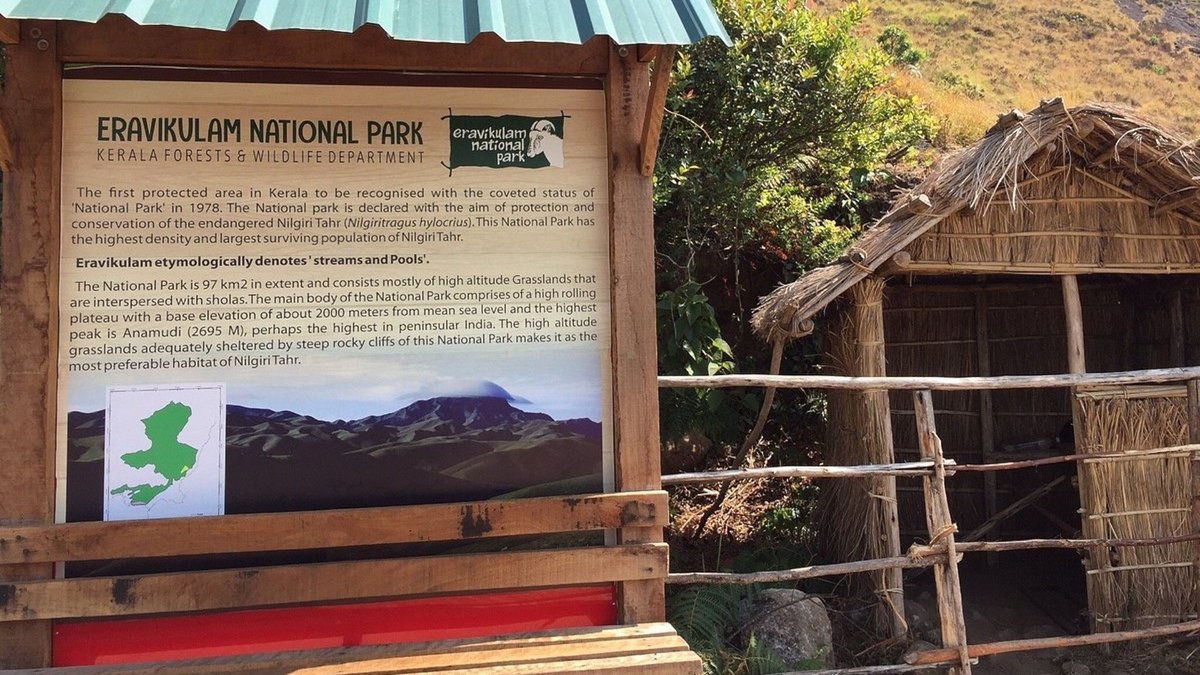
- Eravikulam National Park Known for its wildlife and rolling hills.
- Munnar Hill Station Famous for tea plantations and pleasant climate.
- Neriamangalam Waterfalls Scenic and accessible.
Environmental and Socio-Economic Context
Kallarkutty Dam is located within the ecologically sensitive Western Ghats, a UNESCO World Heritage site. Its reservoir supports local biodiversity, but has also altered natural river flows. Continued efforts are underway to balance power generation with conservation goals (Kerala Tourism). The dam’s water management supports farming communities and contributes to the socio-economic development of Idukki, providing direct and indirect employment and supporting local industries (Asia Highlights).
Safety, Accessibility, and Responsible Tourism
- Safety Restricted access to operational areas; always observe posted guidelines.
- Accessibility Terrain is moderately hilly and not fully wheelchair accessible.
- Responsible Tourism Dispose of litter properly, minimize noise, and respect local customs. Participating in community-based tourism initiatives helps support the local economy (IJSR).
Maintenance Updates and Environmental Management
Recent Repairs: In late 2024 and early 2025, urgent repairs—including sluice valve replacement and desiltation—temporarily closed the dam to visitors and affected the reservoir’s appearance (The Hindu). Siltation has reduced capacity by nearly half, prompting ongoing restoration efforts (The Hindu). Always check for maintenance-related closures before planning your visit.
Flood Risks: During monsoon, shutters may be opened to prevent overflow. Monitor local advisories and avoid riverbanks during high-release periods (Onmanorama).
Frequently Asked Questions (FAQs)
Q: What are the Kallarkutty Dam visiting hours?
A: Generally 9:00 AM to 5:00 PM. Confirm with local tourism offices before visiting.
Q: Is there an entry fee?
A: No, but boating or special activities may require a ticket.
Q: How do I reach Kallarkutty Dam from Munnar?
A: About 18 km by car; private taxis are recommended.
Q: Are there guided tours?
A: Not routinely, but local guides or Kerala Tourism may offer tours during peak seasons.
Q: Is the dam wheelchair accessible?
A: Some areas are not accessible due to uneven terrain.
Q: Are fishing and boating allowed?
A: Boating is occasionally available; fishing is generally prohibited except during regulated events.
Final Tips for a Memorable Visit
- Best Time to Visit December to February for cool, clear weather; post-monsoon months (October–November) for lush landscapes.
- Clothing Dress modestly and wear comfortable shoes.
- Essentials Carry water, snacks, and a camera. Facilities are basic.
- Combine Destinations Pair your trip with Munnar, Idukki Arch Dam, or Eravikulam National Park for a richer experience.