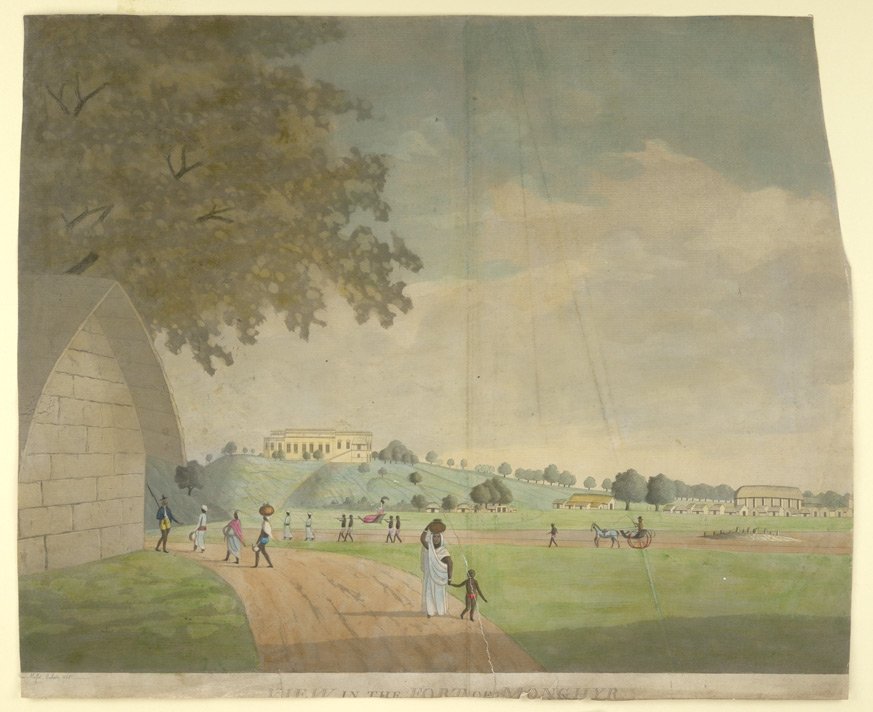
Nestled on the banks of the sacred Ganges River in Bihar, Munger stands as one of India’s most historically and spiritually rich cities. Known as the “seat of enlightenment” and the “city of yoga,” Munger is a captivating destination where ancient legacies, spiritual practices, and vibrant cultural traditions coexist. Its roots span back to the Anga Kingdom, referenced in the Mahabharata and Ramayana, and its prominence continued through the Mauryan, Mughal, Nawabi, and colonial eras. The city’s storied past is reflected in landmarks like Munger Fort, spiritual sites such as Chandika Asthan and Sita Kund, and the globally significant Bihar School of Yoga (KnowWay; Tripoto; inbihar.org).
Munger’s unique blend of history, spirituality, festivals, and natural sanctuaries makes it a rewarding destination for all kinds of travelers. This guide details the city’s top attractions, essential visitor information such as hours and tickets, and practical tips for making the most of your visit.
Ancient and Mythological Roots
Munger’s antiquity is evidenced by archaeological findings suggesting habitation since the Indus Valley Civilization (KnowWay). In the Indian epics, it was the capital of Anga Kingdom and is associated with both Jain and Buddhist traditions—Mahavira is believed to have achieved enlightenment here, and Buddha is said to have delivered discourses in the region (Tripoto). These ancient links have made Munger a significant pilgrimage site.
Medieval and Nawabi Heritage
Successive dynasties—Mauryas, Guptas, Palas, Tughlaqs, and Mughals—shaped Munger’s identity, with its strategic position on the Ganges making it a coveted military stronghold. Munger Fort, the city’s most iconic structure, was expanded by various rulers and later fortified by Nawab Mir Qasim Ali Khan, who shifted his capital here in 1762, cementing Munger’s reputation in gun manufacturing—a tradition that endures (TravelSetu; Munger District Official).
Colonial and Modern Growth
Under British rule, Munger transitioned into an administrative and military hub, serving as a sanatorium and depot for the British army (Munger District Official). The city’s fortifications were partially dismantled, but its importance as a center for arms production and trade continued. Post-independence, Munger has grown into a vibrant urban center, balancing industrial development with a strong cultural and spiritual heritage (KnowWay; Tripoto).
Heritage Tourism: Munger Fort & Key Attractions
Munger Fort
- Visiting Hours 9:00 AM – 6:00 PM daily
- Tickets Approx. INR 20 (Indians), INR 100–200 (foreigners); children under 15 often free
- Key Features Massive ramparts, Darwaza Lal (Red Gate), Shuja Mahal, Tomb of Pir Shah Nufa, panoramic river views, and Kastaharni Ghat (inbihar.org; tripxl.com)
Nearby Attractions
- Chandika Asthan Revered Shakti Peetha, focal point for Navratri (Tripoto)
- Sita Kund Hot spring linked to Sita’s legend and Chhath Puja (travelsetu.com)
- Kastaharni Ghat Sacred bathing site, especially vibrant during festivals
- Bihar School of Yoga Internationally renowned yoga center (Tripoto)
Bhimbandh Wildlife Sanctuary
- Location 56 km from Munger
- Visiting Hours 7:00 AM – 5:00 PM
- Tickets INR 50 (Indians), INR 200 (foreigners)
- Highlights Dense forests, hot springs, diverse wildlife (inbihar.org)
Cultural and Religious Significance
Munger is a tapestry of religious traditions. Major sites include:
- Sita Kund & Sita Manpatthar Associated with Sita’s Chhath puja; central to Chhath festival celebrations (wikipedia)
- Chandika Asthan Important for Navratri devotees
- Ucheswar Nath Temple Ancient Shiva temple with beautiful carvings (shrineyatra.com)
- Pir Shah Nufa Shrine Sufi heritage site within Munger Fort
- Jain and Sikh Sites Chit Bhawan Jain Temple and the Gurudwara at Piparpanti (mungeronline.in)
Festivals
- Chhath Mahaparv Most prominent, with rituals at ghats and Sita Manpatthar (wikipedia)
- Ganga Dashahara Celebrates the river’s descent; mass bathing
- Navratri, Maha Shivaratri, Urs Major events at temples and dargahs (travelsetu.com)
Yoga & Spiritual Scholarship
Munger is globally known as the “city of yoga,” home to the Bihar School of Yoga, founded in 1964 by Swami Satyananda Saraswati. The institution offers courses in traditional yoga, meditation, and holistic health, attracting international students and cementing Munger’s reputation as a modern spiritual center (travelsbliss.com).
Visiting Hours, Tickets, and Practical Guide
Key Sites and Hours
- Munger Fort 9:00 AM – 6:00 PM (some sources note 8:00 AM opening)
- Chandika Asthan & Ucheswar Nath 6:00 AM – 8:00 PM
- Sita Kund Dawn to dusk; no formal ticketing
- Bhimbandh Wildlife Sanctuary 7:00 AM – 5:00 PM
Ticket Information
- Tickets for Munger Fort: INR 20 (Indians), INR 100–200 (foreigners)
- Bhimbandh Sanctuary: INR 50 (Indians), INR 200 (foreigners)
- Most temples: Free entry, donations welcomed
Accessibility & Amenities
- Munger is accessible by rail (Jamalpur Junction), road, and via Patna airport (180–200 km away)
- Local transport: Auto-rickshaws, taxis, and cycle-rickshaws
- Accommodations: Budget and mid-range hotels, guesthouses; advance booking recommended during festivals (things.in)
Food, Shopping, and Markets
- Cuisine Try regional specialties like litti chokha, sattu paratha, and chana ghugni (saffronsight.com)
- Markets Renowned for handloom sarees, iron crafts, and local pottery
- Classical Music Dhrupad performances at local events
Accessibility, Transport, and Accommodation
- Getting There Patna Airport (200 km), Jamalpur Junction (railhead), state highways
- Local Transport Auto-rickshaws, taxis, occasional buses
- Accommodation Clean budget hotels, limited luxury options, book early during peak seasons (things.in)
Tips for Sustainable and Respectful Travel
- Dress modestly at religious sites
- Remove shoes before entering temples
- Seek permission for photography
- Support local artisans and buy authentic crafts
- Avoid littering and respect heritage structures
Frequently Asked Questions (FAQ)
Q: What are the Munger Fort visiting hours?
A: 9:00 AM – 6:00 PM daily
Q: How much is the entry ticket for Munger Fort?
A: INR 20 (Indian citizens), INR 100–200 (foreigners)
Q: Are guided tours available?
A: Yes, for an additional fee
Q: What are the best months to visit?
A: October–March, when the weather is most pleasant
Q: Can I participate in local festivals?
A: Yes, visitors are welcome—be respectful and follow local customs
Internal Links
Discover More
Munger stands as a vibrant confluence of history, spirituality, and culture—offering visitors a journey through India’s past and a glimpse of living traditions. From the imposing Munger Fort and sacred ghats to the globally recognized Bihar School of Yoga, the city promises a memorable and enriching experience. Plan your trip by checking updated visiting hours and ticket information, and immerse yourself in local festivals, markets, and cuisine.
Download the Audiala app for personalized travel guides, real-time updates, and exclusive content to enhance your Munger experience. Follow us on social media for the latest travel tips, festival calendars, and special offers.
Explore Munger—where the stories of India’s past and present unfold in harmony!