Plan and listen to Taj Mahal Palace Hotel with Audiala.
Audio guide in your pocket, itinerary in your browser. Built for the way you actually visit.
Introduction
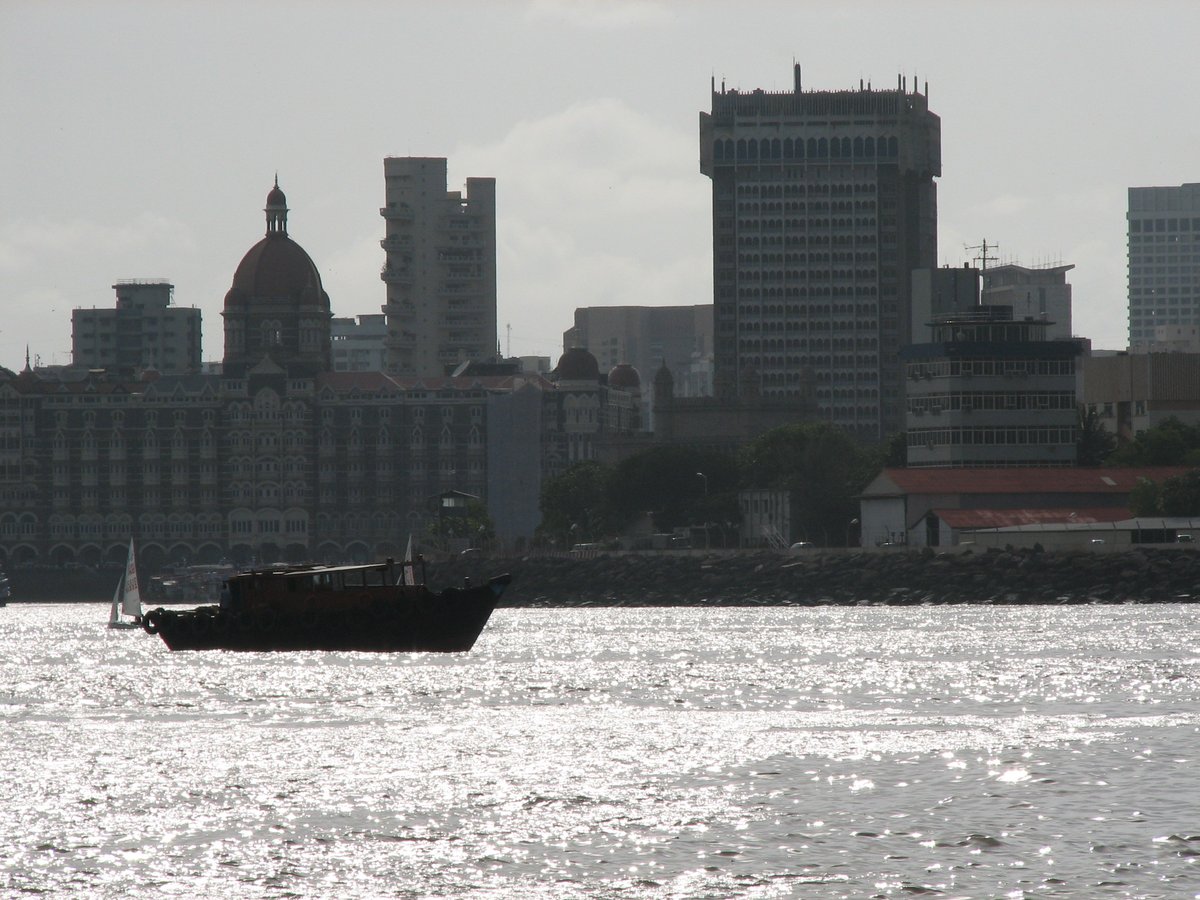
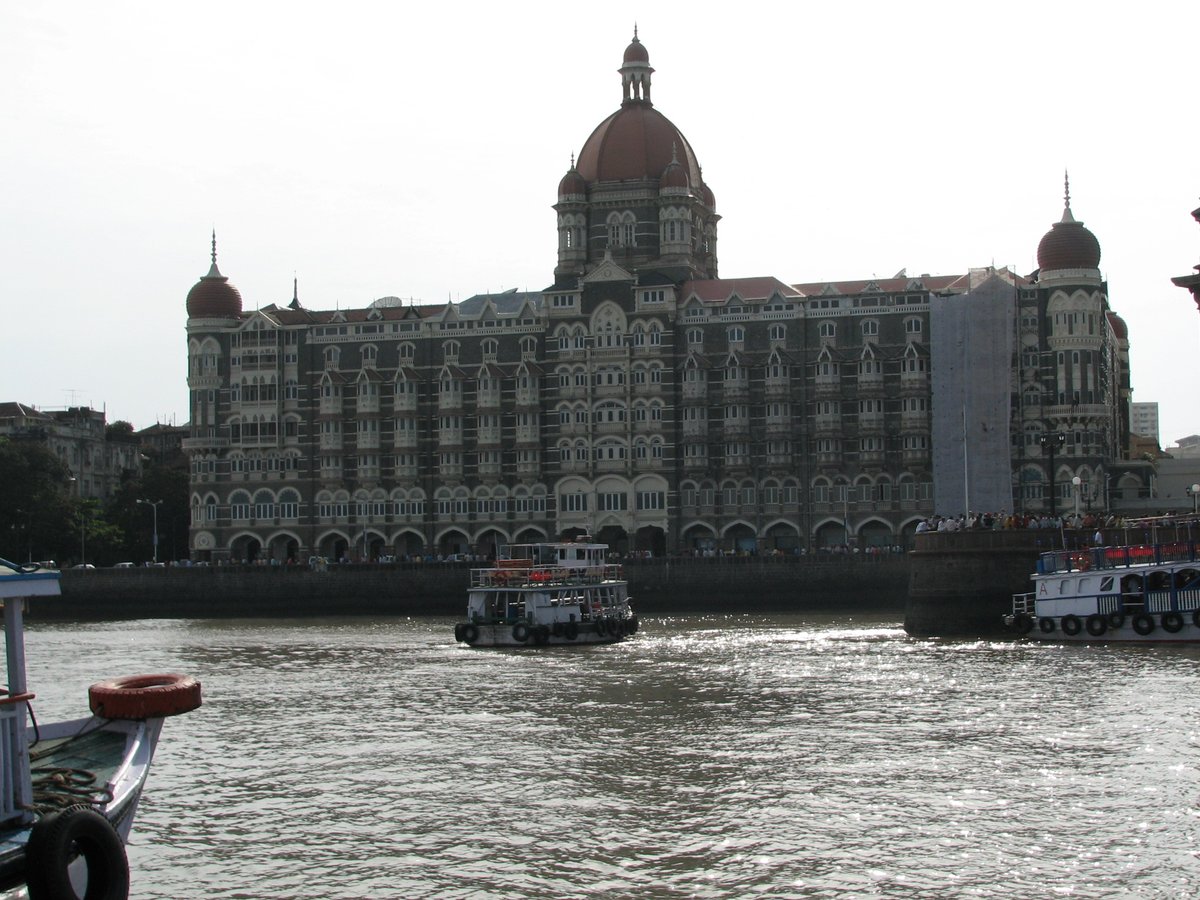
The Taj Mahal Palace Hotel in Mumbai is more than just a luxury accommodation—it's a living monument, a symbol of Indian resilience, and a jewel of architectural ingenuity. Since opening its doors in 1903, this iconic hotel has stood at the heart of Mumbai’s social, cultural, and historical landscape. Conceived by the visionary Jamsetji Nusserwanji Tata, the Taj was designed to rival the world’s best, blending Indo-Saracenic, Moorish, Renaissance, Victorian, Florentine, Oriental, and Rajput influences. Its silhouette, crowned by the signature red dome, is a defining feature of Mumbai’s skyline, standing proudly beside the Gateway of India.
This comprehensive visitor guide brings together essential information on the Taj’s history, architectural marvels, visitor access, ticketing, accessibility, and insider travel tips. Whether you’re an architecture enthusiast, a history lover, or a traveler seeking the epitome of Indian hospitality, this guide ensures you get the most from your visit to one of Mumbai’s most celebrated landmarks (Harper’s Bazaar; Taj Hotels Official; Culture & Heritage; Historic Hotels Then and Now).

Historical Background
Vision and Founding
The Taj Mahal Palace Hotel was the brainchild of Jamsetji Nusserwanji Tata, founder of the Tata Group, who sought to create an institution that would match and surpass the standards of the world’s best hotels. Construction began in 1898, with a team of Indian and British architects, and the hotel officially opened on December 16, 1903, at a cost of approximately £500,000—a testament to Tata’s commitment to excellence and innovation (Harper’s Bazaar; Culture & Heritage).
Architecture and Innovations
A fusion of Indo-Saracenic, Renaissance, Victorian, Moorish, Florentine, and Oriental styles, the Taj features a 240-foot-high central dome, Moorish arches, Victorian balconies, and intricate latticework. The hotel was India’s first with electricity, private bathrooms, a Turkish bath, lifts, and a power laundry. Its steel pillars, matching those of the Eiffel Tower, and the iconic dome became navigational aids for ships entering Mumbai Harbour (Historic Hotels Then and Now; Culture & Heritage; Harper’s Bazaar).
Social and Cultural Significance
The hotel quickly became the epicenter of Mumbai’s social life, hosting royalty, world leaders, and celebrities—from Lord Mountbatten and Bill Clinton to The Beatles and Mick Jagger. During World War I, it served as a 600-bed military hospital. It was also the site of Lord Mountbatten’s declaration of Indian independence and became a symbol of resilience during the 2008 Mumbai attacks (Outlook Traveller; Historic Hotels Then and Now).
Pioneering “Firsts”
The Taj introduced numerous firsts to India: the first licensed bar (Harbour Bar), first discotheque, first butler service, and first all-day restaurant. It also set the stage for India’s earliest jazz performances and hosted Pierre Cardin’s first Indian fashion show (Harper’s Bazaar; Outlook Traveller).
Enduring Legacy
Today, the Taj houses over 4,000 artworks and continues to be a global symbol of Mumbai’s identity, often depicted alongside the Gateway of India (Historic Hotels Then and Now; Harper’s Bazaar).
Recent Celebrations
The hotel’s 120th anniversary in December 2023 was marked by a Black-Tie Charity Ball, light and sound shows, and a fashion showcase tracing 12 decades of style, reaffirming its commitment to exceptional hospitality (Harper’s Bazaar; Outlook Traveller).
Architectural Styles and Influences
Exterior Features
- Facade & Main Entrance: The main entrance is a blend of Islamic arches, Renaissance columns, and elaborate stonework, with red domes set against white marble (enggtalks.com).
- Domes & Minarets: The central dome, modeled after Florence’s Duomo, is flanked by smaller Mughal-inspired domes, all adorned with decorative motifs (touristtotravellers.com).
- Balconies & Jharokhas: Rajasthani-inspired balconies and jharokhas offer shaded views of the Arabian Sea.
Interior Highlights
- Grand Lobby: Vaulted alabaster ceilings, onyx columns, and marble floors with intricate mosaics greet visitors, complemented by handpicked artifacts and paintings (cultureandheritage.org).
- Decorative Elements: Makrana marble (the same as the Taj Mahal), Belgian chandeliers, stained glass, and handwoven Kashmiri carpets add to the hotel’s opulence (touristtotravellers.com).
- Suites & Rooms: Themed suites—such as the Bell Tower, Maratha, Lotus, and Tata Suites—combine historic charm with modern luxury, offering sea or Gateway of India views (architecturaldigest.in).
Artistic Collections
- Art & Artifacts: Over 4,000 works including paintings, sculptures, and rare decorative objects from India and beyond (cultureandheritage.org).
- Taj Art Gallery: Open to the public, hosting exhibitions of traditional and contemporary Indian art (tajhotels.com).
- Heritage Walks: Guided tours offer behind-the-scenes insights into the Taj’s art, architecture, and history (tajhotels.com).
Notable Venues
- Banquet Halls: The Crystal Room and regal Ballroom maintain their original grandeur, while the Rooftop Rendezvous and Princes Room offer panoramic views (architecturaldigest.in).
- Restaurants & Bars: Famed venues include the Harbour Bar (Mumbai’s oldest licensed bar) and the art deco Sea Lounge (tajhotels.com).
Economic and Social Impact
- Catalyst for Growth: The Taj helped transform Apollo Bunder into a cultural and commercial hub, boosting Mumbai’s global standing.
- Employment & Skills: Through the Indian Hotels Company Limited (IHCL), the Taj supports thousands of jobs and skill development initiatives (IHCL and Ministry of Skill Development & Entrepreneurship).
- Sustainability: The hotel leads in green energy, waste management, and local artisan support, aligning with IHCL’s sustainability goals (IHCL Sustainability Initiatives).
Practical Visitor Information
Visiting Hours and Tickets
- Public Areas: Typically open from 10:00 AM to 8:00 PM. Check the official website for updates.
- Heritage Walks & Art Gallery: Generally open from 9:00 AM to 6:00 PM. Advance booking for heritage walks is recommended.
- Entry Fees: Public areas are free; guided tours and special exhibitions may require tickets.
Booking Tours
Book heritage walks, dining experiences, or guided art tours through the official website or authorized agents.
Accessibility
The hotel is fully accessible with ramps, elevators, and dedicated assistance for visitors with disabilities.
Nearby Attractions
- Gateway of India: Adjacent to the hotel.
- Colaba Causeway: Vibrant shopping and dining.
- Chhatrapati Shivaji Maharaj Vastu Sangrahalaya: Renowned museum.
Travel Tips
- Best Time: October to March for pleasant weather.
- Dress Code: Smart casuals for dining and events.
- Photography: Allowed in public spaces—check for any restrictions in private areas.
Frequently Asked Questions (FAQs)
Q: What are the visiting hours for the Taj Mahal Palace Hotel?
A: Public areas are typically open from 10:00 AM to 8:00 PM. Heritage walks and art galleries usually operate from 9:00 AM to 6:00 PM. Always check the official website for the latest updates.
Q: Is there an entry fee to visit the hotel?
A: Public areas are free. Guided tours and special events may require advance ticketing.
Q: Are guided tours available?
A: Yes, heritage walks and art tours are available with prior booking.
Q: Is the hotel accessible for people with disabilities?
A: Yes, the hotel is fully accessible.
Q: Can I take photographs inside?
A: Photography is permitted in public spaces, with some restrictions in private or event areas.
Listen to the full story in the app
The whole Taj Mahal Palace Hotel,
told well.
Audio guides for 1,100+ cities across 96 countries. History, stories, and local insight — offline ready.
Verified, and shown.
Researched and written by the Audiala editorial team from historical records, architectural archives, and local expertise.
Researched from Wikidata, Wikipedia & official sources · fact-checked · How we make our guides →