Plan and listen to Mumbai Television Tower with Audiala.
Audio guide in your pocket, itinerary in your browser. Built for the way you actually visit.
Introduction
The Mumbai Television Tower, popularly known as the Worli Doordarshan Tower, is an enduring symbol of Mumbai’s broadcasting legacy and urban transformation. Rising 300 meters (984 feet) above the Worli district, it remains one of the tallest man-made structures in the city, serving as a crucial broadcasting hub for Doordarshan, India’s national broadcaster (Skyscraper Center). Completed in 1972, the tower’s striking red-and-white latticework design has made it a notable landmark visible from various vantage points across Mumbai.
Though the tower is not open to the public due to security and operational restrictions, its prominence in the cityscape draws architecture enthusiasts, photographers, and culture seekers who admire it from surrounding areas. This guide provides comprehensive information on the tower’s historical and cultural significance, nearby attractions, best viewing spots, and essential travel tips for visitors eager to experience Mumbai’s unique blend of tradition and modernity.

Historical Background and Architectural Significance
Construction and Purpose
Constructed between 1972 and 1974, the Mumbai Television Tower was established to facilitate citywide and regional television transmission as part of Doordarshan’s nationwide rollout (Doordarshan Official Website). Its open steel lattice structure, painted in alternating red and white bands for aviation safety, was engineered to withstand Mumbai’s strong coastal winds and monsoon weather.
Engineering Features
Designed using advanced slip-forming techniques for its concrete core and robust steel for the upper structure, the tower’s architecture optimizes both stability and signal transmission. Its open framework allows high winds to pass through, reducing resistance and supporting large arrays of broadcasting equipment.
Cultural Impact
The tower played a pivotal role in ushering in the television era in Mumbai, connecting millions of households to news, entertainment, and educational programming. Its illuminated silhouette is frequently featured in films and media, serving as a visual shorthand for Mumbai’s identity as India’s media and entertainment capital (Wikipedia; Times of India).
Visitor Information
Is the Mumbai Television Tower Open to Visitors?
No, the Mumbai Television Tower is not open to the public. There are no guided tours, ticketing options, or visitor centers. Access is strictly restricted to authorized personnel due to operational and security considerations.
Best Viewing and Photography Locations
Although direct entry is prohibited, several public spots offer excellent views for photography and sightseeing:
- Worli Sea Face: A scenic promenade with unobstructed views of the tower, especially dramatic at sunrise and sunset.
- Bandra-Worli Sea Link: Provides striking perspectives of the tower and the city’s evolving skyline.
- Kamala Nehru Park & Malabar Hill: Elevated locations ideal for panoramic shots.
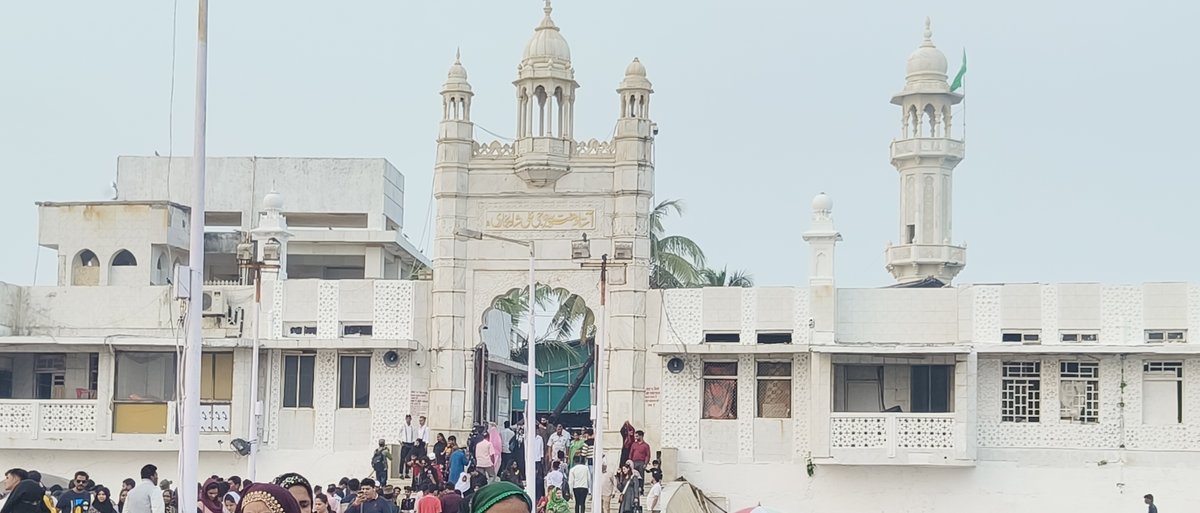
- Haji Ali Dargah Vicinity: Offers broad skyline vistas including the tower, best during golden hour.
- Rooftop Cafés and Hotels (Worli, Lower Parel): Some high-rise venues offer unique vantage points for capturing the tower in context.
Accessibility and Transport
- Location: Sir Pochkhanwala Road, Worli, Mumbai, Maharashtra 400018
- By Train: Nearest stations are Mahalaxmi and Lower Parel.
- By Bus/Taxi: Multiple city bus routes and taxis serve the Worli area.
- Walking: The area is pedestrian-friendly, with many attractions within a 15–20 minute walk.
More information on getting around Mumbai can be found at Mumbai Tourism Official Site and Mumbai Travel Blog.
Nearby Attractions
Since the tower itself is not accessible, visitors can enrich their experience by exploring these nearby sites:
- Worli Fort: A 17th-century fortification with sea views; open daily, free entry.
- Nehru Science Centre: Interactive science museum, open Tuesday–Sunday, 10 AM–6 PM; tickets available onsite.
- Haji Ali Dargah: Iconic mosque and tomb on a tidal islet; open daily, free entry.
- Mahalaxmi Temple: Renowned Hindu temple; open daily, generally from early morning until late evening.
- High Street Phoenix & Palladium Mall: Shopping, dining, and entertainment complexes.
- Palais Royale & World One: Notable skyscrapers representing Mumbai’s modern skyline (Academia.edu).
Practical and Cultural Tips
- Dress modestly at religious and historical sites.
- English, Hindi, and Marathi are widely spoken.
- Best time to visit Mumbai: November to February for pleasant weather.
- Photography: Early morning or late afternoon offers the best lighting; monsoon months (June–September) feature dramatic skies but plan accordingly (Monsoon Travel Tips).
The Mumbai Television Tower in Urban Context
Urban Landmark
Situated in the rapidly evolving Worli district, the tower is surrounded by a blend of old and new—historic forts, modern skyscrapers, cultural institutions, and vibrant neighborhoods (Trek Zone). Its prominence has influenced urban planning and is often used as a reference point for navigation and cityscape photography.
Symbol of Connectivity
As the main transmission point for Doordarshan, the tower has played an essential role in shaping Mumbai’s pluralistic culture and fostering a sense of shared identity through public broadcasting (Edunovations). It remains an emblem of the city’s growth, resilience, and aspirations.
Visual Culture and Media Presence
The tower’s silhouette is instantly recognizable in films, television, and news broadcasts, symbolizing Mumbai’s status as a cosmopolitan metropolis (Lonely Planet). Its visibility from diverse neighborhoods makes it a unifying landmark across the city’s varied social and economic landscape.
Frequently Asked Questions (FAQs)
Q: Can I go inside the Mumbai Television Tower?
A: No, the tower is not open to the public due to security and operational restrictions.
Q: Are there any tickets or guided tours for the tower?
A: No tickets or guided tours are available.
Q: Where are the best places to view or photograph the tower?
A: Recommended spots include Worli Sea Face, Bandra-Worli Sea Link, Kamala Nehru Park, Malabar Hill, and rooftop venues in Worli and Lower Parel.
Q: How accessible is the area for tourists?
A: The Worli district is well-connected by public transport. Most nearby attractions offer accessibility options—check individual sites for details.
Q: What other attractions can I visit nearby?
A: Worli Fort, Haji Ali Dargah, Nehru Science Centre, Mahalaxmi Temple, and shopping malls like High Street Phoenix.
Essential Information Summary
- Name: Mumbai Television Tower (Worli Doordarshan Tower)
- Location: Sir Pochkhanwala Road, Worli, Mumbai
- Height: 300 meters (984 feet)
- Built: 1972
- Operator: Doordarshan (Prasar Bharati)
- Public Access: Not permitted; external viewing only
- Nearby Transport: Mahalaxmi and Lower Parel railway stations; city bus and taxi access
- Best Viewing Times: Early morning or late afternoon for optimal photography
Listen to the full story in the app
The whole Mumbai Television Tower,
told well.
Audio guides for 1,100+ cities across 96 countries. History, stories, and local insight — offline ready.
Verified, and shown.
Researched and written by the Audiala editorial team from historical records, architectural archives, and local expertise.
Researched from Wikidata, Wikipedia & official sources · fact-checked · How we make our guides →