Origins and Evolution
The Mandapeshwar Caves were excavated between the 5th and 6th centuries CE, making them among Mumbai's oldest rock-cut structures (Native Planet; Indianetzone). Initially serving as Buddhist viharas, the caves were later converted into a Shaivite Hindu temple complex. Their name, "Mandapeshwar," meaning "Hall of the Lord," references the central pillared hall typical of both Buddhist and Hindu cave architecture.
Over time, the site also underwent significant transformations: during Portuguese rule, a church was constructed above the caves, and the interiors were used as a Christian chapel (Indianetzone). This unique religious layering is rare among Mumbai’s cave sites.
Artistic and Architectural Features
The principal cave boasts a spacious mandapa (pillared hall), a garbhagriha (sanctum), and subsidiary shrines. Notable sculptures include Shiva as Nataraja, Sadashiva, Ardhanarishvara, Ganesha, Brahma, and Vishnu (Trodly). High-relief panels, such as the depiction of Shiva and Parvati’s wedding, add to the artistic richness.
The caves once featured painted murals, possibly by Persian artists, but these have mostly disappeared due to time, neglect, and past conversions (jatland.com; frontierindia.com). Architectural elements such as cisterns and water channels highlight advanced engineering for rainwater collection (mumbai7.com).
Syncretic Heritage
Mandapeshwar is remarkable for its syncretism, having served as a sacred space for Buddhists, Hindus, and later Christians (Deccan Herald; Mumbai Live). Today, remnants of the Portuguese-era church and crosses remain alongside Hindu shrines.
Visiting Mandapeshwar Caves: Essential Information
Location
- Address Mount Poinsur, Borivali West, Mumbai, Maharashtra
- Closest Railheads Borivali and Kandivali stations (Western Railway line)
- Access A short auto-rickshaw or bus ride from the stations; limited parking is available (TheTopTours).
Visiting Hours
- Open Daily 7:00 AM to 6:00 PM (typically sunrise to sunset; hours may vary slightly due to local events or maintenance)
- Best Time October to March (cooler, drier months); early mornings and weekdays offer a quieter experience
Entry Fee
- Free Entry No tickets are required for Indian or foreign visitors.
Accessibility
- Terrain Uneven stone floors and steps; assistance recommended for visitors with limited mobility.
- Facilities Basic amenities only; limited restrooms and refreshment stalls nearby. Bring water and sun protection.
Layout and Highlights
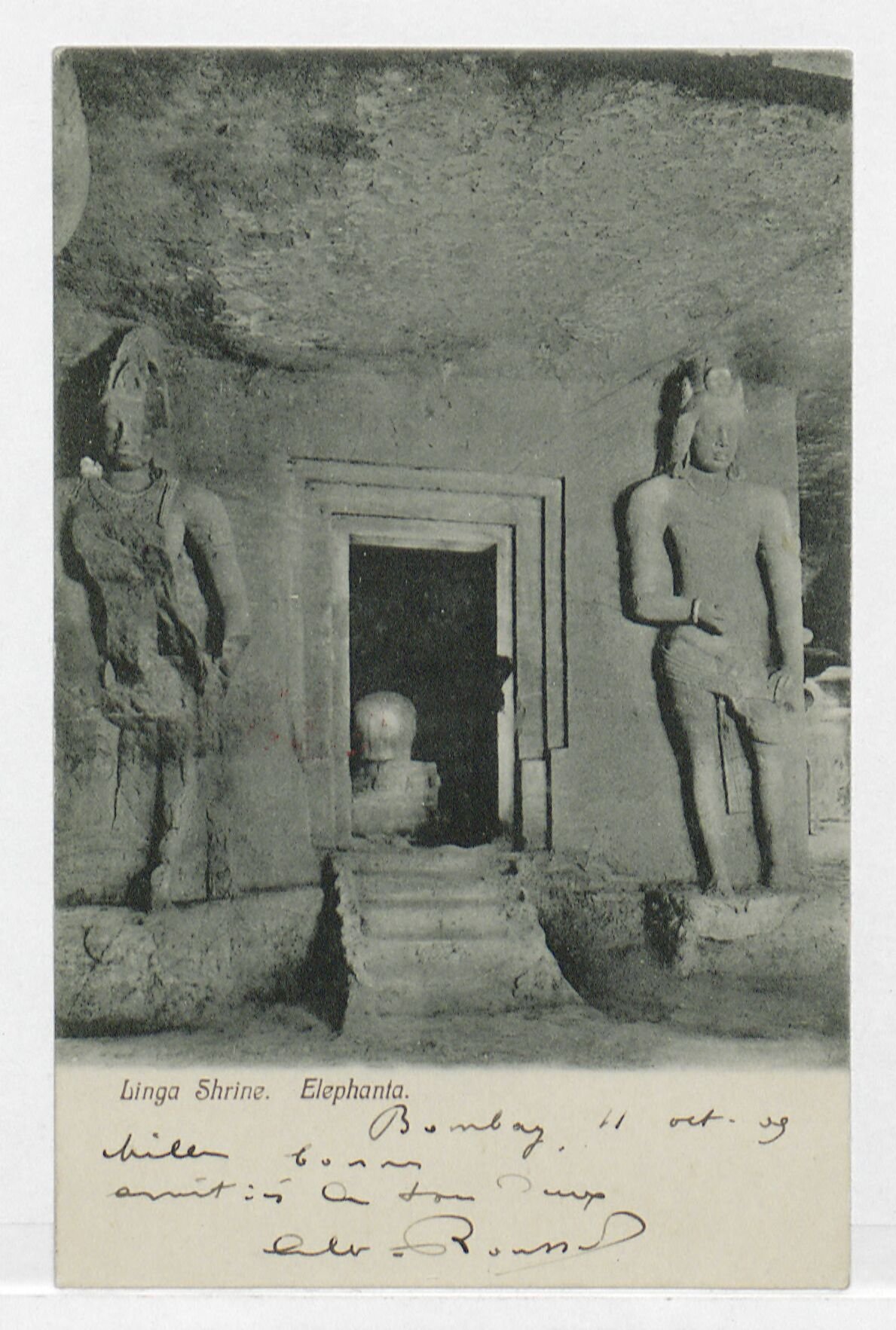
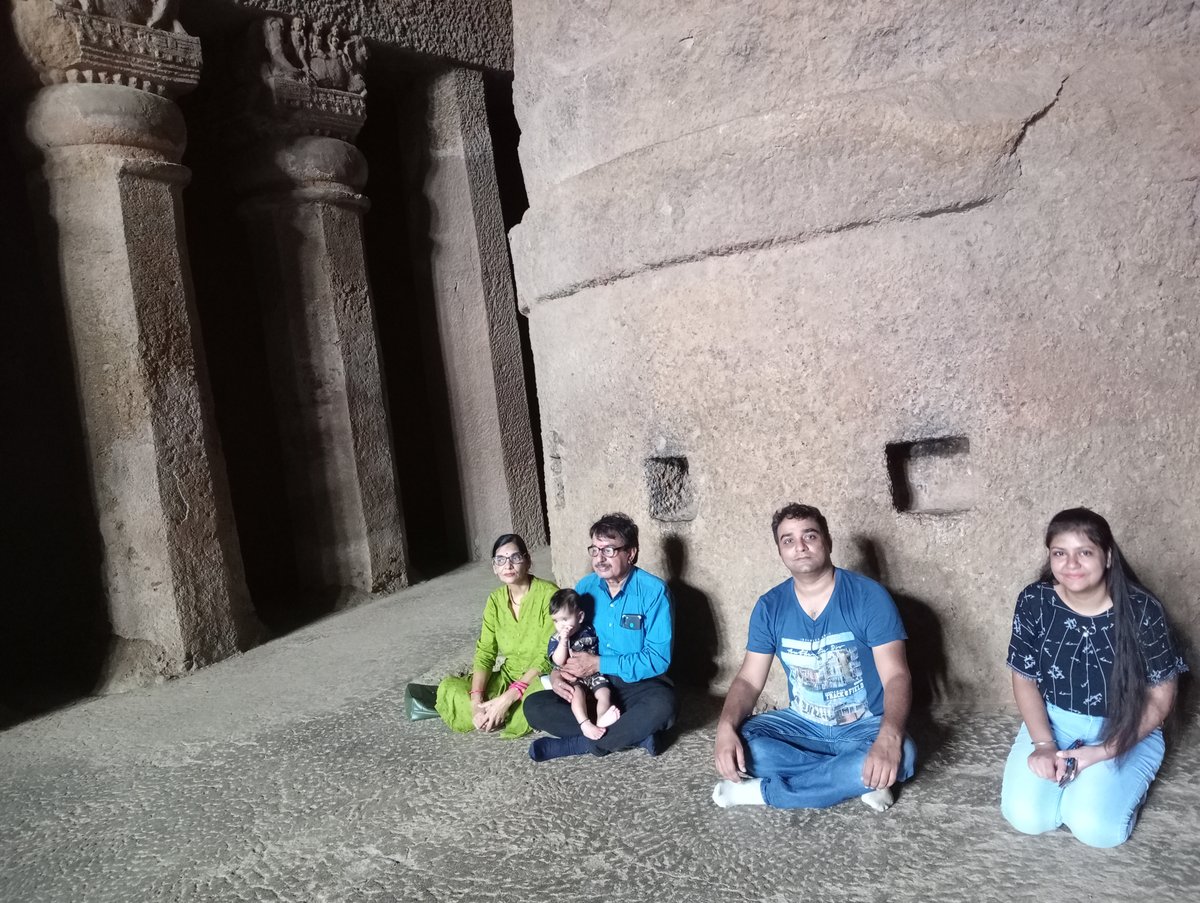
- Main Cave Spacious mandapa with square pillars; garbhagriha houses a Shiva linga.
- Sculptures Iconic carvings of Nataraja, Ardhanarishvara, and the wedding of Shiva and Parvati.
- Christian Heritage Ancient crosses and remnants of the Portuguese church above the caves.
- Water Management Rock-cut cisterns and channels for rainwater collection.
Visitor Experience
A visit typically lasts 1–2 hours. The caves’ tranquil setting and historical layers offer a contemplative retreat from Mumbai’s urban bustle. Early morning or late afternoon visits provide the best natural light for photography.
Practical Tips
- Footwear Wear comfortable shoes; floors can be slippery during the monsoon.
- Attire Modest clothing is recommended due to the site’s religious significance.
- Photography Allowed for personal use; avoid flash and tripods unless permitted.
- Guided Tours Local guides are available for a deeper understanding of the caves’ history and art.
- Respect Do not touch or deface carvings; maintain silence in sanctum areas.
Nearby Attractions
- Kanheri Caves Located in Sanjay Gandhi National Park, another ancient rock-cut complex.
- Elephanta Caves UNESCO World Heritage Site, accessible by ferry from Gateway of India.
- I.C. Colony and Immaculate Conception Church Historic Christian neighborhood with a serene church.
- Beaches Aksha, Dana Pani, and Marve beaches are nearby for relaxation.
Cultural and Contemporary Significance
The Mandapeshwar Caves symbolize Mumbai’s pluralistic ethos. They are valued for their artistic synthesis, educational importance, and ongoing religious relevance—especially during festivals like Maha Shivaratri. Conservation efforts by the ASI ensure that these monuments remain protected for future generations (Medium; IZI Travel).
Frequently Asked Questions
Q: What are the Mandapeshwar Caves visiting hours?
A: Open daily 7:00 AM–6:00 PM (sunrise to sunset).
Q: Is there an entry fee or ticket required?
A: No, entry is free for all visitors.
Q: Are the caves wheelchair accessible?
A: Accessibility is limited due to uneven terrain and steps.
Q: Is photography allowed?
A: Yes, but avoid flash and tripods.
Q: Are guided tours available?
A: Yes, local guides are often available on-site.
Q: What is the best time to visit?
A: October to March, preferably early morning or late afternoon.
Maps and Visuals
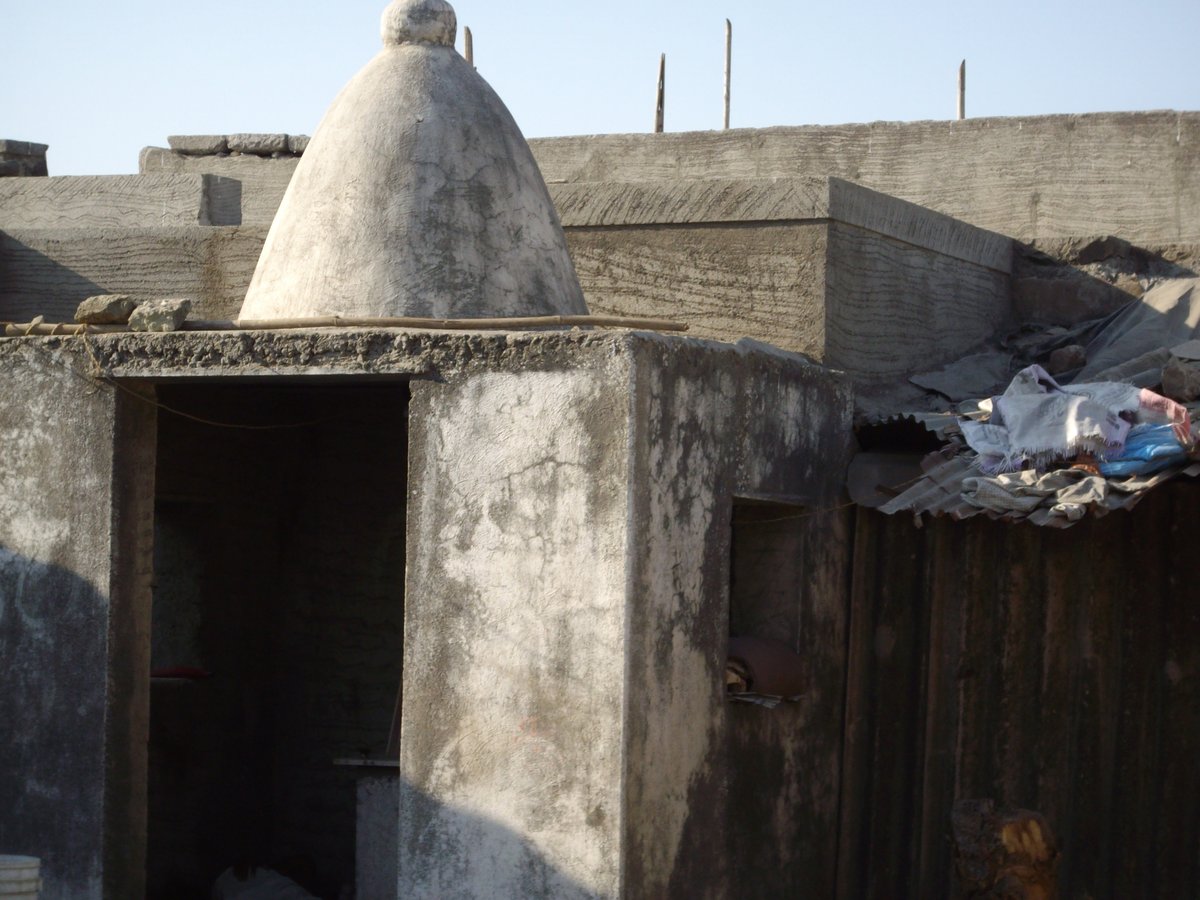
- Mandapeshwar Caves Exterior
- Shivling inside Mandapeshwar Caves
For virtual tours and interactive maps, refer to the official Mumbai tourism website or the ASI portal.
Explore More Mumbai Historical Sites
- Elephanta Caves Guide
- Kanheri Caves in Sanjay Gandhi National Park
- Top Mumbai Heritage Walks