An introduction.
Researched by the Audiala editorial team from historical records, architectural archives, and local expertise.
HHumboldt penguins waddle through a temperature-controlled enclosure while 160-year-old baobab trees stretch overhead — this is Veermata Jijabhai Bhosale Zoo & Botanical Garden in Mumbai, India, a place where the colonial ambitions of Victorian-era botanists collide with one of Asia's densest cities. Locals still call it Rani Baug, the Queen's Garden, though the queen it honors now is Jijabai, mother of the Maratha warrior-king Shivaji, not Victoria.
Spread across roughly 50 acres in Byculla East — about the size of 28 football pitches crammed into a neighbourhood where every square metre fights for itself — the garden holds over 3,000 trees representing more than 800 species. Some of these specimens predate the Indian independence movement. The air here smells different from the rest of Mumbai: loamy, green, faintly sweet from frangipani blossoms that drop onto paths worn smooth by a century and a half of footsteps.
The zoo and garden occupy the same grounds but arrived decades apart, and that split personality still defines the experience. One moment you're reading a brass plaque about a cannon ball tree planted in the 1870s; the next you're watching a Bengal tiger pace behind glass. A 75-foot Italian-style clock tower stands near the entrance, silent since its mechanism stopped, keeping no time at all — which feels oddly appropriate for a place that exists as a pocket of slowness in a city that never pauses.
Entry costs ₹50 for Indian adults, ₹25 for children, and ₹300–400 for foreign visitors. The gates open at 9 AM and close at 6 PM, with last entry at 5 PM. Skip Wednesdays — the entire complex shuts for maintenance. Byculla railway station sits roughly 600 metres away, close enough that the walk itself becomes part of the visit, threading through streets that shift from market chaos to garden quiet in a few hundred steps.
01 What to see.
The Botanical Garden and Its Biological Curiosities
The garden came first — 1861, three decades before anyone thought to add animals. That priority still shows. Over 4,000 trees spread across roughly 50 acres, which is about the size of 38 football pitches, and the canopy is so dense that stepping through the gate from Byculla's traffic feels like someone turned the volume dial down by half. The temperature drops. The light goes soft and dappled. You're standing in what Mumbaikars have called the city's lungs for over 160 years.
Seek out three trees in particular. The Baobab (Adansonia digitata), with a trunk wider than a compact car, looks like something planted upside down. The Ficus benghalensis variety krishnae — nicknamed Krishna's butter cup — grows leaves curled into actual cup shapes, a genetic quirk so rare that the tree can only be propagated from cuttings, never from seed. And most visitors walk straight past the Heritiera littoralis, a Sundari tree with silver-backed leaves and a tangled root system like frozen lightning. It's the only specimen of its kind in Maharashtra. No sign announces this. You have to know to look.
Dr. Bhau Daji Lad Museum
Mumbai's oldest museum opened inside the garden compound in 1872, and its Palladian facade — white stone columns, dark cast-iron railings, ornate cornices — still looks like it was designed to argue with the tropical greenery surrounding it. The argument is beautiful. Inside, the collection maps Mumbai's industrial and cultural history through maps, clay models of the city's old neighborhoods, and decorative arts that tell you more about 19th-century Bombay than most history books manage.
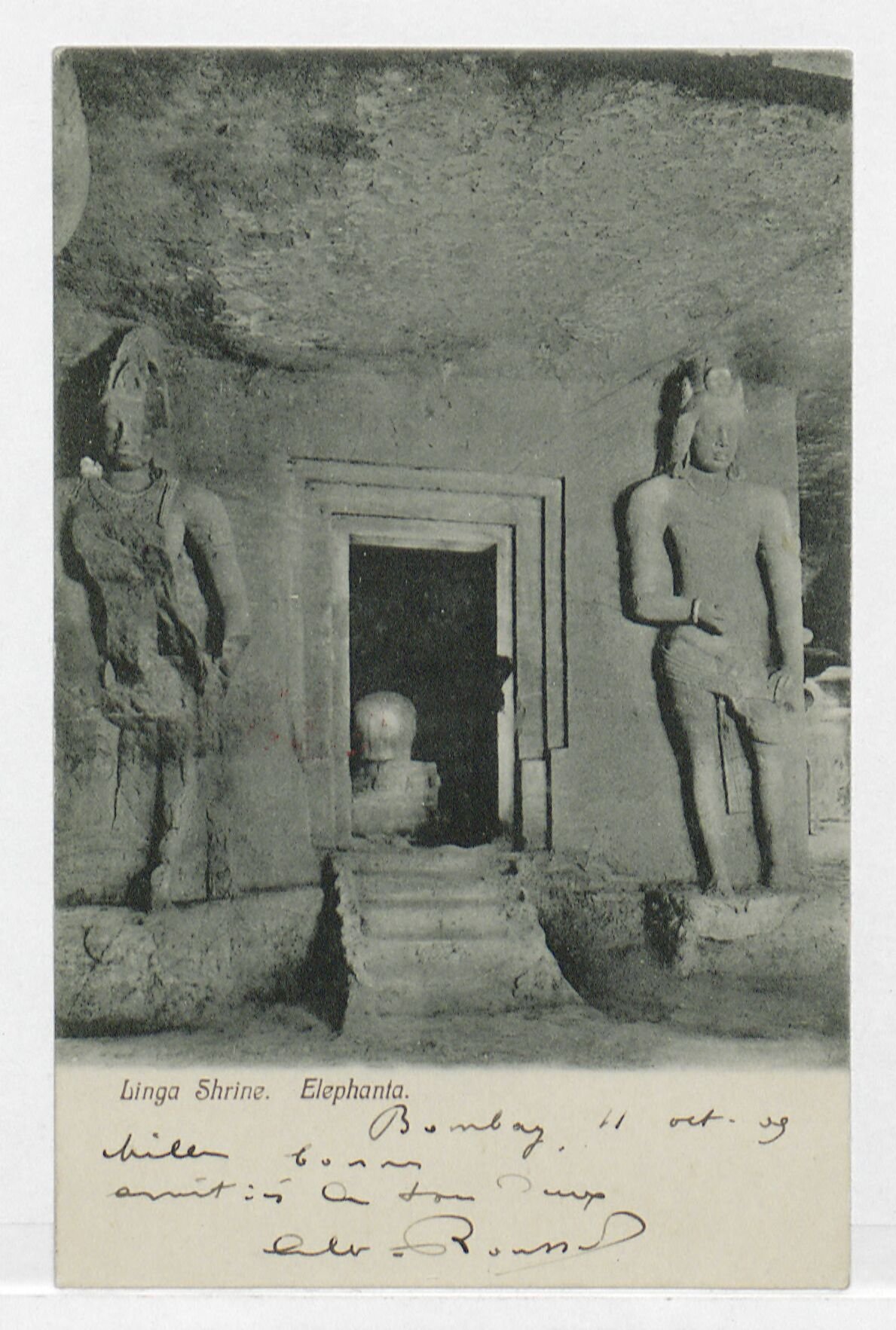
Before you go in, stop at the stone elephant near the entrance. Workers originally removed it from the Elephanta Caves, and in 1864 it shattered while being loaded onto a ship bound for Britain. Sir George Birdwood, the museum's curator, painstakingly reassembled it. If you look closely — really closely — the fracture lines are still visible, running across the elephant's flanks like healed scars. The statue stayed. The British didn't get it. That feels like the right ending.
A Walk Through Time: Clock Tower to Penguin Enclosure
Start at the David Sassoon Clock Tower, a 75-foot Italian-style column — roughly as tall as a seven-story building — that workers originally erected outside the garden gates in 1865. In 1926, a team dismantled it brick by brick and rebuilt it inside the compound, where it stands today, handsome and permanently stopped. From there, follow the radial pathways that fan outward in a Renaissance-style plan designed to pull crowds apart rather than funnel them together. The symmetry is best appreciated at the path junctions, where the garden's geometry clicks into focus like a kaleidoscope settling.
End at the Humboldt penguin enclosure, added in 2017 and climate-controlled to keep its residents comfortable in a city where the air itself sweats for four months a year. The contrast is the point: Victorian clock tower to temperature-regulated penguin habitat, 160 years of the garden reinventing itself without losing its nerve. Visit on a weekday morning if you can. The zoo closes every Wednesday for maintenance, and weekends draw crowds thick enough to obscure the pathways entirely.
02 In pictures.


Plan and listen to Jijamata Udyaan with Audiala.
Audio guide in your pocket, itinerary in your browser. Built for the way you actually visit.
03 Visitor logistics.
The practical scaffolding for a good visit — kept short.
Getting There
Byculla Railway Station on the Central Line sits roughly 600 meters away — a flat, 10-minute walk south along Dr. Babasaheb Ambedkar Road. BEST buses stop near the Lalbaug Flyover entrance, and app-based cabs drop you right at the gate on LJ Road in Byculla East. Parking exists on-site but is limited; the train is the smarter bet.
Opening Hours
As of 2025, gates open at 9:00 AM and close at 6:00 PM, with last entry at 5:00 PM. The zoo shuts every Wednesday for maintenance — no exceptions, no matter how politely you ask. This applies year-round.
Time Needed
A focused loop through the animal enclosures and penguin habitat takes about 2 hours. To properly wander the botanical sections, linger under the Baobab trees, and visit the Dr. Bhau Daji Lad Museum inside the compound, budget 3 to 4 hours.
Tickets
As of 2025, adult entry is ₹50 (under a dollar), children aged 3–12 pay ₹25, and a family-of-four package runs ₹100. Foreign tourists pay ₹300–₹400. Book online at the official MCGM portal to skip the manual queue — there's no separate fast-track pass, but digital tickets move faster.
Accessibility
The park sprawls across roughly 50 acres but the terrain is mostly flat with paved paths, making it wheelchair-navigable. No significant steps block the main animal enclosure route. The botanical sections have some uneven ground under older tree canopies, but nothing impassable.
04 Tips for visitors.
Small things that change the day.
Prioritize the Trees
Guidebooks sell this as a zoo, but locals come for the 3,000-plus trees and 800 species — including African Baobabs wider than a car and Cannon Ball trees you won't find in any city park. The botanical garden is the real attraction; the animals are a bonus.
Don't Skip the Museum
The Dr. Bhau Daji Lad Museum sits inside the same compound and houses Mumbai's oldest collection of cultural artifacts in gorgeous Renaissance Revival halls. Ignoring it is the single biggest mistake visitors make here.
No Outside Food
Security frisks bags at the entrance and confiscates outside food and drinks. A small canteen operates inside, but options are basic — eat before you arrive or plan lunch after at nearby Byculla restaurants.
Eat in Byculla After
Persian Darbar, a short rickshaw ride away, serves Mughlai biryani that justifies the trip to this neighborhood on its own (mid-range, expect ₹400–600 per head). For budget street food, the vada pav and grilled sandwich vendors clustered around Byculla Station are the real deal.
Visit October to March
Mumbai's humidity between April and September turns a garden walk into a steam bath. Come between October and March for bearable temperatures, and aim for a weekday morning — weekend crowds can triple your time at every enclosure.
Ignore Unofficial Guides
Self-appointed "tour guides" sometimes approach visitors near the entrance offering special access or insider tours. They have no official affiliation. The park is well-signed and easy to explore independently.
Where to Eat
Don't Leave Without Trying
Lion Heart Lounge
local favoriteOrder: Their cocktails and premium spirits selection. Come for an evening drink after exploring the zoo—the location is unbeatable and the crowd is genuinely local.
Literally steps from the zoo entrance, this is where locals unwind after a day out. With over 1,100 reviews, it's the most trusted spot in the immediate area for drinks and evening socializing.
The Museum Cafe
quick biteOrder: Light snacks, coffee, and tea. Perfect for a quick break before or after your zoo visit without the tourist markup.
A genuine neighborhood cafe that caters to locals, not tour groups. Extended hours (opens at 9 AM) make it ideal for an early breakfast before heading into the zoo.
Avenue 27 Kitchen and Bar
local favoriteOrder: Bar snacks and casual fare. With 423 reviews and a solid 4.4 rating, this is the crowd-tested spot for a relaxed meal or drinks.
A well-established local haunt with real customer loyalty—423 reviews don't lie. Late-night hours (until 1 AM) make it perfect if you want dinner after a full day at the zoo.
Cafe Maharaj
quick biteOrder: Cafe staples—chai, snacks, and light meals. A small, authentic neighborhood spot where you'll see more locals than tourists.
This is the real Byculla—a modest, no-frills cafe where the regulars know the owner. Perfect for a genuine local experience and an affordable lunch or coffee break.
Dining Tips
- check When visiting street food stalls (especially for Pani Puri), choose vendors who use filtered water to maintain hygiene.
- check The Byculla area surrounding the zoo is dense with authentic local street food vendors catering to the daily workforce—not tourist traps.
- check Most recommended spots are within a 5–15 minute radius of the zoo; for upscale fine dining, head toward Lower Parel or CST/Fort areas.
- check Cash is widely accepted in the Byculla area; many small cafes and local eateries may not have card payment options.
Restaurant data powered by Google
05 A Garden That Changed Its Name and Kept Its Roots
The story of Rani Baug is really two stories braided together: one about plants, another about power. In 1835, the British administration granted land in Sewri to the Agri-Horticultural Society of Western India, but that site didn't last. By 1861, workers broke ground on a new botanical garden at the Mount Estate in Byculla, and Lady Frere formally opened the gates on November 19, 1862. The zoo wouldn't arrive for another three decades.
What happened between those dates — and in the century that followed — is a record of who gets to decide what a public garden means. Colonial administrators saw a showcase for imperial science. Mumbaikars saw shade, space, a place to breathe. And in 1969, the Indian government saw something else entirely: a name that needed changing.
Five Women, 433 Crores, and the Trees That Almost Fell
In 2007, Mumbai's Municipal Corporation proposed a ₹433-crore modernization plan for Rani Baug. The blueprints called for commercial infrastructure that would have replaced the garden's original radial axial layout — and felled heritage trees older than the city's railway network. Hutokshi Rustomfram, a lead trustee of the Save Rani Bagh Botanical Garden Committee, saw the plan for what it was: a conversion of low-cost public green space into something that served developers more than families.
Rustomfram and four other women mounted a legal challenge that reached the Bombay High Court. What was at stake for her personally was not money or fame — she had neither to gain — but the principle that a 150-year-old garden belonged to the city's residents, not its contractors. The turning point came when the court recognized the garden's heritage value, effectively blocking the most destructive elements of the plan.
The trees survived. But the victory remains incomplete. Rustomfram's committee continues to argue that the BMC treats the site as a zoo first and a botanical garden second, prioritizing animal enclosures over the living collection of rare trees that makes the place irreplaceable.
The Colonial Garden (1861–1890)
Reclamation and Renaming (1947–1969)
Modern Tensions (2007–Present)
Listen to the full story in the app
The whole Jijamata Udyaan,
told well.
Audio guides for 1,100+ cities across 96 countries. History, stories, and local insight — offline ready.

06 Frequently asked.
The questions travellers send us most about Jijamata Udyaan.
Is Veermata Jijabai Bhosale Zoo worth visiting?
Yes, but go for the botanical garden and heritage architecture more than the animals. The zoo houses Humboldt penguins, tigers, and leopards, yet the real draw is 60 acres of century-old trees—over 3,000 of them—a Victorian clock tower, and the Dr. Bhau Daji Lad Museum, Mumbai's oldest. Think of it less as a zoo and more as a living time capsule of the city, with animal enclosures attached.
How long do you need at Veermata Jijabai Bhosale Zoo Mumbai?
Plan for 3 to 4 hours if you want to see the botanical sections, the zoo, and the museum properly. A quick loop through just the animal enclosures takes about 2 hours. The 60-acre site is roughly the size of 30 football pitches, so comfortable shoes matter more than you'd expect.
How do I get to Byculla Zoo from Mumbai city centre?
Take the Central Line to Byculla Railway Station; the zoo entrance is about a 10-minute walk (600 meters) from there. BEST public buses and app-based cabs also reach the site easily—it sits near the Lalbaug Flyover in Byculla East. Parking exists on-site but is limited, so the train is the smarter bet.
What is the best time to visit Byculla Zoo?
October through March offers the most comfortable weather and the most active animals. Arrive right at 9:00 AM on a weekday to avoid crowds—weekends draw heavy family traffic. During monsoon season (June to September), the garden turns intensely green and atmospheric, but humidity is punishing and paths can get slippery.
Is Byculla Zoo closed on Wednesday?
Yes, the zoo and garden close every Wednesday for maintenance—no exceptions. On all other days, gates open at 9:00 AM and close at 6:00 PM, with last entry at 5:00 PM.
What is the ticket price for Veermata Jijabai Bhosale Zoo?
Adult entry costs ₹50, children aged 3 to 12 pay ₹25, and a family of four gets in for ₹100—making it one of the cheapest outings in Mumbai. Foreign tourists pay ₹300 to ₹400. Children under 3 enter free, and senior citizens with valid ID often receive free entry as well. You can book online through the official Mumbai Zoo portal to skip the manual queue.
What should I not miss at Veermata Jijabai Bhosale Zoo?
Don't skip the Krishna Fig tree (Ficus benghalensis variety krishnae)—its leaves curl into cup shapes, a botanical anomaly that can't be grown from seed. The stone elephant near the museum entrance still shows fracture lines from when British officials dropped it while trying to ship it to England in 1864. And the Dr. Bhau Daji Lad Museum, right inside the compound, is a world-class heritage museum that most zoo visitors walk straight past.
Can you bring food inside Byculla Zoo?
No, outside food is not allowed and bags are checked at the entrance. A small canteen operates inside the grounds for snacks and drinks. Carry a water bottle—the site covers 60 acres and Mumbai's heat is no joke, especially between April and June.
Verified, and shown.
Researched and written by the Audiala editorial team from historical records, architectural archives, and local expertise.
Confirmed 1861 founding date, ticket prices, botanical species count, and practical visitor information.
Historical timeline including 1861 founding, Dr. Bhau Daji Lad Museum establishment in 1872, and weekly closure details.
Details on the David Sassoon Clock Tower (1865, moved 1926), the stone elephant anecdote, and the Kala Ghoda statue relocation.
Extensive coverage of the Save Rani Bagh movement, the Krishna Fig tree, the Sundari tree, radial axial garden design, and heritage preservation battles.
Timeline of the Agri-Horticultural Society land grant (1835), formal opening (1862), zoo extension (1890), and Kala Ghoda statue history.
Official 1969 renaming confirmation and zoo management details.
Current ticket prices for adults, children, families, and foreign tourists.
Official operating hours, online booking availability, and plastic-free zone policy.
Accessibility information including flat terrain and wheelchair-friendly paths.
Visitor experience details including bag-checking policy, food restrictions, and local cultural context.
Confirmed 1861 founding date in Marathi-language historical records.
Researched from Wikidata, Wikipedia & official sources · fact-checked · How we make our guides →