

Ancient and Prehistoric Roots
Archaeological discoveries at Khangkhui and Machi caves reveal Manipur’s habitation since the Old Stone Age, evidenced by bone tools and pebble choppers dating back to 30,000 BCE (Travel World Planet). These sites underscore Manipur’s status as one of Northeast India’s earliest settled regions and lay the foundation for its enduring cultural heritage.
The Meitei Kingdom and Early State Formation
Recorded history in Manipur centers on the Meitei people, who established a powerful kingdom in Imphal Valley. Kangla Fort emerged as the royal and cultural heart as early as the 1st century BCE (Special Places of India). The Cheitharol Kumbaba chronicles document succession and the evolution of Meitei society and governance.
Kangla Fort: Visiting Hours and Tickets
- Hours 9:00 AM to 5:00 PM daily
- Tickets Approx. INR 20 (Indians), INR 100 (Foreigners)
- Accessibility Good, with guided tours available; best visited October–March for comfort
Colonial Encounters and the Anglo-Manipur War
In the 19th century, British colonial expansion led to the Anglo-Manipur War of 1891, resulting in the annexation of Manipur. Sites like the Khongjom War Memorial commemorate the defenders’ valor and mark a turning point in regional identity (Special Places of India).
Post-Independence and Modern Developments
Manipur merged with the Indian Union in 1949 and achieved statehood in 1972. Imphal developed into a modern urban center, yet traditional practices and festivals remain central to life (Adotrip).
Ethnic Diversity and Social Fabric
Manipur is home to Meitei, Naga, Kuki, and Pangal communities, each with distinct customs, attire, and languages (JETIR). This diversity finds expression in festivals, crafts, and daily life.
Religion and Spirituality
Manipur’s spiritual life blends Sanamahism (indigenous beliefs) with Hinduism, particularly Vaishnavism, which brought new rituals and temple architecture. The Shri Govindajee Temple exemplifies this fusion (Adotrip; Thrillophilia).
Shri Govindajee Temple: Visiting Hours and Tickets
- Hours 8:00 AM–12:00 PM, 3:00 PM–6:00 PM
- Entry Free (donations welcome); photography restricted
- Accessibility Wheelchair accessible; vibrant during festivals
Performing Arts and Cultural Expression
Manipur’s classical dance (Manipuri, Ras Lila) and theatrical forms (Nata Sankirtana, Pung Cholom, Shumang Khumei) are vital for cultural identity, storytelling, and social cohesion (Adotrip; JETIR).
Festivals: Living Traditions
Major festivals include:
- Yaoshang Spring festival with music, dance, and sports
- Lai Haraoba Ritual dance honoring deities (Adotrip)
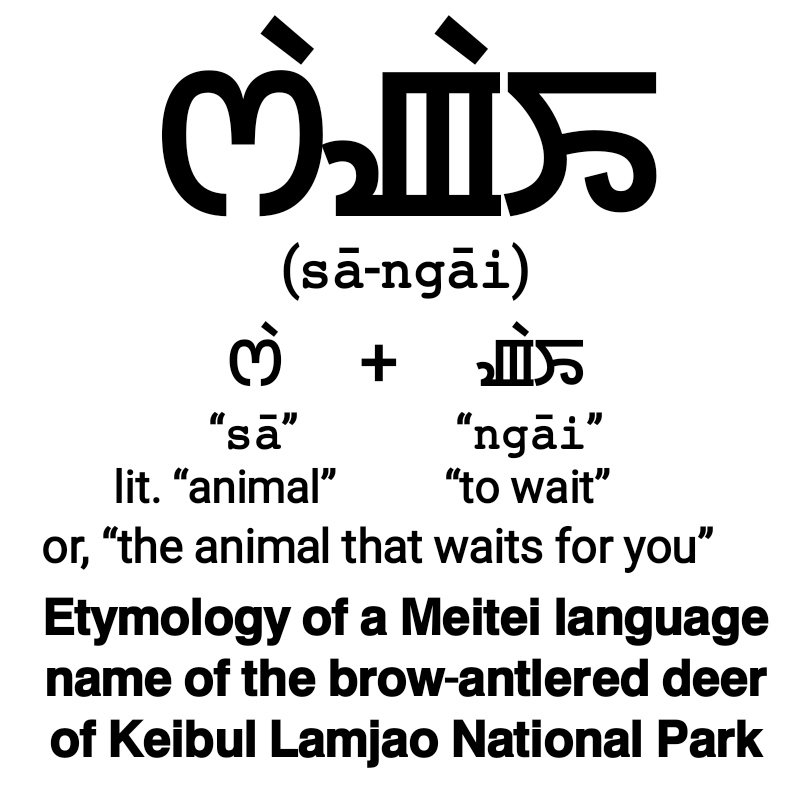
- Sangai Festival November showcase of traditions and the Sangai deer (Adotrip)
- Ningol Chakouba Celebrates sibling bonds (Hinduvism)
Heritage Sites and Monuments
Key sites include:
- Kangla Fort Ancient seat of Meitei rulers (Manipur Tourism)
- Khongjom War Memorial Honors the Anglo-Manipur War (Special Places of India)
- Khangkhui and Tharon Caves Prehistoric archaeological sites (Tour My India)
- Shri Govindajee Temple Vaishnavite architectural marvel (Thrillophilia)
- Andro Cultural Complex Tribal art and artifacts (Special Places of India)
Visiting Information for Other Sites
- Khongjom War Memorial 9:00 AM–6:00 PM, free entry
- Khangkhui & Tharon Caves 8:00 AM–4:00 PM; guided tours advised
- Andro Cultural Complex 10:00 AM–5:00 PM, nominal fee
(Check local updates for changes in timings.)
Handicrafts and Artistic Heritage
Manipur is famed for bamboo and cane crafts, pottery, jewelry, and handloom textiles (JETIR). The Mutua Bahadur Museum in Andro offers insights into tribal artistry (Thrillophilia).
Language, Literature, and Oral Traditions
Meitei (Manipuri) is the official language, anchoring a robust tradition of oral literature, folk songs, and ancient manuscripts (Adotrip).
Contemporary Culture
Despite modernization, Manipur’s festivals, crafts, and performance arts are celebrated nationally and internationally, sustaining pride and cultural evolution (JETIR).
Travel Tips and Nearby Attractions
- Best time October–March
- Transport Taxis and auto-rickshaws are common; vehicle rentals recommended for remote sites
- Nearby Loktak Lake (floating phumdis, Sangai deer) is a must-visit
Kangla Fort
Located centrally in Imphal, Kangla Fort is the preeminent historical and spiritual landmark, once the seat of Meitei royalty. The complex houses ancient ruins, shrines, and a museum with royal artifacts.
- Visiting Hours 9:00 AM–5:00 PM
- Tickets INR 30 (Indians), INR 150 (Foreigners)
- Accessibility Partial wheelchair access; some uneven paths
- Highlights Citadel, coronation hall, sacred Kangla Sha statues
Loktak Lake & Keibul Lamjao National Park
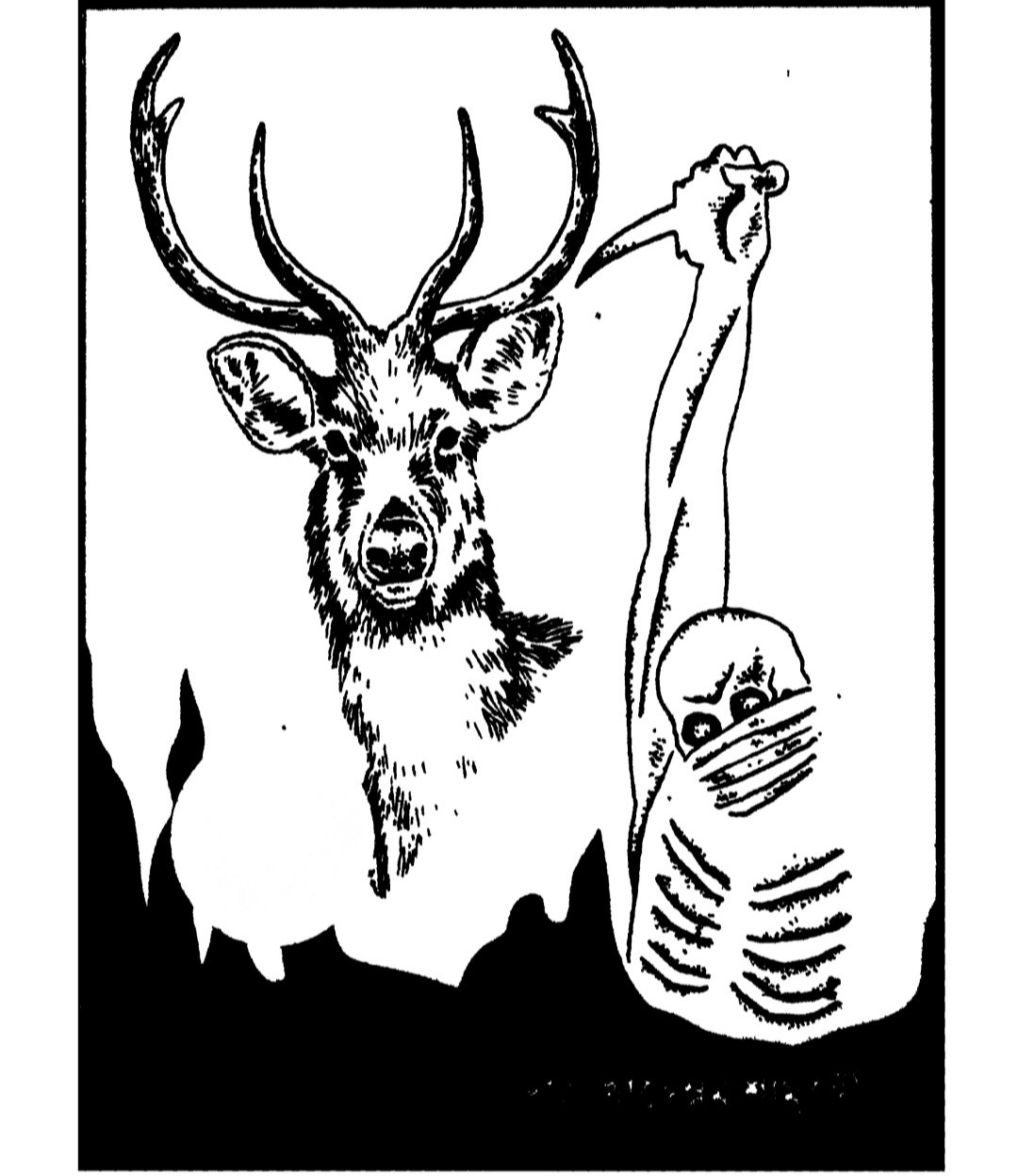
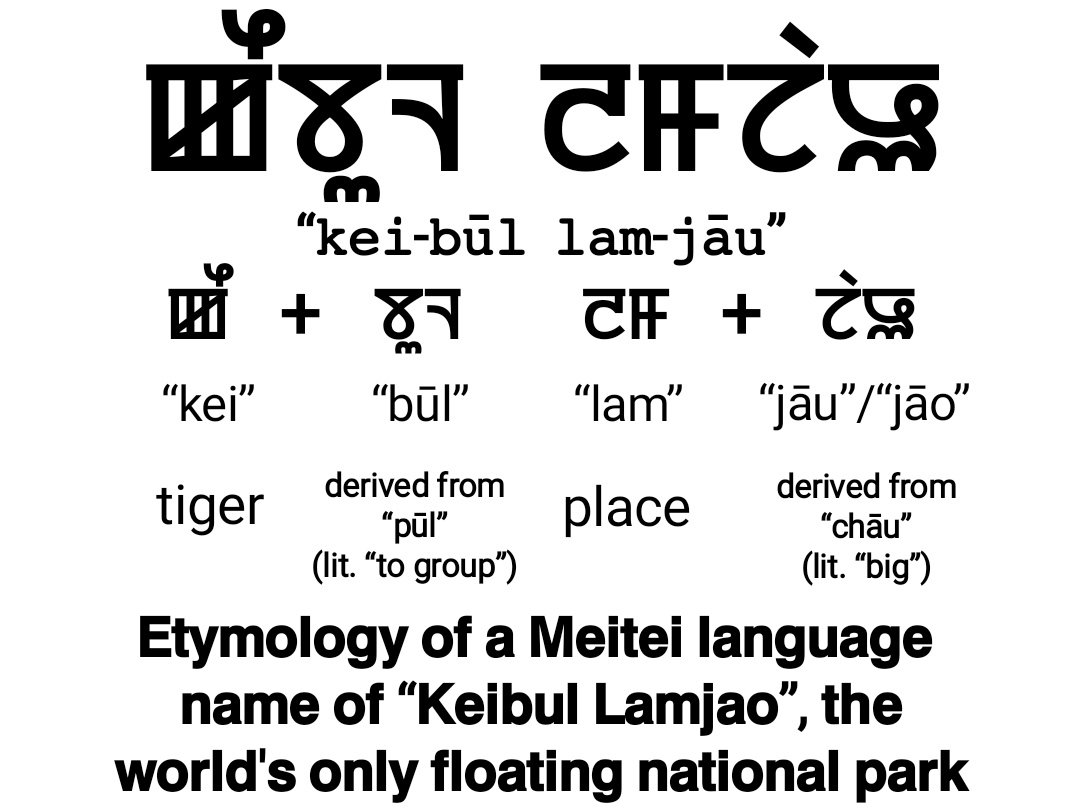
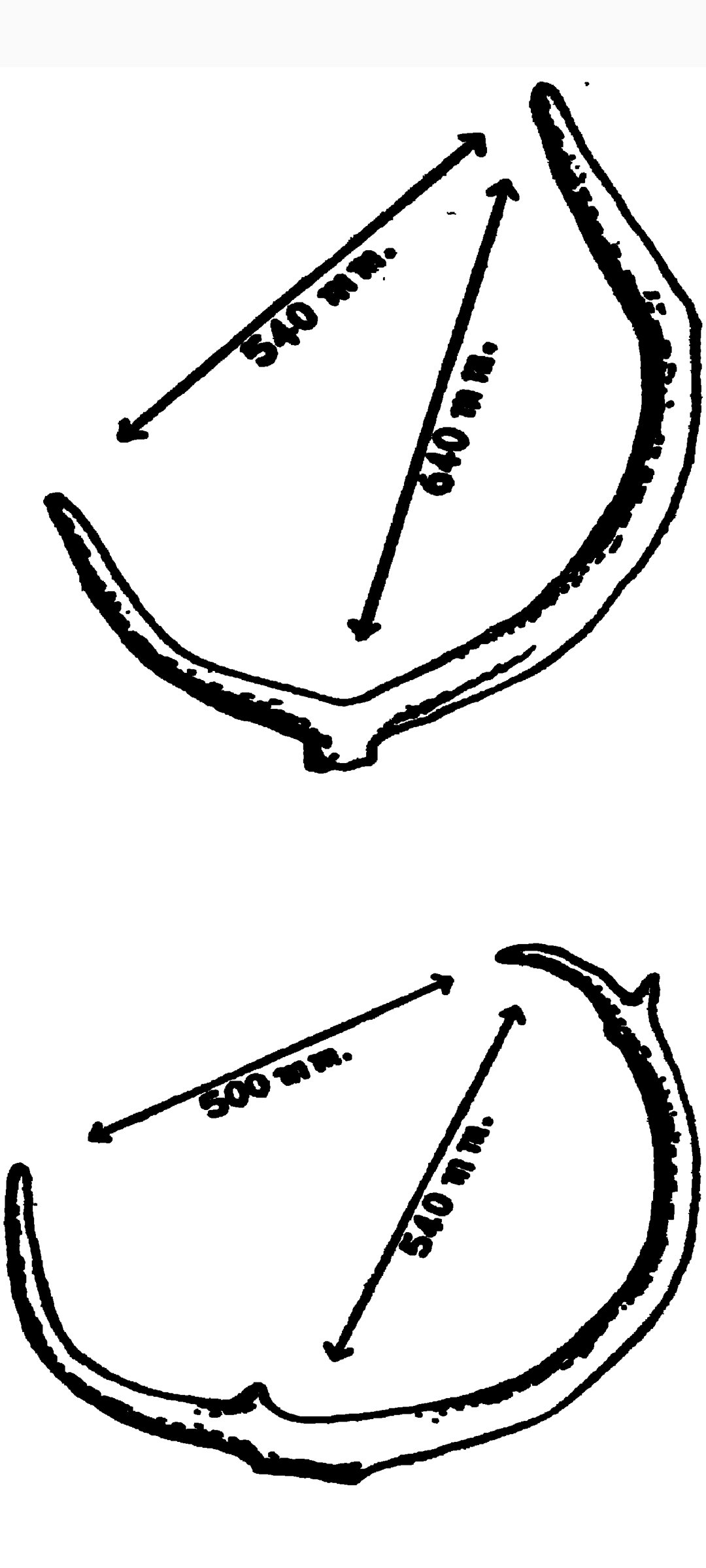
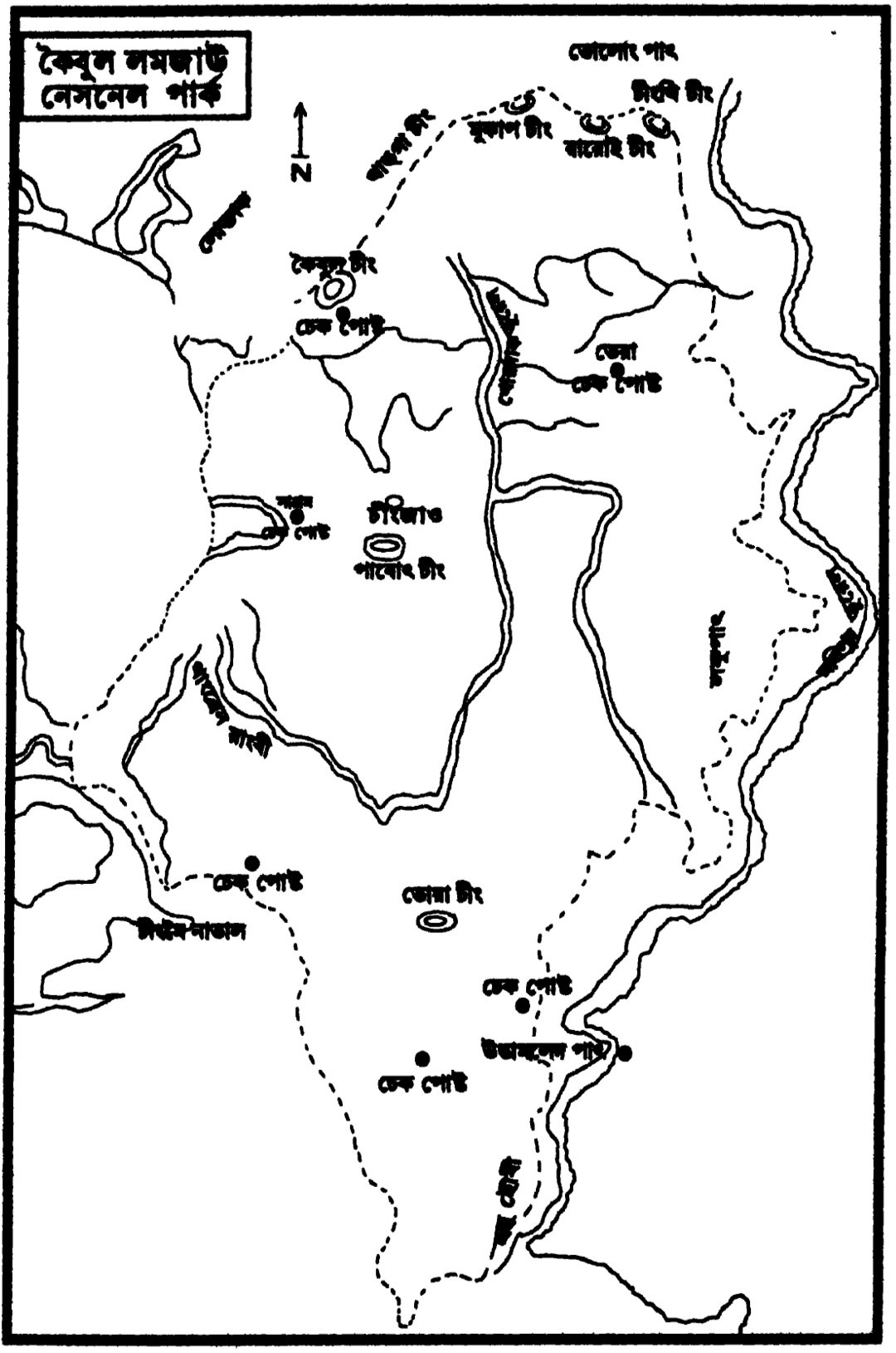
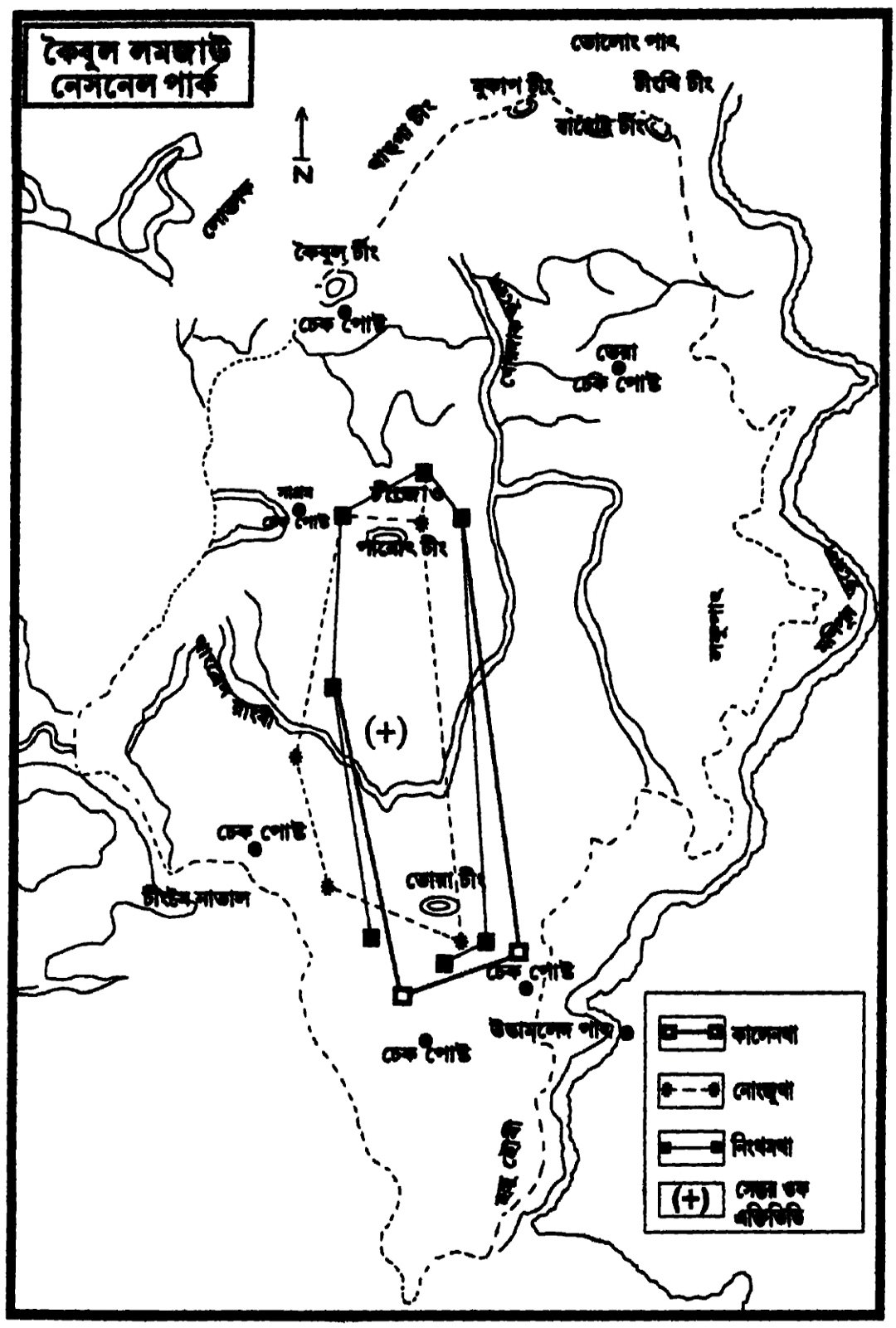
Loktak is Northeast India’s largest freshwater lake, famous for floating phumdis. Keibul Lamjao National Park, within the lake, is the world’s only floating national park—home to the rare Sangai deer.
- Visiting Hours 8:00 AM–4:30 PM
- Tickets INR 50 (Indians), INR 200 (Foreigners); boat rides extra
- Accessibility Boat tours; challenging terrain for those with limited mobility
- Activities Birdwatching, boating, eco-tours
Explore Loktak Lake and Keibul Lamjao
Ima Keithel (Mother’s Market)
Asia’s largest all-women’s market, Ima Keithel, is a bustling center for local produce, textiles, jewelry, and crafts.
- Visiting Hours 6:00 AM–6:00 PM
- Entry Free
- Accessibility Crowded; may be challenging for wheelchairs
Manipur State Museum
Near Kangla Fort, this museum covers history, archaeology, and ethnography with displays of costumes, manuscripts, and artifacts.
- Visiting Hours 10:00 AM–4:00 PM (Closed Mondays)
- Tickets INR 20 (Indians), INR 100 (Foreigners)
- Accessibility Wheelchair accessible
Learn about Manipur State Museum
Shree Govindajee Temple
A major Vaishnavite temple with twin domes and gold spires, adjacent to the royal palace.
- Visiting Hours 6:00 AM–7:00 PM
- Entry Free
- Accessibility Accessible, assistance available
More on Shree Govindajee Temple
War Cemeteries
Imphal’s World War II cemeteries are serene memorials for soldiers who died during the Battle of Imphal.
- Visiting Hours 9:00 AM–5:00 PM
- Entry Free
- Accessibility Paved paths
Tharon Cave & Dzukou Valley
Tharon Cave offers prehistoric wonders; Dzukou Valley is renowned for trekking and wildflowers, especially the rare Dzukou lily.
- Visiting Hours Year-round
- Entry No fee for Dzukou Valley; guided tours recommended
- Accessibility Challenging terrain
- Attire Women wear Phanek and Innaphi; men wear Pheijom and kurta. Festival costumes are elaborate.
- Festivals Yaoshang, Lai Haraoba, Kut, Sangai Festival, Chumpha
- Performing Arts Ras Lila, Thang Ta (martial art), Pung Cholom
- Cuisine Eromba, Kangsoi, Chamthong, Ngari; vegetarian options are limited.
- Etiquette Greet with “Khurumjari”, remove shoes before entering homes or temples.
- Handicrafts Textiles, bamboo/cane crafts, wood/stone carvings. Shop at Ima Keithel.
- Religion Hinduism predominates, with Christianity, Islam, and indigenous faiths.
- Language Meiteilon (Manipuri) is official; English/Hindi in cities.
- Permits Indian tourists need ILP; foreigners must register at entry points.
- Safety Imphal is safe; rural/border areas require caution.
- Transport Cabs and auto-rickshaws are common; limited public transport outside Imphal.
- Best Visit October–March
- Cultural Sensitivity Dress modestly, seek permission before photographing people or ceremonies.
Q: What are the visiting hours for Kangla Fort?
A: 9:00 AM to 5:00 PM daily.
Q: Are there entry fees for major attractions?
A: Yes, most have nominal fees; Kangla Fort charges INR 30 (Indians), INR 150 (Foreigners).
Q: Do I need a permit?
A: Indians need an ILP; foreigners must register with authorities.
Q: Is Manipur safe?
A: Imphal is generally safe; caution needed in rural/border areas.
Q: Best time to visit?
A: October–March.
Q: Can I photograph at cultural sites?
A: Seek permission before photographing people or religious events.
History and Cultural Significance
Kangla Fort was the royal palace and administrative hub of the Meitei rulers for centuries. The complex houses temples, museums, and sacred monuments, reflecting Manipuri tradition. It remains a sacred and cultural hub for the Meitei community.
Visiting Hours and Ticket Information
- Opening Hours 9:30 AM–4:30 PM
- Entry Fee ₹20 (Indians), ₹100 (Foreigners); children under 12 free
- Guided Tours Available at the entrance
Getting There
- By Air Imphal Tulihal Airport (IMF), 8 km from the fort; taxis available.
- By Rail Nearest major station is Dimapur, 201 km away; continue by road.
- By Road MSRTC buses and private operators connect Imphal with neighboring cities; local taxis/auto-rickshaws available.
Local Transportation
Use taxis, auto-rickshaws, or rental cars for Kangla Fort and nearby sites. Walking tours are popular within the fort.
Nearby Attractions
- Imphal War Cemetery
- Loktak Lake
- Govindajee Temple
Accommodation
Options near Kangla Fort include Classic Grande (Radisson), THE Pi HOTEL, Aurora Boutique Hotel, and homestays.
Tips for Visiting
- Arrive early to beat crowds.
- Photography is allowed in most areas.
- Dress modestly, especially in temple zones.
- Check for special events or tours.
Frequently Asked Questions (FAQ)
Q1: Is Kangla Fort wheelchair accessible?
A1: Some uneven terrain; improvements ongoing.
Q2: Any entry restrictions?
A2: ILP required for non-residents.
Q3: Can I bring food?
A3: Avoid outside food; nearby eateries available.
Q4: Are tours in multiple languages?
A4: Yes, English and Hindi available.
Safety Considerations
- Security Situation Monitor U.S. State Department and UK FCDO advisories. Urban Imphal is safer than remote areas.
- Crime Petty theft can occur; use standard precautions.
- Emergency Services Police: 100, Ambulance: 108
Health Precautions
- Vaccinations: MMR, DTP, Hepatitis A, Typhoid, Tetanus
- Malaria: Prophylaxis and mosquito protection advised
- Drink bottled/filtered water; eat freshly cooked food
- Carry a health kit and travel insurance
Responsible and Sustainable Tourism
- Dress modestly, learn basic Manipuri phrases, and seek photo permission.
- Support local crafts and homestays.
- Protect natural sites and secure permits before visiting restricted areas.
Permits and Accessibility
- ILP Required for Indians; foreigners must register.
- Most sites 9:00 AM–6:00 PM; timings may vary.
- Accessibility Urban centers are better equipped than remote sites.
- Explore virtual tours and interactive maps on official tourism websites.
- Use travel apps for real-time updates and navigation.
Manipur offers a unique blend of ancient history, living traditions, and breathtaking natural beauty. By respecting local customs, ensuring safety, and embracing sustainable practices, you can enjoy an enriching journey through this northeastern gem (Manipur Tourism; Thrillophilia; Adotrip; JETIR).