Destinations India Mira Bhayandar

Mira Bhayandar.

19° N · 72° E India

The smell hits you first — drying fish and frangipani and diesel exhaust, layered over the salt-mud tang of Vasai Creek at low tide. Mira Bhayandar, a twin city wedged between mangrove creeks on India's western coast just north of Mumbai, is nobody's idea of a tourist destination, and that's precisely what makes it worth your time. Nearly a million people live here without a single souvenir shop, and among them you'll find some of the Mumbai region's finest vegetarian cooking, flamingos feeding on tidal mudflats, and a Portuguese-era fishing village that hasn't changed its rhythms in decades.

Listen to audio guide — 47 min Open the map
Mira Bhayandar · India
9
attractions
1–2 days
days suggested
Winter (October–March)
best season
EN · EN
narration

01 An introduction

synthesized from 240+ sources ·

MThe smell hits you first — drying fish and frangipani and diesel exhaust, layered over the salt-mud tang of Vasai Creek at low tide. Mira Bhayandar, a twin city wedged between mangrove creeks on India's western coast just north of Mumbai, is nobody's idea of a tourist destination, and that's precisely what makes it worth your time. Nearly a million people live here without a single souvenir shop, and among them you'll find some of the Mumbai region's finest vegetarian cooking, flamingos feeding on tidal mudflats, and a Portuguese-era fishing village that hasn't changed its rhythms in decades.

The twin cities split along a clear fault line. Mira Road, to the south, is dense, vertical, and commercially relentless — tower blocks shouldering against each other, street-level shops spilling goods onto the pavement, the railway station disgorging thousands of Mumbai commuters every evening. Bhayandar, to the north, breathes a little easier. Its western side opens onto the creek, where egrets stalk the mangrove roots and, between October and March, flocks of Greater and Lesser Flamingos turn the mudflats pink. The eastern side is quieter residential territory, punctuated by the old Bhayandar Lake and its morning walkers.

What gives Mira Bhayandar its particular texture is the large Gujarati and Jain community that has settled here over the past few decades. This means ornate marble Jain temples tucked behind apartment complexes, thali restaurants serving food so meticulously spiced you forget there's no meat involved, and — during Navratri — some of the most electrifying Garba dancing in the entire Mumbai metropolitan area, with circles of dancers filling grounds until two in the morning. The food alone justifies a detour: farsan snacks, Gujarati sweets dense with ghee and saffron, South Indian filter coffee from corner stalls.

Budget Friendly Photography Hotspot Family Friendly

02 Why Mira Bhayandar.

What makes this place worth slowing down for.

Gujarati-Jain Temple Culture

One of Mumbai's densest Jain and Gujarati communities has filled Mira Road East with ornate marble temples whose craftsmanship rivals sites ten times more famous. The Shitala Mata Mandir in Bhayandar West draws thousands on Sundays — not for tourists, but for genuine devotion you can feel in the pressed crowds and camphor smoke.

Uttan's Koli Fishing Coast

Seven kilometers from Bhayandar station, Uttan village is a working Koli fishing settlement where nets dry on the sand and a Portuguese-era church still holds mass. No beach shacks, no selfie points — just salt air, wooden boats, and a coastal India that predates Mumbai itself.

Flamingos on the Creek

From October to March, thousands of Greater and Lesser Flamingos settle on the Vasai Creek mudflats visible from Bhayandar West's creek road. The sight of pink clouds lifting off grey tidal flats at dawn, with Mumbai's skyline smudged in the distance, is genuinely surreal.

Navratri Garba Capital

The Gujarati community transforms Mira-Bhayandar during Navratri into one of the Mumbai region's most electric Garba scenes. Grounds across both towns fill nightly with concentric circles of dancers in embroidered chaniya cholis — the energy is participatory, not performative.


03 Places to Visit.

Not every monument, just the ones we'd walk you past ourselves.

Tungareshwar Temple
Editor's pick
01 · Place

Tungareshwar Temple

A small Shiva shrine sits 2,177 feet up in the Tungareshwar hills, where a 3 to 4 km forest approach matters as much as the temple itself.

02 Place

Aksa Beach

Aksa Beach, situated in the serene suburb of Mira-Bhayandar in Mumbai, India, is a captivating destination that offers a blend of historical significance,…

03 Place

Ghodbunder Fort

Located in the picturesque Mira-Bhayandar region of Maharashtra, India, Ghodbandar Fort, also known as Ghodbunder Fort, is a historical gem that offers…

All 3 places in Mira Bhayandar

04 Neighborhoods.

Where to wander, by quarter — each with its own rhythm.

01

Mira Road

The denser, louder southern half of the twin city, defined by its railway station and the commercial energy radiating outward from it. Mira Road is where you eat: Gujarati thali joints, Jain-friendly restaurants, farsan shops, and street food stalls crowd the lanes near the station. The ornate Jain temples of Mira Road East reward a visit — expect intricate marble carving and a dress code that prohibits leather. Tuesday evenings bring crowds to the Hanuman Mandir near the station, filling the surrounding streets with flower sellers and prasad vendors.

02

Bhayandar West

The side that faces Vasai Creek and the mangroves, giving it an unexpected openness rare in Mumbai's suburbs. The creek road is the place for birdwatching — kingfishers, herons, and the flamingos that arrive each October and stay through March, feeding on the tidal flats in improbable pink congregations. The Shitala Mata Mandir, the area's most-visited temple, draws packed crowds on Sundays and explodes during Navratri. The residential lanes behind are quieter, more village-scale, with a pace noticeably slower than Mira Road's.

03

Bhayandar East

Quieter and more residential than its western counterpart, Bhayandar East centers on the old Bhayandar Lake — a historic talav ringed by a small garden where morning walkers do circuits at dawn. This is old Bhayandar, the town before the towers arrived, and patches of that earlier character survive in the narrower lanes and smaller-scale buildings near the water. A good area for an early-morning walk before heading to the creek or the coast.

04

Uttan

A Koli fishing village roughly seven kilometers from Bhayandar station, Uttan is the area's most distinctive destination. Dark sand, wooden fishing boats, nets drying in the wind, and the faint sweet rot of drying fish define the atmosphere. St. Andrew's Church, a Portuguese-era structure still serving the East Indian Catholic community, sits among coconut palms with sea views. Dongri Beach, adjacent and even quieter, fringes into mangroves. Come at sunrise or sunset; there is no tourist infrastructure, which is the entire point.

05

Navghar

A transitional zone between Mira Road and Bhayandar proper, Navghar functions as the civic and commercial spine of the twin city. The MBMC municipal offices are here, along with local markets that serve residents rather than visitors — meaning real prices, real produce, and a useful window into daily suburban Indian life. The area around Navghar Naka is a good starting point for finding local transport to Uttan or toward Vasai.

08 Where to Eat.

Where locals actually book dinner — not the tourist menus.

Gujarati Thali

Gujarati Thali

The twin city's Gujarati majority means thali restaurants here rival Ahmedabad's. Expect 10–15 small bowls of dal, shaak, kadhi, rotli, rice, and sweets served on a steel plate with unlimited refills — a full meal for ₹200–350 that leaves you understanding why Gujarat never needed meat.

★ local pick
Jain Street Food

Jain Street Food

Mira Road's Jain population has spawned a parallel street food universe: no onion, no garlic, no root vegetables, and somehow no loss of flavour. Look for Jain pav bhaji, Jain pani puri, and Jain pizza near the Jain temple clusters on Mira Road East.

★ local pick
Pani Puri & Chaat

Pani Puri & Chaat

Street-side pani puri stalls operate on almost every major road after 5 PM. The ritual is the thing — standing at a cart, the vendor cracking each puri and filling it faster than you can eat, the escalating spice of the jaljeera water. Sheetal Chaat near Mira Road station is a local benchmark.

★ local pick
Uttan's Fresh Seafood

Uttan's Fresh Seafood

The Koli fishing community at Uttan sells the morning catch dockside — bombil (Bombay duck), surmai (seer fish), prawns, and crab. A few no-frills shacks near the beach fry it with masala or cook it in coconut curry. The gap between ocean and plate is measured in hours, not days.

★ local pick
Dabeli

Dabeli

This Kutchi snack — a spiced potato filling with pomegranate seeds, peanuts, and chutneys pressed into a pav bun — is a Gujarati community staple here. The sweet-spicy-crunchy collision in a single bite explains why it outsells vada pav in this part of the suburbs.

★ local pick
Fafda-Jalebi

Fafda-Jalebi

Sunday morning tradition in Gujarati households: crispy chickpea-flour fafda strips paired with syrup-dripping jalebi, bought from neighbourhood farsan shops. It is breakfast as ritual — the crunch of one against the sweetness of the other is a texture contrast Gujaratis have perfected over centuries.

★ local pick

09 Insider tips.

Small things that change how the city treats you.

Ride the Western Railway

Both Mira Road and Bhayandar are on Mumbai's Western Railway suburban line — fast, cheap trains run every few minutes to Churchgate and Dadar. Avoid peak hours (8–10 AM, 6–9 PM) unless you enjoy the commuter sport of sardine-boarding.

Chase Flamingos in Winter

Greater and Lesser Flamingos gather on Vasai Creek mudflats from October through March. Walk the creek road in Bhayandar West at dawn or dusk for unobstructed views — no entry fee, no crowds.

Jain Temple Dress Code

The Jain temples on Mira Road East require modest dress and — crucially — no leather anywhere on your body, including belts and shoes. Carry cloth bags and cotton footwear if you plan to visit.

Uttan Beach at Sunrise

Uttan's fishing community launches and returns in the early morning — colorful Koli boats, drying fish, and Vasai Creek light make for compelling photography before 8 AM. No tourist facilities, so bring water.

Eat Gujarati, Skip Meat

The large Gujarati and Jain population has made Mira Road one of the best suburbs in Mumbai for vegetarian food — thali restaurants near the station serve generous meals for under ₹150. Don't hunt for non-veg; the vegetarian options here are genuinely exceptional.

Auto to Uttan Village

Shared auto-rickshaws run from Bhayandar station to Uttan village for around ₹20–30 per seat — ask for 'Uttan gaon.' The last autos return by around 8 PM, so plan your timing.

Time Navratri Right

Mira Bhayandar's Gujarati community turns Navratri (September/October) into nine nights of professional-grade Garba dancing, considered among the best in the Mumbai suburbs. Venues open from around 9 PM and run until 1–2 AM.

Day-Trip Vasai Fort

Vasai Fort (Bassein Fort), 15–20 km north, is one of India's finest Portuguese ruins — crumbling cathedrals and sea bastions set in jungle, with free ASI entry. Take a train to Vasai Road station, then an auto to the fort; go on a weekday to have it mostly to yourself.

10 Watch.

A few films to set the scene before you go.

Best MIRA BHAYANDAR Street Food | Pav Bhaji, Chaat, Vada Pav, Sandwich & More | 4K
Golgappa Girl

Best MIRA BHAYANDAR Street Food | Pav Bhaji, Chaat, Vada Pav, Sandwich & More | 4K

Mira–Bhayandar Flyover पर इंजीनियर्स की कारीगरी पर MMRD से क्या जवाब आया?
The Lallantop

Mira–Bhayandar Flyover पर इंजीनियर्स की कारीगरी पर MMRD से क्या जवाब आया?

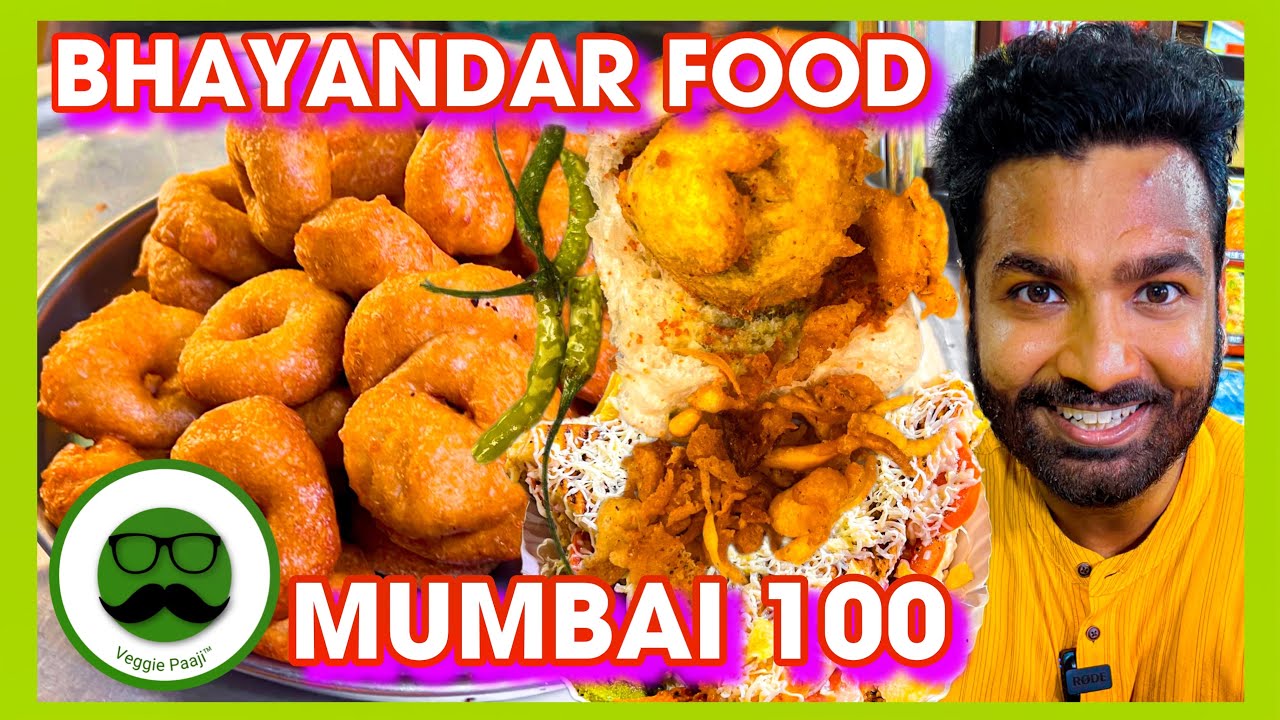
Maxus Mall Bhayandar Food Tour | Veggie Paaji Mumbai Playlist 100th Video
Veggie Paaji

Maxus Mall Bhayandar Food Tour | Veggie Paaji Mumbai Playlist 100th Video

Mira Bhayandar City - A Satellite  City of Mumbai | मीरा भायंदर शहर से जुडी कुछ दिलचस्प बातें
Most Amazing Klips

Mira Bhayandar City - A Satellite City of Mumbai | मीरा भायंदर शहर से जुडी कुछ दिलचस्प बातें

12 Frequently Asked

Is Mira Bhayandar worth visiting?

Yes, on its own terms — not as a conventional tourist circuit, but as a window into authentic Mumbai suburban life. The combination of Uttan's Koli fishing village, winter flamingos on Vasai Creek, ornate Jain temples, and easy access to Vasai Fort makes it genuinely rewarding for travelers who prefer real neighborhoods over polished attractions.

How many days should I spend in Mira Bhayandar?

One to two days covers the key highlights: Uttan Beach and St. Andrew's Church, a flamingo walk on the creek road in season, the Jain temples, and local food. Add a third day if you want a full excursion to Vasai Fort or Arnala Fort.

How do I get to Mira Bhayandar from Mumbai?

Western Railway suburban trains connect Churchgate and Mumbai Central to Mira Road and Bhayandar stations in 45–60 minutes for under ₹20. Trains run every few minutes during the day. Auto-rickshaws and local buses connect the station to Uttan, Bhayandar West, and surrounding neighborhoods.

What is the best time to visit Mira Bhayandar?

October to March is ideal: the monsoon has cleared, temperatures are pleasant (20–32°C), and flamingos are present on Vasai Creek mudflats. Navratri in September or October adds the spectacle of Garba dancing. Avoid May–June, which brings 38°C heat and suffocating humidity before the monsoon breaks.

Is Mira Bhayandar safe for tourists?

Generally safe, including for solo female travelers during the day. Uttan Beach and the creek road are quiet and low-key. Standard urban precautions apply at night near busy market areas. The area has no significant tourist-crime profile.

What is Mira Bhayandar known for?

Primarily a fast-growing residential satellite of Mumbai, it is also noted for its Gujarati and Jain temple culture, the Koli Catholic fishing village of Uttan, seasonal flamingos on Vasai Creek, and Navratri Garba celebrations rated among the best in the Mumbai Metropolitan Region.

Are there flamingos near Mira Bhayandar?

Yes — Greater and Lesser Flamingos gather on the tidal mudflats of Vasai Creek from October through March. The best viewing point is the creek road in Bhayandar West, accessible by auto-rickshaw from Bhayandar station. No entry fee; early morning and late afternoon light is best.

Can I visit Vasai Fort as a day trip from Mira Bhayandar?

Easily. Vasai Fort is 15–20 km north and one of India's most impressive Portuguese ruins — sprawling bastions, roofless cathedrals, and jungle encroachment over 16th-century stonework. ASI entry is free. Take a train to Vasai Road station, then an auto-rickshaw to the fort.

Ready to book?

13Before you go

Practical Information

Flight

Getting There

Chhatrapati Shivaji Maharaj International Airport (BOM) is the nearest airport, roughly 25–35 km south depending on traffic — a taxi takes 45–90 minutes. Mira Road and Bhayandar are both stations on Mumbai's Western Railway suburban line, with fast trains from Churchgate (55 min) and Borivali (15 min). By road, NH-48 (Mumbai-Ahmedabad highway) runs through the twin city; the Ghodbunder Road cross-link connects to Thane and the Eastern Express Highway.

Directions transit

Getting Around

Auto-rickshaws are the default transport — metered by law but drivers often quote flat rates, so insist on the meter or agree a fare before boarding. BEST and MBMC buses connect Mira Road and Bhayandar stations to Uttan, Kashimira, and surrounding areas, though frequencies can be irregular. For Uttan Beach or Vasai Fort, hiring a rickshaw for a half-day round trip (₹300–500) is more practical than waiting for buses. Mumbai's suburban trains handle the commute to Mumbai proper.

Thermostat

Climate & Best Time

Tropical monsoon climate: summers (Mar–May) hit 33–36°C with heavy humidity; monsoons (Jun–Sep) bring 2,000+ mm of rain and turn the creeks dramatic but the roads difficult. Winters (Nov–Feb) are the sweet spot — 20–32°C, dry skies, and flamingos on the mudflats. October through March is the ideal window, with Navratri (usually October) adding cultural depth and the cooler months making Uttan and Vasai Fort day trips comfortable.

Translate

Language & Currency

Marathi is the official language, but Hindi and Gujarati are widely spoken — English works at stations and shops but less reliably in Uttan or interior markets. Currency is Indian Rupee (INR/₹); UPI digital payments (Google Pay, PhonePe) are accepted almost everywhere including auto-rickshaws and street stalls. ATMs are plentiful near both railway stations.

Take Mira Bhayandar with you

47 minutes of Mira Bhayandar,
downloaded once.

3 places, one continuous walking route. Free with your first city.

Get this guide on the app Open in browser

All Places to Visit.

3 places to discover

Tungareshwar Temple
Place

Tungareshwar Temple

Place

Aksa Beach

Place

Ghodbunder Fort