Historical Background and Significance
Vision and Inception
The concept of a tunnel beneath Rohtang Pass emerged in the 1980s to counteract the winter isolation of Lahaul-Spiti. The region’s inaccessibility for about six months annually hampered both civilian life and military logistics (PIB, 2022). The project gained momentum in June 2000 under Prime Minister Atal Bihari Vajpayee and was officially named the Atal Tunnel in his honor.
Construction Milestones
- 2000 Strategic decision approved.
- 2002 Foundation stone for access road laid.
- 2010 Construction commenced.
- 2019 Tunnel breakthrough.
- 2020 Inaugurated by Prime Minister Narendra Modi (PIB, 2022; Weekend Yaari, 2024).
Engineering Marvel: Design and Construction
Tunnel Structure and Features
- Length 9.02 km
- Width 10.5 m; Carriageway: 8 m; Vertical clearance: 5.525 m
- Type Single-tube, double-lane
- Altitude South Portal (Manali): 3,060 m | North Portal (Sissu): 3,071 m
Safety and Technology
- Ventilation Semi-transverse ventilation with high-capacity fans and air quality monitoring every kilometer
- Fire Safety Hydrants every 60 m, fire extinguishers, and 18 emergency egress tunnels at 500 m intervals
- Surveillance CCTV every 250 m, telephone booths every 150 m
- Construction Materials Over 14,500 tonnes of steel, 237,500 tonnes of cement, and advanced geological stabilization techniques (Engineering Specifications and Safety Features, 2024)
Overcoming Himalayan Challenges
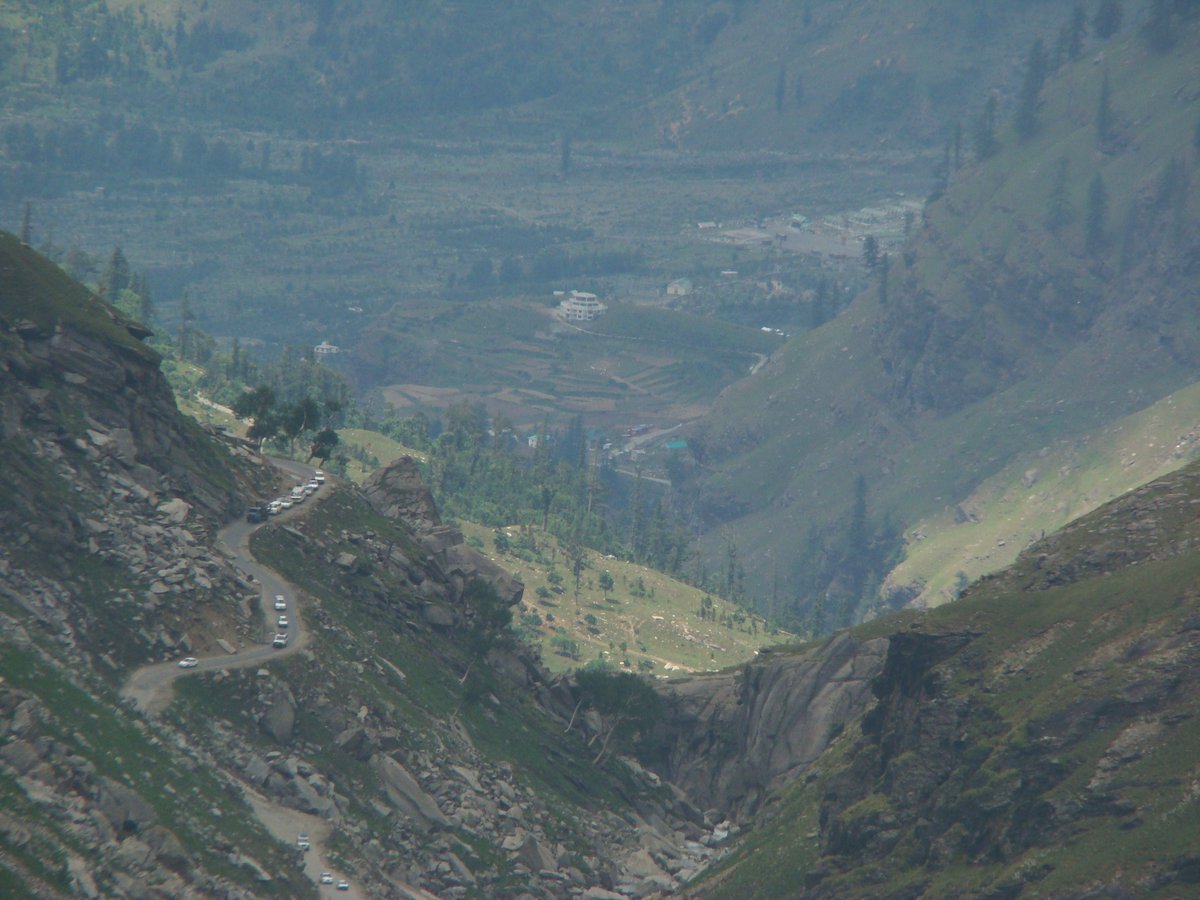
- Terrain Steep, avalanche-prone, and geologically complex (notably the Seri Nalah Fault Zone)
- Climate Extreme cold (often below -20°C), heavy snowfall
- Construction Innovations New Austrian Tunneling Method (NATM), avalanche galleries, and reinforced access roads
Socio-Economic and Strategic Impact
- Year-Round Connectivity Uninterrupted access to Lahaul-Spiti; faster delivery of goods and medical services
- Tourism Boom 622% increase in tourist arrivals since opening; homestays increased from 74 to 594 (News Bharati)
- Agricultural and Trade Growth Improved market access for high-altitude crops and essential supplies (Special Places of India)
- Strategic and Defense Importance Reliable supply routes for troops and equipment near sensitive border regions (Indian Express)
- Disaster Response Facilitates rapid deployment of relief during emergencies
Visitor Information: Hours, Tickets, and Travel Tips
Location and Access
- Distance from Manali Approx. 24 km to the South Portal
- By Road Private vehicle, taxi, or HRTC buses to Keylong and beyond (eHimachal)
- By Air Nearest airport is Bhuntar (Kullu), 50 km from Manali
Visiting Hours
- Open 24/7, year-round. Daytime travel is recommended for safety.
- Weather advisories may affect approach roads in winter.
Tickets and Toll Charges
- Toll is collected at the South Portal
- Two-wheelers: ₹50
- Cars/Jeep/Taxi: ₹250
- Buses/Trucks: ₹650
- Payable on-site; no online booking currently available
Travel and Safety Tips
- Check weather and road conditions before departure
- Carry warm clothing, food, and water—especially in winter
- Maintain your vehicle and keep fuel tanks full (fuel stations are limited nearby)
- Adhere to the speed limit (max 80 km/h inside the tunnel)
- Photography is permitted, but follow security instructions
- Do not stop or park inside the tunnel except in emergencies
Top Attractions Nearby
- Lahaul-Spiti Valley Rugged landscapes, Tibetan monasteries, adventure sports (eHimachal)
- Sissu Waterfalls, Sissu Lake, helipad, scenic views (ZeeZest)
- Keylong Administrative center with markets and monasteries
- Hampta Pass Popular trekking route (ZeeZest)
- Hikkim Village World’s highest post office
- Rohtang Pass Seasonal attraction for snow sports and panoramic vistas (India Tourism Package)
- Naggar Castle Heritage site near Manali
Environmental Considerations
Tourism and Ecological Impact
The tunnel’s opening triggered a dramatic surge in visitors—over 1.7 million vehicles in less than two years (Mongabay, 2022). Peak days saw up to 28,210 vehicles and 126,000 tourists (Business Today). This growth has resulted in:
- Increased waste and pollution (The News Himachal)
- Strain on local resources (water, waste management)
- Disturbance to native flora and fauna
Sustainable Tourism Efforts
- Traffic regulation during peak periods (The News Himachal)
- Sensitization campaigns for visitors (Hindustan Times, 2024)
- Eco-friendly infrastructure and improved waste management
Responsible Tourism Practices
- Avoid single-use plastics; carry your waste back.
- Choose public or shared transport where possible.
- Respect local customs and seek permission for photography.
- Support local eco-friendly businesses and homestays.
- Stick to marked trails and minimize disturbance to wildlife.
Frequently Asked Questions (FAQs)
Q1: What are the Atal Tunnel visiting hours?
A1: The tunnel operates 24/7 year-round; daytime travel is recommended.
Q2: Is there a toll or entry fee?
A2: Yes, tolls apply (₹50–₹650 depending on vehicle); paid at the South Portal.
Q3: Can tourists visit during winter?
A3: Yes, but check weather and road advisories; tunnel remains open.
Q4: Are guided tours available?
A4: No official tours inside the tunnel, but local operators offer tours to the tunnel and region.
Q5: Are pedestrians and cyclists allowed?
A5: No, only motor vehicles are permitted inside the tunnel.
Q6: What are the top photo spots?
A6: Tunnel portals, Sissu village, Lahaul Valley, Rohtang Pass (in season).
Key Points and Visitor Recommendations
- The Atal Tunnel connects Manali and Lahaul-Spiti year-round, revolutionizing travel and boosting tourism.
- Advanced safety, ventilation, and surveillance systems ensure secure transit.
- Visitors must pay tolls, carry valid documents, and adhere to safety rules.
- The region’s natural beauty is fragile—adopt responsible tourism to protect it.
- Plan ahead for weather, accommodation, and transport—especially in peak seasons.