Early Conception and Strategic Importance
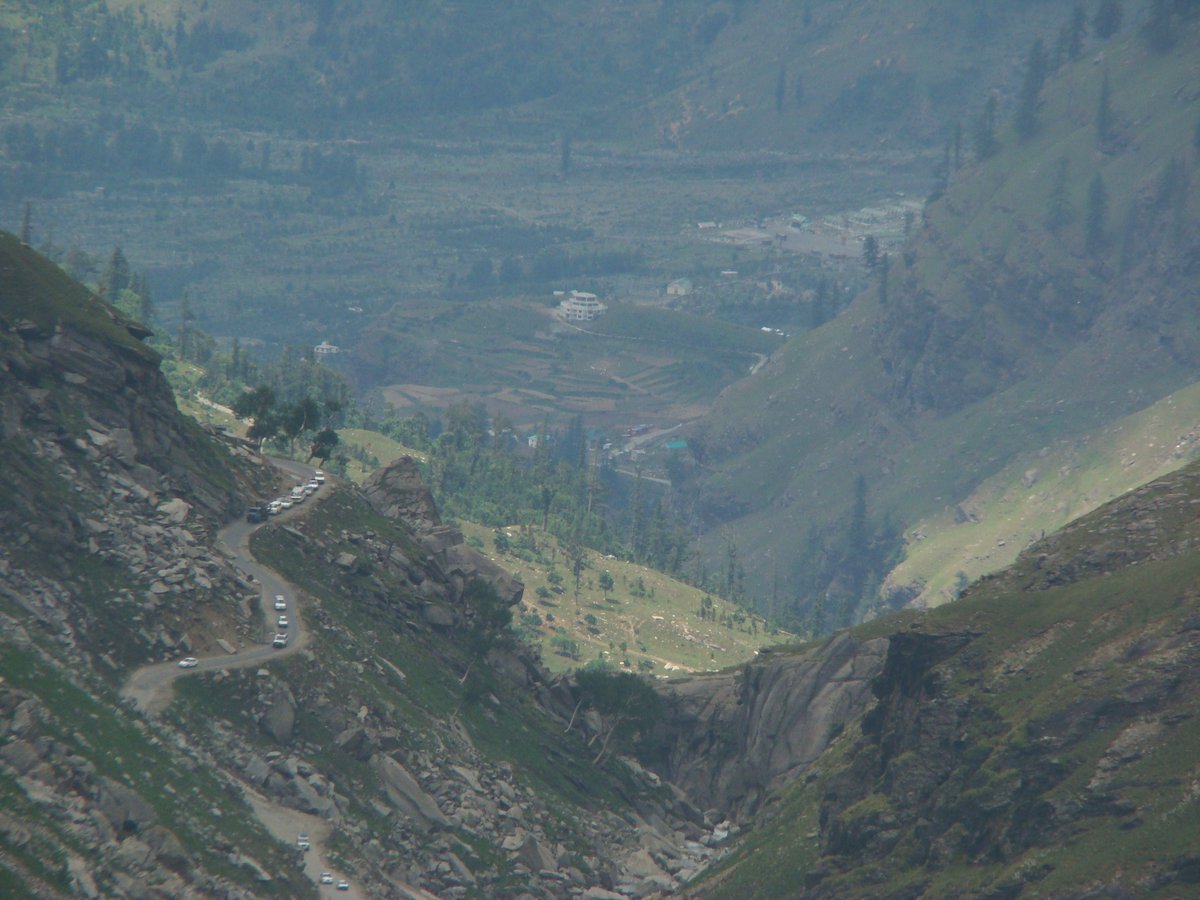
NH3 was conceived in the wake of the 1962 Sino-Indian conflict as a vital overland link to Ladakh. Construction began in 1964, led by the Border Roads Organisation (BRO), to address strategic and logistical challenges presented by the region’s difficult terrain. It quickly became a critical military supply route and remains an essential alternative to the Srinagar-Kargil-Leh Highway, ensuring reliable access to Ladakh.
Construction Timeline and Milestones
Initial Construction (1964–1989)
Building NH3 was a formidable engineering feat, entailing years of work in extreme conditions—landslides, avalanches, and subzero temperatures. By 1989, the route was operational, dramatically improving connectivity to Ladakh.
Upgrades and Modernization (1990s–2020s)
Ongoing upgrades have equipped NH3 to handle growing traffic. Snow clearance techniques have prolonged the open season, while projects like the Atal Tunnel (inaugurated in 2020) have revolutionized connectivity by bypassing the avalanche-prone Rohtang Pass. The planned Shingo La Tunnel (expected by 2025) will further enhance year-round access.
Route Details and Geographic Features
NH3 stretches approximately 427–428 kilometers from Manali to Leh, crossing major high passes: Rohtang La, Baralacha La, Lungalacha La, and Tanglang La (5,328 meters). The landscape transforms from forested valleys near Manali to the stark, arid plateaus of Ladakh, passing glaciers, rivers, and centuries-old monasteries along the way.
Travel Tips for National Highway 3
- Best Time to Travel May to October, when high passes are open. The Atal Tunnel enables year-round access to Lahaul and Spiti, but upper sections close in winter.
- Vehicles Use a well-maintained, high-clearance vehicle—SUVs and motorcycles are popular.
- Safety Carry extra fuel, warm clothing, and emergency supplies. Acclimatize to altitude gradually and drive cautiously on narrow, winding roads.
- Permits While NH3 itself requires no special permit, Inner Line Permits are needed for certain areas in Ladakh.
Accessibility and Visiting Hours
NH3 is generally accessible from early May to October, depending on snow clearance by BRO’s Project Himank and Project Deepak. The Atal Tunnel has extended lower-section accessibility year-round. Always check current road conditions before travel.
Socio-Economic and Cultural Impact
NH3 has transformed Himalayan communities—improving access to markets, healthcare, and education. It has spurred tourism, with new hotels, eateries, and services flourishing along the route. Culturally, NH3 connects diverse populations, enabling travelers to experience traditional Buddhist and Himachali heritage first-hand.
Nearby Attractions and Points of Interest
- Ancient Monasteries Key Monastery, Hemis Monastery, and others.
- Scenic Valleys Kullu, Lahaul, Zanskar.
- Adventure Activities Trekking, mountain biking, and river rafting.
Guided Tours and Special Events
Various operators offer guided motorcycle and cultural tours along NH3. Annual festivals in Ladakh and Himachal Pradesh provide immersive experiences in local music, dance, and crafts.
FAQ – National Highway 3 Travel Information
Q: When is NH3 open for travel?
A: Generally from early May to October, depending on snow clearance.
Q: Are permits required?
A: Not for the highway itself, but Inner Line Permits are required for select areas in Ladakh.
Q: Best months to visit?
A: June to September are optimal for weather and road conditions.
Q: Key safety tips?
A: Carry fuel and warm clothing, acclimatize to altitude, and check weather forecasts.
Q: Accommodation available?
A: Yes, in towns such as Manali, Keylong, and Leh.
Integration into the National Highway Network
NH3 is part of India’s growing highway network, managed by the National Highways Authority of India (NHAI) and the Ministry of Road Transport and Highways (MoRTH), and plays a pivotal role in connecting strategic and tourist destinations in north India.
Ongoing and Future Developments
- Shingo La Tunnel All-weather connectivity through the Zanskar valley by 2025.
- Upgrades Widening, new bridges, and improved infrastructure.
- Tourism More accommodations, rest stops, and emergency services.
Explore Major Attractions Along NH3: Visiting Hours, Tickets & Travel Tips
Manali: Gateway to the Himalayas
Manali is the major tourist hub at NH3’s southern end, known for stunning vistas, adventure sports, and rich culture.
Key Attractions:
- Hadimba Devi Temple 6:00 AM–6:00 PM, free entry (Holidify)
- Solang Valley 9:00 AM–5:00 PM, activities from INR 1,500–2,500 (Tusktravel)
- Vashisht Hot Springs 6:00 AM–8:00 PM, free entry
- Manu Temple 7:00 AM–7:00 PM, free
Kullu Valley: The Valley of Gods
Renowned for its temples, pine forests, apple orchards, and the Beas River.
Highlights:
- Raghunath Temple 5:00 AM–9:00 PM, free entry
- Great Himalayan National Park 8:00 AM–5:00 PM, INR 30 (Indians), INR 300 (foreigners) (Bontravelindia), ghnp.hp.gov.in
- Bijli Mahadev Temple 6:00 AM–6:00 PM, free
Atal Tunnel: Engineering Marvel
The world’s longest highway tunnel above 10,000 feet, opened in 2020, improving all-weather connectivity (Wikipedia).
Rohtang Pass: Iconic Mountain Gateway
At 3,978 meters, open May–November, famed for snow activities and dramatic views. Permits required (Dwello), Himachal Pradesh Transport Department.
Lahaul Valley: Rugged Beauty
Less crowded, with unique Buddhist-Hindu culture. Keylong, Shashur and Kardang Monasteries, and Tandi confluence are highlights.
Sissu, Jispa, Darcha, Baralacha La
- Sissu Scenic spot north of Atal Tunnel.
- Jispa & Darcha Popular halts and trek bases.
- Baralacha La 4,890 meters; Suraj Tal lake is a must-see (Wikipedia).
Cultural & Natural Experiences
- Festivals Kullu Dussehra, Halda Festival, Buddhist monastic events (Tusktravel).
- Cuisine Sample apples, siddu, trout, and thukpa in local dhabas.
- Adventure Trekking (Hampta, Chandratal), rafting (Beas River), mountain biking (Dwello).
Practical Information
- Travel Season May–October; Atal Tunnel enables winter access to Lahaul.
- Permits Required for Rohtang Pass and some Lahaul-Spiti areas (TravelTriangle), Himachal Tourism.
- Road Conditions BRO maintains NH3; landslides and weather disruptions possible.
- Altitude Sickness Acclimatize before traversing high passes.
- Emergency Contacts Carry local numbers and inform contacts of your itinerary (TravelTriangle).
Noteworthy Detours
- Naggar Famous for Naggar Castle and art gallery.
- Kasol & Parvati Valley Backpacker hotspots.
- Spiti Valley Accessible via Gramphu, a high-altitude desert with monasteries.
Environmental & Cultural Sensitivity
Minimize plastic use, respect local customs, and consider community-based tourism (WanderOn).
Rohru Fort: Visiting Hours, Tickets, and Travel Tips
Rohru Fort, in scenic Rohru town, blends medieval history with Himachali architectural splendor. Surrounded by the Himalayas, the fort is a must-visit for history and culture enthusiasts.
History and Significance
Dating back centuries, Rohru Fort was a defensive stronghold and royal residence, notable for its intricate woodwork and stone carvings. Today, it hosts local festivals and cultural events, fostering regional pride.
Visitor Information
- Hours 9:00 AM–6:00 PM daily
- Tickets Adults ₹50; Children <12 years ₹20; group discounts on prior booking
- Guided Tours ₹100, available at entrance
Travel Tips
- Best Time March–June, September–November
- Accessibility 115 km from Shimla via NH3; parking available; improved facilities for elderly
- Nearby Amenities Eateries and souvenir shops nearby
Nearby Attractions
- Tirthan Valley For natural beauty and trout fishing
- Sainj Valley Trekking and biodiversity
- Jibhi Serene village for nature lovers
Special Events
Annual festivals feature folk music, dance, and crafts in spring.
FAQ
- Photography Allowed; drones require permission
- Guided Tours Available
- Child-Friendly Yes, with supervision
- Entry Restrictions None, but respect local customs
Kangra Fort: Visiting Hours, Tickets, and Travel Tips
Introduction
Kangra Fort, one of India’s oldest and largest, sits in the Kangra Valley. It is notable for its remarkable history, architecture, and panoramic views.
About and How to Reach
- History Dates back to the 4th century BC; ruled by Rajputs, Mughals, and Sikhs
- Location 20 km from Dharamshala; accessible by road, air (Gaggal Airport), and train (Kangra Station)
Visitor Information
- Hours 9:00 AM–5:00 PM
- Tickets Indians ₹20; Foreigners ₹300; Children (under 15) free
- Guided Tours Available at entrance
Best Time to Visit
March–June and September–November are ideal; avoid the monsoon season.
Highlights
- Temples Mahadev and Laxmi Narayan within the fort
- Views Dhauladhar range panoramas
- Architecture Intricate stonework and battlements
Tips
- Wear comfortable shoes; carry water and sun protection
- Drones require permission; photography allowed
Nearby Attractions
- Masroor Rock Cut Temple 15 km away
- Dharamshala Hill station, Dalai Lama’s residence
- Baijnath Temple 35 km away
FAQ
- Wheelchair Access Limited
- Permits Not required
- Guides Available
- Food Eateries nearby
Frequently Asked Questions (FAQs) – NH3 and Major Attractions
Q1: Visiting hours for Hadimba Devi Temple, Manali?
A1: 6:00 AM–6:00 PM, free entry.
Q2: Is a permit required for Rohtang Pass?
A2: Yes; obtain online or in Manali.
Q3: Entry fees for Great Himalayan National Park?
A3: INR 30 (Indians), INR 300 (foreigners).
Q4: Best travel season for NH3?
A4: May–October.
Q5: Is Lahaul accessible in winter?
A5: Yes, via Atal Tunnel, though conditions can be harsh.
Q6: Where to find official travel and permit info?
A6: Himachal Pradesh Transport Department and Himachal Tourism.
Summary and Travel Recommendations
National Highway 3 is a marvel of engineering and cultural convergence, linking Himachal Pradesh and Ladakh through some of India’s most spectacular landscapes. Its construction and continued development have fostered regional growth, military security, and world-class travel experiences. Whether you seek history, adventure, or cultural immersion, NH3 is a journey of discovery.
To maximize your experience, use official resources such as the Himachal Pradesh Transport Department, Himachal Tourism, and the Audiala app for real-time updates and guided tours. Travel responsibly, respect local communities, and embrace the adventure.