Historical Background
Origins and Purpose
Harangi Dam was conceptualized and built to address the critical needs of water security, irrigation, and flood control in the Kodagu, Mysore, and Hassan districts. The project, initiated by the Karnataka State Government in 1971 and completed in 1979, was constructed on the Harangi River—a tributary emerging from the Pushpagiri Hills of the Western Ghats (Wikipedia; Sahyadri Stays). Its primary functions include:
- Irrigation Supporting thousands of hectares of agricultural land, especially for crops like paddy, sugarcane, and coffee.
- Hydroelectric Power Generation Housing a 9 MW hydropower plant.
- Flood Control Managing monsoon runoff and mitigating flooding risks.
Construction Timeline and Socio-Economic Impact
- Construction Period 1971–1979
- Executing Agencies Karnataka State Government, KPCL, and Central Water Commission (Sahyadri Stays).
- Location 9 km from Kushalnagar, 33–36 km from Madikeri (Kodagu District Official Website).
The dam’s consistent water supply has enabled multiple cropping seasons, improved rural livelihoods, and contributed to regional drinking water and tourism development (OneIndia).
Engineering and Environmental Significance
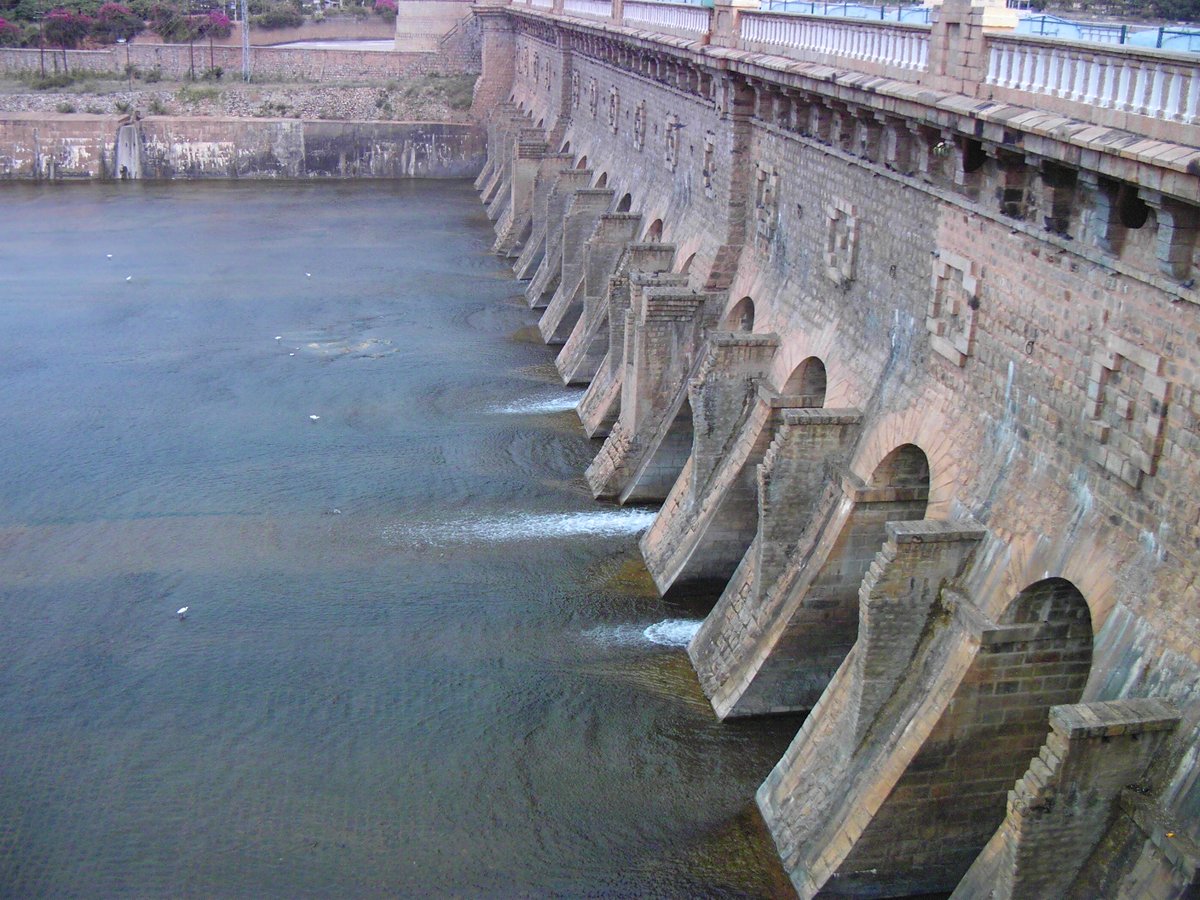
- Type Masonry gravity dam built on granite bedrock (Sea Water Sports)
- Dimensions Height ~47 meters; Length ~846 meters
- Storage Capacity ~8.5 TMCft (840 million cubic meters) (Techraj6)
- Catchment Area 419.58–717 km² (Wikipedia)
- Reservoir Surface ~20 km²
Hydroelectric Power
The dam supports a 9 MW hydroelectric project, with two units of 4.5 MW each, operational since 1999 (Wikipedia).
Maintenance and Modern Challenges
Siltation has reduced the dam’s capacity, leading to ongoing desilting work to restore efficiency, scheduled for completion by December 2025 (Star of Mysore).
Environmental and Ecological Role
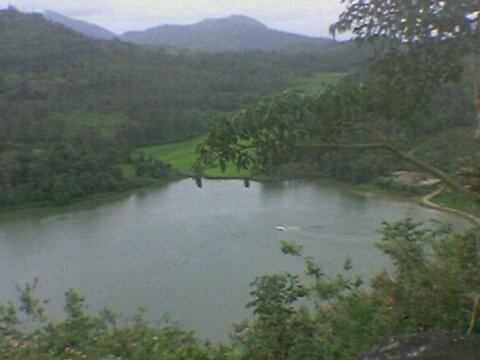
The reservoir and surrounding forests support a rich diversity of flora and fauna, making the area popular for birdwatching and nature walks (Explore Kodagu). Sustainable management efforts are in place to balance human use with ecological preservation.
Visitor Information
Visiting Hours and Tickets
- Hours 8:00 AM to 6:00 PM daily (Trawell.in; Indian Panorama)
- Entry Fee Typically INR 10–30 per person (may vary; carry cash)
- Parking Nominal charges may apply
Best Time to Visit
- Monsoon & Post-Monsoon (August–October) Reservoir is full, dramatic water releases, lush green landscape (TravelTriangle)
- October–March Pleasant weather, ideal for walks, picnics, and birdwatching
Accessibility and Facilities
- Travel Best reached by private vehicle or taxi from Kushalnagar or Madikeri (ExploreBees)
- Facilities Basic restrooms, garden area, limited food stalls; more amenities in Kushalnagar
- Accessibility Main viewing areas are accessible; however, terrain may be uneven—plan ahead for differently-abled visitors
Travel Tips
- Wear sturdy, non-slip footwear, especially during the monsoon
- Bring water, snacks, sunscreen, and rain gear
- Arrive early on weekends or holidays for a quieter experience
- Respect safety barriers and signage, especially during water releases
- Carry all waste back to preserve the environment
Nearby Attractions and Activities
- Cauvery Nisargadhama Bamboo groves, deer park, boating (8.5 km away)
- Dubare Elephant Camp Elephant interactions and river rafting (~20–30 km)
- Namdroling Monastery (Golden Temple) Major Tibetan Buddhist center in Bylakuppe
- Pushpagiri Wildlife Sanctuary Trekking and wildlife spotting
- Local Coffee Plantations Guided tours showcasing Coorg’s coffee heritage
Consider combining your visit to Harangi Dam with these attractions for a full-day itinerary (PlanTrip.io).
Frequently Asked Questions (FAQ)
Q: What are Harangi Dam visiting hours?
A: 8:00 AM to 6:00 PM daily.
Q: What is the entry fee?
A: Typically INR 10–30 per person; subject to change.
Q: Is Harangi Dam accessible for differently-abled visitors?
A: Main areas are relatively accessible, but terrain can be uneven—plan accordingly.
Q: When is the best time to visit?
A: August–October for full reservoir and water release, or October–March for pleasant weather.
Q: Are guided tours available?
A: Occasionally, local guides may be available in Kushalnagar; check with tourism offices.
Q: Can I swim or boat at the dam?
A: Swimming and unauthorized boating are strictly prohibited for safety.