Plan and listen to State Museum Lucknow with Audiala.
Audio guide in your pocket, itinerary in your browser. Built for the way you actually visit.
Introduction to State Museum Lucknow
The State Museum Lucknow, also known as राज्य संग्रहालय लखनऊ, is a prominent cultural and historical institution located in the heart of Lucknow, India. Established in 1863, the museum has evolved over the years to become a significant repository of the region's rich heritage. Initially known as the Provincial Museum, it was founded to preserve and showcase artifacts from the Awadh region, reflecting its historical and cultural significance. Over time, the museum has expanded its collection to include a diverse array of artifacts spanning various periods and civilizations (State Museum Lucknow).
Located in the Banarasi Bagh area within the premises of Lucknow Zoo, the museum is easily accessible and offers a comprehensive cultural experience for visitors. The building itself is an architectural marvel, blending modern and traditional styles to create a space that is both functional and reflective of the region's heritage. From archaeological artifacts and numismatic collections to paintings, manuscripts, and ethnographic items, the museum's exhibits provide a fascinating journey through time. Notable artifacts such as the Buddha relics, an Egyptian mummy, and Ashokan edicts make it a must-visit destination for history enthusiasts and casual visitors alike. This guide aims to provide all the essential information you need to plan your visit, including ticket prices, opening hours, travel tips, and more.

History of राज्य संग्रहालय लखनऊ (State Museum Lucknow)
Establishment and Early Years
The State Museum Lucknow, originally known as the Provincial Museum, was established in 1863. It was initially housed in the Choti Chattar Manzil and later moved to the Lal Baradari in 1883. The museum was founded with the aim of preserving and showcasing the rich cultural heritage of the region. The collection initially included artifacts from the Awadh region, reflecting its historical and cultural significance.
Relocation and Expansion
In 1963, the museum was relocated to its current location in the Banarasi Bagh area, within the premises of the Lucknow Zoo. This move was part of a broader effort to expand the museum's collection and provide a more suitable environment for the preservation and display of artifacts. The new building was designed to accommodate a growing collection and to offer visitors a more comprehensive experience.
Architectural Significance
The architecture of the State Museum Lucknow is a blend of modern and traditional styles. The building is designed to reflect the cultural heritage of the region while incorporating modern amenities for the preservation and display of artifacts. The museum's design includes spacious galleries, climate-controlled storage areas, and facilities for research and education.
Collections and Exhibits
The State Museum Lucknow boasts a diverse collection of artifacts spanning various periods and regions. The collection includes:
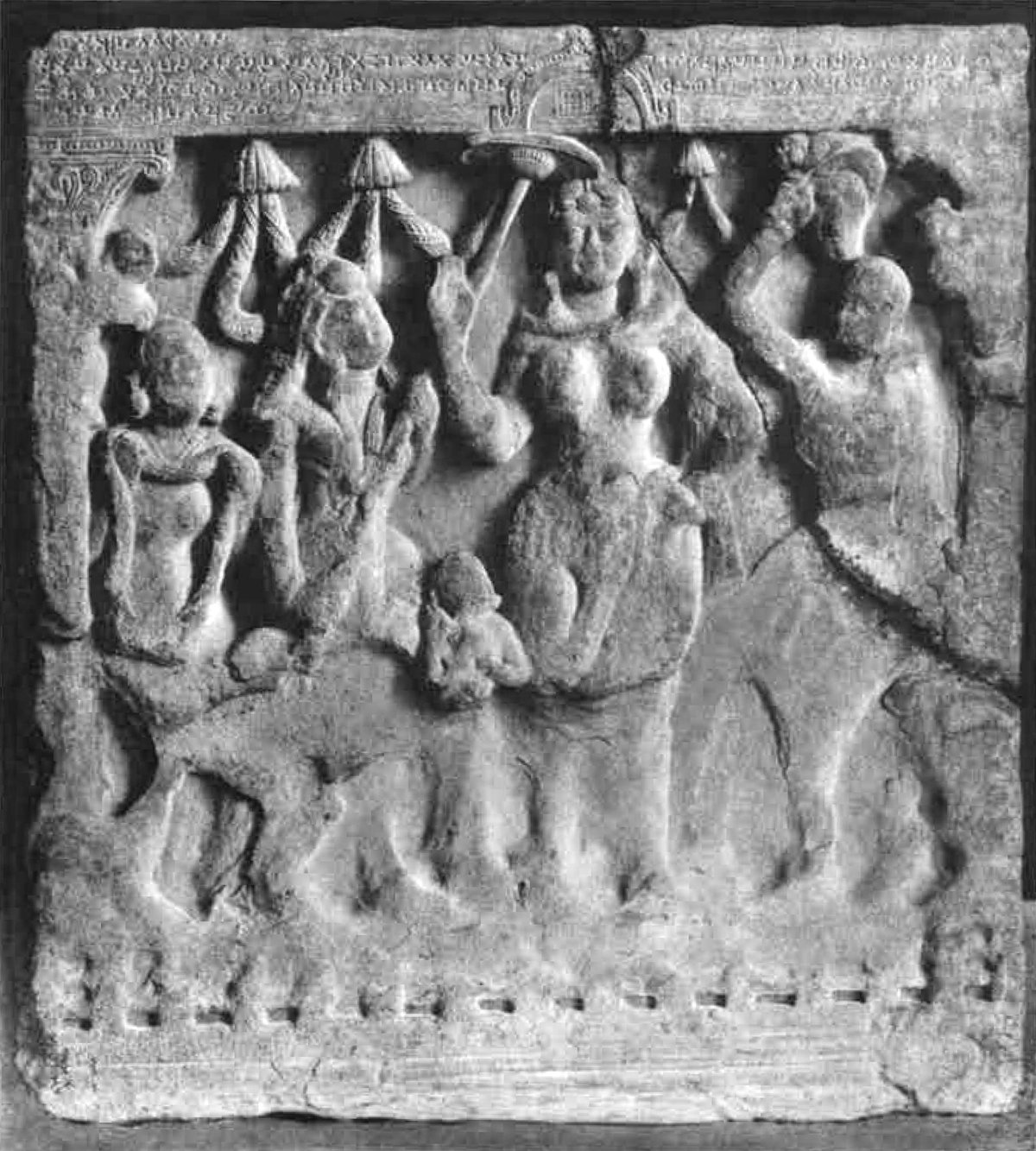
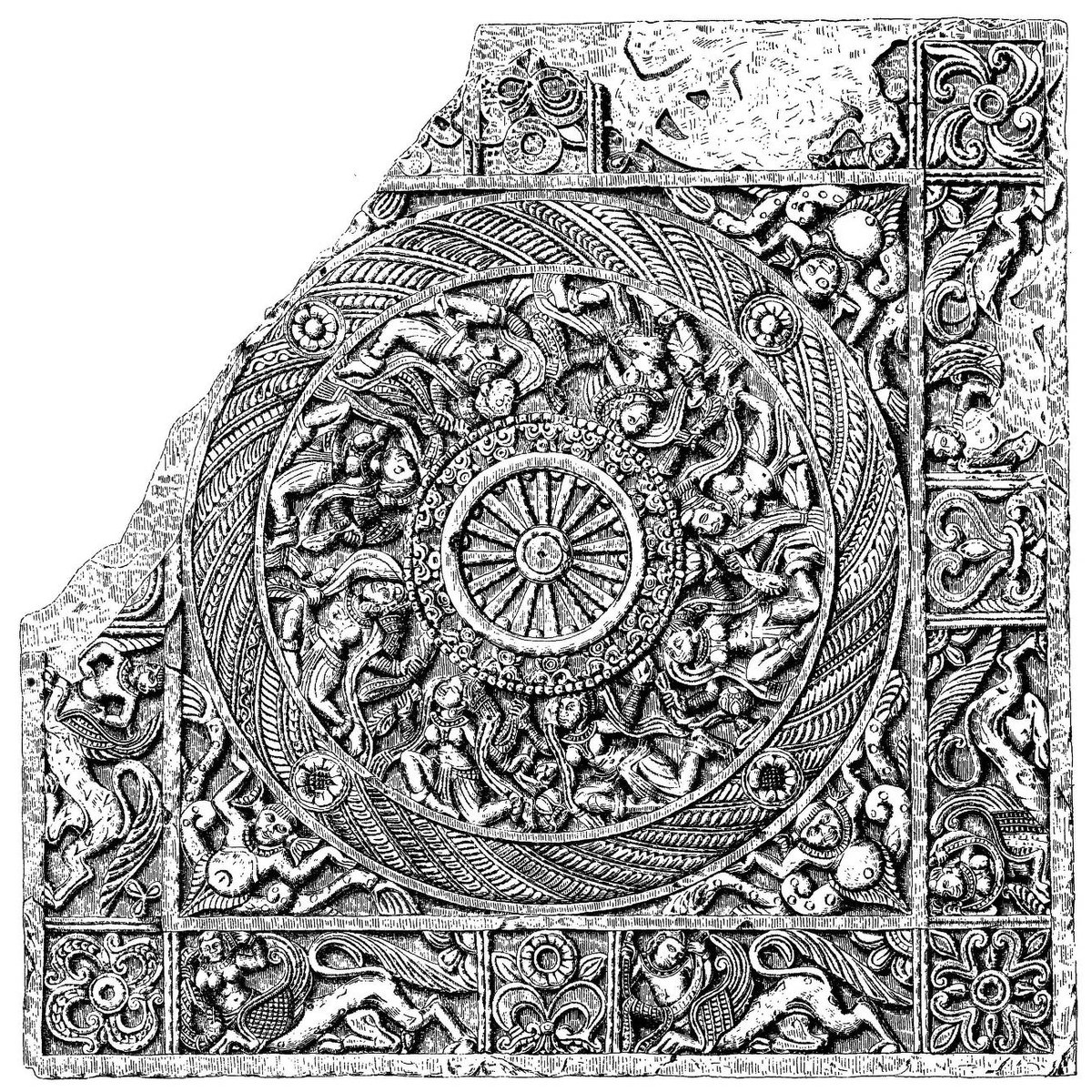
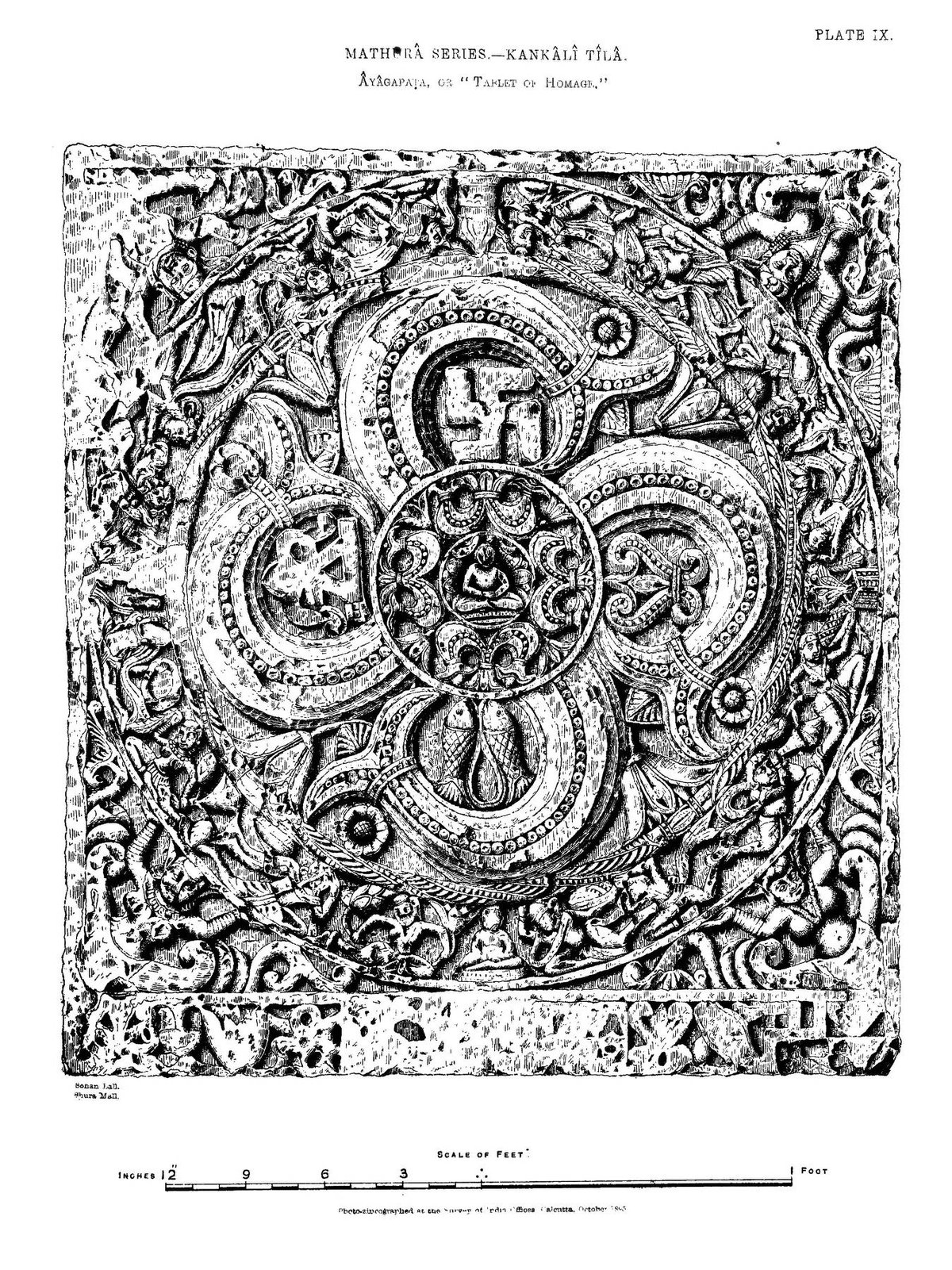
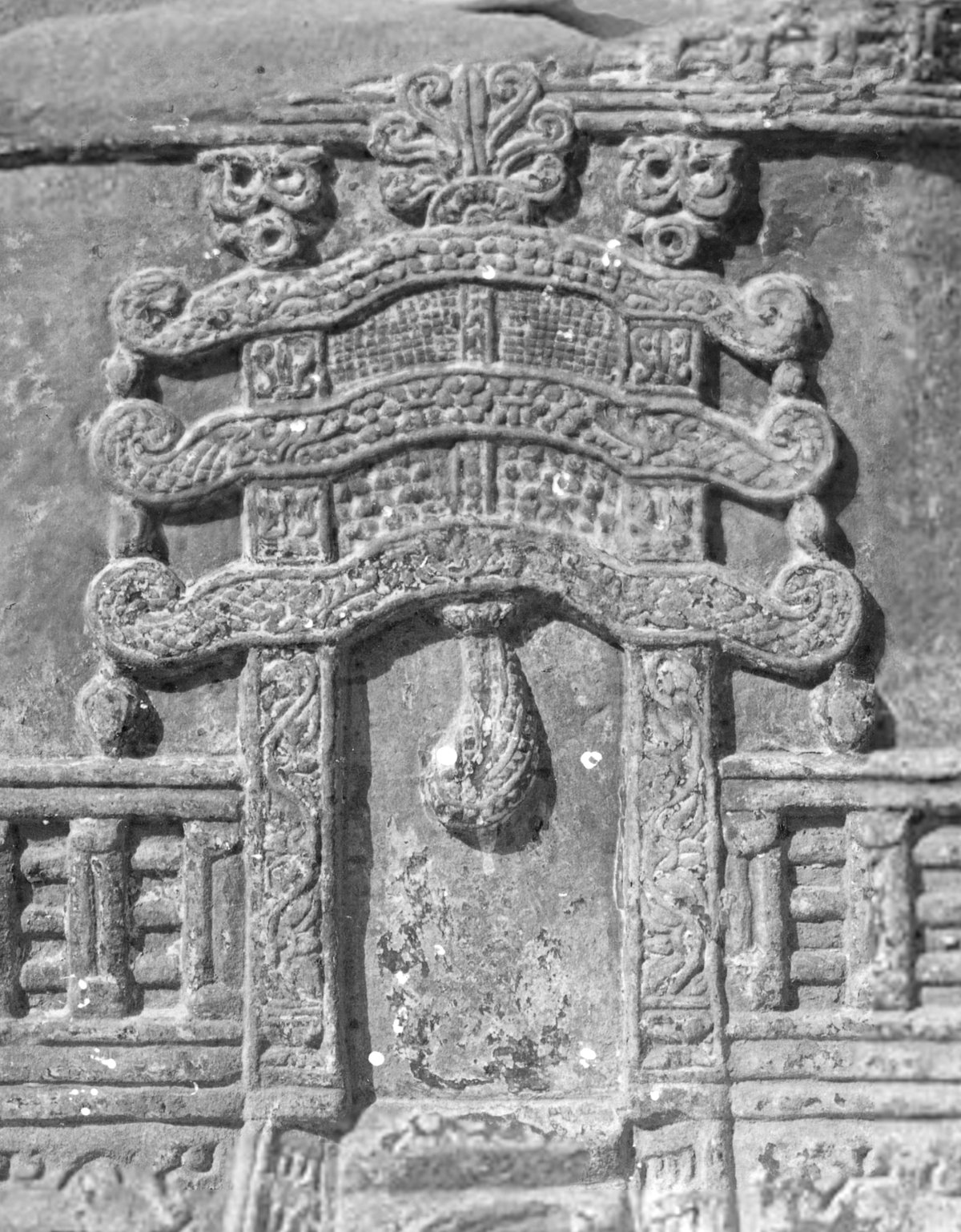
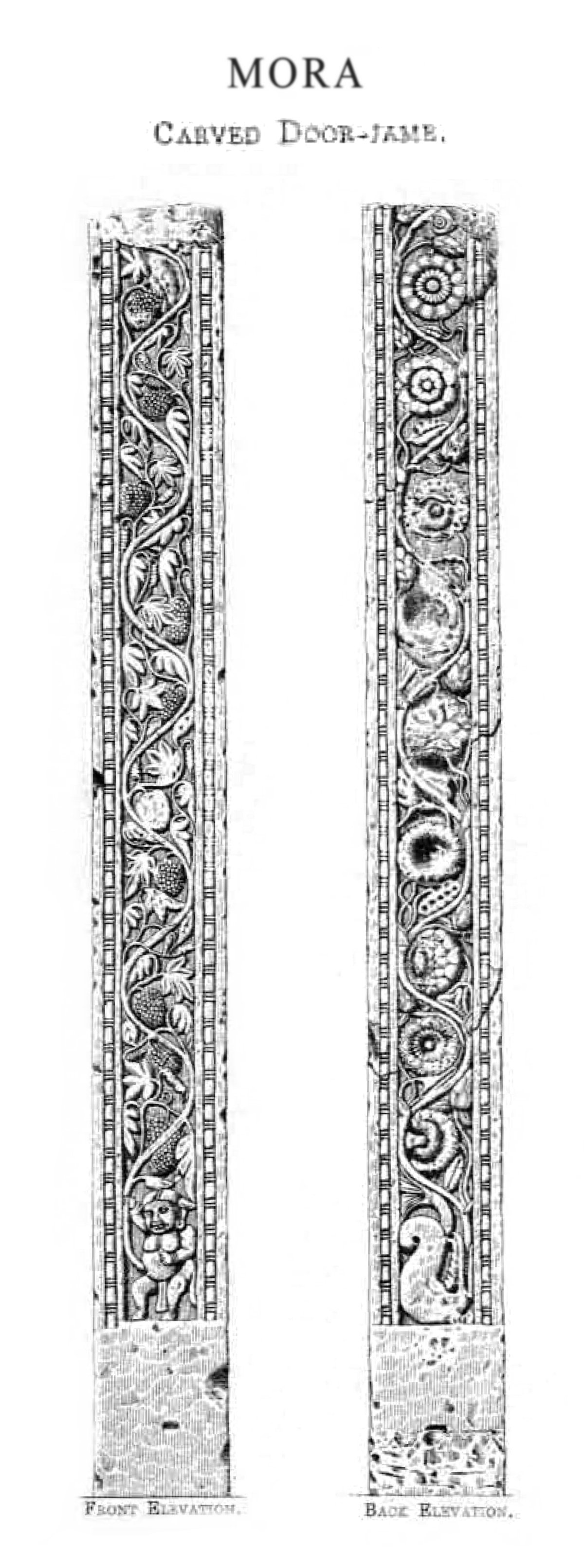
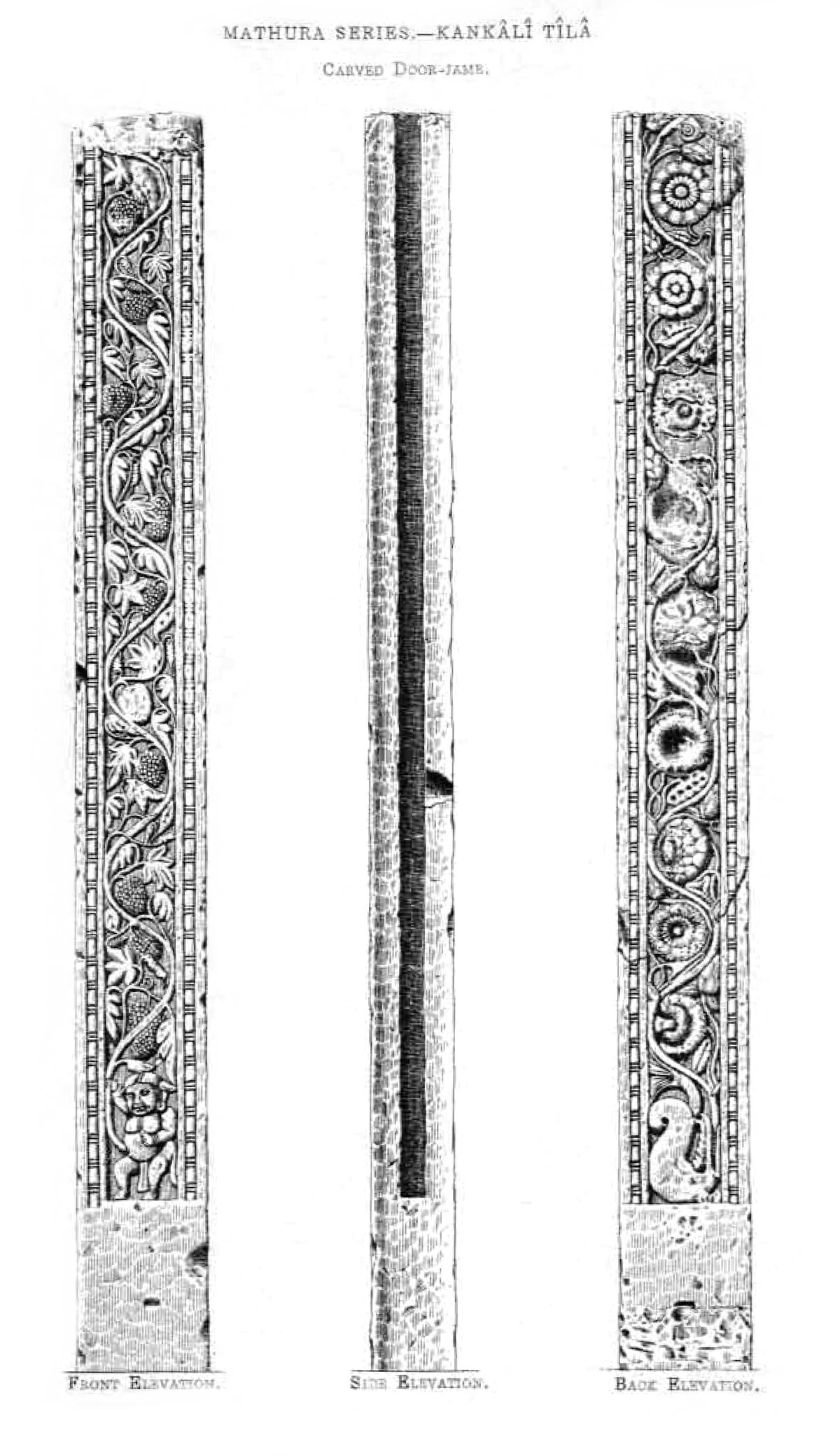
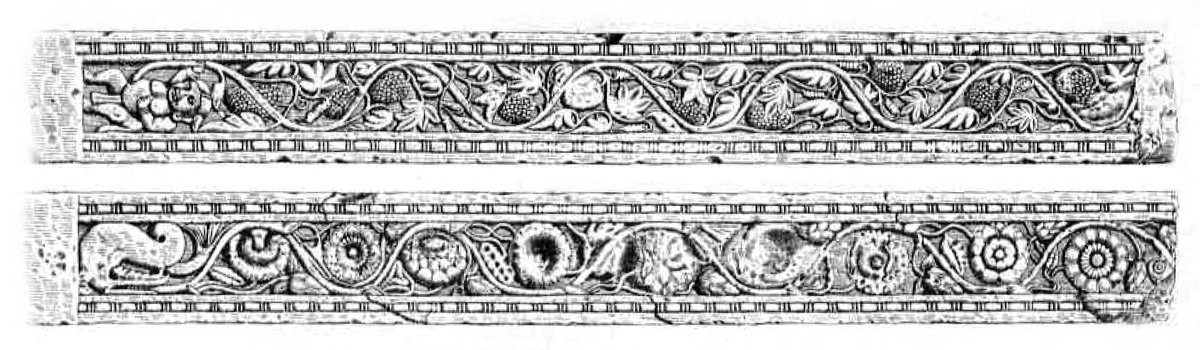
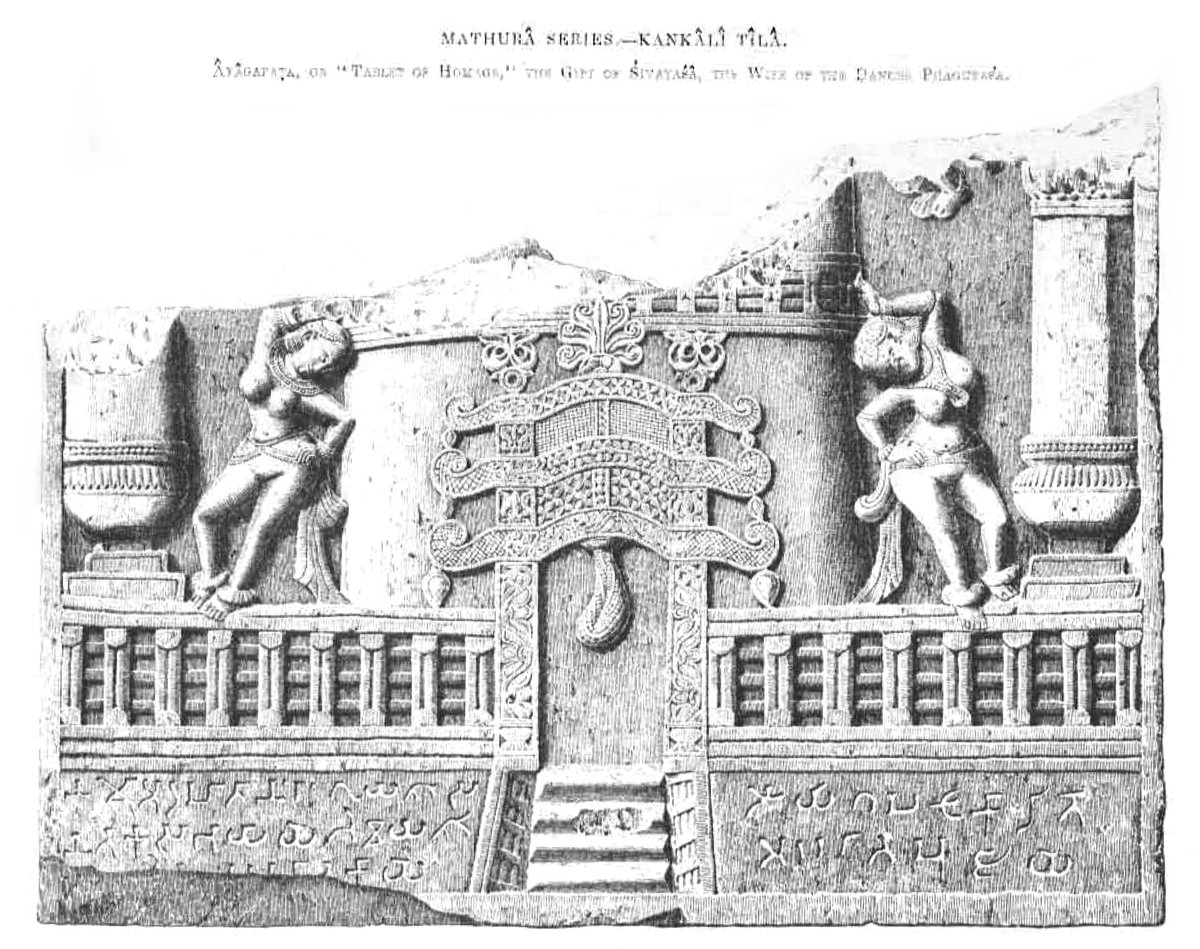
- Archaeological Artifacts: The museum houses a significant collection of archaeological artifacts, including sculptures, pottery, and tools from ancient civilizations. Notable items include terracotta figurines from the Indus Valley Civilization and sculptures from the Maurya and Gupta periods.
- Numismatics: The museum has an extensive collection of coins from different periods, including ancient, medieval, and modern times. The collection provides valuable insights into the economic history of the region.
- Paintings and Manuscripts: The museum's collection of paintings includes works from various schools of Indian art, such as Mughal, Rajput, and Pahari. The manuscript collection includes rare and valuable texts, including illustrated manuscripts and religious texts.
- Ethnographic Collection: The museum also features an ethnographic collection that includes artifacts related to the cultural practices and traditions of various communities in the region. This collection includes textiles, jewelry, and everyday objects.
Notable Artifacts
Some of the most notable artifacts in the State Museum Lucknow include:
- The Buddha Relics: The museum houses relics of the Buddha, which were discovered during excavations at Piprahwa in Uttar Pradesh. These relics are of great religious and historical significance and attract visitors from around the world.
- The Egyptian Mummy: One of the unique attractions of the museum is an Egyptian mummy, which was gifted to the museum by the then ruler of Egypt. The mummy is believed to be over 2,000 years old and is a popular exhibit among visitors.
- The Ashokan Edicts: The museum has a collection of Ashokan edicts, which are inscriptions on rocks and pillars by Emperor Ashoka. These edicts provide valuable insights into the policies and philosophy of one of India's greatest rulers.
Visitor Information
- Opening Hours: The museum is open from 10:30 AM to 4:30 PM, Tuesday to Sunday. It remains closed on Mondays and public holidays.
- Ticket Prices: Entry tickets are priced at INR 20 for adults, INR 10 for children, and INR 100 for foreign nationals. Discounts are available for students and senior citizens.
- Travel Tips: Located within the premises of Lucknow Zoo, the museum is easily accessible by public transport and private vehicles. Parking is available on-site.
- Nearby Attractions: While in the area, consider visiting the Lucknow Zoo and the nearby Botanical Gardens for a comprehensive cultural experience.
- Accessibility: The museum is wheelchair accessible and offers facilities for visually and hearing-impaired visitors.
Educational and Research Activities
The State Museum Lucknow is not just a repository of artifacts but also a center for education and research. The museum conducts various educational programs, workshops, and seminars to promote awareness and understanding of the region's cultural heritage. It also collaborates with academic institutions and researchers to facilitate research in the fields of archaeology, history, and art.
Preservation and Conservation Efforts
The museum places a strong emphasis on the preservation and conservation of its collection. It employs modern techniques and technologies to ensure the long-term preservation of artifacts. The museum's conservation laboratory is equipped with state-of-the-art facilities for the restoration and preservation of artifacts.
Visitor Experience
The State Museum Lucknow offers a rich and engaging experience for visitors. The museum's galleries are well-organized and provide detailed information about the exhibits. Interactive displays and multimedia presentations enhance the visitor experience and make the museum accessible to a wider audience.
Future Plans
The State Museum Lucknow continues to evolve and expand its collection and facilities. Future plans include the development of new galleries, the acquisition of additional artifacts, and the enhancement of educational and research programs. The museum aims to remain a leading institution for the preservation and promotion of the region's cultural heritage.
FAQ Section
- Q: What are the visiting hours for the State Museum Lucknow?
- A: The museum is open from 10:30 AM to 4:30 PM, Tuesday to Sunday. It is closed on Mondays and public holidays.
- Q: What is the ticket price for the State Museum Lucknow?
- A: Entry tickets are priced at INR 20 for adults and INR 10 for children, with discounts available for students and senior citizens.
- Q: Is the museum accessible for people with disabilities?
- A: Yes, the museum is wheelchair accessible and offers facilities for visually and hearing-impaired visitors.
- Q: Are there any nearby attractions to visit?
- A: Yes, the museum is located within the premises of Lucknow Zoo and is close to the Botanical Gardens.
Listen to the full story in the app
The whole State Museum Lucknow,
told well.
Audio guides for 1,100+ cities across 96 countries. History, stories, and local insight — offline ready.
Verified, and shown.
Researched and written by the Audiala editorial team from historical records, architectural archives, and local expertise.
Researched from Wikidata, Wikipedia & official sources · fact-checked · How we make our guides →