Historical Foundations and Establishment
The Need for a Medical College in Northern India
By the late 19th century, Northern India faced a severe shortage of advanced medical education and healthcare services. With only a handful of medical colleges in the country, local rulers and influential citizens advocated for a dedicated institution in Lucknow. Their efforts culminated in 1905, when the Prince of Wales (later King George V) laid the foundation stone for King George’s Medical College. The college officially opened in 1911, driven by a combination of royal patronage, public fundraising, and government support (IJRTI, 2024; Cochrane India).
Architectural Vision
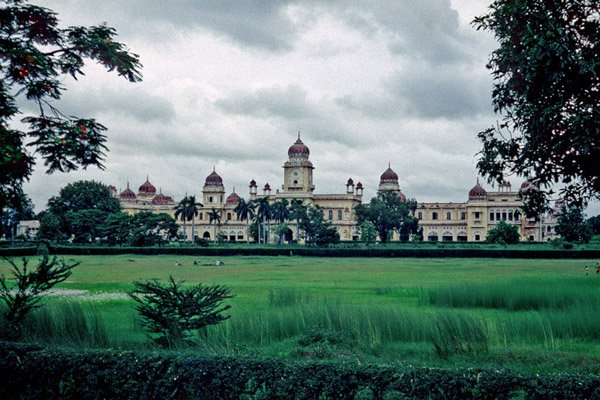
Sir Swinton Jacob, a noted British architect, designed the campus in the Indo-Saracenic style, characterized by grand domes, arches, and intricate ornamentation. The original layout included the main college building, hospital, dispensary, cottage wards, pathological and anatomical blocks, and staff quarters. Over time, additional facilities, including hostels and specialized laboratories, were added to support the growing academic and healthcare needs (IJRTI, 2024; Campus Option).
Architectural and Cultural Significance
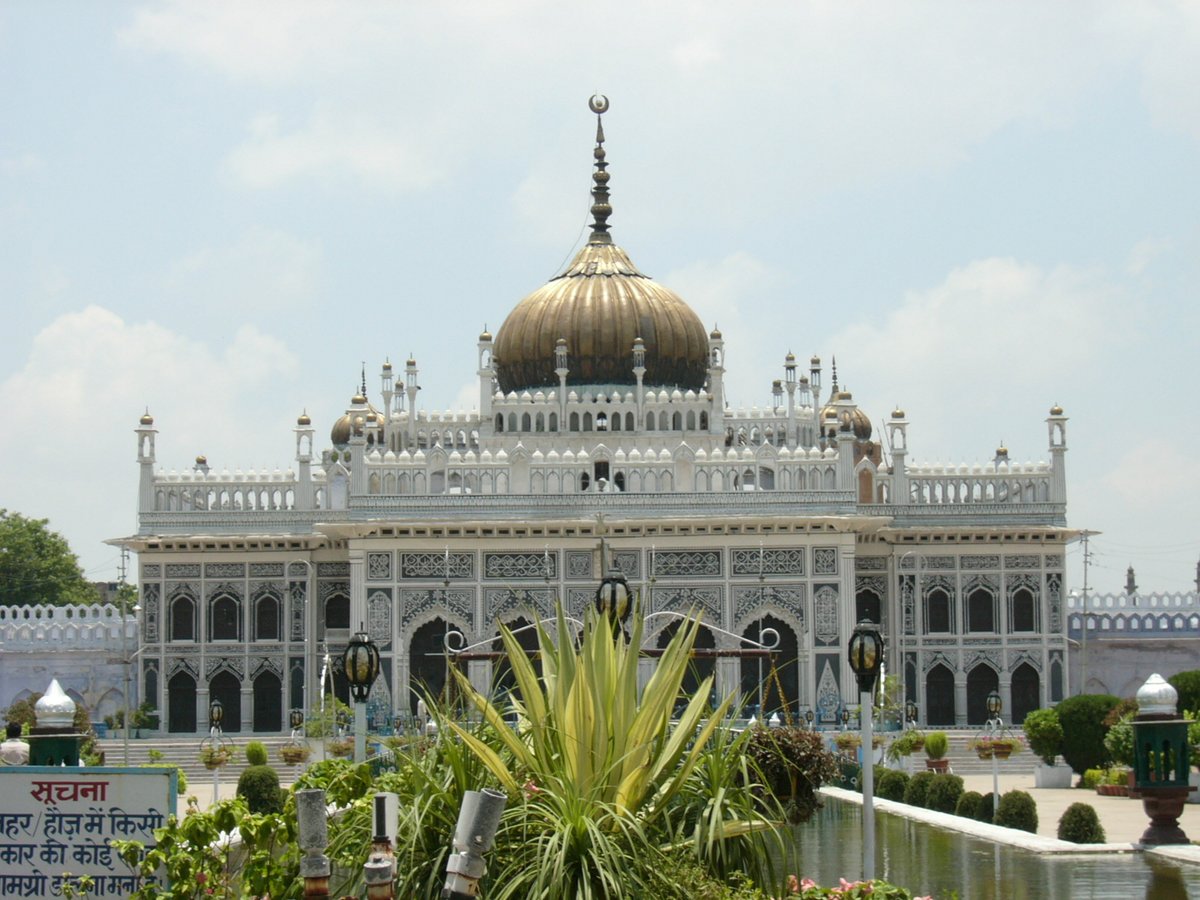
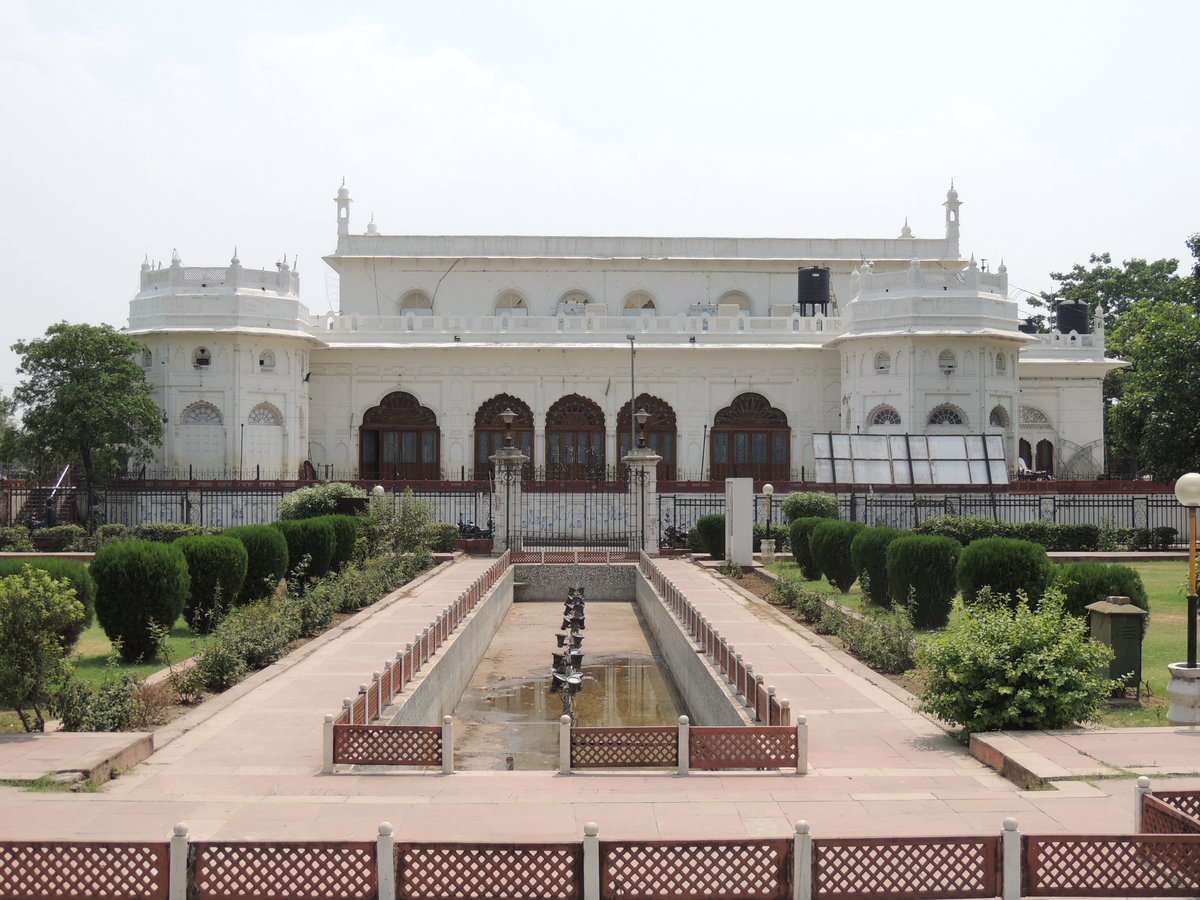
KGMU’s campus is a living showcase of Lucknow’s colonial and cultural heritage. The imposing red-brick buildings, with their domes and expansive courtyards, blend seamlessly with newer additions like the Kalam Center and modern teaching blocks. The university's location near the River Gomti and the historic Chowk area places it at the heart of Lucknow’s vibrant cultural landscape (Campus Option).
Lucknow itself is famed for its history as the seat of the Nawabs of Awadh, and KGMU adds to the city’s reputation as a center of learning, innovation, and refined culture (“tehzeeb”).
KGMU Today: Facilities and Academic Excellence
Since its elevation to university status in 2002, KGMU has expanded its reach and impact:
- Academic Excellence Enrolling nearly 2,000 undergraduate and postgraduate students annually, KGMU is known for its rigorous curriculum, research output, and clinical training (Medical Neet UG; Student Khabri).
- Clinical Infrastructure The campus includes a 4,500-bed hospital network, Lari Cardiology Centre, Trauma & Emergency Block, and a Multi Super Speciality Center.
- Research and Innovation KGMU is a leader in fields such as oncology, transplant sciences, and infectious disease genomics (Cochrane India).
- Facilities The campus features a central library with over 39,000 books, specialized laboratories, modern teaching blocks, IT infrastructure, hostels, cafeterias, banking, and sports complexes.
Visitor Information
Visiting Hours and Entry
- General Hours 9:00 AM to 5:00 PM, Monday through Saturday.
- Entry Fee No ticket or entry fee is required to visit the campus grounds.
- Access Visitors are welcome to explore public areas, heritage buildings, and gardens. Access to clinical, research, and academic areas is restricted.
Guided Tours and Amenities
- Guided Tours Available by prior appointment, especially during academic or heritage events. Contact the university’s public relations office for arrangements.
- Amenities Guest house (advance booking recommended), cafeterias, juice shops, convenience stores, and clean restrooms.
Accessibility
- Wheelchair Access Most modern buildings are wheelchair accessible; pathways and ramps are provided.
- Parking Designated parking spaces are available near the main entrance.
Location and Getting There
- Address Shah Mina Road, Chowk, Lucknow, Uttar Pradesh.
- Nearest Landmarks Teele Wali Masjid (700 meters), Lucknow City Railway Station (1.6 km), Chaudhary Charan Singh International Airport (14.3 km).
- Public Transport Easily accessible via bus, auto-rickshaw, and taxi services.
Travel Tips and Nearby Attractions
- Best Time to Visit October to March for pleasant weather and vibrant campus activity.
- Photography Permitted in public and heritage areas with permission; restricted in clinical and academic zones.
- Dress Code Modest attire is recommended.
- Nearby Sights
- Bara Imambara
- Rumi Darwaza
- British Residency
- Chowk Market and Hazratganj
Recognition, Rankings, and Alumni Legacy
- National Recognition Ranked among India’s top medical institutions (8th by India Today in 2025; 10th in NIRF Medical Colleges 2020; NAAC ‘A’ grade) (Collegedunia; Medical Neet UG).
- Alumni Achievements KGMU alumni have been honored with prestigious awards including Padma Bhushan, Padma Vibhushan, Padmashri, and B.C. Roy Award (Medical Neet UG).
Frequently Asked Questions (FAQ)
Q: What are the visiting hours for KGMU?
A: 9:00 AM to 5:00 PM, Monday through Saturday.
Q: Is there an entry fee or ticket required?
A: No, entry is free for all visitors.
Q: Are guided tours available?
A: Yes, guided tours can be scheduled in advance, particularly during special events.
Q: Can I visit the hospital areas?
A: No, clinical and research zones are off-limits to tourists.
Q: Are there accessible facilities for differently-abled visitors?
A: Yes, most buildings are wheelchair accessible. Notify the administration in advance if special assistance is needed.
Q: What are the nearby attractions?
A: Bara Imambara, Rumi Darwaza, British Residency, Chowk Market, and Hazratganj are within easy reach.