Historical Background and Significance
Strategic Location and Development
Maniyar Dam is strategically located to harness the Pamba River system's potential for irrigation and hydroelectricity. The dam supports agriculture, industry, and local communities through its water and energy management (Wikipedia).
Maniyar Hydro Project Genesis
Commissioned in 1994 by Carborundum Universal Limited (CUMI) under the BOT model, the Maniyar Hydroelectric Plant set a precedent for public-private partnerships in Kerala's energy sector (CUMI History; Construction World). With a 12 MW generation capacity, the plant continues to bolster the region’s power supply.
Technical and Operational Milestones
Over the decades, Maniyar Dam has seen technical upgrades and contract renewals, reflecting its lasting importance in Kerala’s energy and irrigation landscape.
Maniyar Dam: Practical Visitor Information
Visiting Hours
- General Opening 8:00 AM – 6:00 PM daily.
- Best Visiting Window October to March, when the climate is most pleasant.
- Special Closures Check locally for seasonal or maintenance closures.
Tickets and Entry Fees
- Entry Fee Free for general visits.
- Special Tours Guided hydroelectric plant tours require prior permission and may have specific guidelines.
Accessibility
- By Road 20–30 km from Pathanamthitta and Ranni; accessible by bus, taxi, or private vehicle (TripInIC; yappe.in).
- Nearest Railway Station Murahara, about 8.7 km away.
- Parking Ample parking for vehicles.
Facilities and Amenities
- Food & Refreshments Limited options; carry your own snacks and water.
- Rest Areas Some benches and shaded spots, but facilities are basic (onmanorama.com).
- Restrooms Basic, may not meet high tourist standards.
- Accessibility for Differently-abled Limited; plan ahead if needed.
Attractions and Activities
- Dam and Reservoir Picturesque views, especially post-monsoon.
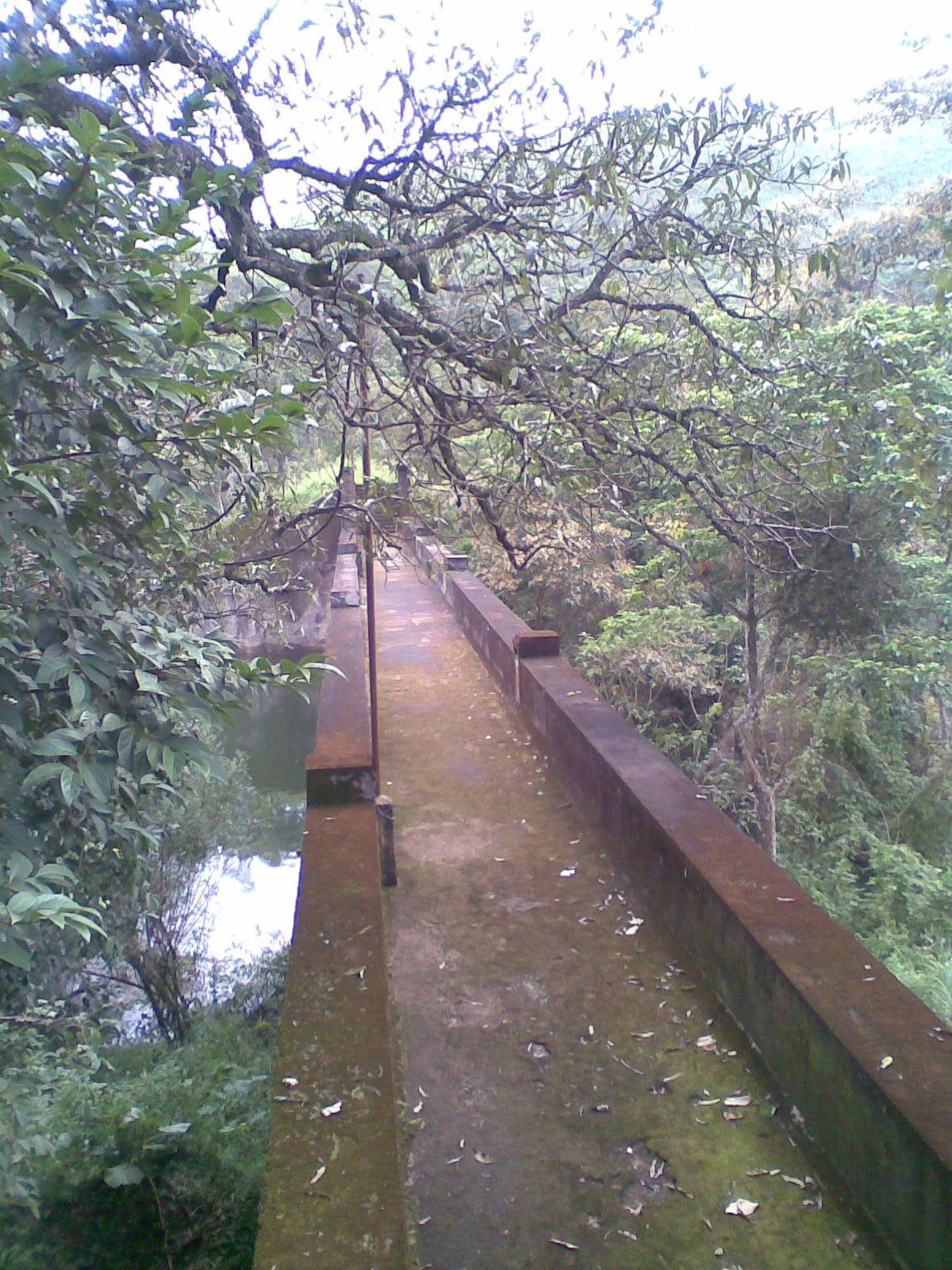
- Historic Suspension Bridge British-era bridge for unique walks and views (onmanorama.com).
- Colonial Bungalow Heritage structure accessible to enthusiasts (check local access).
- Nature Walks & Birdwatching Rich in birdlife and natural beauty.
- Hydroelectric Plant Tour Educational tours available by advance arrangement (yappe.in).
- Nearby Attractions Sabarimala, Perunthenaruvi Waterfalls, Pandalam Palace, Konni Elephant Reserve.
Environmental and Socio-Economic Impact
Irrigation and Agriculture
Maniyar Dam is essential for irrigating paddy, coconut, and cash crops in Pathanamthitta, stabilizing yields and supporting livelihoods (Kerala Marine Life Journal).
Hydroelectric Power
The dam’s 12 MW power plant contributes to Kerala’s green energy goals, reducing reliance on fossil fuels.
Flood Control
Sluice gates and outlets manage monsoon floods, protecting downstream communities (Manorama Online).
Fisheries and Ecology
The reservoir supports diverse fish species and aquaculture, providing supplementary income to locals. Regular water quality monitoring ensures ecological balance (Kerala Marine Life Journal).
Tourism and Community
The dam has spurred local tourism and infrastructure, supporting small businesses and promoting sustainable, community-engaged resource management.
Visitor Guidelines and Safety
- Monsoon Safety Trails and bridges can be slippery; wear sturdy shoes.
- Swimming Not advised due to strong currents.
- Waste Disposal Carry back all litter as facilities are limited.
- Wildlife Stay alert, especially when exploring forested areas.
- Permissions Arrange plant tour permissions in advance.
Emergency Contacts
- Police 100
- Fire 101
- Ambulance 102/108
- Highway Alert 9846 100 100
- Railway Alert 9846 200 100
Best Time to Visit
- October–March Cool and comfortable, ideal for outdoor activities.
- June–September Lush landscapes during monsoon, but some trails may be inaccessible (travellersworldwide.com; easeindiatrip.com).
- April–May Hot and humid, less comfortable for exploration.
Local Culture and Etiquette
- Languages Malayalam (official), English widely spoken.
- Dress Modest attire recommended; respect local customs.
- Support Locals Purchase from local shops and artisans.
Sustainable Tourism Tips
- Use reusable containers.
- Dispose of waste responsibly.
- Respect wildlife and local culture.
- Participate in community-led activities where possible.
Frequently Asked Questions (FAQs)
Q: What are Maniyar Dam's visiting hours?
A: 8:00 AM – 6:00 PM daily.
Q: Is there an entry fee?
A: No, entry is free.
Q: Are guided tours available?
A: Yes, with prior permission for hydroelectric plant tours.
Q: Is it safe for children and families?
A: Yes, but supervise children near water and bridges.
Q: Is Maniyar Dam accessible for differently-abled visitors?
A: Main viewing areas are vehicle-accessible; some paths and bridges may not be suitable.
Q: Can I swim or fish in the reservoir?
A: Swimming is not advised; fishing is regulated.
Q: Are there food outlets nearby?
A: Limited; advisable to bring your own snacks and water.
How to Plan Your Visit
- Duration 2–4 hours for full experience.
- Bring Water, snacks, rain gear (monsoon), camera, binoculars, first-aid kit.
- Transport Private vehicle or taxi is most convenient; public buses connect to Pathanamthitta and Ranni.