Historical and Cultural Significance
Founding and Early Development
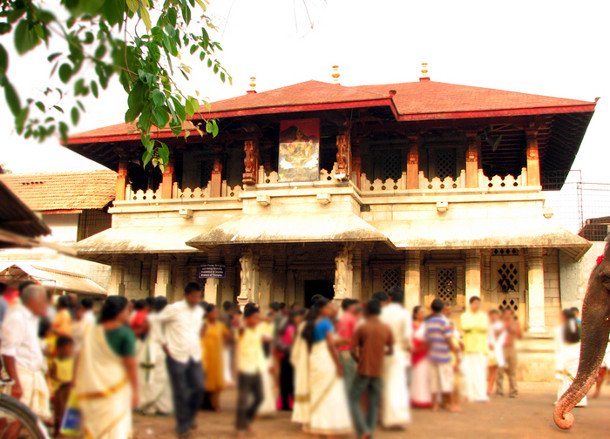
Sringeri Sharadamba Temple traces its origin to the 8th century CE. According to legend, Adi Shankaracharya was inspired to establish the temple after witnessing a cobra sheltering a pregnant frog—a symbol of compassion and harmony. He established the Sharadamba Temple and the Sringeri Sharada Peetham, making it the southern cardinal matha of his four cardinal monasteries.
Originally, the temple housed a simple sandalwood idol of Goddess Sharadamba installed over a Sri Chakra. Over time, especially under the Vijayanagara Empire and the guidance of Sri Vidyaranya, the temple was rebuilt and expanded. The present golden idol was installed to enhance its spiritual and architectural grandeur.
Architectural Evolution
The temple complex showcases a blend of architectural influences:
- Dravidian Style Granite base, pyramidal gopurams, and thick sanctum walls.
- Vijayanagara and Hoysala Elements Ornate pillars, sculpted friezes, and the star-shaped platform of the Vidyashankara Temple.
- Kerala Features Timber and tiled roofing in earlier reconstructions.
The Vidyashankara Temple, within the complex, is especially noted for its twelve zodiac pillars, which align with the sun’s movement, integrating astronomical knowledge into spiritual design (Trawell.in).
Sringeri Sharada Peetham
The Sringeri Sharada Peetham maintains a lineage of spiritual leaders who continue Advaita Vedanta teachings and Vedic scholarship. The Peetham is a vital religious and educational institution, safeguarding centuries-old traditions.
Temple Complex: Key Features
Sharadamba Temple
- Sanctum and Idol Houses a golden seated idol of Sharadamba, symbolizing wisdom and learning. The sanctum door is covered in gold and adorned with Ashtalakshmi panels (AstroVed).
- Rajagopuram The seven-tiered, 128-foot gateway tower is a landmark of Dravidian architecture (AstroVed).
- Maha Mandapam & Navaranga Mandapam Halls with intricately carved stone pillars depicting various deities.
- Silver Mandap and Sri Chakra Inside the sanctum, housing the idol of Sri Bhuvaneshwari Devi.
Vidyashankara Temple
- Architectural Synthesis Built in the 14th century with Hoysala, Vijayanagara, and Dravidian elements (Trawell.in).
- Zodiac Pillars Twelve pillars representing the zodiac signs, serving as a solar calendar.
- Sanctum Contains the Vidya Shankara Linga and other unique icons, including a rare pearl Nandi.
Additional Features
- Auxiliary Shrines Dedicated to Adi Shankaracharya, Sri Sureshwaracharya, Bala Subrahmanya, and others.
- Riverfront Ghats Provide scenic and ritual access to the Tunga River.
- Stone Inscriptions Chronicling the temple’s history and patronage (AstroVed).
Visiting Information
Temple Timings
- Sharadamba Temple 6:00 AM – 2:00 PM and 4:00 PM – 9:00 PM
- Vidyashankara Temple 7:00 AM – 1:00 PM and 5:00 PM – 8:30 PM
- Jagadguru Darshan 10:30 AM – 12:30 PM and 5:45 PM – 6:30 PM
- Annadanam (Free Meals) Served daily at lunchtime
Timings may vary during festivals or special occasions. Refer to the official schedule.
Tickets and Entry
- Entry Fee Free for all visitors
- Special Poojas Charges apply and can be booked online via the official website
- Photography Prohibited inside the sanctum; allowed in designated areas outside
Dress Code & Conduct
- Men Dhoti or mundu with angavastram; shirts or t-shirts not permitted inside.
- Women Saree or salwar kameez with dupatta; western attire discouraged.
- Head Covering Encouraged for all visitors.
- General Conduct Silence, decorum, and respect for temple rules are mandatory; mobile phones should be switched off or kept silent.
Accessibility
- The complex is moderately accessible, with ramps and assistance available for differently-abled visitors. Some areas have steps and may require help; advance notice is advisable.
How to Reach Sringeri
- By Air Mangalore International Airport is the nearest (110–150 km). Taxis and buses are available (bestbengaluru.com).
- By Train Udupi (75 km) and Shivamogga (90 km) are the closest stations. Continue by taxi or bus (gokshetra.com).
- By Road Well-connected with Bengaluru, Mangalore, Udupi, and Chikkamagaluru by state-run and private buses (bestbengaluru.com).
Accommodation and Facilities
- Temple Guest Houses Basic, clean accommodations offered by the Sringeri Math.
- Hotels and Lodges Options like Bhadra Kali Lodge and Advaith Lancer are available nearby.
- Facilities Annadanam, parking, restrooms, cloakroom, and medical services.
Rituals, Festivals, and Special Events
- Daily Rituals Begin with Suprabhatam at 5:30 AM; multiple pujas and Vedic hymns throughout the day.
- Annadanam Free community meals for all visitors.
- Navaratri The most significant festival, featuring elaborate rituals, processions, and cultural programs (cultureandheritage.org).
- Jagadguru Darshan Opportunity for spiritual interaction with the temple’s spiritual head.
Nearby Attractions
- Vidyashankara Temple Renowned for its astronomical pillars and detailed carvings (Trawell.in).
- Tunga River Ghats Ideal for meditation and ritual bathing.
- Kudremukh National Park A short drive for nature lovers.
- Other Temples Annapoorneshwari, Kigga Rishyashringeshwara, and Malahanikareshwara Temples.
- Agumbe Rainforest A biodiversity hotspot nearby.
Travel Tips
- Best Season October to March for pleasant weather and major festivals.
- Language Kannada is local; English and Hindi are commonly understood.
- Footwear Remove before entry; racks provided.
- Monsoon Carry rain gear during June–September.
- Safety Security checks in place; minimal valuables recommended.
Frequently Asked Questions (FAQs)
Q1: What are the temple’s visiting hours?
A: Sharadamba Temple is open from 6:00 AM to 2:00 PM and 4:00 PM to 9:00 PM. Other shrines have slightly different timings.
Q2: Is there an entry fee?
A: No, general entry is free.
Q3: How do I book special poojas?
A: Through the official Sringeri Sharada Peetham website.
Q4: Is there a dress code?
A: Yes, traditional attire is mandatory; see above for details.
Q5: Are facilities available for differently-abled visitors?
A: Yes, but some areas have steps; assistance is available with prior notice.
Summary and Visitor Recommendations
The Sringeri Sharadamba Temple is a living testament to the enduring legacy of Adi Shankaracharya and the rich traditions of Karnataka. Its architectural marvels, vibrant rituals, and scholarly atmosphere offer a unique experience for pilgrims, culture seekers, and history buffs alike. Plan your visit during the cooler months or during festivals such as Navaratri for a deeper cultural immersion. Take time to explore the surrounding temples, riverbanks, and natural attractions for a holistic journey into Karnataka’s spiritual and historical landscape.
Stay updated and plan your visit using authoritative resources such as the Sringeri Sharada Peetham website, the Karnataka tourism portal, and Pravase.