An introduction.
Researched by the Audiala editorial team from historical records, architectural archives, and local expertise.
AA 20-year-old medical student once rolled a 1937 Wanderer out of a guarded driveway here, and the British police on Elgin Road did not grasp what they had missed until morning. Netaji Bhawan in Kolkata, India, matters because it turns a national myth back into rooms, floorboards, and risk. You visit for the preserved escape car, the verandah marked with footsteps, and the unnerving closeness of history: one family house that became a launch point for one of the 20th century's boldest anti-colonial acts.
Janakinath Bose built the house in 1909 at 38/2 Elgin Road, now Lala Lajpat Rai Sarani, for a large and ambitious Bengali family. That matters when you walk in. The place still feels domestic before it feels monumental, which gives the politics more force.
Most museums flatten people into slogans. Netaji Bhawan does the opposite. You see the bedstead of the father who paid for the house, the papers that outlived empires, and the German-made car that carried Subhas Chandra Bose only about 250 kilometers, roughly the distance from Kolkata to Digha, before the rest of his escape scattered across rail lines, borders, and war.
And the building still argues with the present. The archives, the family memory, the debate over Bose's death, even the ownership tensions of the house itself all linger in the air, as real as the Kolkata heat on the verandah.
01 What to see.
The Wanderer Car and the Driveway of Departure
The Staircase, the Bedroom, and the Last Letter
Read the House Before You Read the Hero
02 In pictures.


Plan and listen to Netaji Bhawan with Audiala.
Audio guide in your pocket, itinerary in your browser. Built for the way you actually visit.
03 Visitor logistics.
The practical scaffolding for a good visit — kept short.
Getting There
Netaji Bhawan stands at 38/2 Lala Lajpat Rai Sarani in Bhowanipore, and the easiest route is Kolkata Metro to Netaji Bhawan station, then a short walk that takes about 3 to 5 minutes. From Victoria Memorial, expect a 10-minute cab ride for roughly 2 to 3 km, about the length of 25 cricket pitches laid end to end; from Howrah Station, allow 20 to 30 minutes by cab or metro depending on traffic.
Opening Hours
As of 2026, the museum opens Tuesday to Sunday from 11:00 AM to 6:00 PM and closes every Monday. January 23, Netaji's birthday, draws heavy crowds and special programs, so call ahead on public holidays or anniversary dates at 033 2486 8139.
Time Needed
Give it 45 to 60 minutes if you only want the preserved room, the Wanderer car, and the core escape story. A proper visit takes about 90 minutes, and 2 to 2.5 hours makes sense if you read the document galleries carefully or catch a screening in Sarat Bose Hall.
Accessibility
No verified accessibility provision appears in the available 2026 research, and this 1909 house includes historic staircases and multiple floors. Wheelchair access is likely limited, so anyone needing step-free entry should call the museum before visiting rather than guessing on arrival.
Cost & Tickets
As of 2026, the posted entry fee is ₹50 for adults and ₹20 for children. No online booking, free-entry day, or combined ticket is confirmed, so carry cash or a backup payment method and verify the latest price by phone if your budget is tight.
04 Tips for visitors.
Small things that change the day.
Weekday Morning
Go on a weekday morning if you want the house quiet enough to read. School groups often arrive later, and the mood changes fast once the galleries fill with voices.
Ask Before Photos
Basic photography is usually fine in museums like this, but archival displays and preserved rooms may have restrictions. Ask at the desk about flash, tripods, and the Wanderer car instead of assuming; rules can shift room by room.
Keep It Subdued
Kolkatans treat this place with real feeling, closer to a memorial than a casual museum stop. Speak softly, don't clown around for photos, and give the room where Bose lived under surveillance a minute of actual attention.
Eat Nearby
After your visit, walk to Balaram Mullick & Radharaman Mullick in Bhowanipore for mishti doi or sitabhog at budget to mid-range prices. If you want a longer meal, take a short cab to 6 Ballygunge Place for Bengali fish and thalis, or head to Oh! Calcutta at Forum Courtyard for a splurge.
January Crowds
January 23 changes the rhythm of the house completely. If you want ceremony, speeches, and floral tributes, that's your day; if you want to read labels in peace, pick almost any other week of the year.
Travel Light
No luggage storage is confirmed, and the house was built for a family, not for modern backpacks the size of a washing machine. Bring a small bag, keep valuables close, and use the metro or a cab because parking on Lala Lajpat Rai Sarani is usually a nuisance.
Where to Eat
Don't Leave Without Trying
Naani's Magical Bakes
quick biteOrder: Fresh pastries and artisanal bakes—this is where locals grab their morning treats and afternoon indulgences. The 5-star rating speaks volumes in a city that takes its sweets seriously.
A hidden gem in Bhowanipore with perfect ratings, Naani's offers handcrafted bakes that rival the heritage pastry shops on Park Street, but with a neighborhood warmth and accessibility that makes it feel like a local secret.
Club Diora
quick biteOrder: Cocktails and bar bites—this is the place to unwind after exploring Netaji Bhawan with a solid drink and casual atmosphere. The 4.8 rating from 58 reviews shows consistent quality.
Club Diora is where Bhowanipore's young professionals and locals gather for evening drinks. It's unpretentious, well-reviewed, and close enough to make it your natural post-monument hangout.
Matcha & Me
cafeOrder: Matcha lattes and specialty teas—this cafe brings contemporary tea culture to Bhowanipore. A calm, focused spot for a proper beverage experience rather than chai-stall chaos.
Matcha & Me stands out as a thoughtful, modern cafe in a traditional neighborhood. It's the kind of place locals linger over a good cup, away from tourist crowds, with consistently high ratings.
Pizza Di Hatti
quick biteOrder: Thin-crust pizzas and casual cafe fare—a reliable spot for lunch or dinner without pretension. The 4.7 rating from 37 reviews shows it's a neighborhood staple, not a tourist trap.
Located right opposite Bhawanipore College, Pizza Di Hatti is where students and locals eat well without fuss. It's casual, affordable, and genuinely good—the kind of place that survives on repeat customers, not hype.
Dining Tips
- check Bhowanipore is a residential neighborhood—most restaurants are casual and close by 10–11 PM; plan accordingly.
- check Cash is still common; carry small notes for street food and smaller eateries.
- check Lunch is typically 12:30–2:30 PM; dinner service starts around 7 PM.
- check Many neighborhood restaurants are closed between 3–6 PM (afternoon break); call ahead if visiting mid-afternoon.
- check Bengali sweets are best eaten fresh in the morning or early afternoon; avoid late-night purchases.
Restaurant data powered by Google
05 The Night A House Slipped Its Guard
Records show that Janakinath Bose built this house in 1909 as the residence of a rising legal dynasty, not as a museum and not as a shrine. Subhas Chandra Bose grew up here among siblings, lawyers, arguments, servants, and political visitors, which helps explain why the place never feels like a single man's stage set.
By the late 1930s, the address had become dangerous. Bose had founded the Forward Bloc in 1939, broken with Congress leadership, and drawn relentless British surveillance; by January 1941, the house on Elgin Road stood halfway between family home and cage.
Sisir Kumar Bose and the Drive That Changed Scale
The key figure on the decisive night was not Subhas Chandra Bose alone but his nephew Sisir Kumar Bose, a 20-year-old medical student with a steady nerve and a terrible amount to lose. If the plan failed, he risked arrest, the wrecking of his career, and the public ruin of a family whose standing Janakinath had built over decades.
Scholarly consensus places the escape on the night of January 16 into January 17, 1941. Local accounts describe Bose, disguised as Mohammed Ziauddin, leaving the house under watch while Sisir brought the Wanderer into position, then drove him out through sleeping streets toward Gomoh railway station.
That was the turning point. Up to that moment, Netaji Bhawan held a confined nationalist under guard; after that drive, it became the first chapter of an international operation that would carry Bose through Kabul and Berlin to the Indian National Army's later campaigns in Southeast Asia.
Before the Legend, a Family House
From Residence to Archive
Listen to the full story in the app
The whole Netaji Bhawan,
told well.
Audio guides for 1,100+ cities across 96 countries. History, stories, and local insight — offline ready.

06 Frequently asked.
The questions travellers send us most about Netaji Bhawan.
Is Netaji Bhawan worth visiting?
Yes, especially if you want one place in Kolkata where history still feels warm to the touch. You see the preserved house at 38/2 Lala Lajpat Rai Sarani, the room where Subhas Chandra Bose lived under guard, and the 1937 Wanderer car that carried him out on the first leg of his January 1941 escape. Give it real time, not a rushed 20-minute stop.
How long do you need at Netaji Bhawan?
Most visitors need 60 to 90 minutes, and closer to 2 hours if they read the exhibits properly. The house is more than a quick photo stop: the museum rooms, archives, memorial displays, and the escape car reward slow attention. If a screening is running in Sarat Bose Hall, add another 30 to 60 minutes.
How do I get to Netaji Bhawan from Kolkata?
The easiest way is the Kolkata Metro to Netaji Bhawan station, which sits within walking distance of the house. You can also take a taxi or app cab to 38/2 Lala Lajpat Rai Sarani in Bhowanipore; from Victoria Memorial the ride is about 2 to 3 kilometers, roughly the length of a brisk 30-minute city walk. Buses serving the Sarat Bose Road and Elgin Road crossing work too, but the metro is cleaner and faster.
What is the best time to visit Netaji Bhawan?
A weekday morning between November and February is the best time to visit. Kolkata's winter light is gentler, the heat backs off, and the old house feels easier to move through than it does in April or May, when the city can push past 40°C. January 23 brings the strongest atmosphere, but crowds swell fast.
Can you visit Netaji Bhawan for free?
Usually no, as research notes point to an entry fee of about ₹50 for adults and ₹20 for children. Prices can change, so call ahead if cost matters or if you are visiting on a public holiday. No free-entry day was confirmed in the research.
What should I not miss at Netaji Bhawan?
Do not miss the 1937 Wanderer car, the preserved bedroom, and the quieter details that most people rush past. The J.N. Bose plaque at the entrance matters because it reminds you this began as Janakinath Bose's family home in 1909, not as a memorial, and the marked escape route on the verandah turns one night in January 1941 into something almost physical. The INA memorial replica is worth your attention too.
What are the opening hours of Netaji Bhawan?
Netaji Bhawan is generally open Tuesday to Sunday from 11:00 AM to 6:00 PM and closes on Mondays. Holiday timings were not firmly confirmed, so call the museum before you go if you are visiting during a festival or national holiday. January 23 can bring special programs and heavier crowds.
Verified, and shown.
Researched and written by the Audiala editorial team from historical records, architectural archives, and local expertise.
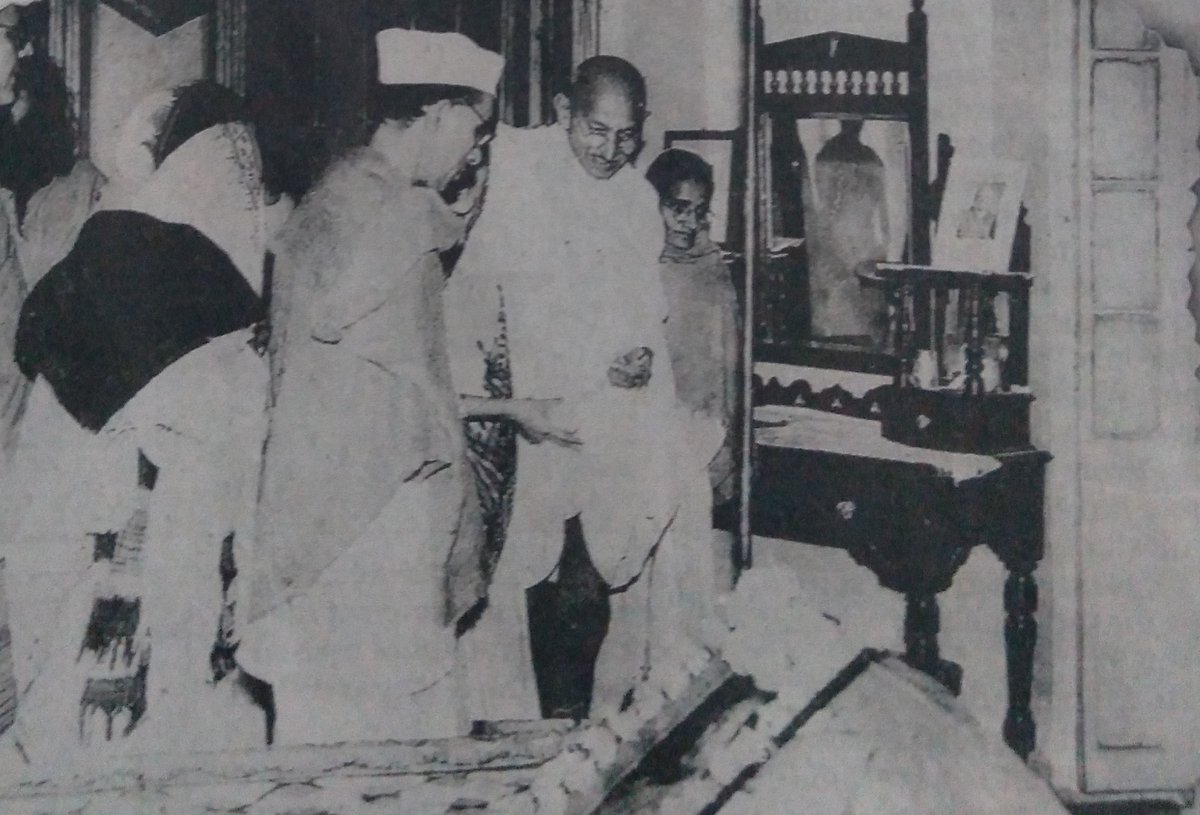
Used for the house history, 1909 construction date, 1941 escape context, post-war visits by Gandhi and Nehru, Shinzo Abe visit reference, and the 2014 family dispute citations.
Used for architectural details, museum highlights, J.N. Bose plaque, Janakinath's bedstead, INA memorial replica, Freedom Library, and practical heritage overview.
Used to support historical background, museum conversion date, and general visitor context.
Used for detailed narrative around Bose's house arrest, the January 1941 escape, footprint markings, and museum chronology; some precise dates remain single-source.
Used for later commemorative context and Shinzo Abe's connection to Netaji memory.
Used for the 2014 family eviction controversy linked to Netaji Bhawan.
Used for reporting on the January 2014 family dispute at the house.
Used for opening hours, ticket prices, phone number, metro access, nearby bus stop, and visitor logistics.
Used in the research packet as a supporting source for opening hours, ticket information, and auditorium details.
Used in the research notes for general historical framing and the 1941 escape reference.
Used for the Wanderer car details, sensory notes about the site, and estimated visit duration.
Used for visitor observations about the preserved bedroom, personal artifacts, and the last letter to Sarat Bose.
Cited indirectly in research via Wikipedia for Shinzo Abe's 2007 visit to Netaji Bhawan.
Referenced in the research notes for the preserved Wanderer car and its role in the escape to Gomoh.
Used in the research packet for the role of Sisir Kumar Bose, the planning of the escape, and broader historical interpretation.
Used for neighborhood context in Bhowanipore, local attitudes toward Netaji, food recommendations, and social expectations around visiting the house.
Researched from Wikidata, Wikipedia & official sources · fact-checked · How we make our guides →