Plan and listen to Kalighat Kali Temple with Audiala.
Audio guide in your pocket, itinerary in your browser. Built for the way you actually visit.
Introduction to Kalighat Kali Temple
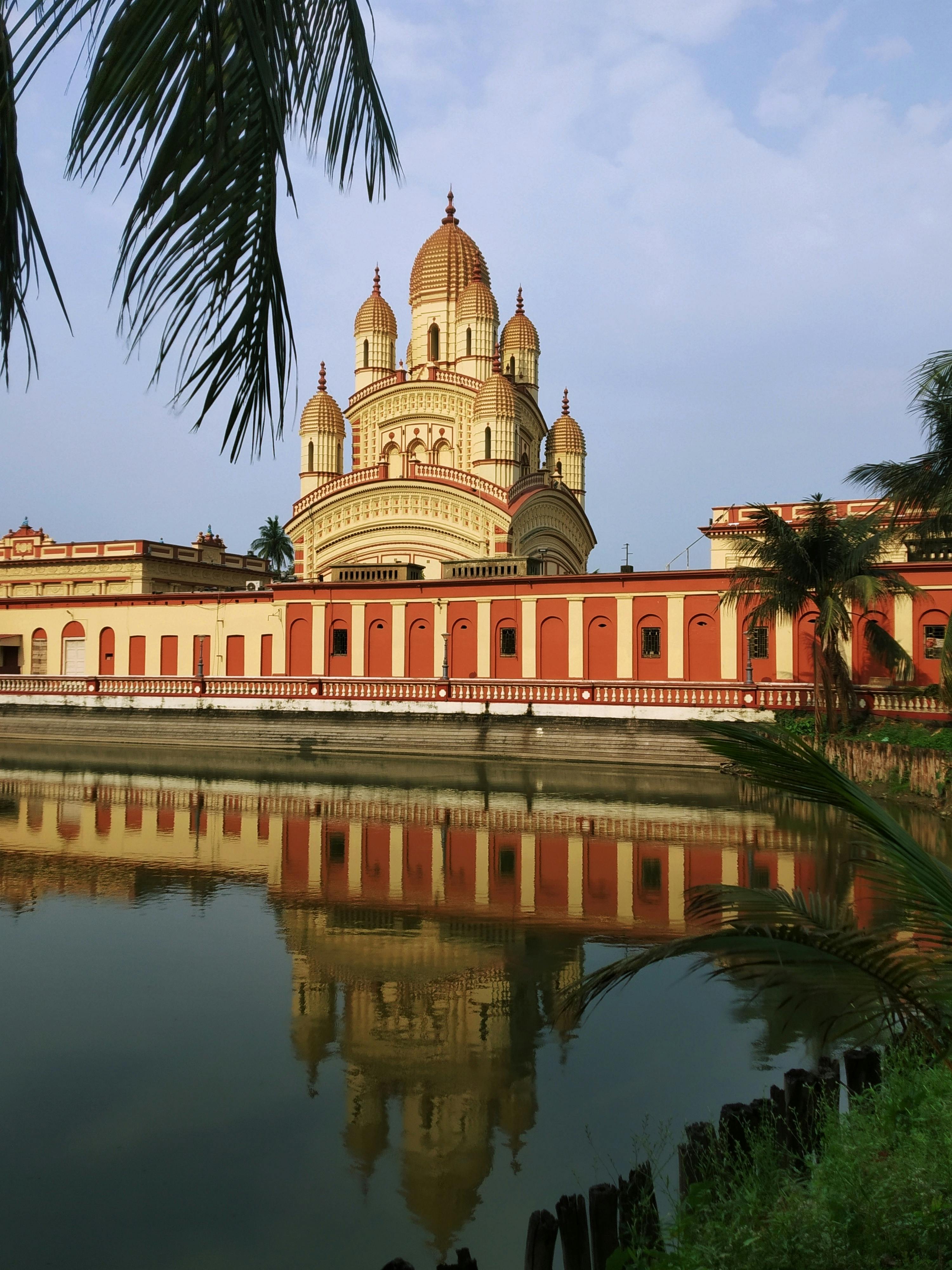
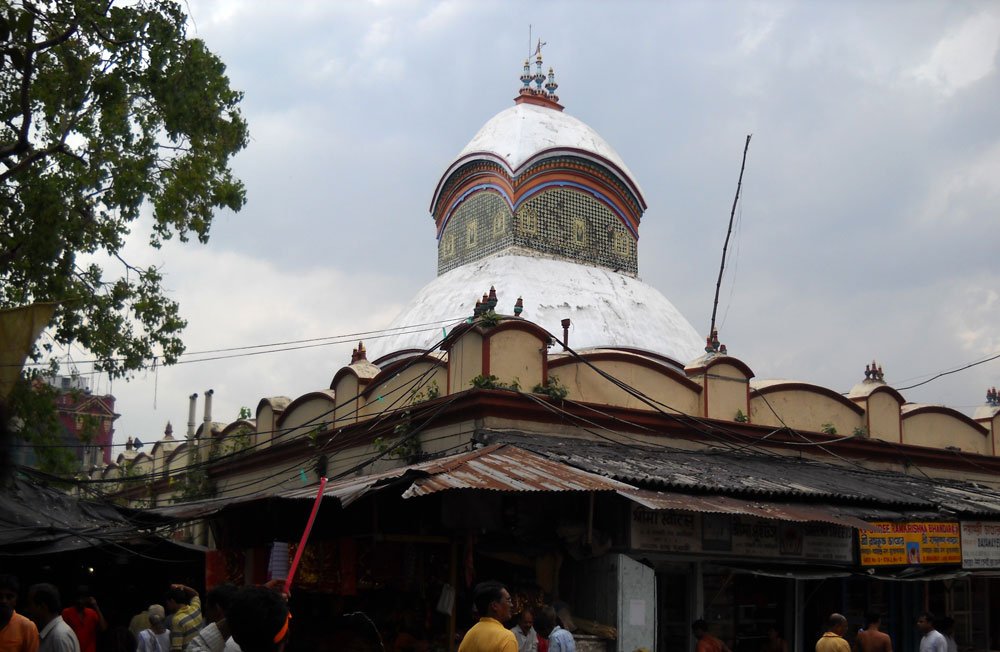
The Kalighat Kali Temple, located in the heart of Kolkata, India, stands as a beacon of spiritual and cultural significance. With a rich history that traces back several centuries, this revered temple is dedicated to Goddess Kali, a fierce and powerful deity in Hindu mythology. The temple's origins are intertwined with the legend of Sati's dismemberment, making it one of the 51 Shakti Peethas across the Indian subcontinent (Hindustan Times). Built in its current form in 1809 by the Sabarna Roy Choudhury family, the temple is an architectural marvel that blends traditional Bengali styles with elements from the Pala school of architecture (Cultural India).
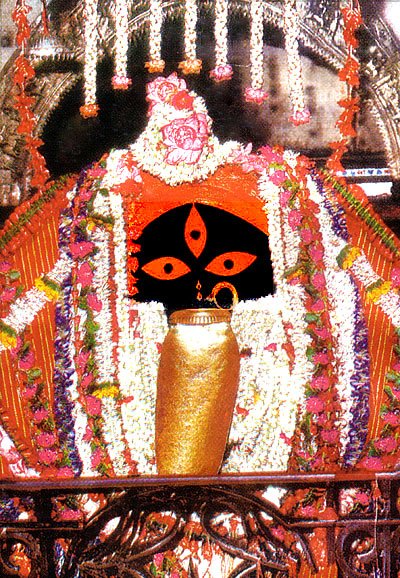
The idol of Goddess Kali at Kalighat is unique, adorned with gold and silver ornaments, and believed to be self-manifested. This adds to the temple's spiritual significance, attracting devotees and scholars alike (Temple Purohit). During the British colonial period, the temple gained prominence as a center for cultural and religious activities, drawing attention from European scholars and travelers (Britannica). Post-independence, the temple has continued to be a focal point of religious and cultural activities, embracing modern amenities to cater to the needs of today's tech-savvy devotees (Kalighat Temple).
The Kalighat Kali Temple is not just a religious site but also a cultural landmark that has inspired numerous works of art, literature, and music. It is the epicenter of several important Hindu festivals, including Kali Puja and Durga Puja, attracting thousands of devotees from across the country (The Hindu). Whether you are a first-time visitor or a seasoned devotee, this comprehensive guide will provide you with all the information you need to make your visit both memorable and spiritually fulfilling.

History of Kalighat Kali Temple
Origins and Early History
The Kalighat Kali Temple, one of the most revered and ancient temples in Kolkata, India, has a history that dates back several centuries. The temple is dedicated to the Hindu goddess Kali, who is considered a fierce and powerful deity. The origins of the temple are shrouded in myth and legend, with some accounts suggesting that it was established as early as the 15th century. According to local lore, the temple marks the spot where the toes of the right foot of Sati, the first consort of Lord Shiva, fell during the cosmic dance of destruction. This event is part of the larger mythological narrative known as "Sati's dismemberment," which led to the creation of 51 Shakti Peethas, or sacred sites, across the Indian subcontinent (Hindustan Times).
Architectural Evolution
The current structure of the Kalighat Kali Temple was built in 1809 by the Sabarna Roy Choudhury family, who were prominent landlords in Bengal. The temple's architecture is a blend of traditional Bengali style and elements of the Pala school of architecture, which flourished in Bengal between the 8th and 12th centuries. The temple complex includes a main sanctum, where the idol of Goddess Kali is enshrined, and several smaller shrines dedicated to other deities such as Lord Shiva and Radha-Krishna (Cultural India).
The Idol of Goddess Kali
The idol of Goddess Kali at Kalighat is unique and distinct from other representations of the deity. Unlike the typical black stone idols, the idol at Kalighat is made of black stone but is adorned with gold and silver ornaments. The goddess is depicted with three large eyes, four hands, and a long, protruding tongue, symbolizing her insatiable thirst for blood. The idol is believed to be self-manifested, adding to the temple's spiritual significance (Temple Purohit).
British Colonial Period
During the British colonial period, the Kalighat Kali Temple gained prominence as a center of cultural and religious activities. The temple attracted not only local devotees but also European scholars and travelers who were fascinated by its unique rituals and practices. The British administration, recognizing the temple's importance, provided funds for its maintenance and upkeep. This period also saw the construction of several ancillary structures, including guest houses and community kitchens, to accommodate the growing number of pilgrims (Britannica).
Post-Independence Developments
After India gained independence in 1947, the Kalighat Kali Temple continued to be a focal point of religious and cultural activities. The temple management was taken over by a board of trustees, who undertook several renovation and restoration projects to preserve the temple's heritage. In recent years, the temple has also embraced modern amenities, including digital donation platforms and online darshan services, to cater to the needs of tech-savvy devotees (Kalighat Temple).
Cultural Significance
The Kalighat Kali Temple is not just a religious site but also a cultural landmark in Kolkata. The temple has inspired numerous works of art, literature, and music. The famous Bengali poet and Nobel laureate Rabindranath Tagore often visited the temple and composed several poems dedicated to Goddess Kali. The temple also features prominently in the works of other Bengali literary giants such as Bankim Chandra Chattopadhyay and Sarat Chandra Chattopadhyay (The Hindu).
Festivals and Rituals
The Kalighat Kali Temple is the epicenter of several important Hindu festivals, the most notable being Kali Puja, which is celebrated with great fervor and enthusiasm. During this festival, the temple is adorned with elaborate decorations, and special rituals are performed to invoke the blessings of Goddess Kali. Other significant festivals include Durga Puja, Diwali, and Navaratri, each attracting thousands of devotees from across the country (India.com).
Modern-Day Relevance
In contemporary times, the Kalighat Kali Temple continues to be a beacon of spiritual solace and cultural pride for millions of devotees. The temple's management has undertaken several initiatives to improve the visitor experience, including the introduction of guided tours, audio-visual presentations, and interactive exhibits that provide insights into the temple's rich history and significance. The temple also engages in various social welfare activities, such as providing free meals to the underprivileged and organizing health camps (Kalighat Temple).
Visitor Information
Ticket Prices
Entry to the Kalighat Kali Temple is generally free. However, donations are encouraged, and special tours or rituals may have a fee. It is advisable to check the temple's official website or contact the temple administration for the most current information on any charges or special packages.
Opening Hours
The temple is open from 5:00 AM to 2:00 PM and from 5:00 PM to 10:30 PM daily. During festivals and special occasions, the timings may vary, so it is recommended to confirm the hours before planning your visit.
Travel Tips
- Best Time to Visit: The temple can be visited year-round, but it is especially vibrant during major Hindu festivals like Kali Puja and Durga Puja.
- What to Wear: Modest clothing is recommended. Visitors are advised to remove their shoes before entering the temple premises.
- Getting There: The temple is well-connected by public transport. You can take a taxi, auto-rickshaw, or use local buses. The nearest metro station is Kalighat Metro Station.
Accessibility
The temple offers several facilities to ensure accessibility for differently-abled visitors. Wheelchair access is available, and special arrangements can be made for those requiring assistance. It is advisable to contact the temple administration in advance to make necessary arrangements.
FAQ
- What are the visiting hours for Kalighat Kali Temple? The temple is open from 5:00 AM to 2:00 PM and from 5:00 PM to 10:30 PM, with special timings during festivals.
- How much does it cost to visit Kalighat Kali Temple? Entry is free, but donations are encouraged. Special tours may have a fee.
- Are there any special events or festivals at Kalighat Kali Temple? The temple hosts several festivals, including Kali Puja, Durga Puja, and Diwali.
Nearby Attractions
When visiting the Kalighat Kali Temple, consider exploring nearby attractions such as:
- Victoria Memorial: A grand marble building and museum dedicated to Queen Victoria.
- Indian Museum: One of the oldest and largest museums in India, featuring a vast collection of artifacts.
- Birla Planetarium: A popular destination for astronomy enthusiasts.
Tickets & tours.
These are guided options from our partners — same price as booking direct.
Prices are indicative — final pricing and availability are confirmed at checkout. Audiala may earn a commission from bookings made through these links.
Listen to the full story in the app
The whole Kalighat Kali Temple,
told well.
Audio guides for 1,100+ cities across 96 countries. History, stories, and local insight — offline ready.
Verified, and shown.
Researched and written by the Audiala editorial team from historical records, architectural archives, and local expertise.
Researched from Wikidata, Wikipedia & official sources · fact-checked · How we make our guides →