Plan and listen to Indian Museum with Audiala.
Audio guide in your pocket, itinerary in your browser. Built for the way you actually visit.
Introduction
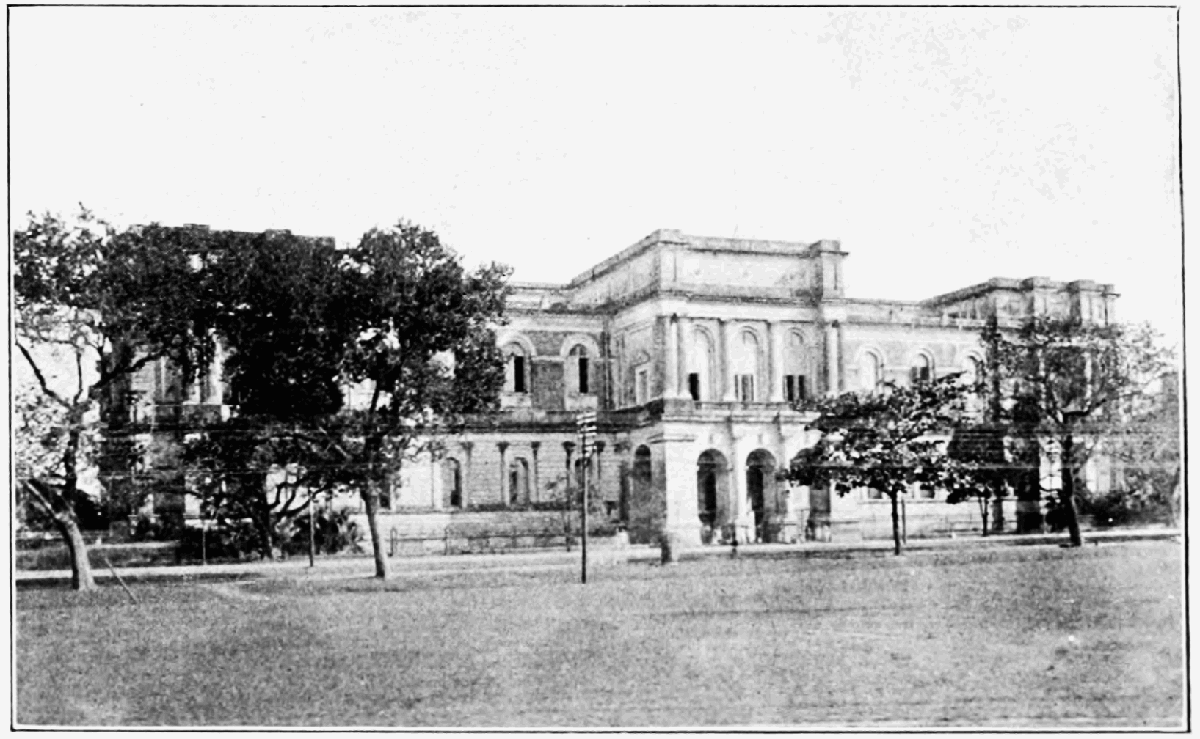
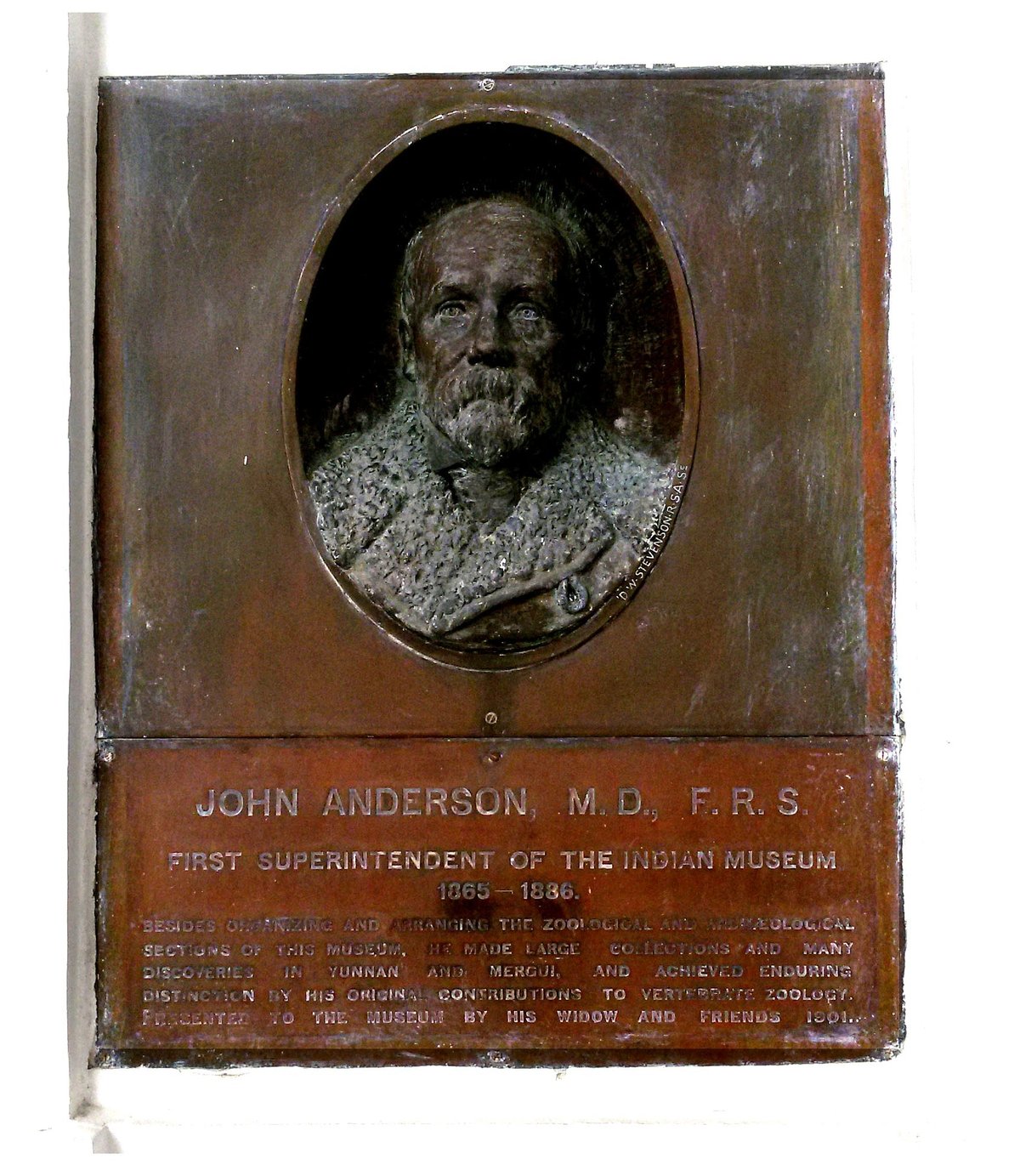
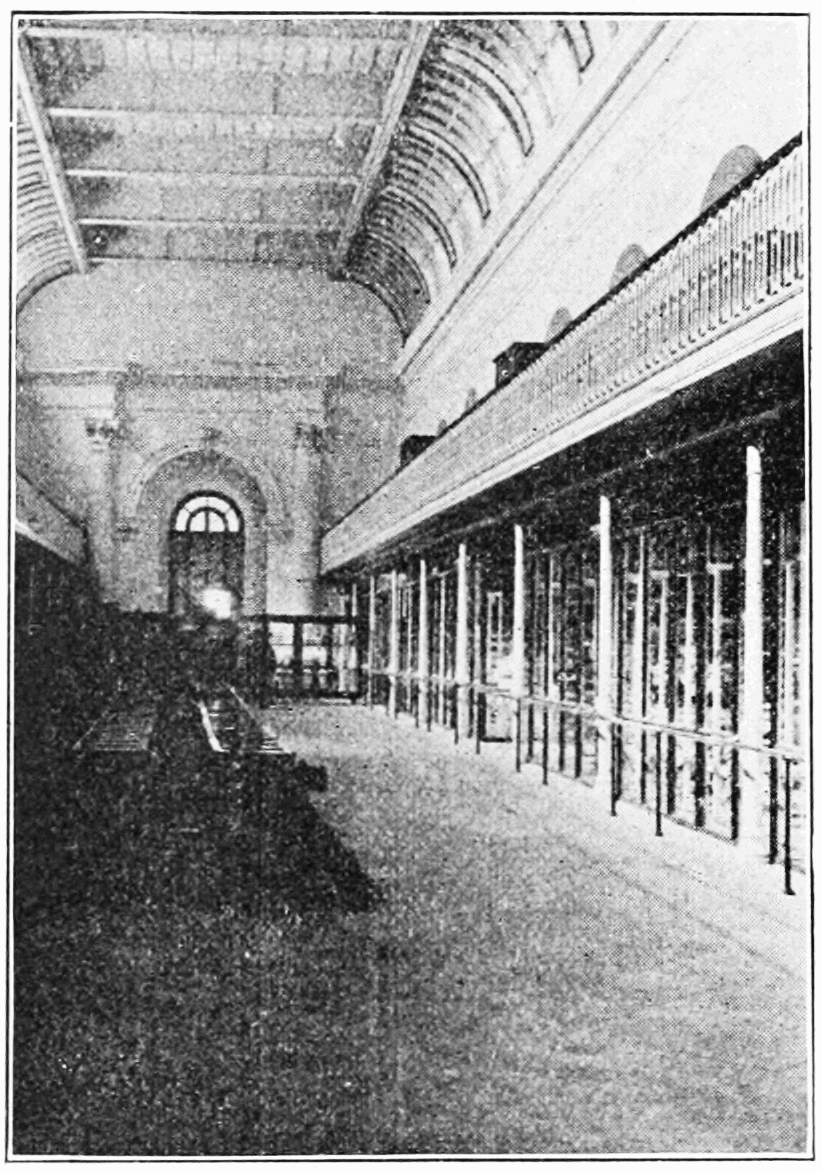
The Indian Museum, also known as ভারতীয় জাদুঘর, in Kolkata is a beacon of India's rich cultural and historical heritage. Established in 1814 by the Asiatic Society of Bengal, it proudly holds the title of the oldest and largest museum in India and one of the oldest in the world. This museum is a treasure trove of artifacts that span over 4,000 years, reflecting the diverse and intricate history of the Indian subcontinent. Visitors can explore a vast array of collections, from geological and zoological specimens to art, anthropology, and economic botany. The museum's architectural grandeur, designed by Walter B. Granville, is a testament to the neoclassical style, showcasing a grand facade with Corinthian columns and a spacious courtyard (Indian Museum).
The Indian Museum's significance extends beyond its physical collections. It plays a crucial role in education and research, offering a wealth of resources for scholars and students. Its library houses rare books, manuscripts, and journals, making it a valuable resource for academic pursuits. The museum's commitment to preservation and modernization, including initiatives like climate control systems and digitization of records, ensures that its invaluable collections are safeguarded for future generations (Preservation Efforts). Whether you are a history aficionado, a cultural enthusiast, or a curious traveler, the Indian Museum promises an enriching and enlightening experience.
History of the Indian Museum
Establishment and Early Years
Founded in 1814 by the Asiatic Society of Bengal, an institution established by Sir William Jones in 1784, the Indian Museum's initial collection was housed in the Asiatic Society's building until it moved to its current location in 1875 (Indian Museum).
Architectural Significance
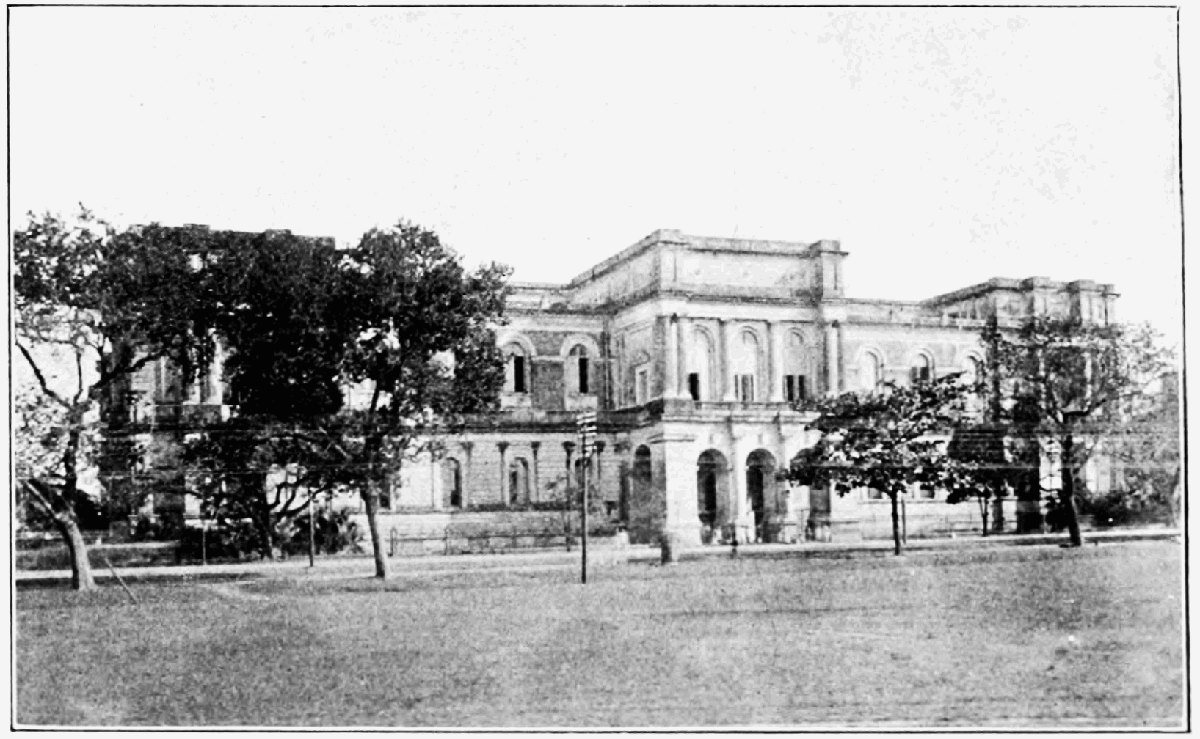
The current building, designed by Walter B. Granville, is an architectural marvel of the Italian style. Constructed between 1867 and 1875, it features a grand facade with Corinthian columns and a spacious courtyard, reflecting neoclassical architectural trends (Kolkata Architecture).
Expansion and Collection Growth
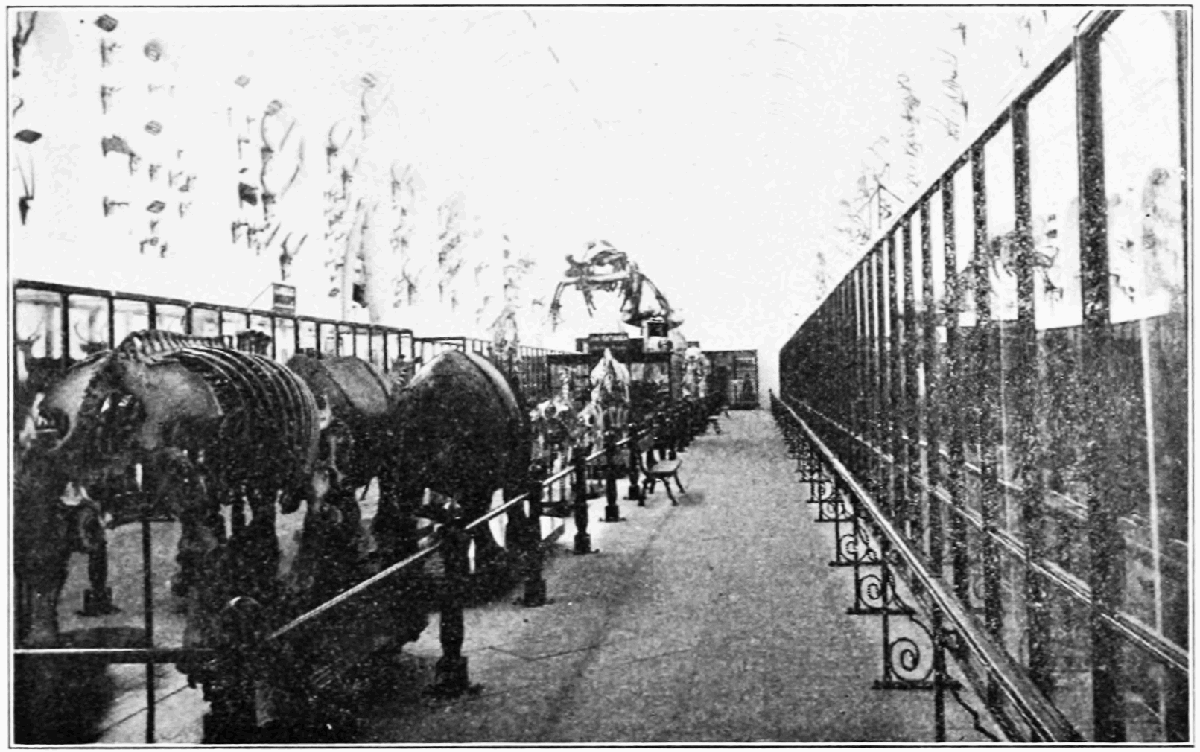
Initially featuring geological, archaeological, and zoological specimens, the museum's collection expanded by the late 19th century to include art, anthropology, and economic botany, thanks to contributions from scholars, explorers, and colonial administrators (Indian Museum Collection).
Key Historical Milestones
19th Century
- 1814 - Establishment of the museum by the Asiatic Society of Bengal.
- 1867-1875 - Construction of the current museum building.
- 1878 - Division of the collection into six sections: Art, Archaeology, Anthropology, Geology, Zoology, and Economic Botany.
20th Century
- 1910 - Centenary celebration with a special exhibition.
- 1947 - Post-independence reorganization to better represent India's cultural heritage.
- 1960s-1970s - Introduction of modern display techniques and educational programs.
21st Century
- 2004 - Major renovation project to upgrade facilities.
- 2014 - Bicentenary celebrations with special exhibitions and international conferences.
Notable Exhibits and Artifacts
- The Ashoka Pillar - A fragment dating back to the 3rd century BCE, inscribed with edicts of Emperor Ashoka (Ashoka Pillar).
- The Egyptian Mummy - A 4,000-year-old mummy providing insights into ancient Egyptian burial practices (Egyptian Gallery).
- Buddhist Stupa from Bharhut - Dating back to the 2nd century BCE, adorned with intricate carvings depicting scenes from the Jataka tales (Bharhut Stupa).
Visitor Information
Opening Hours
The Indian Museum is open from 10:00 AM to 5:00 PM, Tuesday to Sunday. It is closed on Mondays and certain public holidays.
Ticket Prices
Entry fees are INR 20 for Indian citizens and INR 500 for foreign nationals. Additional charges may apply for photography and special exhibitions.
Accessibility
The museum is wheelchair accessible and offers facilities such as ramps and elevators.
Travel Tips
Best Time to Visit
Early hours to avoid crowds, with weekdays generally less crowded than weekends. The cooler months from October to March are ideal for a visit.
Nearby Attractions
While visiting the Indian Museum, you can also explore nearby attractions such as Victoria Memorial, St. Paul's Cathedral, and the Marble Palace.
Contributions to Education and Research
The museum collaborates with academic institutions and research organizations to conduct studies and publish findings. Its library houses a vast collection of rare books, manuscripts, and journals, making it a valuable resource for scholars (Indian Museum Library).
Challenges and Preservation Efforts
Facing issues related to preservation, funding, and modernization, the museum has undertaken initiatives such as climate control systems, digitization of records, and staff training on modern conservation techniques (Preservation Efforts).
Future Prospects
The Indian Museum plans to expand its collection, enhance visitor facilities, and develop interactive exhibits. It also seeks to strengthen its role as an educational and research institution by fostering collaborations with international museums and cultural organizations (Future Plans).
FAQ
- Can I take photographs inside the museum?
- Yes, photography is allowed in certain sections. Additional charges may apply.
- Are there guided tours available?
- Yes, guided tours can be booked in advance through the official website.
Tickets & tours.
These are guided options from our partners — same price as booking direct.
Prices are indicative — final pricing and availability are confirmed at checkout. Audiala may earn a commission from bookings made through these links.
Listen to the full story in the app
The whole Indian Museum,
told well.
Audio guides for 1,100+ cities across 96 countries. History, stories, and local insight — offline ready.

Verified, and shown.
Researched and written by the Audiala editorial team from historical records, architectural archives, and local expertise.
Researched from Wikidata, Wikipedia & official sources · fact-checked · How we make our guides →