Introduction
The first thing that hits you in Kolkata is the smell of wet earth, incense, and frying kathi rolls drifting under the roar of trams. This city refuses to polish itself for visitors. Instead it offers something rarer: layers of Bengali intellectual life, colonial ghosts, and everyday ritual that still feel lived rather than performed.
Durga Puja turns the streets into open-air art installations each autumn, but the theatrical bent runs deeper than festival season. Adda, those long, meandering conversations over endless cups of tea, remains the city's true currency. You hear it in the coffee houses of College Street, in the shadow of Howrah Bridge, and on the benches of Rabindra Sarobar where rowers glide past at dawn.
The architecture tells contradictory stories without apology. Neoclassical domes sit beside crumbling rajbaris. Gothic spires rise over Kali temples. The same river that carries flower garlands at Mullick Ghat also reflects the floodlit marble of Victoria Memorial at dusk. Kolkata doesn't resolve these tensions. It lets them breathe.
What changes after a few days here isn't your photo album. It's the pace at which you expect the world to move. The city rewards those willing to linger.
Eating Every Best Rated Kolkata Food
Aayush SapraPlaces to Visit
The Most Interesting Places in Kolkata
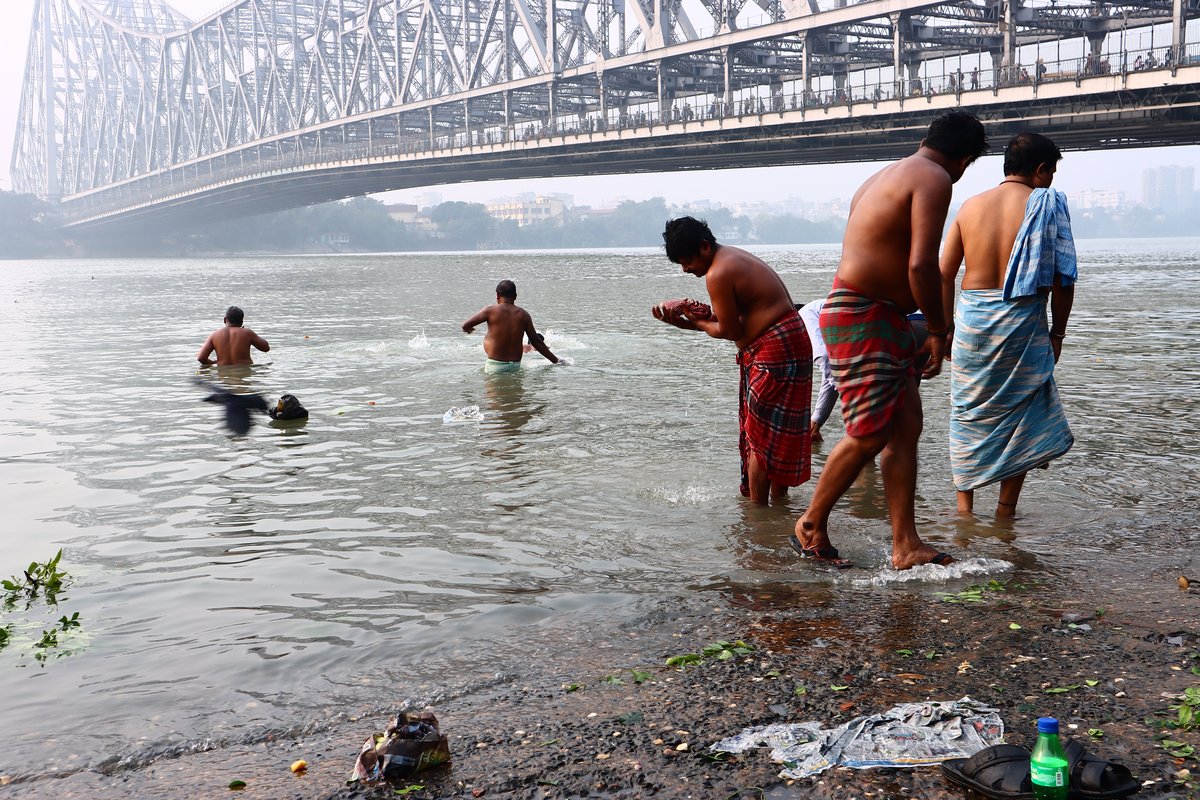
Howrah Bridge
Howrah Bridge, also known as Rabindra Setu, is an iconic landmark in Kolkata, India, symbolizing the city's rich history and industrial prowess.
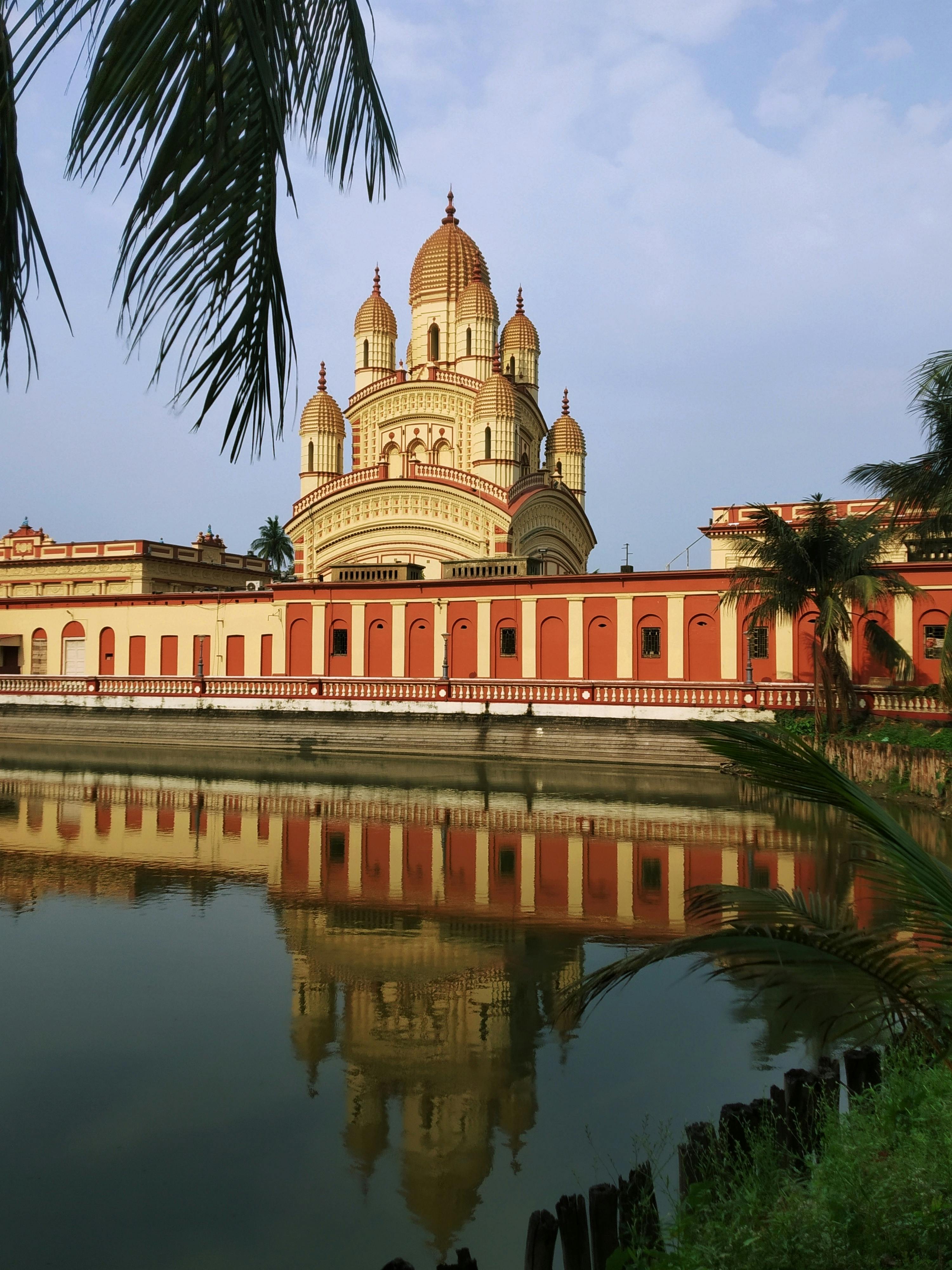
Dakshineswar Kali Temple
Built on tortoise-shaped land deemed auspicious for Tantra, this 1855 Hooghly River temple turned a philanthropist's dream into Bengal's most living spiritual landmark.
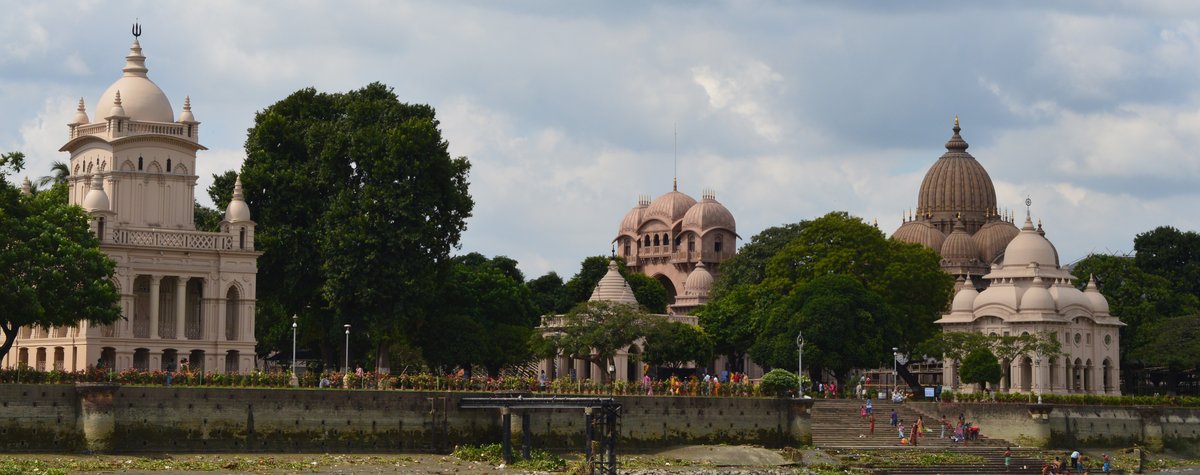
Belur Math
The Sri Ramakrishna Temple, also known as Belur Math, stands as a monumental testament to spiritual unity and cultural heritage in Kolkata, India.
Eden Gardens
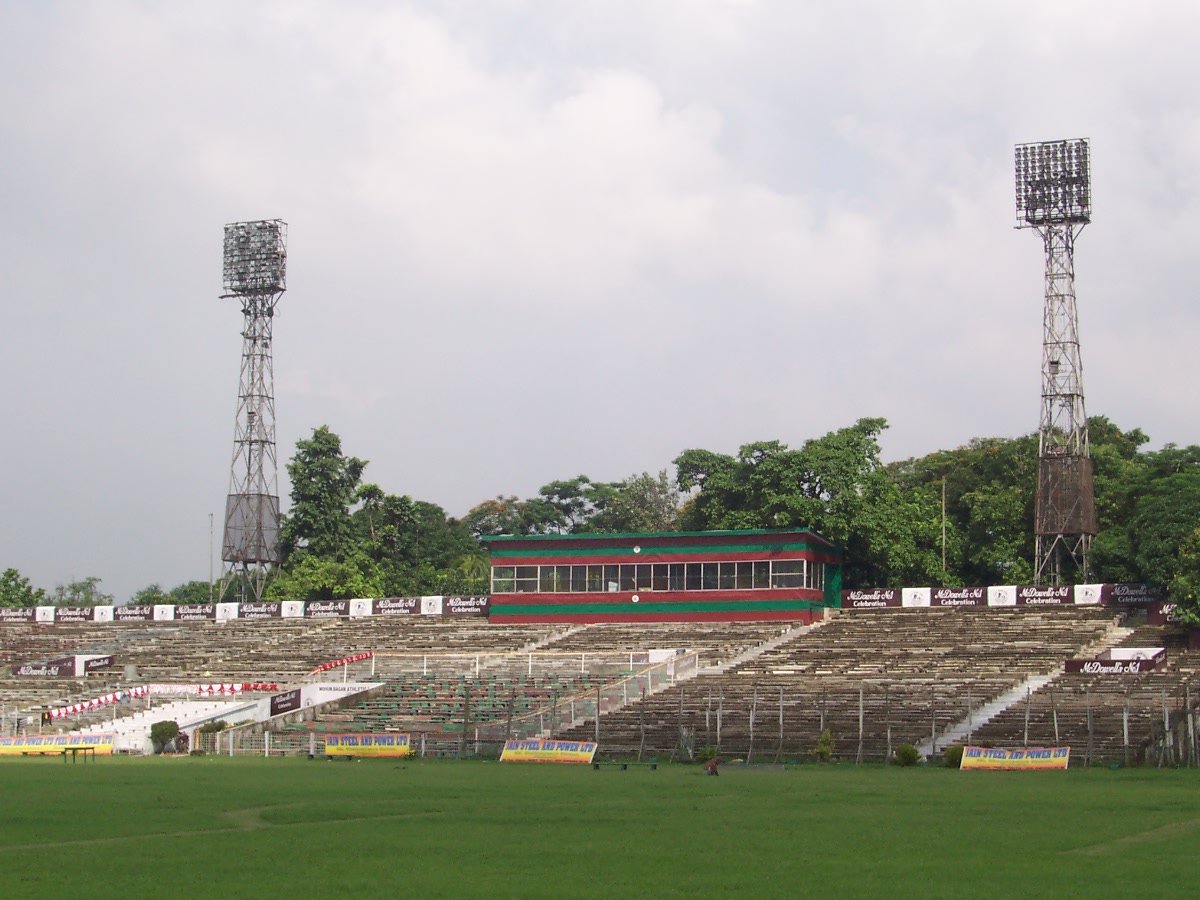
India's oldest cricket ground overshadows a quieter surprise: a 19th-century park with a neglected Burmese pagoda beside Kolkata's loudest sporting myth.
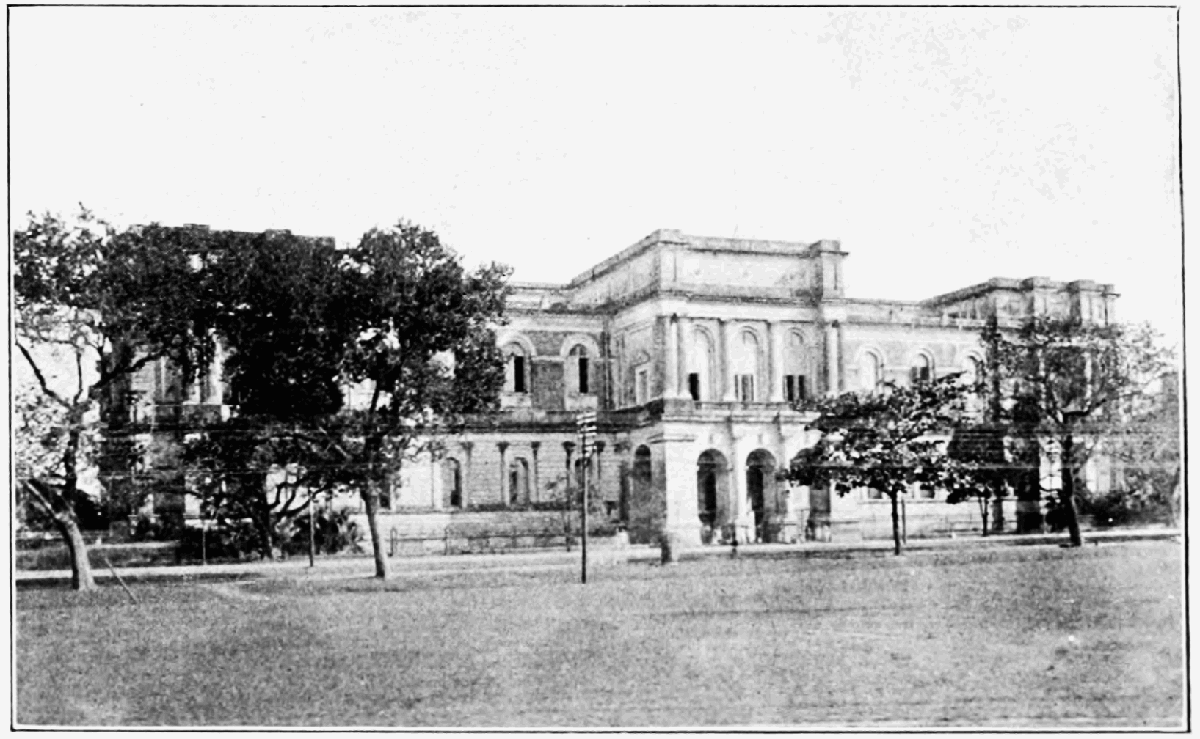
Indian Museum
The Indian Museum, also known as ভারতীয় জাদুঘর, in Kolkata is a beacon of India's rich cultural and historical heritage.
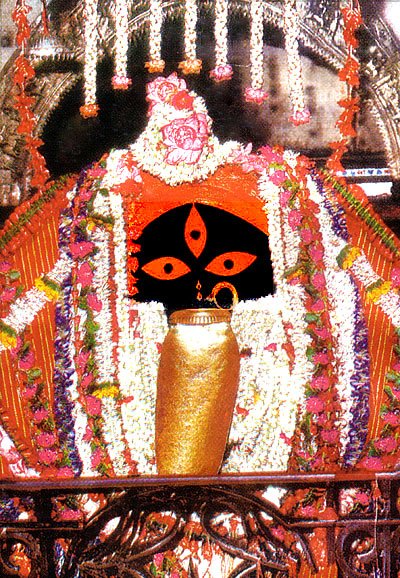
Kalighat Kali Temple
The Kalighat Kali Temple, located in the heart of Kolkata, India, stands as a beacon of spiritual and cultural significance.
Alipore Zoological Gardens
Nestled in the heart of Kolkata, India, the locality of Anaconda stands as a testament to the city's rich history and vibrant cultural fabric.
Birla Mandir
The Birla Mandir in Kolkata stands as a magnificent testament to India's rich spiritual heritage and architectural ingenuity.
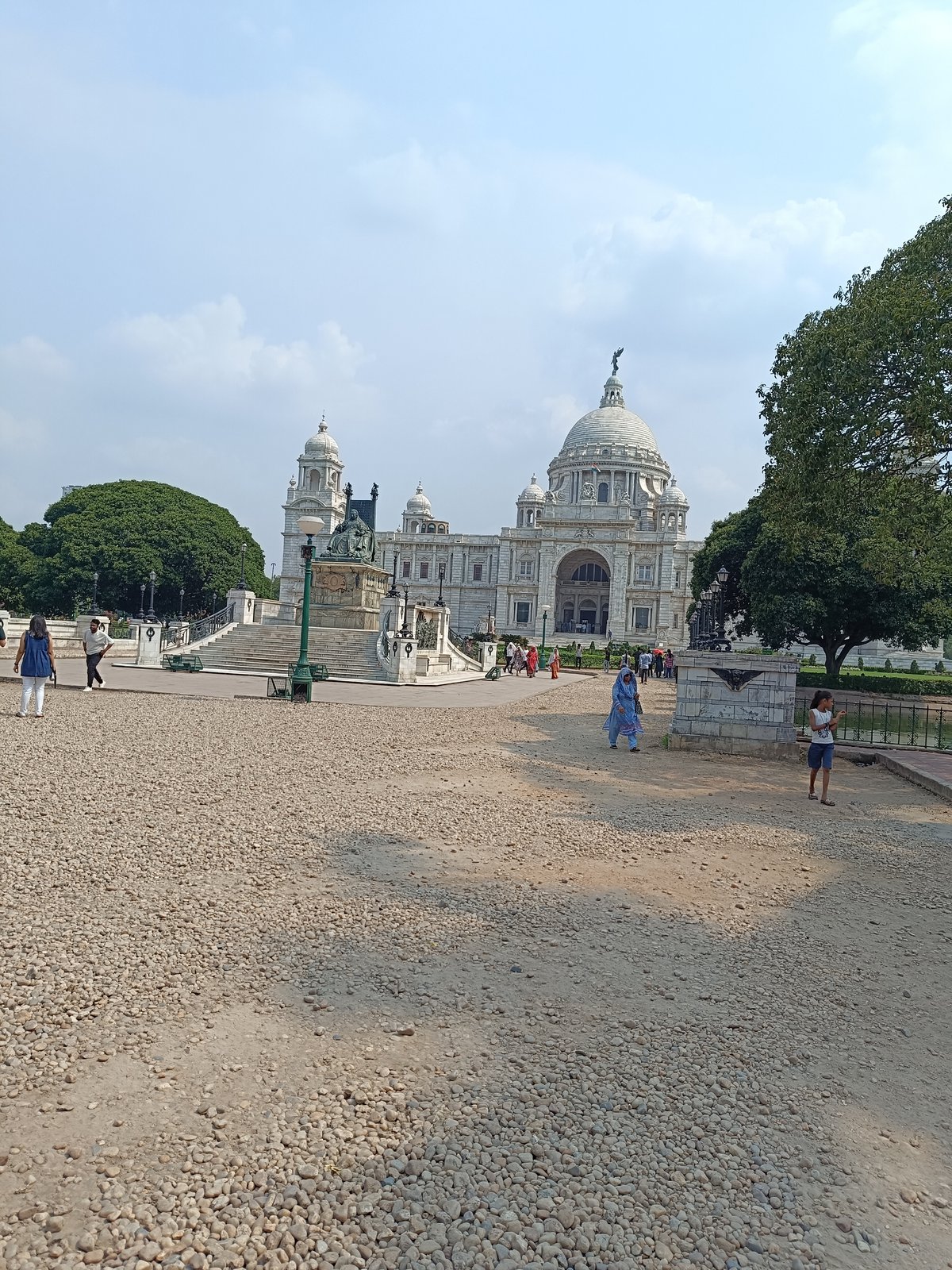
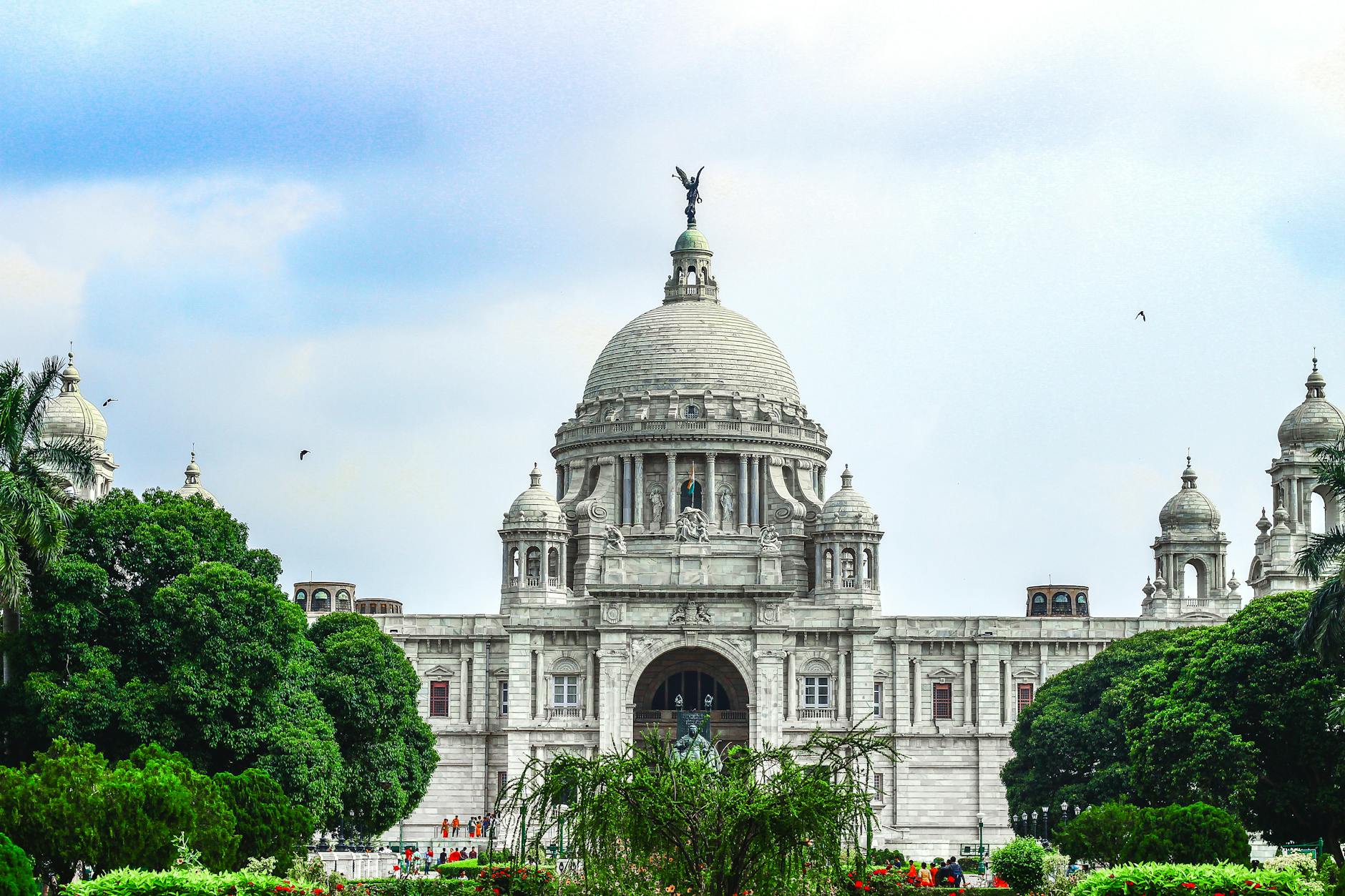
Victoria Memorial
The Victoria Memorial Hall in Kolkata, India, stands as a magnificent tribute to Queen Victoria and a symbol of the British Raj's lasting influence on the…
Nakhoda Masjid
Built by a merchant who owned 99 ships, Kolkata's largest mosque mirrors Akbar's tomb — free to enter, surrounded by legendary kebab stalls on Zakaria Street.
Netaji Bhawan
The car that carried Subhas Chandra Bose out of British surveillance still waits at Netaji Bhawan, where Kolkata turns anti-colonial history into memory.
M. P. Birla Planetarium
The Birla Planetarium in Kolkata stands as an emblematic institution dedicated to the pursuit of astronomical knowledge and scientific education.
What Makes This City Special
Colonial Memory
The afternoon light cuts through the high windows of the Victoria Memorial and lands on marble that still feels British. Walk BBD Bagh at dusk and the façades of Writers’ Building and the General Post Office whisper about an empire that ended here in 1947, yet never quite left the street plan.
Adda & Literature
College Street smells of old paper and fresh ink. Sit in the first-floor balcony of Indian Coffee House, order a cold coffee, and watch three generations of Bengalis argue about poetry, politics and football. This is where the city’s intellect still happens out loud.
Temple & River Life
At Dakshineswar the bells ring across the Hooghly while Kumartuli’s idol-makers shape clay goddesses by hand. The same river carries both evening aarti at Belur Math and the flower baskets unloaded before dawn at Mullick Ghat.
Durga Puja & Theatre
For ten days each autumn the city becomes the world’s largest open-air art installation. The rest of the year that same theatrical energy lives in the Rabindra Sadan–Nandan cluster where playwrights still test new work on audiences who treat criticism as a contact sport.
Historical Timeline
Layers of Memory on the Hooghly
From river villages to a city that refuses to forget
First Literary Glimpse
Bipradas Pipilai wrote the name Kalikata into the Manasa-mangal. Three villages already existed on the muddy banks: Sutanuti, Kalikata, and Gobindapur. The river carried salt and silk. The land already had its own stories.
Mughal Records Note the Village
Abu’l Fazl listed Kalikata in the Ain-i-Akbari. The area belonged to the Sabarna Roy Choudhury zamindars. No one imagined it would one day eclipse the provincial capitals.
Job Charnock Steps Ashore
On 24 August the East India Company agent landed at Sutanuti after skirmishes upriver. The court later ruled he did not found the city. Still, this date became the colonial birthday myth that refused to die.
Zamindari Rights Acquired
The Company bought rights to the three villages for Rs 1,300 a year. What began as a trading post slowly swallowed the surrounding countryside. The Hooghly watched it happen.
Siraj al-Dawlah Takes Calcutta
The young Nawab captured the city. The infamous Black Hole story followed. Details remain disputed but the humiliation burned into Company memory.
Battle of Plassey
Robert Clive’s victory on 23 June changed everything. Bengal’s revenues now flowed toward Fort William. Calcutta stopped being a trading factory and became the bridgehead of empire.
Capital of British India
Warren Hastings moved the administration from Murshidabad. Calcutta suddenly housed the nerve center of an expanding empire. The city’s smell of ink and ambition grew stronger.
Asiatic Society Founded
Sir William Jones gathered scholars in a room. They began measuring, translating, and classifying an entire subcontinent. The intellectual reputation of the city was born here.
Indian Museum Established
The oldest museum in India opened its doors. Inside, an Egyptian mummy would eventually rest beside Gandharan Buddhas. Generations of schoolchildren still file past them every week.
Hindu College Opens
Young Bengalis began studying Western learning in their own city. The Bengal Renaissance found its first classroom. The arguments that would reshape India started in these corridors.
Raja Rammohan Roy’s Brahmo Sabha
The reformer gathered followers to challenge old orthodoxies. Sati would be abolished the following year. Calcutta became the intellectual furnace where modern India was argued into existence.
Devastating Cyclone Strikes
The October cyclone killed over 60,000 across the delta. Calcutta’s streets turned into rivers. The city learned how easily the Hooghly could reclaim what had been built on its banks.
Rabindranath Tagore Born
In the Jorasanko mansion a child arrived who would later win Asia’s first Nobel in Literature. The city claims him completely. Even after he moved to Santiniketan, Kolkata remained his emotional center.
Swami Vivekananda Born
Narendranath Dutta entered the world in north Calcutta. He would later introduce Vedanta to Chicago and the world. The city still argues about which of its sons changed global consciousness more.
Partition of Bengal Ignites Protest
Curzon’s division of the province triggered massive resistance. Swadeshi bonfires lit the streets. Calcutta discovered its power as a political theater unlike anywhere else in India.
Capital Moves to Delhi
The British shifted the imperial seat. Calcutta felt the insult deeply. The city kept its intellect, its anger, and its refusal to become provincial.
Victoria Memorial Opens
The marble monument to the dead queen finally opened its doors. It stands as the last grand gesture of the Raj. Locals still use its grounds for evening walks and quiet rebellion.
Bengal Famine Devastates City
Three million died across the province. Starving villagers flooded Calcutta’s pavements. The images from those months still haunt the city’s collective memory.
Great Calcutta Killing
Direct Action Day turned the city into a slaughterhouse for four days. Between four and ten thousand died. The wounds of communal violence never fully closed.
Independence and Partition Refugees
The city absorbed hundreds of thousands fleeing East Pakistan. The demographic map of Calcutta changed forever. Adda sessions in coffee houses now carried new accents and fresh grief.
Satyajit Ray Releases Pather Panchali
A son of Calcutta captured rural Bengal on film with almost no money. The world suddenly paid attention. The Apu Trilogy began here, in the cramped apartments of south Calcutta.
Left Front Begins 34-Year Rule
The communists took power in Writers’ Building. For more than three decades the red flag flew over the city. Some say it brought stability. Others say it froze Calcutta in time.
India’s First Metro Opens
The underground railway began running between Esplanade and Bhowanipur. Calcutta became the first Indian city with a metro. The tunnels ran beneath streets still filled with hand-pulled rickshaws.
Mother Teresa Dies in Calcutta
The small Albanian nun who made the city her home passed away. Her Missionaries of Charity continued their work in the same narrow lanes. Kolkata had become inseparable from her global image.
Calcutta Becomes Kolkata
The official English name changed. Many residents had always called it Kolkata anyway. The city quietly reclaimed its linguistic identity after three centuries.
High Court Ends Founding Myth
The Calcutta High Court ruled that Job Charnock was not the founder and that the city had no single birth date. History was corrected in a courtroom. The old colonial story finally lost its legal standing.
Durga Puja Recognized by UNESCO
The festival that turns the entire city into an open-air art installation received international recognition. For five days each year Kolkata becomes something impossible to explain to outsiders.
Under-River Metro Opens
Trains now run beneath the Hooghly for the first time. The east-west line connects what the river once divided. The city that began on the banks has finally tunneled under them.
Notable Figures
Rabindranath Tagore
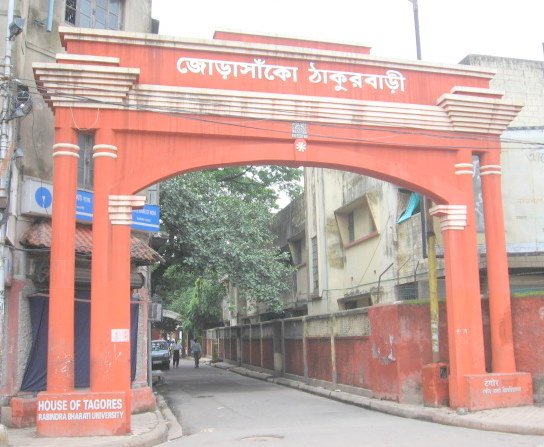
1861–1941 · Poet and Nobel laureateTagore grew up in the Jorasanko mansion that still stands in north Kolkata. He wrote most of his early poetry and songs here before founding his school at Santiniketan. Walk through the courtyard at Jorasanko Thakurbari at dusk and you can almost hear the songs he composed while looking at the same trees.
Satyajit Ray
1921–1992 · FilmmakerRay made his greatest films about the middle-class families and decaying mansions of this city. He sketched his storyboards at his house on Bishop Lefroy Road and edited them in the cramped rooms of Technicians’ Studio. The Kolkata he captured in the Apu Trilogy still exists in the lanes behind College Street.
Swami Vivekananda
1863–1902 · Hindu monk and philosopherBorn Narendranath Dutta in north Kolkata, he first encountered his guru Ramakrishna at the Dakshineswar Kali Temple across the river. After his famous speech in Chicago, he returned to found the Ramakrishna Mission at Belur Math. The city still debates his ideas in the same coffee houses he once frequented.
Subhas Chandra Bose
1897–1945 · Nationalist leaderNetaji escaped British surveillance from his Elgin Road house in 1941 disguised as a Pathan. The city still celebrates his birthday with massive processions. His statue stands near the Victoria Memorial he once walked past as a young student.
Mother Teresa
1910–1997 · Catholic nun and missionaryShe arrived in Kolkata in 1929, taught at St. Mary’s School, and founded the Missionaries of Charity in 1950. The small room at Mother House where she died still draws people who leave flowers and handwritten notes on the floor.
Photo Gallery
Explore Kolkata in Pictures
An artisan's clay sculpture of Goddess Kali takes shape in a traditional workshop in Kolkata, Bhart, showcasing the intricate craftsmanship of local idol makers.
Krishnendu Biswas on Pexels · Pexels License
A colorful Ratha Yatra chariot moves through a bustling street in Kolkata, Bhart, surrounded by a lively crowd captured with motion blur.
Dibakar Roy on Pexels · Pexels License
A striking reflection in a rain-filled puddle captures the silhouette of a local resident and a vibrant, weathered truck on the streets of Kolkata, Bhart.
Soumalya Das on Pexels · Pexels License
A poignant row of traditional hand-pulled rickshaws rests against a textured, graffiti-marked wall in the historic streets of Kolkata, Bhart.
Monojit Dutta on Pexels · Pexels License
Videos
Watch & Explore Kolkata
Exploring Kolkata: Best Street Food, Iconic Trams, Vibrant Markets & Artisan Hubs
Kolkata Drone Market | Drone Price in Kolkata | DJI Drone Price in Kolkata
Kolkata Street food [ Part 1 ] | Kachori, Baked Rasgulla, Kathi roll and more
Practical Information
Getting There
Netaji Subhas Chandra Bose International Airport (CCU) sits 17 km north of the centre. Prepaid yellow taxis wait between Gates 3 and 4. The Yellow Line metro now runs directly from the airport station (KJHD) into the city since August 2025. Howrah Station and Sealdah handle most long-distance trains.
Getting Around
Metro Railway Kolkata operates five lines in 2026, though the historic Blue Line remains partially suspended. Trams still run on 20 routes under Calcutta Tramways; the all-day Tram & Bus ticket is the cheapest way to see the old city slowly. Buy a 3-day Tourist Smart Card for ₹250 if you plan more than a few metro rides.
Climate & Best Time
November to February brings 14–27 °C days and almost no rain. April and May hit 35 °C before the monsoon arrives in June. July and August average over 370 mm of rainfall each. Book November–February unless you want to see Durga Puja; the city empties in the worst summer heat.
Language & Currency
Bengali is the first language, English works in hotels, museums and the metro. Hindi is widely understood in daily transactions. The Indian rupee (₹) dominates; UPI One World cards can be set up at the airport using your passport for contactless payments with zero fees.
Where to Eat
Don't Leave Without Trying
Peter Cat
local favoriteOrder: The chelo kebab is the signature dish — tender, aromatic, and exactly why Park Street institutions survive on memory and consistency. Order it with rice and a cold beer.
Peter Cat is old Kolkata dining at its most reliable. Since decades, it's where locals take visitors for a taste of the city's mid-century continental-Mughlai blend, and the kitchen still gets it right.
Flurys
cafeOrder: Viennese coffee with an almond pastry or mutton puff for breakfast — this is the meal that makes Flurys worth the queue. The pastries are buttery, the coffee is strong, and the crowd is always interesting.
A Park Street institution where breakfast is the whole point. Come early, sit at the counter, and watch Kolkata wake up over coffee and layers of colonial-era charm.
Raj's Spanish Cafe
cafeOrder: Coffee and a light sandwich or pastry — this is a no-fuss neighborhood spot that locals actually use, not a tourist cafe. The vibe is genuine, the service is warm, and it's a real place to sit and read.
Tucked near New Market, Raj's is where Kolkata's everyday café culture happens. It's unpretentious, reliable, and the kind of place you'll want to return to.
Nahoum and Sons Private Limited Confectioners
quick biteOrder: Rich plum cake, cheese patties, sweet buns, and marzipan — Kolkata's historic Jewish bakery still makes cakes that taste like memory. Buy them to take away; they travel well and taste even better the next day.
Nahoum's is essential Kolkata heritage. This isn't just a bakery; it's a living piece of the city's multicultural past, and the baked goods are genuinely excellent.
Blue & Beyond Terrace RestoBar
local favoriteOrder: Drinks and appetizers on the terrace — the view and the vibe are the point here. Order something light and watch the city move below you.
A rooftop bar in the heart of New Market that actually feels like a place locals come to, not just a tourist trap. The terrace is genuinely pleasant, and the crowd is mixed and real.
Olypub
local favoriteOrder: Beer and bar snacks — Olypub is a straightforward, no-frills Park Street institution. Order a drink, sit at the bar, and soak in the old-school vibe.
One of Park Street's most enduring bars, Olypub survives because it doesn't try too hard. It's casual, the staff knows regulars, and it's a real neighborhood hangout.
The Oberoi Grand, Kolkata
fine diningOrder: The restaurant's multi-cuisine menu offers reliable Indian and international options — order what matches your mood. The kitchen is consistent, and the service is polished.
The Oberoi Grand is Kolkata's heritage five-star hotel, and its restaurants deliver the kind of reliable, well-executed dining you expect from an institution that's been here for over a century. Open 24 hours, so it's always an option.
Kenilworth Hotel, Kolkata
fine diningOrder: The hotel's restaurant offers solid Indian and Continental options in a comfortable, low-key setting. Order based on what appeals — the kitchen handles everything competently.
Kenilworth is a smaller, quieter alternative to the big five-stars, located on Little Russel Street near Park Street. It's reliable, open 24 hours, and feels less fussy than its bigger neighbors.
Dining Tips
- check Breakfast culture is strong in Kolkata — Flurys opens at 6:00 AM and is worth the early visit.
- check Park Street is the classic dining strip for old-school continental and Mughlai restaurants; many are open until 11:00 PM.
- check New Market and Hogg Market areas have heritage bakeries and quick bites; good for daytime browsing and snacking.
- check Most destination restaurants in the verified data are open daily; fixed weekly closures are rare among established spots.
- check Many restaurants don't have websites — call ahead or check Google Maps for current hours if planning a specific visit.
Restaurant data powered by Google
Tips for Visitors
Visit in winter
Plan your trip between November and February. The air feels crisp, the light is kinder on colonial façades, and nolen gur sweets appear in every sweet shop.
Eat early in Tiretti
Reach Tiretti Bazaar by 6:00 AM for fresh Chinese breakfast. The stalls serve dumplings, youtiao, and broth to locals who have been coming here for decades.
Cross on foot
Walk across Howrah Bridge at dawn. The flower sellers at Mullick Ghat are already working under the steel ribs while the Hooghly looks silver in the first light.
Linger at Coffee House
Order a cold coffee at Indian Coffee House on College Street and stay as long as you like. The waiters in white uniforms expect you to debate books or politics for hours.
Use UPI everywhere
Link your phone to UPI before you arrive. Even street-roll vendors and small sweet shops accept it, saving you from carrying large amounts of cash.
Skip service charge
Check the bill in sit-down restaurants. If a service charge has been added, you can ask to have it removed as it is not mandatory under consumer rules.
Explore the city with a personal guide in your pocket
Your Personal Curator, in Your Pocket.
Audio guides for 1,100+ cities across 96 countries. History, stories, and local insight — offline ready.
Audiala App
Available on iOS & Android
Join 50k+ Curators
Frequently Asked
Is Kolkata worth visiting? add
Yes, if you like cities that feel lived-in rather than polished. Kolkata rewards slow wandering through book-lined streets, old cafés where time slows down, and the contrast between grand colonial buildings and everyday chaos.
How many days do I need in Kolkata? add
Give it at least four full days. Three days lets you see the big sights but four gives you time for an early morning at Tiretti Bazaar, an adda session at a coffee house, and a proper north Kolkata walk.
Is Kolkata safe for solo travelers? add
Kolkata is generally safe for solo travelers who use normal city sense. Women travelers report feeling more comfortable here than in some other Indian metros, especially in central and south Kolkata during daylight hours.
How do I get from Kolkata airport to the city? add
Take the prepaid yellow taxi from the official counter between Gates 3 and 4. Airport buses also run to Esplanade and Howrah but taxis are simpler if you have luggage.
When is the best time to visit Kolkata? add
The pleasant months run from November to February. Summers are hot and humid while the monsoon brings heavy rain that can flood streets.
What should I eat in Kolkata? add
Try a kathi roll from Nizam’s, chelo kebab at Peter Cat, and a proper Bengali thali at 6 Ballygunge Place. Get sweets from Balaram Mullick & Radharaman Mullick and arrive early for Chinese breakfast at Tiretti Bazaar.
Sources
- verified UNESCO - Durga Puja in Kolkata — Information on the cultural significance and timing of Durga Puja
- verified Victoria Memorial Official Site — Opening hours and visitor information for major landmarks
- verified Indian Coffee House — Details on heritage cafés and adda culture
- verified Britannica Biographies — Background on famous figures connected to Kolkata
Last reviewed: