Plan and listen to Kedarnath Temple with Audiala.
Audio guide in your pocket, itinerary in your browser. Built for the way you actually visit.
Introduction
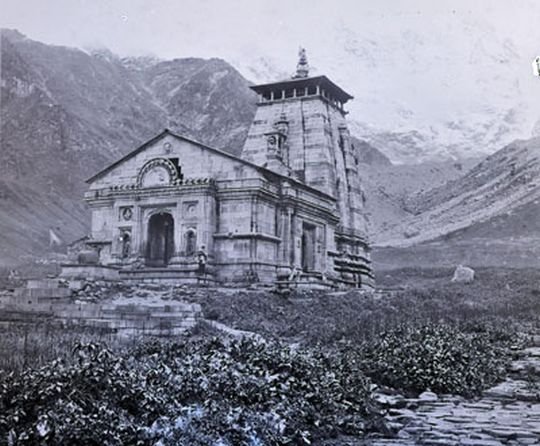
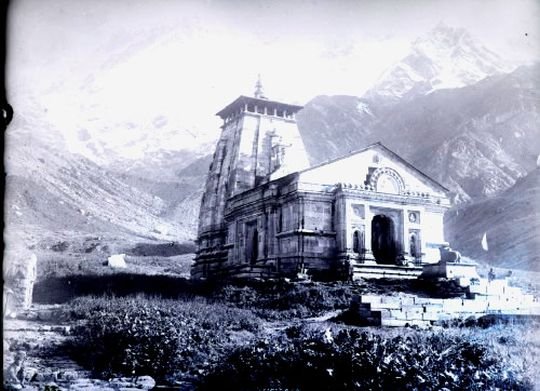
Kedarnath Mandir, nestled in the Garhwal Himalayan range in Uttarakhand, India, stands as one of the most venerated Hindu temples dedicated to Lord Shiva. This ancient temple, part of the Chota Char Dham pilgrimage circuit, draws thousands of devotees and tourists annually, captivated by its spiritual significance, historical depth, and architectural marvel. Believed to have been established by the Pandavas from the Mahabharata epic and later revived by the 8th-century Hindu philosopher Adi Shankaracharya, Kedarnath Mandir not only represents an important spiritual destination but also embodies the resilience and cultural richness of India (Hindustan Times). The temple's remote location at an altitude of 3,583 meters (11,755 feet) adds to its mystical allure, making the journey to Kedarnath a profound spiritual experience for many pilgrims. This comprehensive guide aims to provide essential information on the temple's history, visiting hours, travel tips, and nearby attractions to ensure a fulfilling visit.

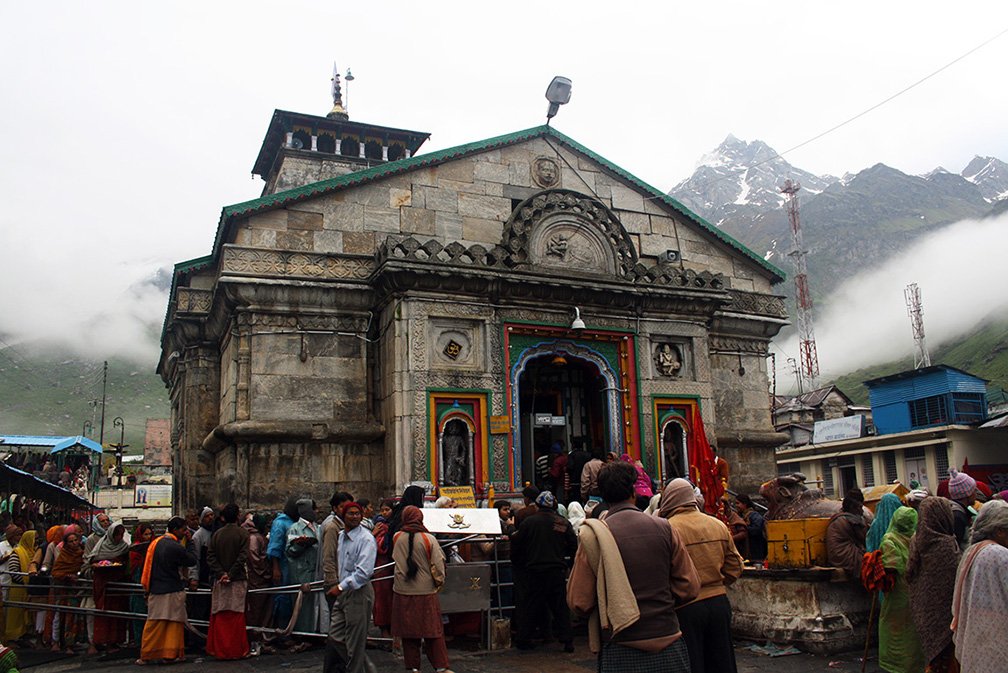
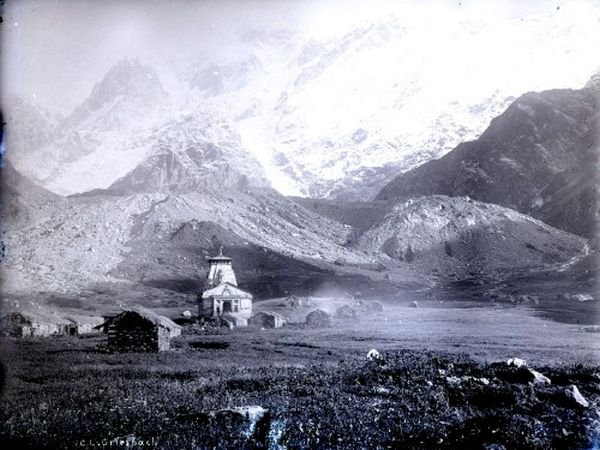
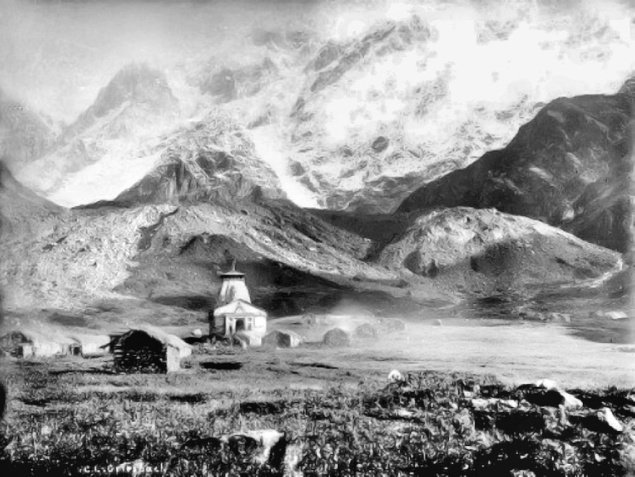
History of Kedarnath Mandir
Ancient Origins
Kedarnath Mandir is believed to have been established by the Pandavas, the heroes of the Indian epic Mahabharata. After the Kurukshetra war, the Pandavas sought Lord Shiva to absolve them of their sins. Shiva, however, eluded them and took refuge in Kedarnath in the form of a bull. When the Pandavas pursued him, he dived into the ground, leaving his hump on the surface. This hump is worshipped as the idol in the Kedarnath temple. The remaining parts of Shiva appeared at four other locations, collectively known as the Panch Kedar (source).
Construction and Architectural Style
The present structure of Kedarnath Mandir is attributed to Adi Shankaracharya, an 8th-century Hindu philosopher and theologian who played a pivotal role in the revival of Hinduism. Adi Shankaracharya is said to have rebuilt the temple adjacent to the site where the original temple stood. The temple is constructed from large, heavy, and evenly cut grey slabs of stones. The architecture is a classic example of the North Indian style of temple architecture, characterized by a high pyramidal tower and a Garbhagriha (sanctum sanctorum) where the deity resides (Temple Purohit).
Historical Significance
Kedarnath Mandir holds immense historical significance as it is one of the twelve Jyotirlingas, the holiest shrines of Shiva. The temple's location, at an altitude of 3,583 meters (11,755 feet) in the Garhwal Himalayas, adds to its spiritual aura. The temple has been a site of pilgrimage for centuries, attracting devotees from all over India and beyond. The historical records suggest that the temple has withstood the test of time, surviving natural calamities and invasions, which adds to its mystique and reverence (Sacred Sites).
Medieval and Modern History
During the medieval period, Kedarnath Mandir continued to be a significant pilgrimage site. The temple's remote location in the Himalayas made it relatively inaccessible, preserving its sanctity and preventing it from being plundered by invaders. In the modern era, the temple has seen several renovations and restorations, especially after natural disasters. The most notable recent event was the devastating floods of 2013, which caused significant damage to the surrounding area but miraculously left the temple structure largely intact. This event further solidified the temple's status as a divine and indestructible site (The Hindu).
Visiting Hours and Tickets
Kedarnath Mandir opens to devotees in the month of April-May (Akshaya Tritiya) and closes in November (Kartik Purnima), coinciding with the Hindu calendar. During the winter months, the idol of Lord Shiva is moved to Ukhimath, where it is worshipped until the temple reopens. The temple is open from 4 AM to 9 PM, with special aarti sessions held at 4:00 AM and 6:45 PM. There is no entry fee, but donations are welcomed (source).
Travel Tips
Best Time to Visit
The best time to visit Kedarnath Mandir is from May to June and September to November. Avoid the monsoon season due to heavy rains and potential landslides.
How to Reach
The nearest airport is Jolly Grant Airport in Dehradun, and the closest railway station is Rishikesh. From there, one can take a taxi or bus to Gaurikund, the base camp for the trek to Kedarnath.
Accommodation
Various guesthouses, lodges, and dharamshalas are available in Gaurikund and Kedarnath. Booking in advance is recommended, especially during peak pilgrimage seasons.
Nearby Attractions
Vasuki Tal
A high-altitude lake located about 8 km from Kedarnath, known for its stunning views and serene environment.
Gandhi Sarovar
A small lake situated at the foot of the Kedarnath peak, ideal for a short trek and photography.
Bhairav Temple
Located near Kedarnath, this temple is dedicated to Bhairav, a fierce manifestation of Shiva, and offers panoramic views of the surrounding mountains.
Cultural and Religious Practices
Kedarnath Mandir is not just a historical monument but a living cultural and religious center. The temple follows a strict ritualistic schedule, with daily prayers and offerings. During the winter months, the idol of Lord Shiva is moved to Ukhimath, where it is worshipped until the temple reopens. This practice underscores the deep-rooted traditions and the continuity of worship that has been maintained for centuries (source).
Influence on Local Culture
The presence of Kedarnath Mandir has a profound influence on the local culture and economy. The temple is the focal point of the town of Kedarnath, which thrives on the influx of pilgrims. The local population is engaged in various services related to the temple, including providing accommodation, guiding pilgrims, and selling religious paraphernalia. The annual pilgrimage season brings a significant economic boost to the region, highlighting the temple's role in sustaining the local community (eUttaranchal).
Preservation and Conservation Efforts
Given its historical and religious significance, various efforts have been made to preserve and conserve Kedarnath Mandir. The Archaeological Survey of India (ASI) has been involved in maintaining the structural integrity of the temple. After the 2013 floods, extensive restoration work was undertaken to repair the damage and improve the infrastructure around the temple to prevent future calamities. These efforts ensure that the temple remains a safe and accessible pilgrimage site for future generations (Archaeological Survey of India).
FAQ
Q: What are the visiting hours for Kedarnath Mandir? A: The temple is open from 4 AM to 9 PM.
Q: Is there an entry fee for Kedarnath Mandir? A: There is no entry fee, but donations are welcomed.
Q: What is the best time to visit Kedarnath Mandir? A: The best time to visit is from May to June and September to November.
Q: How can I reach Kedarnath Mandir? A: The nearest airport is Jolly Grant Airport in Dehradun, and the closest railway station is Rishikesh. From there, you can take a taxi or bus to Gaurikund, the base camp for the trek to Kedarnath.
Q: Are there accommodation options near Kedarnath Mandir? A: Yes, various guesthouses, lodges, and dharamshalas are available in Gaurikund and Kedarnath.
Listen to the full story in the app
The whole Kedarnath Temple,
told well.
Audio guides for 1,100+ cities across 96 countries. History, stories, and local insight — offline ready.
Verified, and shown.
Researched and written by the Audiala editorial team from historical records, architectural archives, and local expertise.
Kedarnath Temple
Kedarnath
(2013). Kedarnath Temple stands tall amidst devastation
Kedarnath
Researched from Wikidata, Wikipedia & official sources · fact-checked · How we make our guides →