Origins and Purpose of Kos Minars
Kos Minars are a distinctive series of medieval milestones established in the 16th century by Sher Shah Suri. The term "Kos" (about 3.2 km) refers to an ancient unit of distance, and "Minar" means tower. These structures were installed along key royal routes, including the Grand Trunk Road, to facilitate accurate distance measurement and efficient communication across the Mughal Empire. Their systematic placement not only aided travelers and imperial messengers but also contributed to the development of a robust administrative and transportation network (gosahin.com; iaspoint.com).
Architectural Features and Construction
Kos Minars typically stand between 9 to 12 meters (30–40 feet) high, built from solid brick and lime mortar. Their design is characterized by a cylindrical body with a wider base, tapering towards the top, sometimes capped with a small dome or finial. The raised masonry platform beneath the minars protected them from waterlogging and erosion—an essential consideration in the North Indian plains.
Most Kos Minars are simple in form, but some bear subtle decorative patterns or Quranic inscriptions, reflecting the Mughal era’s architectural aesthetics. The pillars’ prominence ensured visibility for travelers, serving as reliable guideposts along vast highway stretches (Media India; Hindustan Times).
Historical Evolution and Patronage
While Sher Shah Suri initiated the network, the Mughal emperors—particularly Akbar and Jahangir—expanded and maintained these milestones. They recognized the strategic and administrative value of Kos Minars, ordering their construction along newly built imperial routes. Notable examples include the Ambala Kos Minar (1619) and those found throughout Karnal and Haryana (gosahin.com; scribd.com).
Role in Mughal Administration and Society
Kos Minars were central to the Mughal communication system, enabling the rapid relay of royal decrees and messages via the shahi daak (imperial postal network). Positioned alongside caravanserais and step-wells, they also provided orientation and security for traders and travelers. Their presence fostered administrative cohesion and the smooth functioning of a vast empire (iaspoint.com; Media India).
Kos Minars in Karnal: Local Context
Karnal, situated along the Grand Trunk Road, boasts some of Haryana’s best-preserved Kos Minars. The city’s strategic placement made it a vital waypoint for trade and imperial movement. Today, 10 of Haryana’s 47 Kos Minars are located within Karnal district (currentaffairs.adda247.com), and these are recognized as protected monuments by the Archaeological Survey of India (scribd.com).
Visiting Hours, Tickets & Accessibility
- Visiting Hours Open daily, typically from 8:00 AM to 6:00 PM. Early morning and late afternoon are ideal for visiting and photography.
- Entry Fee There is no entry charge; the Kos Minars are free to visit.
- Accessibility Most Kos Minars are accessible by road, but immediate surroundings may include uneven terrain or urban encroachments. Facilities for differently-abled visitors are limited.
For detailed directions, consult Haryana Tourism or use the Interactive Map of Karnal Historical Sites.
Preservation, Challenges & Current Status
Conservation Efforts
The Kos Minars are protected under the Ancient Monuments and Archaeological Sites and Remains Act (AMASR Act), 1958, which prohibits construction within 100 meters of the monuments. The Archaeological Survey of India (ASI) is responsible for their maintenance, with support from local authorities. Restoration includes structural repairs, lime plastering, and fencing (Tribune India).
Ongoing Challenges
Despite legal safeguards, Kos Minars in Karnal face numerous threats:
- Encroachment and Urbanization Unauthorized constructions and waste dumping encroach on protected zones.
- Neglect and Insufficient Maintenance Irregular upkeep accelerates deterioration, with some minars suffering from erosion or graffiti.
- Environmental Threats Pollution, traffic vibrations, and seasonal rains cause structural damage.
- Lack of Public Awareness Many locals are unaware of the monuments' significance, leading to further neglect.
Community awareness campaigns and potential integration with the Karnal Smart City project offer avenues for better conservation (Square Yards).
Travel Tips and Best Time to Visit
- Best Time October to March, when the weather is cooler and more pleasant.
- Attire Wear comfortable footwear and carry water and sun protection.
- Photography Early morning or late afternoon provides optimal lighting.
- Transport Use local taxis or auto-rickshaws for convenience; parking may be limited near some sites.
Nearby Historical Sites and Attractions
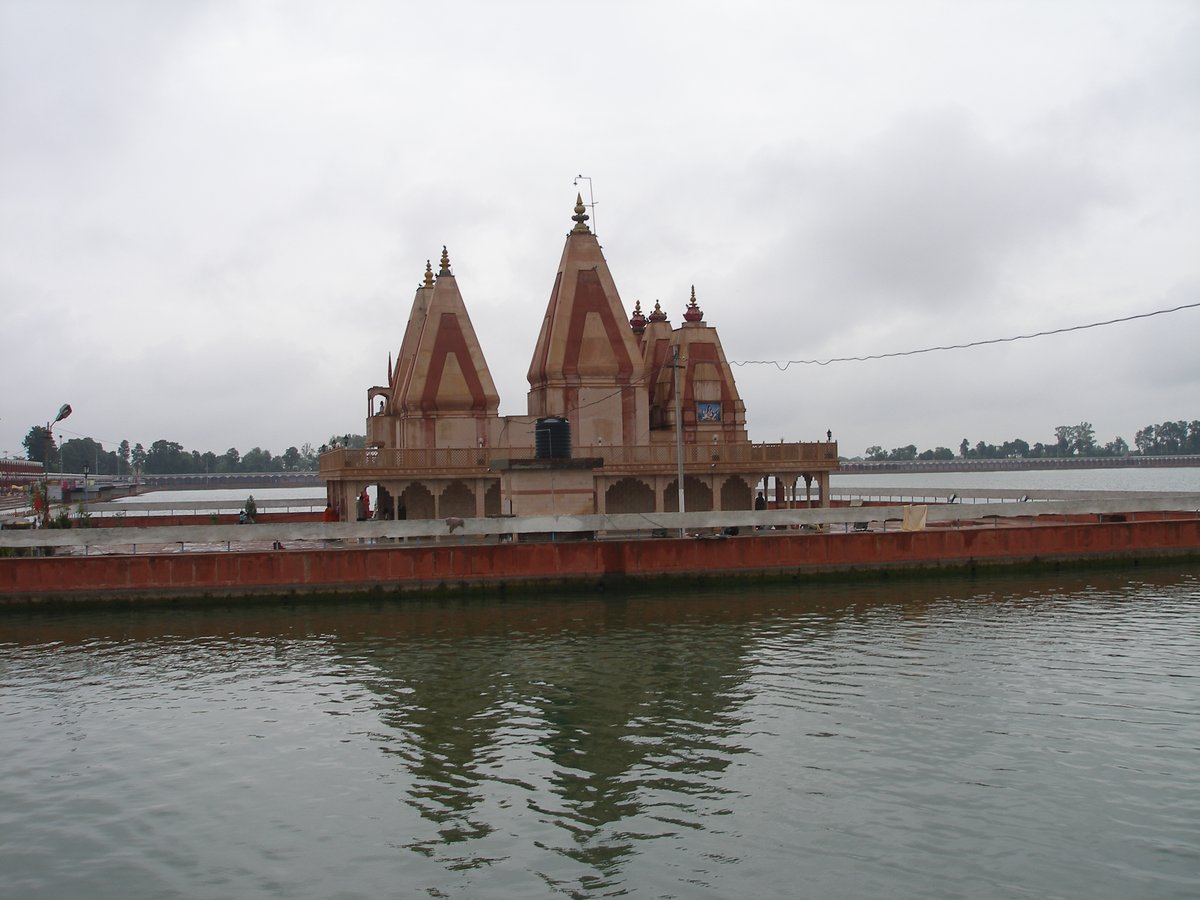
- Karna Lake Popular for recreation and believed to be linked to Mahabharata legends.
- Karnal Fort A medieval fort offering insights into the city’s military history.
- Kalandar Shah’s Tomb A notable Sufi shrine near the city center.
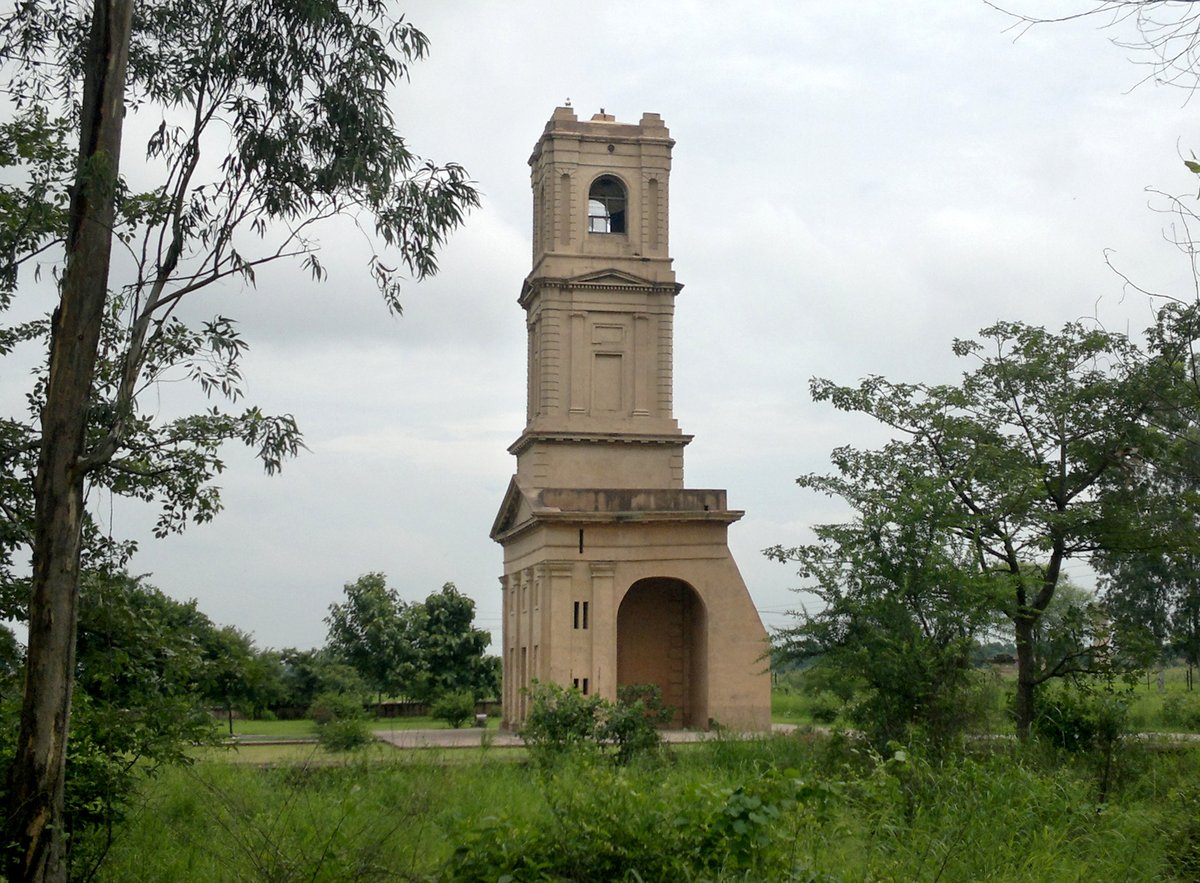
- Cantonment Church Tower A British-era heritage landmark.
These sites can be combined with a visit to the Kos Minars for a comprehensive heritage experience (Karnal District Official; Native Planet).
Educational Value and Tourism
The Kos Minars serve as open-air classrooms illustrating the evolution of Indian transportation, communication, and governance. Heritage walks, educational signage, and proposed guided tours as part of the heritage corridor project will further enhance visitor engagement (Tribune India).
Frequently Asked Questions (FAQ)
Q1: What are the Kos Minar visiting hours in Karnal?
A: Open daily from 8:00 AM to 6:00 PM. Preferred visiting times are early morning and late afternoon.
Q2: Is there an entry fee to visit the Kos Minar?
A: No, entry is free.
Q3: Are guided tours available?
A: While official guided tours are limited, local groups occasionally organize heritage walks. Check with the local ASI office or tourism department for updates.
Q4: How can I reach the Kos Minars?
A: Karnal is accessible by National Highway 44 (Grand Trunk Road) and by rail. Local transport options are available for reaching specific sites.
Q5: Is the Kos Minar site accessible for differently-abled visitors?
A: Accessibility is currently limited due to uneven terrain and a lack of dedicated facilities.
Summary & Recommendations
The Kos Minars of Karnal are invaluable relics of India’s medieval roadways, symbolizing the administrative vision of Sher Shah Suri and the Mughal emperors. Their preservation is challenged by urban encroachment, neglect, and environmental stress, but ongoing conservation and community engagement signal hope for their future. Visitors are encouraged to explore these monuments alongside other heritage sites in Karnal, participate in heritage walks, and support local preservation efforts.
To make the most of your visit:
- Plan your trip during cooler months.
- Use the Audiala app for maps and heritage site updates.
- Respect the protected zones and help raise awareness about these historical treasures.
For further details and updates, consult Haryana Tourism, Tribune India, and Media India.