Scientific Contributions and Research Focus
Major Research Divisions
- Soil and Crop Management Development of farming systems and reclamation technologies for salt-affected soils.
- Agroforestry and Bioenergy Research on salt-tolerant trees and bioenergy crops for ecological and economic benefits.
- Water Management Technologies for groundwater recharge, subsurface drainage, and management of saline water.
- Genetic Improvement and Crop Breeding Breeding salt-tolerant crop varieties and operating advanced transgenic greenhouses (CSSRI: About Institute).
Landmark Achievements
CSSRI’s technologies have reclaimed nearly 1.5 million hectares of degraded land, increasing food grain production by over 15 million tonnes annually. The institute collaborates with international partners (e.g., IRRI, ACIAR, CIMMYT) and leads capacity-building initiatives through its International Training Centre (CSSRI: About Institute).
Visiting Hours and Entry Details
- Visiting Hours Monday to Friday, 9:00 AM to 5:00 PM
- Closed Saturdays, Sundays, and national holidays
- Entry Fee No general entry fee; certain events or workshops may require registration fees
- Advance Booking Strongly recommended for all visits; mandatory for group tours, academic delegations, and researchers
Location and Accessibility
- Address Zarifa Farm, Kachhwa Road, Karnal – 132001, Haryana, India
- Distance from Delhi Approx. 125 km (about 2.5 hours by road)
- Access by Train Karnal Railway Station (8 km from campus)
- By Road National Highway 44 connects Karnal to Delhi and Chandigarh; taxis and local transport are readily available
Visitor Eligibility and Access Policy
CSSRI primarily serves researchers, agricultural officers, academic groups, and officially nominated trainees. Public access is limited, and casual tourist entry is not permitted without prior approval. To arrange a visit:
- Contact CSSRI at least 2–4 weeks in advance
- State your purpose (academic, research, group tour, educational program)
- Await confirmation and visitor instructions
Campus Facilities and Amenities
- Research Infrastructure Advanced laboratories, experimental fields with demonstration plots, greenhouses, and an information technology center
- Accessibility Wheelchair access, ramps, and accessible pathways
- On-Campus Accommodation For trainees and official guests (advance booking required)
- Dining Campus canteen for registered guests; a variety of restaurants available in Karnal city
- Parking Onsite parking for visitors with prior approval
- Internet Wi-Fi access in key areas
Guided Tours and Visitor Experience
CSSRI offers guided tours for academic groups, delegations, and researchers by prior arrangement. These tours typically include:
- Introduction to CSSRI’s mission and achievements
- Visits to laboratories, experimental farms, and the transgenic greenhouse
- Demonstrations of salt-tolerant crop varieties and reclamation technologies
- Interactive sessions with scientists and technical staff
Tours provide an in-depth look at pioneering agricultural research and practical solutions for soil and water management.
Special Events and Educational Programs
The institute hosts annual events such as Kisan Melas (Farmers’ Fairs) and Kisan Diwas (Farmers’ Day), featuring:
- Technology demonstrations
- Workshops and expert talks
- Farmer-scientist interactions
Participation may require advance registration; details are posted on the CSSRI website.
Photography and Media Guidelines
- Permitted In outdoor demonstration areas, exhibition halls, and public spaces
- Restricted Laboratories and sensitive research zones (permission required)
- Media Visits Coordinate in advance with the CSSRI administration
Nearby Attractions in Karnal
Enhance your visit by exploring Karnal’s historical and cultural landmarks:
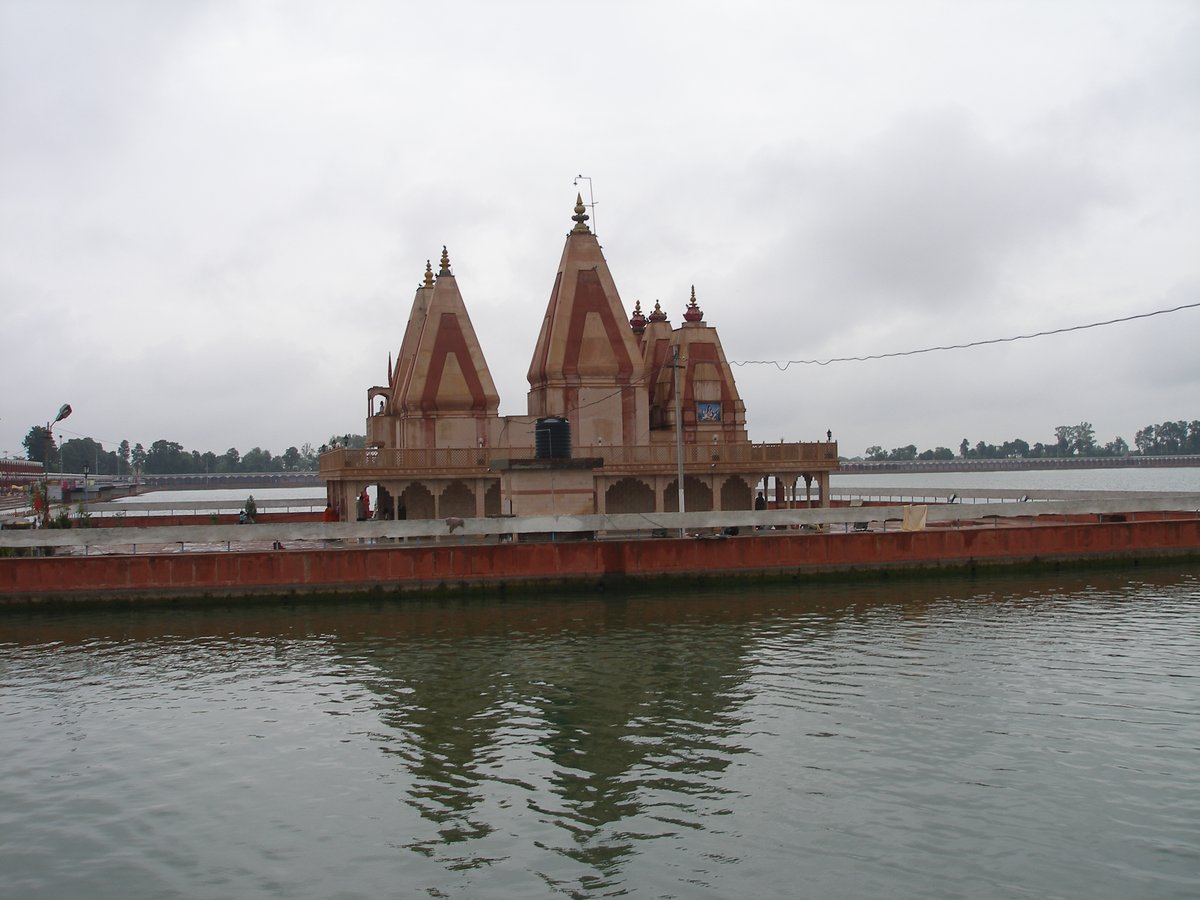
- Karna Lake Scenic spot for relaxation and boating
- Karnal Fort Historic fort offering panoramic city views
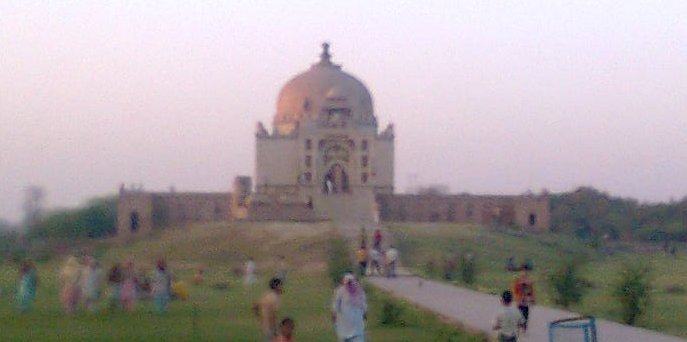
- Kalander Shah’s Tomb Notable 14th-century Indo-Islamic monument
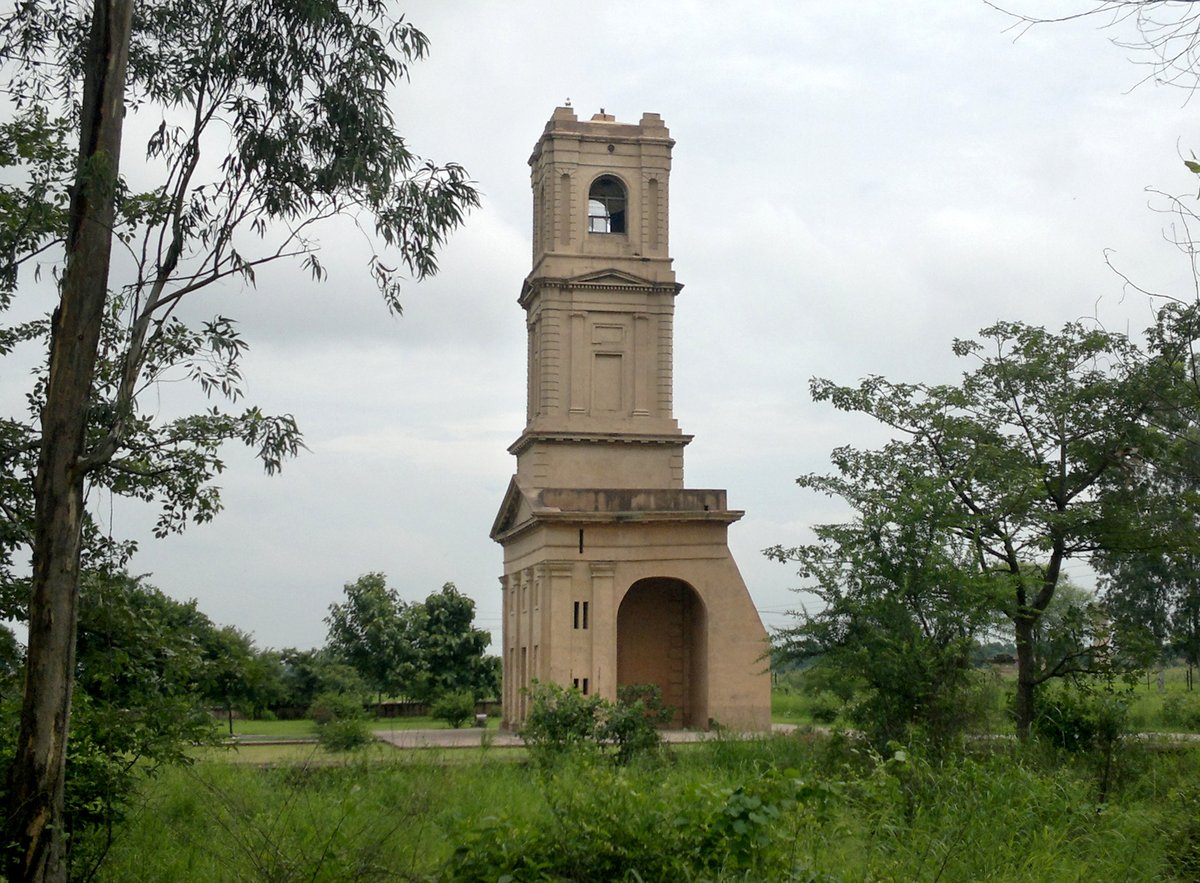
- Cantonment Church Tower A piece of British-era heritage
Karnal offers both natural beauty and a glimpse into the region’s rich history.
Travel and Local Transport Tips
- Best Time to Visit October to March (pleasant weather for outdoor activities)
- Transport Auto-rickshaws and taxis are available from Karnal city and railway station to CSSRI
- Health & Safety Summers can be hot (up to 45°C); dress appropriately, stay hydrated, and use sun protection
- Accessibility Notify CSSRI in advance if you have special mobility needs
Frequently Asked Questions (FAQ)
Q: Do I need to book a guided tour in advance?
A: Yes, advance booking is essential for group tours and research visits.
Q: Is there a fee to visit CSSRI?
A: No general entry fee; some programs may have registration charges.
Q: Is CSSRI suitable for children or school groups?
A: Yes, with prior arrangement, especially for educational groups interested in agriculture and environmental science.
Q: Are there restrictions on photography?
A: Yes, permission is required for photography in laboratories and sensitive research areas.
Q: What is the best time to visit CSSRI?
A: October to March for comfortable weather and outdoor activities.
Contact Information
- Phone +91-184-2290501
- Email [email protected]
- Website CSSRI Official Website
- Alternate Info Sarkari Naukri CSSRI
Summary and Final Tips
The Central Soil Salinity Research Institute in Karnal is at the forefront of combating soil salinity and promoting sustainable agriculture in India. Visitors can engage with pioneering research, attend special events, and explore a campus that blends scientific innovation with regional heritage.
Tips for Visitors:
- Arrange your visit well in advance and specify your group’s purpose
- Schedule for October–March for the best weather
- Respect campus etiquette and photography guidelines
- Explore Karnal’s nearby attractions for a well-rounded experience
For the latest updates, event schedules, and visitor policies, consult the CSSRI official website.