Plan and listen to with Audiala.
Audio guide in your pocket, itinerary in your browser. Built for the way you actually visit.
Introduction
Kalol, situated in Gujarat's Gandhinagar district, is a dynamic city where centuries-old history blends seamlessly with industrial growth and vibrant culture. Once a key part of the Panchmahal region, Kalol has evolved from a trade center to an industrial powerhouse, home to major enterprises like Sintex Industries and the IFFCO Ammonia-Urea Complex (Panchmahal History; Sintex Industries Overview; IFFCO Kalol Facility). Its rich heritage is evident in its diverse religious sites, colorful festivals, and traditional arts.
This guide provides a comprehensive overview of Kalol’s historical roots, cultural highlights, key attractions, visiting hours, ticket information, travel tips, and nearby sites—helping you plan an unforgettable journey to this multifaceted city.
Early Roots & Regional Context
Kalol’s history is anchored in its location within the Panchmahal region, which historically encompassed Godhra, Dahod, Halol, Kalol, and Jhalod (Learn more). Its strategic position made it a hub for trade and administration, especially during British rule, when it gained administrative significance through agreements with local rulers. After India’s independence and the reorganization of states in 1960, Kalol became a pivotal part of Gujarat.
Industrialization and Economic Development
Kalol’s transformation accelerated in the late 20th century. It became renowned for its industrial output, particularly in plastics and textiles, with Sintex Industries emerging as a global leader (Sintex Industries overview). The establishment of the IFFCO Ammonia-Urea Complex in 1974 further bolstered Kalol’s profile, playing a crucial role in India’s agricultural growth (IFFCO Kalol facility). The city today boasts a diversified industrial base, attracting a skilled workforce and contributing significantly to Gujarat’s economy.
Demographics and Urban Expansion
With a population of over 133,000, Kalol’s literacy rate stands at an impressive 88%, surpassing the national average (Kalol demographics). The city is divided into distinct zones, including industrial, residential, and rapidly growing commercial areas, all benefitting from proximity to major highways and the Sabarmati River.
Religious and Cultural Heritage
Kalol is a microcosm of Gujarat’s religious diversity: Hindus constitute the majority, alongside Muslims, Sikhs, Christians, and Jains (Kalol religious demographics; HelloTravel). This pluralism is reflected in the city’s temples, mosques, gurudwaras, and derasars. Notable sites include:
-
Swaminarayan Temple: Known for its intricate carvings and spiritual ambiance.
Visiting Hours: 6:00 AM – 8:00 PM. Free entry. -
Jain Temples: Featuring ornate marble work; Kadi Jain Temple is over 900 years old.
Visiting Hours: 5:00 AM – 9:00 PM. Free entry. -
Hanuman Temple: A vibrant pilgrimage spot.
Visiting Hours: 5:00 AM – 10:00 PM. -
Nearby Jamiyatpura Hanuman Temple: 10 km from Kalol, popular with devotees.
The city’s festivals, including Navratri (famed for Garba dance), Diwali, Holi, and Makar Sankranti, animate the community and provide immersive experiences for visitors (TravelSetu; GujaratDarshanGuide).
Architectural Highlights
Kalol Fort
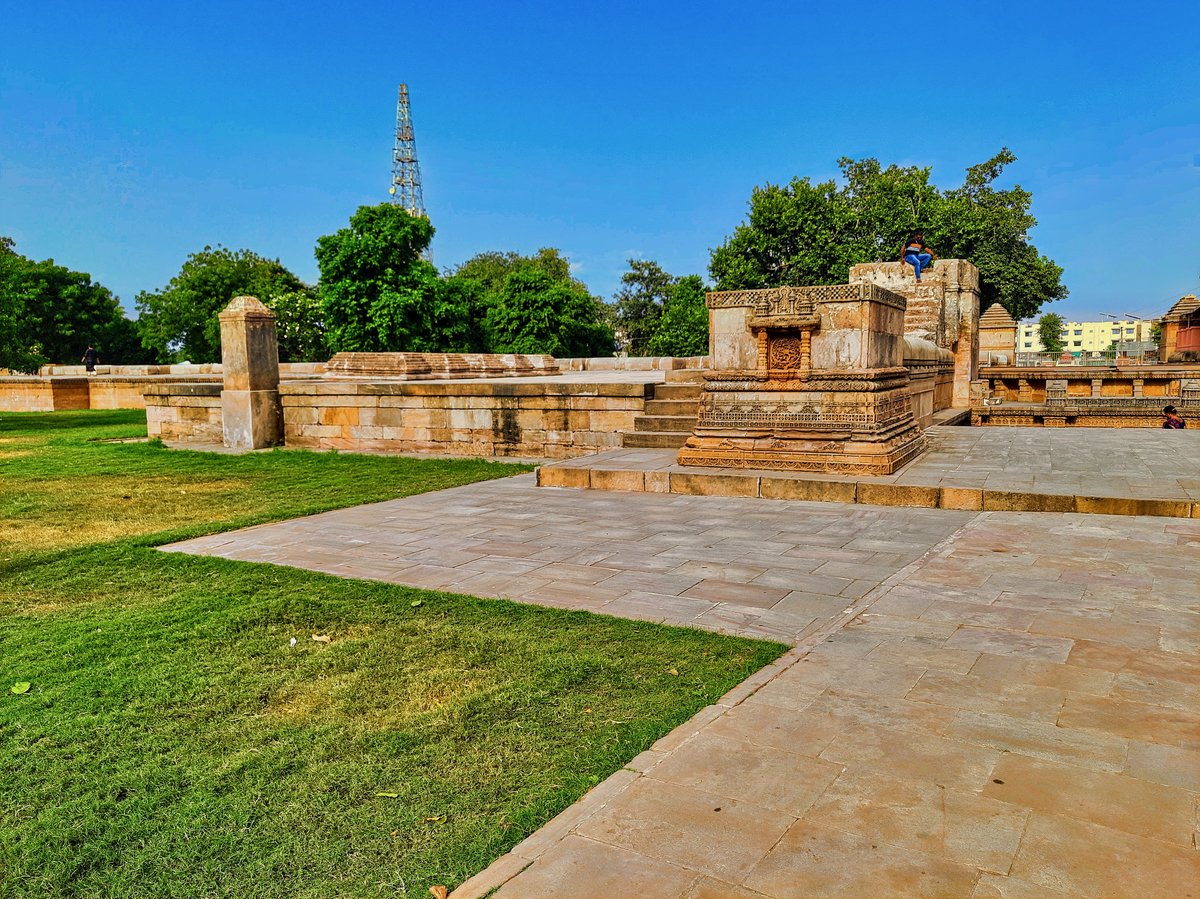
A historic fort showcasing the region’s strategic importance, offering panoramic views and insights into local architecture (TouristPlacesGuide).
Visiting Hours: 9:00 AM – 6:00 PM. Free entry.
Adalaj Stepwell
Located about 20 km from Kalol, this 15th-century stepwell is an architectural marvel blending Indo-Islamic styles (Postlo).
Visiting Hours: 9:00 AM – 5:00 PM.
Tickets: INR 25 (Indians), INR 300 (foreigners).
Modernization and Industry
Kalol is a major industrial hub, with sectors including plastics, textiles, pharmaceuticals, and chemicals (Postlo). The city’s industrial estates are managed by the Gujarat Industrial Development Corporation (GIDC), while the presence of institutions like Gati Shakti University highlights Kalol’s focus on educational and workforce development.
Festivals, Arts, and Culinary Heritage
Festivals:
Navratri, Diwali, and Holi are celebrated citywide with music, dance, and colorful processions. Other local events, such as fairs and concerts, further enrich Kalol’s cultural calendar (AllEvents).
Traditional Arts:
Garba and Dandiya Raas dominate festival celebrations, accompanied by folk music and instruments like the dhol and manjira (GujaratDarshanGuide; KalolOnline).
Cuisine:
Local foods include khaman, dhokla, fafda, and traditional Gujarati thali (Postlo). Street food and sweets are widely available in bustling local markets.
Transportation and Accessibility
- Rail: Kalol Junction connects to Ahmedabad, Jaipur, New Delhi, and other major cities (Kalol Junction details).
- Road: SH41, National Highways 8A and 8C provide excellent road links.
- Air: Sardar Vallabhbhai Patel International Airport (Ahmedabad) is about 30 km away.
Local transport includes auto-rickshaws, taxis, and buses.
Practical Visitor Information
| Attraction | Visiting Hours | Entry Fee (₹) | Accessibility |
|---|---|---|---|
| Kalol Fort | 9:00 AM – 6:00 PM | Free | Uneven terrain |
| Swaminarayan Temple | 6:00 AM – 8:00 PM | Free | Wheelchair accessible |
| Jain Temples | 5:00 AM – 9:00 PM | Free | Moderate accessibility |
| Adalaj Stepwell | 9:00 AM – 5:00 PM | 25/300 | Good access, some steps |
| Champaner-Pavagadh Park | 9:00 AM – 6:00 PM | 100 | Moderate accessibility |
- Best Time to Visit: October to March for pleasant weather.
- Clothing: Modest dress advised for religious sites.
- Language: Gujarati is primary; Hindi and English are widely understood.
- Accommodation: Options range from local guesthouses to hotels in nearby Ahmedabad and Vadodara.
- Dining: Numerous eateries serve authentic Gujarati fare.
Family & Recreational Activities
- Parks and Gardens: Well-maintained, ideal for families.
- Sabarmati Riverfront: Great for evening strolls and photography.
- Local Markets: Perfect for shopping handicrafts, textiles, and snacks.
Excursions and Nearby Attractions
- Champaner-Pavagadh Archaeological Park: UNESCO site with ancient temples and forts.
- Jambughoda Wildlife Sanctuary: Rich in flora and fauna, ideal for nature lovers.
- Pavagadh Hills: Popular for hiking and scenic views.
Frequently Asked Questions (FAQ)
Q1: What are the main visiting hours for Kalol’s landmarks?
A1: Kalol Fort (9:00 AM – 6:00 PM), Swaminarayan Temple (6:00 AM – 8:00 PM), Jain Temples (5:00 AM – 9:00 PM), Adalaj Stepwell (9:00 AM – 5:00 PM).
Q2: Are there entry fees at religious sites?
A2: Most temples and religious sites are free to enter.
Q3: What is the best period to visit Kalol?
A3: October to March, for comfortable weather and festival celebrations.
Q4: How can I reach Kalol from Ahmedabad?
A4: By train, bus, taxi, or car—approximately 30 km away on SH41.
Q5: Are guided tours available?
A5: Official tours are rare, but local agencies and guides can be arranged.
Q6: Is Kalol suitable for business travelers?
A6: Yes, with robust industrial infrastructure and connectivity.
Internal Links
- Top Tourist Attractions in Gujarat
- Gujarat’s Festival Calendar
- Traditional Indian Cuisine Guide
- Best Monsoon Destinations in Gujarat
Visual Highlights
- Kalol Fort at sunset – Alt: "Kalol Fort historical site in Gujarat"
- Navratri Garba celebrations – Alt: "Traditional Garba dance during Navratri festival in Kalol"
- Adalaj Stepwell – Alt: "15th-century Adalaj Stepwell near Kalol"
Discover More
Kalol offers a compelling blend of Gujarat’s historical depth, diverse culture, and modern vitality. From ancient temples and forts to vibrant festivals and industrial landmarks, it’s a destination that caters to history enthusiasts, cultural explorers, and business travelers alike. With easy access, safe streets, and a welcoming community, Kalol is ready to offer you an enriching travel experience.
Plan your Kalol adventure today! Download the Audiala app for detailed itineraries, real-time updates, and insider tips. Follow us on social media to discover more hidden gems in Gujarat.
Listen to the full story in the app
The whole ,
told well.
Audio guides for 1,100+ cities across 96 countries. History, stories, and local insight — offline ready.
Verified, and shown.
Researched and written by the Audiala editorial team from historical records, architectural archives, and local expertise.
Last reviewed