Historical Background and Evolution
Early Railway Development in Kalaburagi
Kalaburagi Junction’s origins are closely tied to the expansion of the Indian railway network during British rule. The station’s strategic location in the Deccan region made it a vital link for trade and mobility. The development of the Mumbai–Chennai main line (Solapur–Guntakal section) in the late 19th and early 20th centuries positioned Kalaburagi as a regional hub, facilitating the movement of both passengers and freight, notably groundnuts, rice, and pulses for which the area is known (Wikipedia: Kalaburagi).
Modernization and Expansion
Infrastructure and Network Growth
With the introduction of the Kalaburagi–Bidar line, the station grew into a significant junction, directly connecting Kalaburagi with northern Karnataka and major urban centers like Mumbai, Bangalore, Hyderabad, and Chennai. Over 100 trains pass through or originate at the station each week, including prominent express services (Prokerala: Kalaburagi Junction).
Passenger Amenities and Accessibility
Kalaburagi Junction is equipped with multiple platforms, digital ticketing systems, waiting areas, food stalls, sanitized restrooms, and clear signage. Accessibility has been prioritized through ramps, tactile pathways, reserved parking, and trained staff for assistance (EaseMyTrip: Kalaburagi Railway Station).
Role in Regional Development
The station enhances connectivity for students attending local universities and supports the transport needs of industries such as cement, textiles, and chemicals. Its proximity to cultural landmarks makes it a gateway for both educational and religious tourism (MakeMyTrip: Gulbarga).
Visiting Hours and Ticket Booking
- Operating Hours 24/7 for passenger convenience.
- Ticketing Book tickets online via the IRCTC portal, mobile apps, or at station counters. Advance booking is advised during festivals and holidays to avoid last-minute hassles.
Accessibility Features
Kalaburagi Junction is designed for inclusivity, with ramps, tactile walkways, accessible restrooms, reserved parking, Braille signage, audio assistance, and priority services for senior citizens and differently-abled travelers.
Station Layout, Facilities, and Passenger Services
Platforms and Track Infrastructure
The station includes four electrified, well-maintained platforms, supporting express, superfast, and regional trains (India Rail Info). Multilingual signage aids navigation, and foot overbridges ensure safe movement.
Waiting Areas and Amenities
General waiting halls, air-conditioned lounges, and family waiting rooms are available. Digital displays provide real-time train information. IRCTC-managed food plazas and vending machines offer refreshments, while nearby eateries serve local cuisine.
Cleanliness and Security
Hygiene is maintained through regular sanitation and waste segregation. Security is robust, with CCTV surveillance, Railway Protection Force (RPF) and Government Railway Police (GRP) presence, baggage screening, and emergency medical facilities.
Parking and Local Transport
The station provides ample parking, prepaid taxi and auto-rickshaw counters, and easy access to city buses and shared autos, connecting passengers to city landmarks and hotels.
Nearby Attractions and Travel Tips
Top Tourist Sites
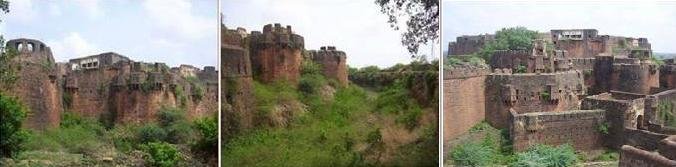
- Gulbarga Fort Iconic Indo-Islamic fortress (9 AM–5:30 PM, entry ₹25).
- Khwaja Bande Nawaz Dargah Revered Sufi shrine, open 24 hours.
- Haft Gumbaz Cluster of seven medieval tombs (9 AM–6 PM, entry ₹10).
- Sharana Basaveshwara Temple Important religious landmark.
Practical Travel Tips
- Best Season October to March for comfortable weather.
- Transport Use authorized taxis, autos, or city buses for safe travel.
- Language Kannada, Hindi, and English are widely spoken.
- Accommodation Range of hotels and guesthouses near the station.
Redevelopment and Modernization: Amrit Bharat Station Scheme
Kalaburagi Junction is being modernized under the Amrit Bharat Station Scheme, with upgrades such as:
- Self-cleaning drainage systems
- Free Wi-Fi and digital infrastructure for future 5G
- Durable, dust-proof interiors and exteriors
- Modern furniture and waiting halls
- Enhanced multilingual announcements
- Escalators, lifts, and improved accessibility
- Expanded parking and ‘One Station One Product’ stalls showcasing local crafts
- Business meeting spaces and sustainable design features (RailTrans Expo)
The redevelopment aims to balance heritage with modernization, improving passenger experiences and supporting regional economic growth.
Economic, Social, and Tourism Impact
- Job Creation Boosts employment in construction, hospitality, retail, and station management (Mysuru Infra Hub).
- Tourism Enhanced facilities and connectivity are expected to draw more visitors to Kalaburagi’s historical sites.
- Community Benefits Improved station accessibility, cleanliness, and digital services uplift quality of life for residents.
Frequently Asked Questions (FAQ)
Q1: What are the visiting hours for Kalaburagi Junction?
A1: The station operates 24/7, with ticket counters usually open from 6:00 AM to 10:00 PM.
Q2: How can I book train tickets?
A2: Tickets can be booked online via IRCTC, mobile apps, or at station counters.
Q3: Are there facilities for differently-abled passengers?
A3: Yes, including ramps, lifts, accessible restrooms, and reserved parking.
Q4: What are the nearest tourist attractions?
A4: Gulbarga Fort, Khwaja Bande Nawaz Dargah, Haft Gumbaz, and Sharana Basaveshwara Temple.
Q5: Is parking available at the station?
A5: Yes, ample secure parking is provided.
Q6: Are retiring rooms available?
A6: Yes, AC and non-AC options are available for 12 to 48 hours and can be booked online (eRail).
Related Articles
- Gulbarga Fort History and Visiting Guide
- Travel Guide to North Karnataka
- Comprehensive Guide to Indian Railways Ticketing and Travel