Jodhpur National University: Overview
Jodhpur National University is a distinguished private university founded in 2008 under Section 2(f) of the UGC Act, 1956, making it the region’s first private university. With a sprawling 30-acre campus, JNU is committed to delivering quality higher education to the youth of western Rajasthan. The university’s establishment addressed the challenge of limited local access to advanced education, enabling students to pursue degrees closer to home (Jodhpur National University: History, Campus, and Academic Excellence).
Foundation and Establishment
JNU was chartered by CA Kamal Mehta with the guiding philosophy: “Future is not a gift, it is an achievement.” Its vision emphasizes empowering students through socially relevant, industry-aligned education.
Campus Life and Facilities
JNU’s campus features:
- Wi-Fi-enabled, digitally equipped lecture halls and classrooms
- Advanced laboratories and a comprehensive library
- Separate hostels for boys and girls, vegetarian mess, and sports facilities
- Auditoriums and cultural spaces for events and seminars
The university’s vibrant environment supports academic, cultural, and personal growth. Annual job fairs attract top recruiters, enhancing student employability. Campus tours for prospective students can be scheduled via the university’s official website.
Academic Vision, Programs, and Recognition
Vision and Mission
JNU’s mission is to deliver cutting-edge, industry-relevant education rooted in value-based learning and research. The university integrates rigorous academics with modern pedagogy and industry partnerships, preparing graduates for real-world challenges.
Programs Offered
JNU offers a wide array of programs across disciplines such as:
- Engineering and Technology
- Management
- Pharmacy
- Law
- Computer Applications
- Applied Sciences
Accreditation and Recognition
JNU holds approvals from national bodies including the UGC, AICTE, Bar Council of India, Pharmacy Council of India, Dental Council of India, and Association of Indian Universities. The university has been recognized with awards like the Educational Excellence Award at the Indo-Global Education Expo & Summit 2014, validating its quality and industry relevance.
Impact and Milestones
JNU’s localized approach has contributed to the socio-economic advancement of western Rajasthan, supporting skill development and employment. Notable events include convocation ceremonies featuring dignitaries like Amitabh Bachchan and the university’s consistent rise in national rankings, particularly in engineering and technology.
Visiting Mehrangarh Fort
History and Significance
Mehrangarh Fort is an architectural marvel rising 410 feet above the city, built in 1459 by Rao Jodha. Its formidable walls, ornate palaces, and expansive courtyards reflect the splendor and strategic prowess of the Rajput era. The fort is home to museums, temples, and royal artifacts, providing a vivid narrative of Rajasthan’s heritage (Mehrangarh Fort: A Visitor's Guide).
Visiting Hours and Tickets
- Open Daily 9:00 AM – 5:00 PM (last entry: 4:30 PM)
- Closed On select Indian public holidays
- Entry Fees
- Indian Citizens: ₹100
- Foreign Tourists: ₹600
- Children under 15: Free
- Camera Fee: ₹100 (still), ₹200 (video)
- Audio Guide: ₹200 (optional, recommended)
Tickets are available at the fort entrance or online via the official Mehrangarh Fort website (Mehrangarh Fort Official Site).
Reaching the Fort
- By Air Jodhpur Airport (8 km)
- By Train Jodhpur Railway Station (5 km)
- By Road Taxis, auto-rickshaws, and buses from the city center are readily available. Walking paths and private parking are provided.
Key Attractions
- Palaces Moti Mahal, Phool Mahal, Sheesh Mahal, and Zenana Mahal
- Temples Chamunda Mataji Temple
- Museum Showcases palanquins, armory, costumes, paintings, and musical instruments
- Viewpoints Panoramic terraces with stunning vistas of the Blue City
Guided Tours and Accessibility
- Guided Tours Available in multiple languages at the entrance; highly recommended for historical context
- Audio Guides Offer self-paced exploration
- Accessibility Wheelchair ramps and assistance in select areas, though some sections remain challenging due to hilly terrain and steps
Nearby Attractions
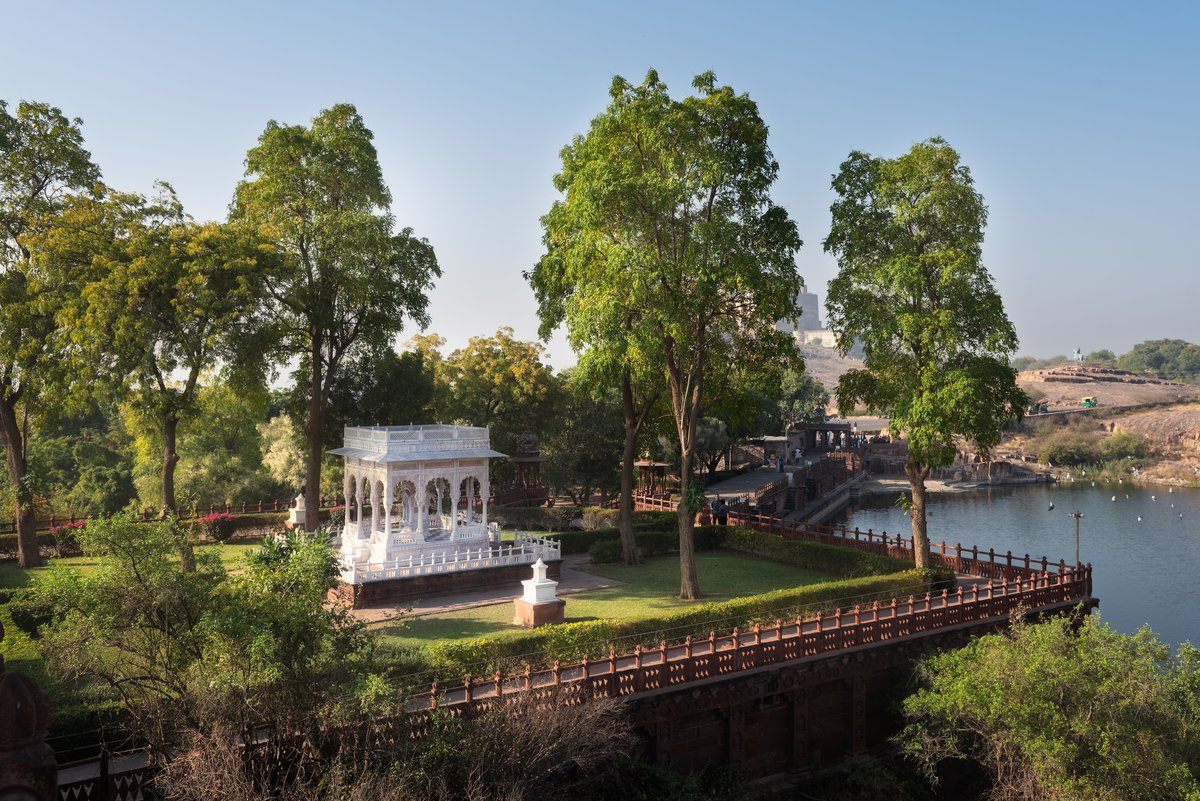
- Jaswant Thada Marble cenotaph, 1 km away
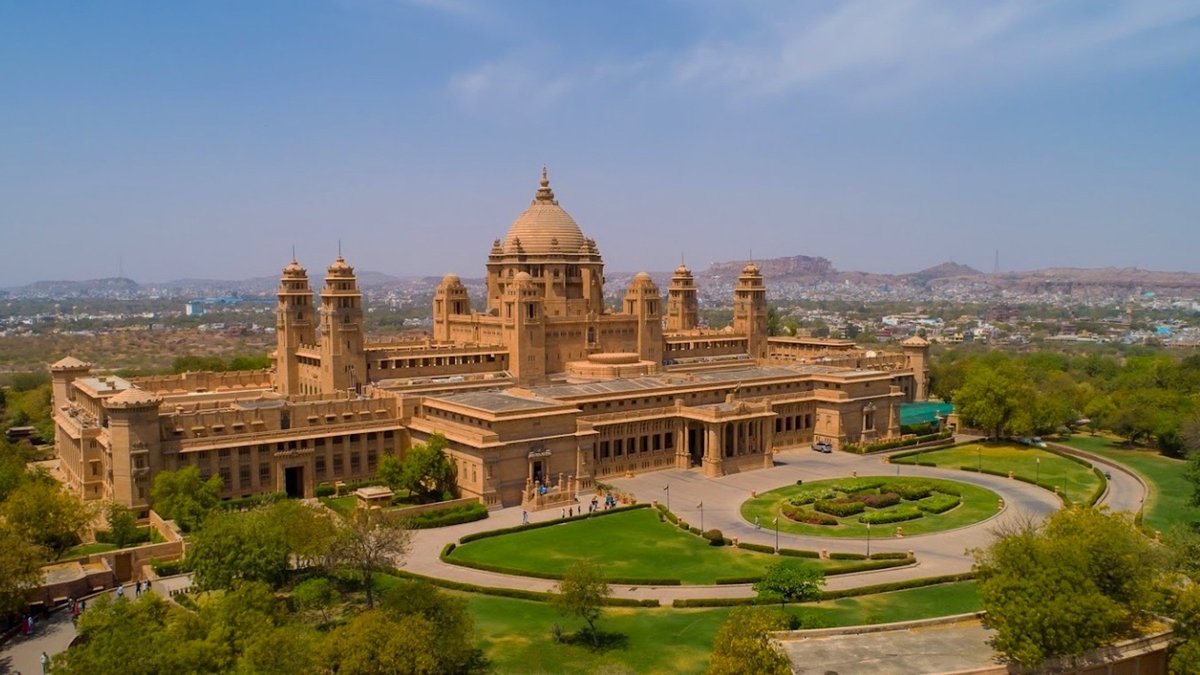
- Umaid Bhawan Palace Heritage hotel and museum, about 5–6 km away
- Clock Tower & Sardar Market Bustling local market for shopping and street food
Practical Tips
- Wear comfortable shoes and carry water, especially in summer
- Sun protection (hat, sunscreen) is advised
- Arrive early or late afternoon for cooler temperatures and fewer crowds
- Respect all signage, particularly in museum sections and restricted areas
- Photography is permitted in most outdoor areas; check for restrictions indoors
FAQs
Q1: How do I apply to Jodhpur National University?
A1: Applications are accepted online via the university’s official website.
Q2: Are campus tours available at JNU?
A2: Yes, schedule tours through the admissions office online.
Q3: What facilities does JNU offer for students?
A3: Separate hostels, vegetarian mess, sports, auditoriums, and placement support.
Q4: Is Mehrangarh Fort accessible to visitors with disabilities?
A4: Some areas are accessible; however, the terrain can be challenging. Assistance and ramps are available in select areas.
Q5: Can tickets to Mehrangarh Fort be purchased online?
A5: Yes, through the official Mehrangarh Fort website.
Q6: Are cultural events held at Mehrangarh Fort?
A6: Yes, the fort hosts festivals like the Rajasthan International Folk Festival (RIFF) and World Sufi Spirit Festival.