Historical Background
Royal Foundations (1940–1947)
GAU’s roots trace back to the princely state of Nawanagar. In 1940, the royal family established the Shri Gulabkunverba Ayurveda Society to promote Ayurveda, translating classical texts into English, Hindi, and Gujarati, making them accessible to a wider audience. The Dhanwantari Mandir, completed in 1944, became a central facility for Ayurvedic education, and in 1946, India’s first Ayurveda college, Shri Gulabkunverba Ayurveda Mahavidyalaya, was founded here.
University Establishment and Growth (1947–2000)
After India’s independence, the government prioritized the integration and advancement of traditional systems of medicine. Key institutes like the Central Institute for Research in Indigenous System of Medicine (CIRISM) and the Centre for Post Graduate Studies and Research in Ayurveda (CPGS&RA) were established in Jamnagar. In 1967, GAU was constituted as the first statutory university exclusively for Ayurveda. In subsequent decades, it expanded with the Institute of Post Graduate Teaching & Research in Ayurveda (IPGT&RA) and the Maharshi Patanjali Institute for Yoga Naturopathy Education and Research.
Modern Era and Global Significance (2000–Present)
GAU’s global standing was further cemented with the establishment of the Institute of Teaching and Research in Ayurveda (ITRA) in 2020, designated as an Institute of National Importance. The campus now boasts a unique combination of heritage, world-class research, and international academic exchange.
Visiting Information
Location & How to Reach
- Address Gujarat Ayurved University, Jamnagar, Gujarat
- From Airport 8–10 km (Jamnagar Airport)
- From Railway Station 4–8 km (Jamnagar Railway Station)
- Transport Taxis, auto-rickshaws, and city buses provide easy access (Tour My India; Tusk Travel).
Visiting Hours
- Monday to Saturday 9:00 AM – 5:00 PM
- Sundays & Public Holidays Closed
Ticketing & Entry
- General Entry Free for visitors
- Guided Tours/Special Events May require prior booking or nominal fees; check the official website for details.
Guided Tours & Events
Guided campus tours are available on request, focusing on the Dhanwantari Mandir, botanical gardens, and research centers. Special events—such as workshops, Yoga sessions, and national Ayurveda Day celebrations—are held periodically and may require advance registration.
Accessibility & Visitor Amenities
- Wheelchair Access Ramps and accessible pathways are available.
- Assistance Visitor center staff can arrange support if contacted in advance.
- Parking On-campus parking is available for visitors.
Campus Architecture & Facilities
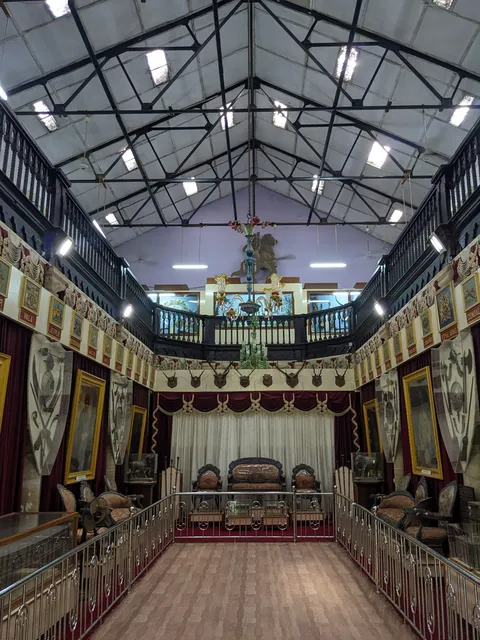
GAU’s campus combines royal architectural grandeur with modern academic infrastructure (Tour My India). The Dhanwantari Mandir is a focal point, surrounded by verdant courtyards and medicinal plant-lined paths. The campus also features:
- Expansive classrooms with smart technology
- Cutting-edge laboratories for pharmaceutical and plant research (GetMyUni)
- A comprehensive library housing ancient manuscripts and modern medical literature (IES Online)
- On-campus hostels with affordable fees for students
Botanical Garden & Research
GAU conserves over 150 medicinal plant species in its botanical garden, serving as both a living classroom and a tranquil retreat. The garden supports research in pharmacognosy and is a highlight for visitors and photographers (GetMyUni).
Healthcare & Hospital Services
The university’s 300-bed teaching hospital provides specialized Ayurvedic therapies, including Panchakarma and Ksharasutra, serving over 1,500 outpatients daily. Many treatments are subsidized or free for those in need, supported by government schemes (Tour My India).
Student Life & International Community
GAU hosts a vibrant international student community, with specialized courses, orientation programs, and regular seminars and workshops facilitating cross-cultural academic exchange (Tour My India).
Dining, Recreation & Wellness
- Canteen Offers affordable, healthy vegetarian meals based on Ayurvedic principles (IES Online).
- Yoga & Naturopathy Dedicated centers provide wellness classes, workshops, and a popular 12-week introductory program for international guests (Tour My India; Gujarat Dekho).
- Sports Playgrounds and walking trails encourage physical activity and meditation.
Sustainability & Security
The campus is eco-friendly, with initiatives for waste management, water conservation, and green spaces. Security staff maintain a safe and welcoming environment for all visitors (GetMyUni).
Nearby Attractions
Extend your visit to explore:
- Lakhota Palace & Museum Showcasing Jamnagar’s royal history
- Marine National Park India’s first marine sanctuary
- Khijadiya Bird Sanctuary A haven for birdwatchers
- Darbargadh Palace and scenic beaches (Tour My India)
Frequently Asked Questions (FAQ)
Q: Is GAU open to tourists?
A: Yes, visitors are welcome during official hours; guided tours are recommended.
Q: Is there an entry fee?
A: Entry is generally free. Some workshops or events may charge a fee.
Q: Are guided tours available?
A: Yes, arrange through the visitor center or online.
Q: How do I reach GAU from the railway station or airport?
A: It’s a short trip (4–10 km) by taxi, auto-rickshaw, or bus.
Q: Can I access the manuscript library?
A: By appointment only, primarily for scholars.
Q: Are international students welcome?
A: Yes, with orientation and certificate courses available.
Planning Your Visit
- Best Time October–March for pleasant weather
- Dress Code Modest, comfortable attire recommended
- Photography Allowed outdoors; restricted in archives and clinical areas
- COVID-19 Follow prevailing safety protocols
For the latest updates, events, and visitor information, consult the official GAU website and consider downloading the Audiala app for curated tours and educational content.