Type 2+ letters to search all countries, cities, and places
/Ctrl KEsc
travel_explore
Type 2+ letters to search all countries, cities, and places
Press Enter to open the top result
Kamla Nehru Prani Sangrahalay
Indore·India·22° N · 75° E·Updated Apr 2026
Named for Kamala Nehru, freedom fighter and wife of India's first PM, this 51-acre Indore zoo charges just ₹10 entry and houses tigers, elephants, and pythons.
₹10 Indians / ₹500 foreigners (unverified — confirm at gate)
Access
Wheelchair accessible
Best season
October to March
Most Indian zoos hide on the urban fringe, safely distant from traffic and commerce. Kamla Nehru Prani Sangrahalaya defies that logic — 51 acres of tigers, elephants, and crocodiles planted in the dead center of Indore, India, right along the city's noisiest arterial road. Locals call it simply "Chidiya Ghar," Hindi for bird house, though the big cats pacing behind its fences would object to the name.
The zoo sits in the Navlakha neighborhood, an area roughly three kilometers from Indore's famous Sarafa Bazaar night market. That proximity matters. Where most zoological gardens demand a half-day expedition, this one slots into an afternoon between plates of poha and jalebi — the two dishes Indore treats as civic identity.
At 51 acres, the grounds are about the size of 29 football pitches. Not enormous by national standards, but generous enough that morning walks through its tree-lined paths feel genuinely unhurried. The ticket price — reportedly as low as ten rupees for Indian visitors — makes it one of the most accessible zoological collections in Madhya Pradesh.
The zoo bears the name of Kamala Nehru, a freedom fighter who died at 36 and whose legacy across India tends to survive primarily in the institutions named after her. Whether you come for the animals or stumble in because AB Road traffic forced a detour, the place has a quiet, unpolished charm that larger, flashier zoos have designed out of existence.
Researched by the Audiala editorial team from historical records, architectural archives, and local expertise.
What to see
The Big Cat Enclosures
Tigers, lions, and panthers occupy the zoo's most visited section, and for good reason — seeing a Bengal tiger shift its weight from one paw to another at a distance of ten meters is a fundamentally different experience from watching one on a screen. The enclosures are not the sprawling naturalistic habitats of a Mysore or Hyderabad zoo, but they are functional, and the animals are close enough that you can hear the low rumble of a lion's breath on a quiet morning. Visit before 10 AM. By midday, the cats retreat to shade and become little more than orange blurs behind foliage. The panthers, darker and more patient, tend to stay visible longer — look for them in the upper branches of the enclosure trees, where they drape themselves like expensive, dangerous scarves.
The Reptile Collection
Pythons coiled like industrial cable. Crocodiles holding the same position so long you question whether they're real. Tortoises moving at a pace that makes geological time feel relatable. The reptile section draws fewer crowds than the mammals, which is precisely why it rewards a slow visit. Scorpions and lizards fill smaller terrariums near the path's edge — easy to miss if you're walking fast, worth stopping for if you're not. The crocodile pool, in particular, has a stillness to it that contrasts sharply with the rest of the zoo. Nothing happens for minutes at a time. Then a jaw opens, and you remember what you're looking at.
The Canopy Walk and Green Corridors
Forget the animals for a moment. The 51-acre grounds hold some of the densest tree cover in central Indore — mature plantings from decades of expansion that now form corridors where the temperature drops noticeably and the sound of AB Road traffic fades to a hum. Eagles circle above the canopy. Langurs swing between branches with the confidence of residents who know they outrank the visitors. Bring water, find a bench under a neem or banyan, and sit. In a city that regularly pushes past 40°C in summer, this patch of green is not scenery — it is relief.
Plan your visit
Getting There
The zoo sits on AB Road in Navlakha, right in central Indore — unusual for a zoo this size. Auto-rickshaws from Indore Junction railway station take about 15 minutes and cost around INR 80–100. City buses run along AB Road frequently, and the stop is practically at the gate.
Opening Hours
As of 2026, the zoo opens Tuesday through Sunday, 9:00 AM to 6:00 PM. Closed every Monday — no exceptions. Arrive before 10 AM if you want to see the animals before they retreat into shade and stop doing anything interesting.
Time Needed
Budget 2–3 hours for a proper visit across the 51-acre grounds — roughly the area of 28 football pitches. Families with children who want to linger at the tiger and elephant enclosures should plan closer to 3 hours. A brisk walk-through with minimal stops takes about 90 minutes.
Accessibility
Wheelchair access is available, which is uncommon for public zoos in Indian cities of Indore's size. Paths are generally flat, though expect uneven patches on some connecting trails. Benches and shade sheds are placed throughout for rest stops.
Tickets
Listed ticket prices are INR 10 for Indian visitors and INR 500 for foreign nationals, though these figures may be outdated — verify at the gate. No online ticketing; cash only at the entrance counter. At those prices, this may be the cheapest afternoon out in all of Madhya Pradesh.
Photo Gallery
A prominent white tiger statue stands atop a grassy mound at Kamala Nehru Prani Sangrahalaya in Indore, India, featuring an iconic 'I Love Indore' sign. · VikramSingh ValeraThe grand entrance of the Kamala Nehru Prani Sangrahalaya in Indore, India, bustling with visitors on a bright, sunny day. · VikramSingh ValeraA tiger rests peacefully within its enclosure at the Kamala Nehru Prani Sangrahalaya in Indore, India. · Jainosh7777
History
A Freedom Fighter's Name on a City's Wild Heart
Indore in the 1970s was a city reinventing itself. The former seat of the Holkar dynasty had spent decades transitioning from princely state to industrial hub, and its municipal government was in the business of building public institutions — parks, libraries, monuments to the new republic's values. A zoo fit the pattern perfectly: democratic access to the natural world, wrapped in civic pride.
The grounds opened on a modest 17-acre plot in the Navlakha district, roughly the area of seven city blocks. Over the following decades, the Indore Municipal Corporation expanded the site threefold to its current 51 acres, turning what began as a neighborhood curiosity into a proper zoological garden operating under Central Zoo Authority norms.
The turning point
Kamala Nehru: The Woman Behind the Name
Kamala Nehru was born Kamala Kaul in 1899 in Delhi, married Jawaharlal Nehru at eighteen, and spent much of her short life in the shadow of India's most powerful political family. But she was no bystander. During the Civil Disobedience Movement of 1930, she organized processions in Allahabad, picketed foreign cloth shops, and was arrested by British authorities — acts that earned her a reputation independent of her husband's.
Tuberculosis killed her in 1936, in a Swiss sanatorium, at the age of 36. She never saw Indian independence. In the decades after 1947, the new republic honored her by scattering her name across the country — hospitals, parks, colleges, and yes, a zoo in Indore. The naming convention was common for Nehru-Gandhi family members, but in Kamala's case it carries a particular weight: she fought for public access to public life, and a zoo open to anyone for a few rupees is, in its own small way, exactly that.
Most visitors walk past the name on the entrance gate without a second thought. The irony is that Kamala Nehru would probably have preferred it that way.
From Seventeen Acres to Fifty-One
The original zoo occupied 17 acres — enough for a handful of enclosures and a walking loop, but cramped by any zoological standard. The Indore Municipal Corporation, which has managed the site since its founding, gradually acquired adjacent land to triple the footprint. That expansion allowed for larger enclosures, shade plantings, and the kind of buffer zones between visitors and animals that the Central Zoo Authority increasingly demands. The result is a mid-sized garden that feels more spacious than its acreage suggests, partly because the mature trees — planted during early expansions — now form a canopy thick enough to drop temperatures several degrees below the surrounding city streets.
A Zoo in the Middle of Everything
Indian zoos typically occupy peripheral land where acreage is cheap and neighbors won't complain about animal noise at dawn. Indore's zoo breaks that rule. Its location on AB Road, the city's primary north-south artery, means it sits surrounded by Doordarshan's broadcasting center, residential colonies, and commercial traffic. The placement was deliberate — 1970s urban planners wanted public amenities within walking distance of the neighborhoods they served, not exiled to the outskirts. The tradeoff is noise and limited expansion room, but the benefit is footfall: families visit on impulse, not by planning a daylong excursion.
Tips for visitors
Don't Feed Animals
Feeding the animals is strictly prohibited and enforced. Signboards in Hindi and English make this clear at every enclosure — ignore them and you risk a fine and a sharp word from the guards.
Beat the Heat
Indore summers push past 40°C from April through June, and the zoo offers limited shade between enclosures. Visit between October and March, or at minimum arrive right at the 9 AM opening before the sun turns hostile.
Eat on AB Road
The zoo itself has no notable food options, but AB Road is lined with dhabas and restaurants. For Indore's legendary street food, head 3 km to Sarafa Bazaar after sunset — the night market serves jalebi, garadu, and bhutte ka kees that justify the trip to this city on their own.
Morning Light, Better Photos
The big cats and elephants are most active in the first hour after opening. By noon, most animals have retreated to the far corners of their enclosures, turning your wildlife photos into a sad game of 'spot the shape in the shadows.'
Combine with Navlakha
The zoo's central Navlakha location puts you within easy reach of Lal Bagh Palace and Annapurna Temple. Plan a half-day loop: zoo in the morning, temple at midday, palace in the afternoon.
Where to Eat
local_dining
Don't Leave Without Trying
Poha-jalebi — Indore's iconic breakfast of flattened rice with sweet spiral jalebiDaal baafla — Rajasthani-style lentil dumplings, a Madhya Pradesh stapleSamosas — Indore's street food pride, crispy and perfectly spicedGaradu (yam fries) — A seasonal winter specialty, fried and savoryIndori namkeen — Savory snack mix, perfect to take home as a giftMalaipua — Sweet pancake-like dessert soaked in rabri (condensed milk)
Ramji Ke Samose
quick bite
North Indian Street Food & Snacks€€star4.9(16)directions_walk~500m from zoo
Order: The samosas are crispy, golden, and stuffed generously—locals queue here for the authentic Indore-style samosas with tangy tamarind chutney. Pair with hot chai for the real experience.
This is where Indore locals actually eat. Ramji Ke Samose represents the city's legendary street food culture—simple, honest, and absolutely worth the detour from the zoo.
North Indian€€star4.3(4)directions_walkDirectly opposite the zoo entrance
Order: North Indian curries and rotis—ideal for a quick, filling meal right after your zoo visit. The daal and paneer preparations are solid comfort food.
Perfectly positioned opposite the zoo, making it the natural pit stop for hungry visitors. Reliable, unpretentious, and serves exactly what you need when you need it.
Traditional Rajasthani & Indian€€star3.7(378)directions_walk~2 km from zoo
Order: Authentic Rajasthani thali with daal baafla (lentil dumplings), bajra rotis, and traditional curries. The thali experience captures rural Indian dining culture.
Chokhi Dhani offers an immersive village-style dining experience with traditional decor and authentic regional cuisine—a step up for those wanting something more atmospheric than quick bites.
checkIndore is India's street food capital—embrace the casual eating culture. Most authentic spots don't require reservations.
checkCarry cash: many local eateries and street food vendors don't accept digital payments.
checkEat where locals eat. The best meals in Indore happen at humble neighborhood spots, not fancy restaurants.
checkVisit Srafaa Bazar (night food market) after 10 PM for the city's most vibrant street food scene—it's an institution.
checkBudget ₹200–₹500 per person for excellent North Indian meals near the zoo area.
Food districts:Parsi Mohalla, Chhavani — Home to Ramji Ke Samose and local street food vendors, walking distance from zooNavlakha Market — Local market area with traditional eateries and quick bitesSrafaa Bazar — Indore's legendary night food market (opens after 10 PM), the city's food heartChappan Dukan — Historic bazaar with 56+ street food stalls, famous for variety and authenticity
Worth it if you're already in Indore, particularly with children — but don't cross the city solely for it. The entry fee is around ₹10 for Indian nationals (confirm at the gate), the grounds cover 51 acres, and the animal variety includes tigers, elephants, and crocodiles. Weekday mornings avoid the weekend family crowds.
How long do you need at Kamla Nehru Zoo Indore?
Budget 2 to 3 hours. At 51 acres — roughly the size of 28 football fields — a comfortable walk through the enclosures takes time, and you'll want to linger at the big cat and elephant sections. Arrive at 9 AM; by midday the heat pushes both animals and visitors into the shade.
What animals can you see at Kamla Nehru Prani Sangrahalaya?
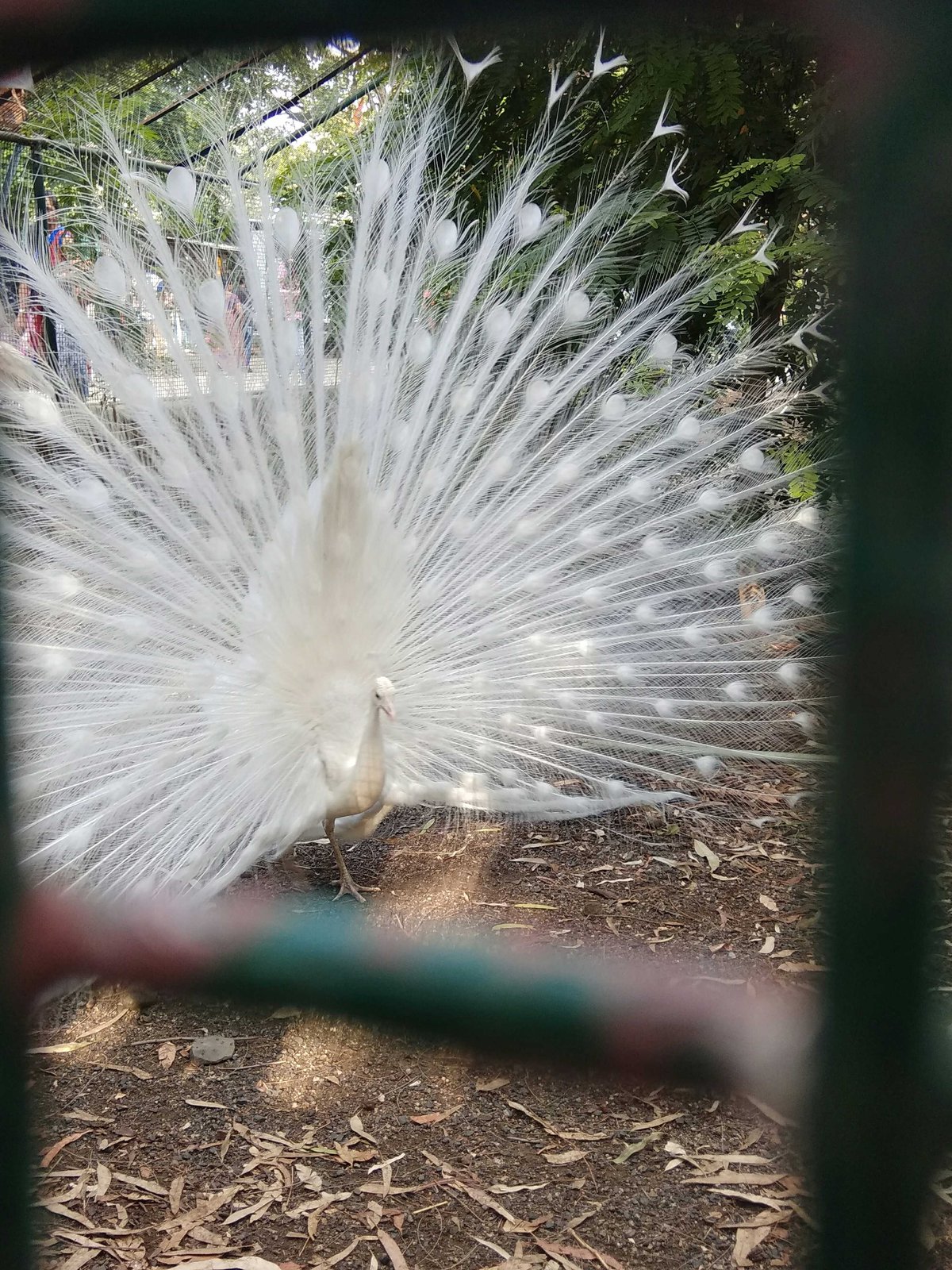
The zoo houses tigers, lions, panthers, elephants, crocodiles, pythons, eagles, deer, langurs, and various colorful birds. The big cat section and elephant enclosure are the main draws. Reptile fans will also find tortoises, lizards, and scorpions.
What is the entry fee for Kamla Nehru Zoo Indore?
Entry for Indian nationals is reportedly around ₹10, with foreign visitors charged ₹500 — but these prices are unverified and should be confirmed at the gate before you plan around them. Tickets are cash-only at the entrance; no online booking system has been identified.
What are the opening hours of Kamla Nehru Zoo Indore?
The zoo is open Tuesday through Sunday, 9:00 AM to 6:00 PM, and closed on Mondays. Arrive at opening time to see active animals and enjoy cooler air before the afternoon heat sets in.
What is the best time to visit Kamla Nehru Zoo Indore?
October to March, when Indore's temperature sits between 15°C and 28°C. Summer visits (April–June) are possible but the city regularly hits 40°C — if you go, arrive at 9 AM sharp. Monsoon months (July–September) bring lush greenery but also mud and humidity.
Is Kamla Nehru Zoo Indore good for families with kids?
Yes — it's one of Indore's established family destinations, locally called 'Chidiya Ghar.' The animal variety holds younger visitors' attention, the entry fee is very low, and the shaded grounds make a reasonable half-day outing. Keep children supervised near enclosures and bring water.
Is Kamla Nehru Zoo Indore wheelchair accessible?
Wheelchair access is available — relatively uncommon for a public zoo in a Tier-2 Indian city. The grounds also have drinking water stations, public washrooms, benches, and shaded rest areas, making the visit more manageable for visitors with mobility needs.
Sources & attribution4
Researched and written by the Audiala editorial team from historical records, architectural archives, and local expertise. Last updated April 2026.
Tripadvisor — Kamla Nehru Prani Sangrahalaya — User reviews confirming opening hours, location (AB Road, Navlakha, Indore), and animal variety; listing ID d13073269
MyCozyTrip — Kamla Nehru Zoo Indore — Factual details on acreage (51 acres), ticket prices (₹10 Indians / ₹500 foreigners), facilities, visitor rules, and claimed founding year of 1974 — all unverified against primary sources
Times of India — Indore tourist attractions — Confirms local colloquial name 'Chidiya Ghar' and lists the zoo among Indore's top attractions alongside Annapurna Temple
IndiaTour.ind.in — Kamla Nehru Zoo — Partial confirmation of location and basic visitor info; limited usable content retrieved
Strictly necessary cookies keep the site working. Analytics (PostHog, Google Analytics) measures how each visitor uses our pages. Marketing loads YouTube videos and walking-route maps without a tap and lets Google Analytics set advertising cookies. We never sell your data. You can change this any time from the footer.
Analytics and marketing cookies are optional and only load if you agree. Details under Customize.
Privacy
Cookie preferences
Pick what you're okay with. You can change this any time from the footer.
Strictly necessary
Always on
Sign-in, language, navigation. Always on.
Product analytics
PostHog (EU) and Google Analytics record which pages you view and how you use them, under a random identifier stored in your browser. Helps us see which pages work and which need fixing. Google's ad personalisation stays off. No selling.
Marketing
Loads YouTube videos and the walking-route maps (OpenFreeMap) without a tap; without it, they load only when you tap them. If analytics is also on, Google Analytics may set advertising cookies. Ad personalisation stays off.