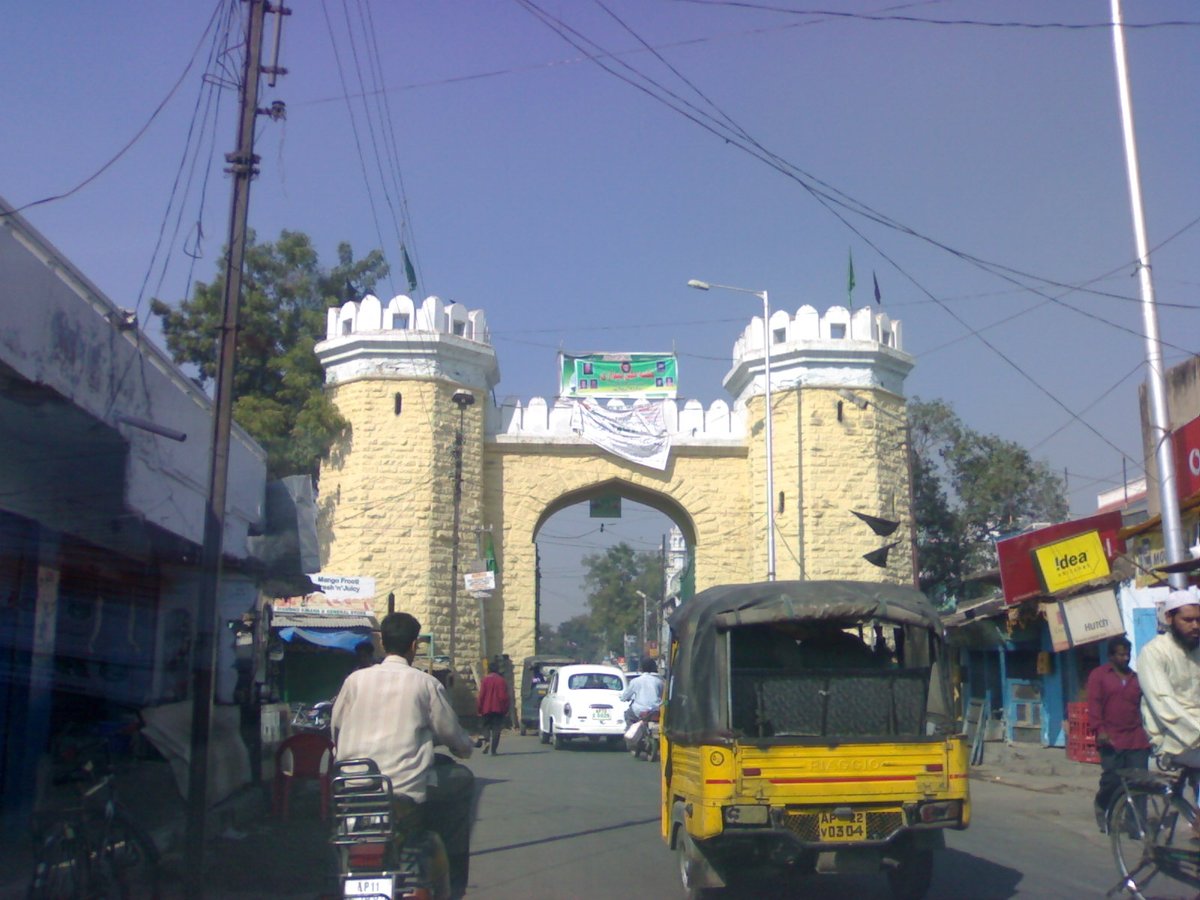
Introduction
By the time the evening light turns Charminar the color of warm stone, you can smell charcoal, saffron, and Irani chai in the same block. Hyderabad, India, surprises first as a city of sharp contrasts: mosque loudspeakers and startup traffic, 16th-century arches and glass towers, haleem kettles and third-wave coffee bars. What pulls you in is not one monument but the way old Deccan rhythm and new urban ambition keep colliding in public.
Start in the Old City and the story feels imperial, intimate, and slightly unruly: Charminar, Mecca Masjid, Chowmahalla Palace, and the dense lanes of Laad Bazaar all within walking distance of each other. Then the frame widens at Golconda Fort and the Qutb Shahi Tombs, where the city’s Persian-Pathan-Telangana design language is written in stone domes, carved screens, and long garden axes. Add Falaknuma Palace and Paigah Tombs, and Hyderabad stops being a single-era postcard; it becomes a layered map of power, taste, and memory.
Food here is less a checklist than a time system. Breakfast can begin before dawn in the Old City with paya and naan, afternoons drift toward chai and Osmania biscuits, and during Ramzan whole neighborhoods stay lit and eating deep into the night, often toward 4 a.m. Biryani is the headline, yes, but locals will argue mood and neighborhood before they name a restaurant.
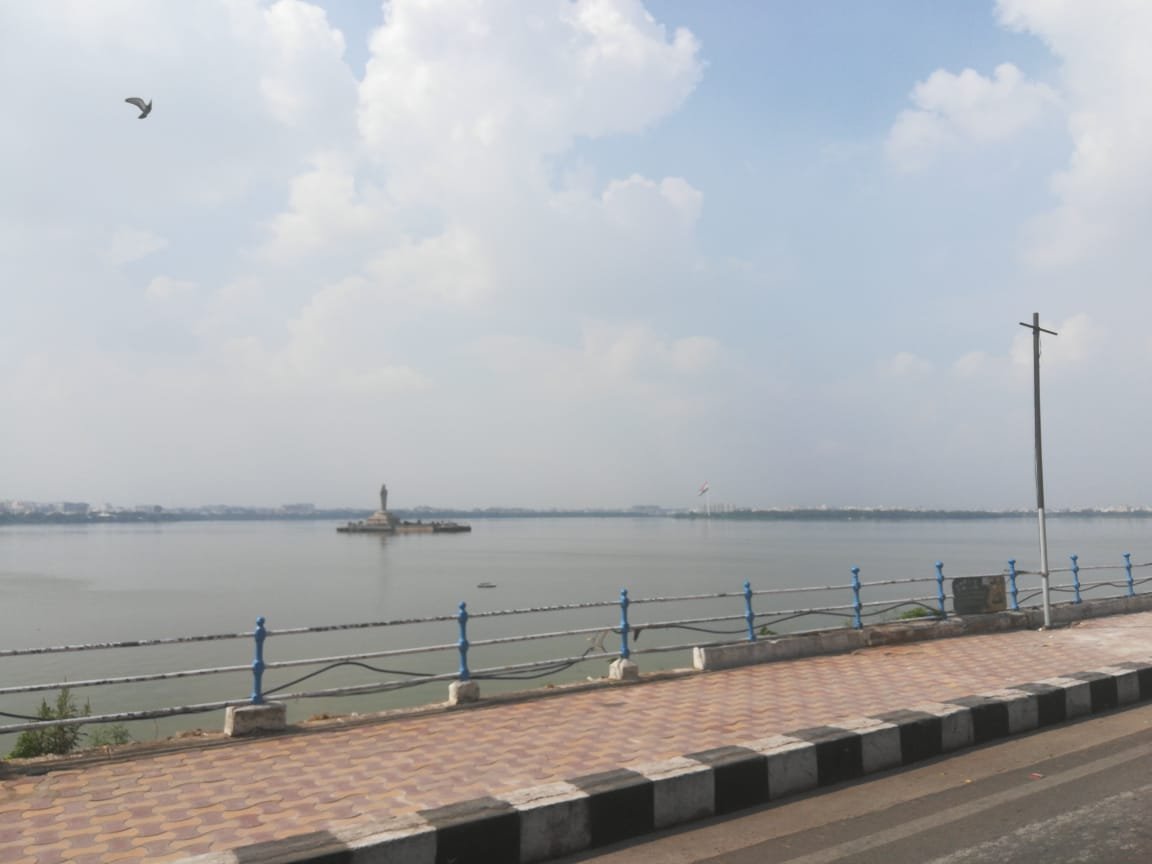
What changes your understanding is the city’s second register: parks and lakes people actually use, indie cultural spaces like Lamakaan, and west-side districts where Hyderabad experiments with itself in real time. Hussain Sagar at dusk, KBR in the morning, Madhapur after work, Charminar after dark; each shows a different civic personality. Stay long enough and Hyderabad feels less like a split old-and-new city, and more like one conversation happening across centuries.
Places to Visit
The Most Interesting Places in Hyderabad
Golconda Fort
Golconda Fort stands as a majestic emblem of Hyderabad’s rich historical tapestry, weaving together centuries of dynastic power, architectural brilliance, and…
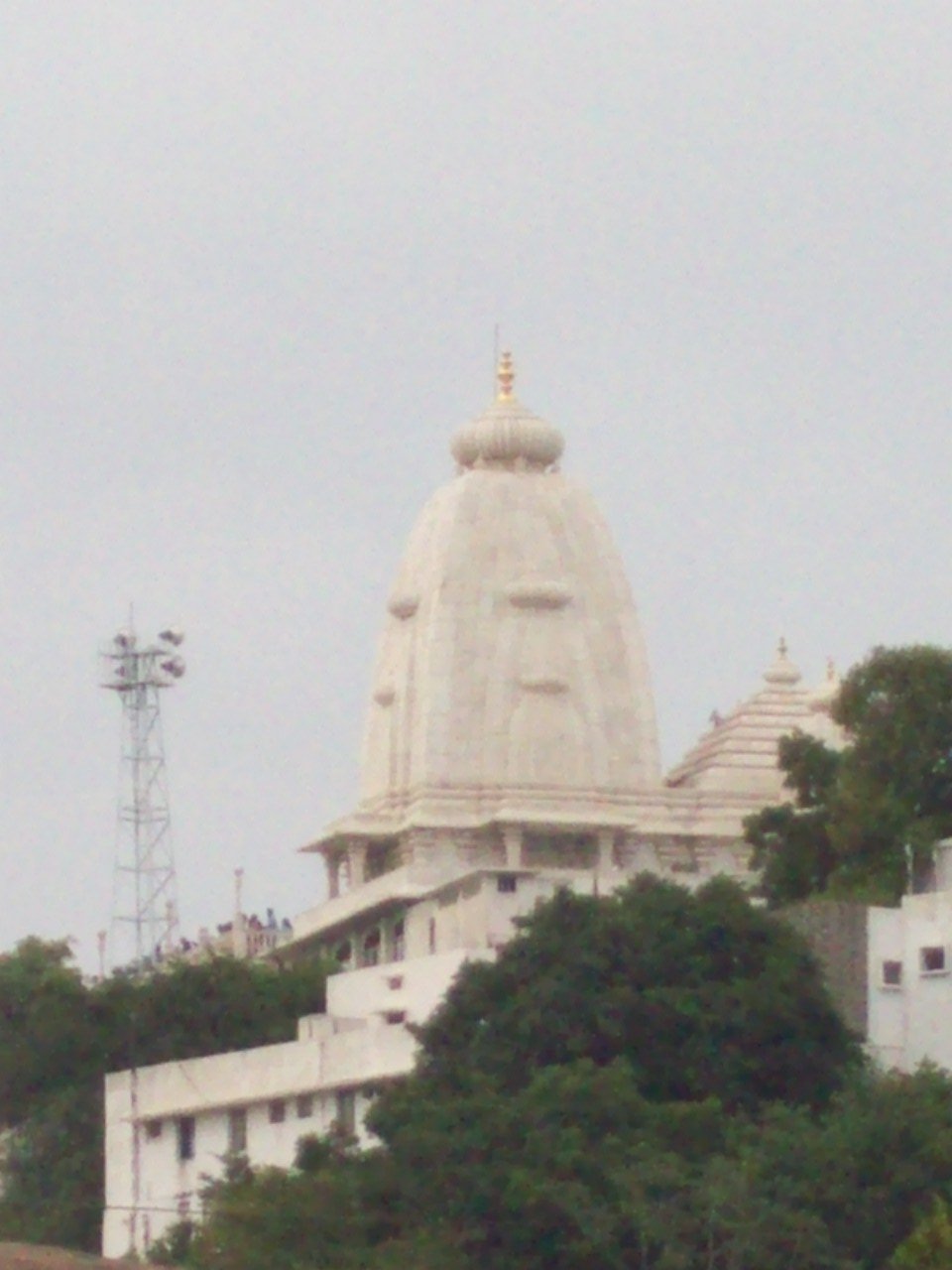
Birla Mandir, Hyderabad
Birla Mandir in Secunderabad, also known simply as the Birla Temple, stands as a monumental testament to India's rich cultural and spiritual heritage.

Mecca Masjid
Built with bricks said to contain soil from Mecca, this vast Old City mosque feels split between stillness inside and Hyderabad's traffic outside.
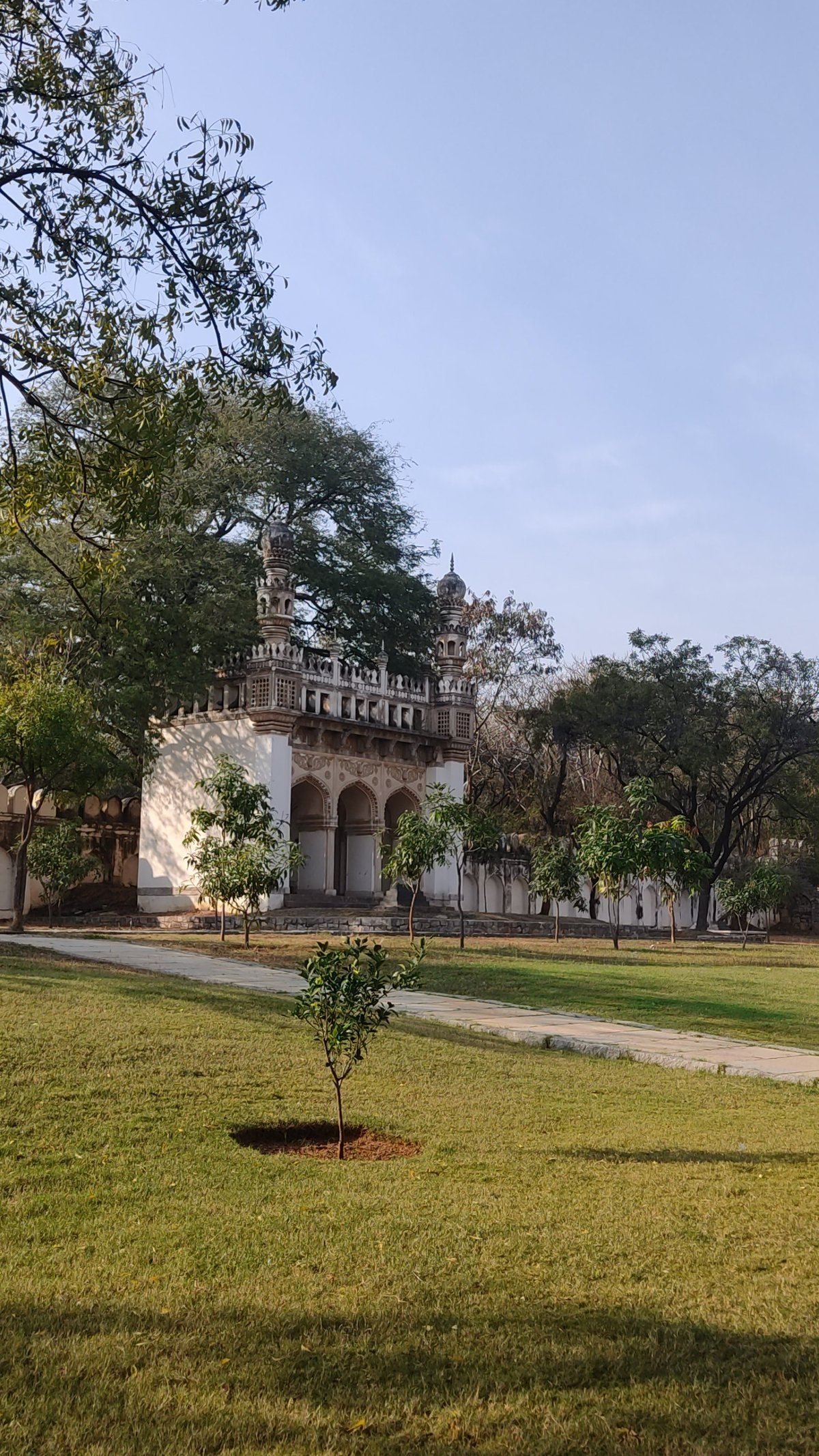
Qutb Shahi Tombs
The Qutb Shahi Tombs in Hyderabad stand as a monumental testament to the rich cultural and architectural heritage of the Deccan Sultanate era.
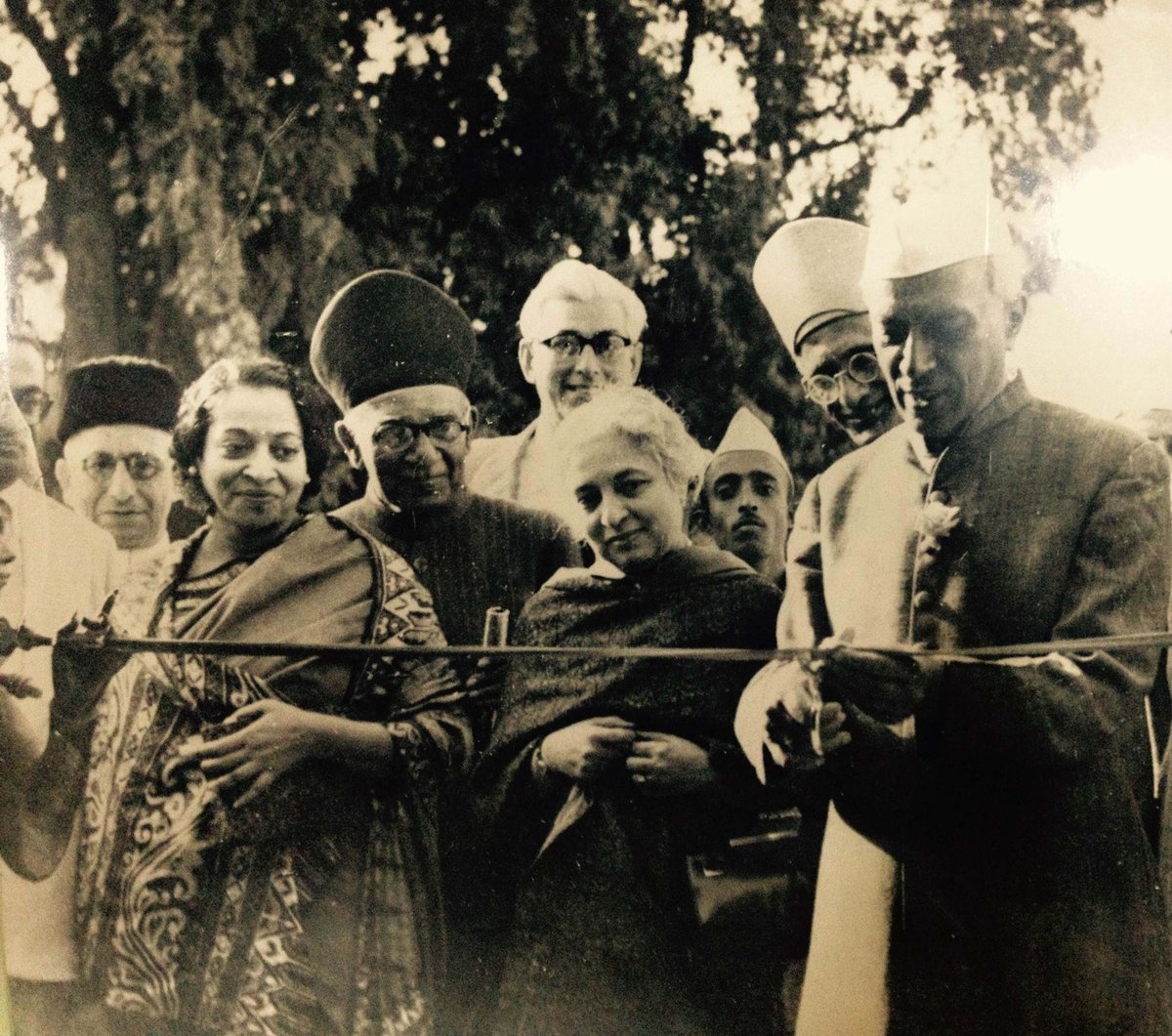
Salar Jung Museum
Discover the marvels of the Salar Jung Museum located in Hyderabad, India, a treasure trove of artistic and historical significance.

Snow World
Snow World in Secunderabad, India, is recognized as Asia's largest snow-themed park, offering a unique escape from the tropical heat into a winter wonderland.

Mahavir Harina Vanasthali National Park
Nestled in the urban landscape of Secunderabad, India, Mahavir Harina Vanasthali National Park offers a unique blend of natural beauty, historical richness,…
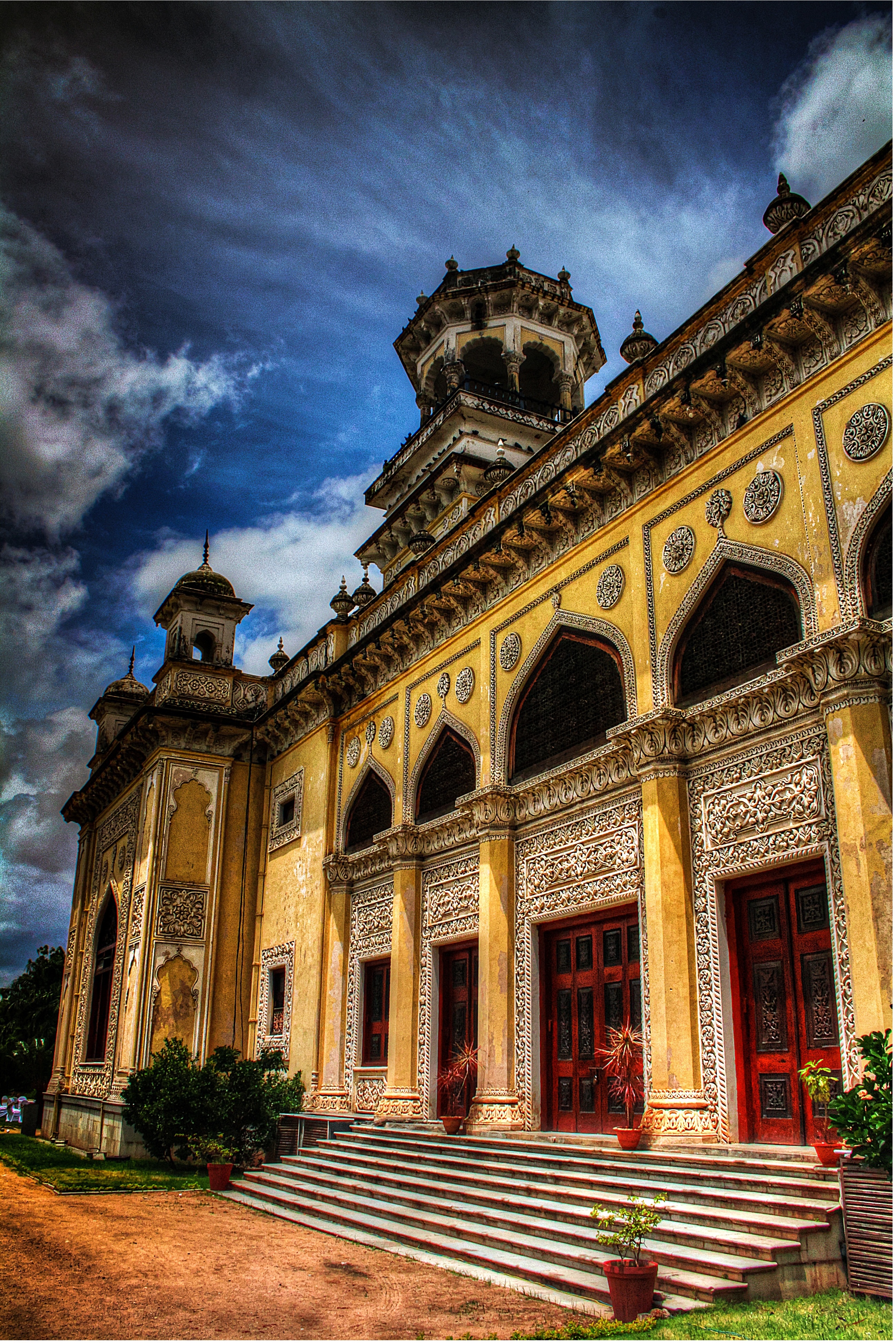
Chowmahalla Palace
Chowmahalla Palace, located in the heart of Hyderabad, India, is a magnificent testament to the grandeur and opulence of the Asaf Jahi dynasty.

Khairatabad Mosque
The Khairatabad Mosque in Hyderabad, India, stands as a remarkable testament to the city’s rich Islamic heritage, architectural brilliance, and vibrant…
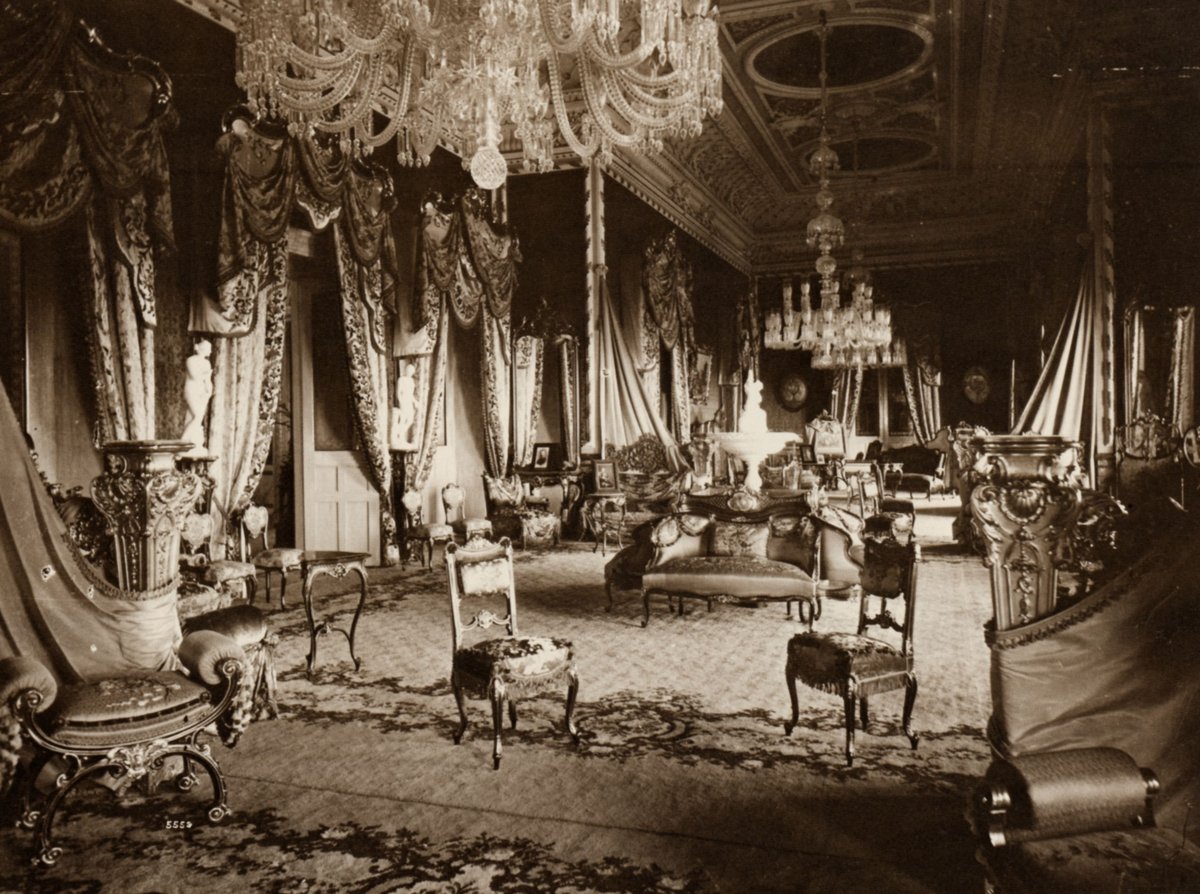
Falaknuma Palace
Nestled majestically atop a 2,000-foot hill overlooking the bustling cityscape of Hyderabad, Falaknuma Palace stands as a resplendent emblem of India’s royal…
Jagannath Temple, Hyderabad
Hyderabad's Jagannath Temple stands as a remarkable spiritual and cultural landmark that beautifully bridges the rich heritage of Odisha with the cosmopolitan…
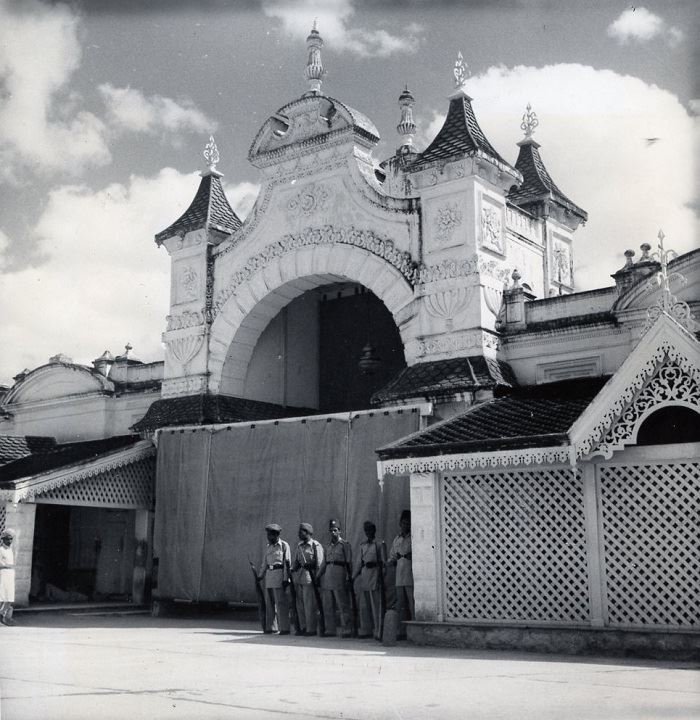
King Kothi Palace
The State Bank of India (SBI) stands as a monumental institution in the financial landscape of India, embodying a rich history and cultural significance that…
What Makes This City Special
Stone, Stucco, and Sky
Hyderabad reads like three chapters in one walk: Charminar’s bazaars, Golconda’s wind-cut battlements, and Falaknuma’s chandeliered palace rooms. The surprise is how quickly the city shifts from market noise to courtly silence.
Nizam-Era Texture
Chowmahalla Palace and Purani Haveli carry the political theater of the Nizam years, while Paigah Tombs show off lace-fine marble screens that many first-time visitors miss. These places make the city feel less like a single monument and more like a layered capital.
Museums With Character
At Salar Jung Museum, the Veiled Rebecca and the musical clock pull crowds for good reason, but the deeper pleasure is the eccentric range of global objects under one roof. Pair it with the Telangana State Archaeology Museum for a tighter read of the Deccan timeline.
Lake Light and Local Rhythm
Evenings along Hussain Sagar are all sodium glow, lake breeze, and boat horns, while mornings at KBR National Park show the city’s daily pulse before traffic takes over. Hyderabad reveals itself best at those two edges of the day.
Historical Timeline
From Diamond Fort to Data Capital
Hyderabad grew from Golconda stone and Musi floodwater into Telangana's command city.
Neolithic Footprints in the Region
Stone tools found in and around today's Hyderabad region push human presence here back roughly six millennia. The story starts with camps and river-edge movement, not kings or monuments. Long before Charminar, people were already reading this landscape for water, stone, and shelter.
Golconda Fort Takes Shape
A fortified nucleus at Mankal, later Golconda, emerged under the Kakatiya sphere around the 12th century. Granite walls on the hill controlled routes across the Deccan plateau. This is Hyderabad's first durable urban ancestor.
Qutb Shahi Rule Begins
Sultan Quli Qutb-ul-Mulk declared independence in 1518 and established Qutb Shahi sovereignty at Golconda. Revenue, military command, and court culture concentrated under a new dynasty. The fort stopped being a frontier outpost and became the center of a kingdom.
Hussain Sagar Is Excavated
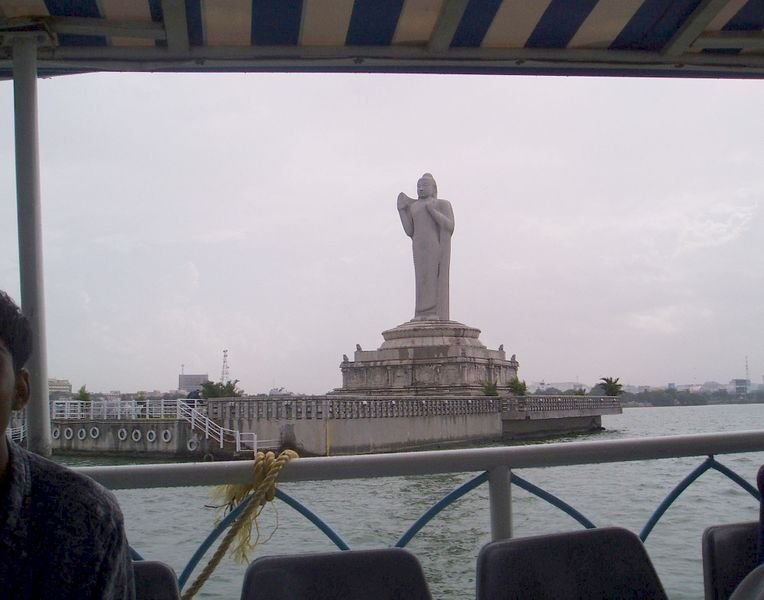
Ibrahim Quli Qutb Shah ordered Hussain Sagar's excavation in 1562. The lake secured water for a growing capital region and later linked Hyderabad and Secunderabad geographically. It is infrastructure that became identity.
Talikota Reorders the Deccan
Golconda joined the Deccan coalition that defeated Vijayanagara at Talikota in 1565. The victory altered political balance across South India and expanded Qutb Shahi confidence. Hyderabad's later grandeur grew out of this shift in power.
Muhammad Quli Is Born
Muhammad Quli Qutb Shah, born in 1565, became the ruler who gave Hyderabad both form and voice. He patronized architecture while writing in Dakhni, binding court culture to local language worlds. Few founders leave both stone and poetry.
Hayat Bakshi Begum Emerges
Born in 1590, Hayat Bakshi Begum became one of Hyderabad's most influential royal patrons and political mediators. She helped steady court life across reigns and backed major religious-civic works. Her imprint proves the city was shaped beyond the formal throne.
Hyderabad and Charminar Founded
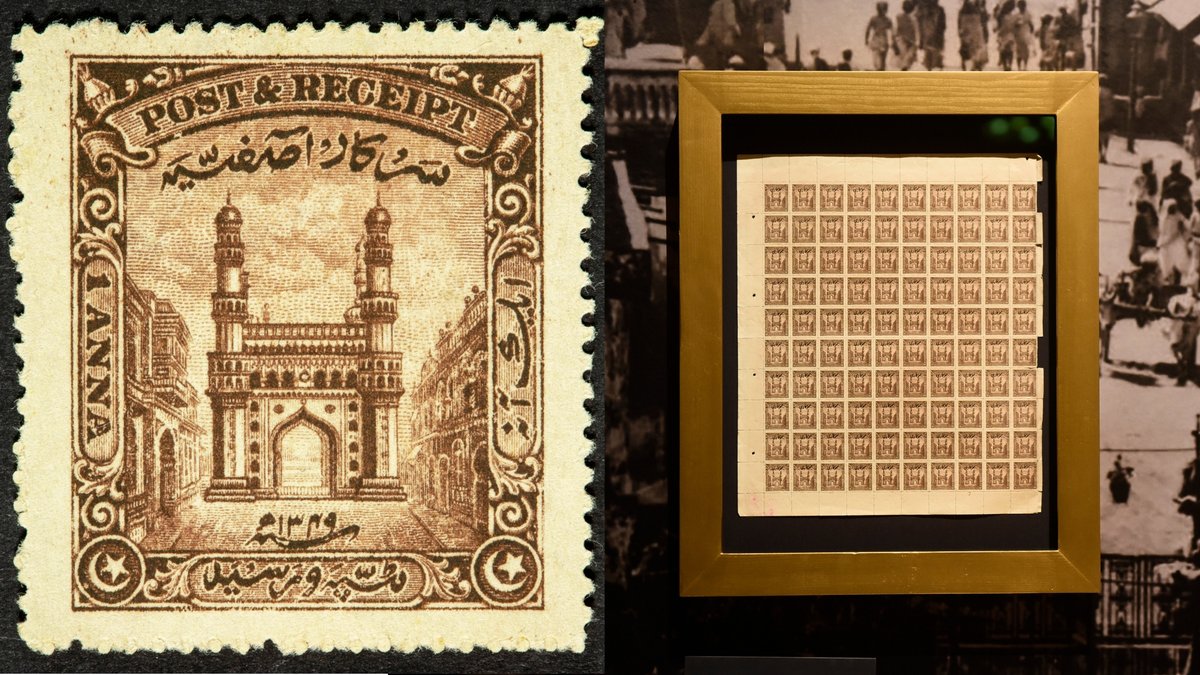
In 1591, Muhammad Quli founded Hyderabad on the Musi and raised Charminar at its planned center. Four monumental arches organized streets, markets, and processional movement. The city began as design, not accident.
Mecca Masjid Construction Begins
Construction of Mecca Masjid began in 1617, reportedly with around 8,000 workers involved. Its scale announced dynastic ambition in stone, prayer, and acoustics. Completion under later rulers turned the mosque into a layered political monument.
Golconda Falls to Aurangzeb
After a long siege, Mughal forces under Aurangzeb captured Golconda in 1687. Qutb Shahi sovereignty ended, and imperial administration replaced a local dynasty. The city survived, but its political script was rewritten.
Asaf Jahi Power Consolidates
Nizam al-Mulk Asaf Jah I asserted effective autonomy in 1724 as Mughal control weakened. Hyderabad became the strategic core of a new Asaf Jahi order. A long princely era of diplomacy, reform, and external pressure began.
Treaty of Masulipatam Signed
The Treaty of Masulipatam deepened British leverage over Hyderabad's external affairs. The Nizam retained rule, but with narrower room to maneuver in regional geopolitics. Paper and seal did what cannons often had.
Secunderabad Cantonment Is Founded
In 1806, land north of Hussain Sagar was organized as Secunderabad cantonment, named after Sikandar Jah. Barracks, parade grounds, and military roads introduced a different urban tempo. Hyderabad and Secunderabad grew as twin cities under unequal power.
Salar Jung I Is Born
Salar Jung I, born in 1829, later became Hyderabad State's major reforming statesman. From this city he pushed administrative and fiscal changes that helped a princely government function in a colonial century. His legacy shaped institutions and elite culture long after his lifetime.
1857: Loyalty Over Revolt
During the 1857 uprising, Hyderabad State officially stayed aligned with the British. That choice preserved the Nizam's regime while other centers convulsed. In Hyderabad, survival came through calculated loyalty, not open rebellion.
Sarojini Naidu's Hyderabad Roots
Born in Hyderabad in 1879, Sarojini Naidu absorbed the city's multilingual street life early. Her later writing on Hyderabad's bazaars carried local textures of sound, color, and trade. She turned city memory into national literary voice.
Musi Flood Devastates the City
About 17 inches of rain fell in roughly 36 hours, and the Musi ripped through Hyderabad. Around 80,000 houses were damaged or destroyed, with death estimates ranging from about 15,000 upward. The catastrophe forced a new era of urban flood control.
Osmania University Opens
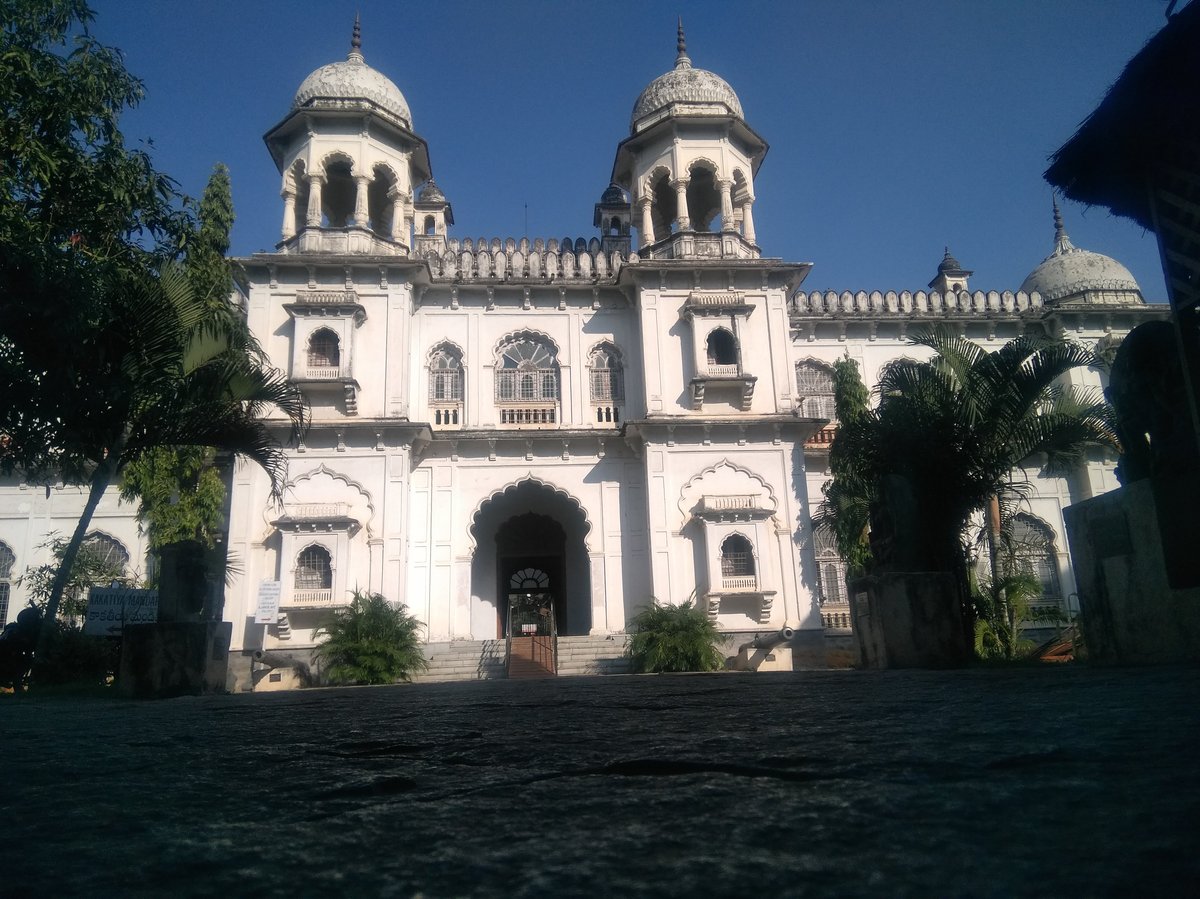
Osmania University began functioning in 1918 as one of the Nizam state's boldest modern institutions. It made Hyderabad a major higher-education center and attracted students from across the region. Prestige shifted from courts alone to campuses too.
Osman Sagar Dam Completed
Osman Sagar was completed in 1920 by damming the Musi upstream. Built after the 1908 disaster, it targeted both flood moderation and drinking-water security. The city answered monsoon trauma with concrete, catchment planning, and engineering discipline.
Operation Polo Ends Nizam Rule
Indian forces entered Hyderabad State during Operation Polo in September 1948. The Nizam's bid to remain independent collapsed, and accession followed within days. Hyderabad crossed from princely sovereignty into the Indian Union.
Salar Jung Museum Opens
The Salar Jung Museum opened to the public in 1951, turning an elite collection into civic memory. Clocks, manuscripts, sculpture, and global decorative arts made Hyderabad's cosmopolitan appetite visible room by room. The city preserved itself through curation, not only architecture.
Hyderabad Becomes Andhra Capital
State reorganization on linguistic lines dissolved Hyderabad State and made Hyderabad capital of Andhra Pradesh. Administrative expansion accelerated migration, bureaucracy, and political centrality. The city pivoted from princely court to modern state engine.
Telangana Agitation Erupts
The first major Telangana agitation surged through Hyderabad in 1969, driven by students and regional grievances. Protest, police action, and memorialization changed the city's political vocabulary. Statehood became a long project, not a passing demand.
HITEC City Signals IT Turn
HITEC City opened in 1998 and marked Hyderabad's decisive software-era pivot. New office districts on the western edge reorganized labor, real estate, and aspiration. The city began syncing its daily rhythm to global digital markets.
Bombings Shatter Public Spaces
Hyderabad endured the Makkah Masjid blast in May and twin bombings at Lumbini Park and Gokul Chat in August 2007. Dozens were killed, and familiar evening spaces became scenes of panic and forensic cordons. Security practice and public anxiety changed sharply.
New International Airport Opens
Rajiv Gandhi International Airport replaced Begumpet for commercial operations in 2008. Longer runways and larger cargo capacity tightened links to IT, pharma, and global travel networks. Hyderabad's economic map stretched outward overnight.
Telangana State Is Born
Telangana became a separate state in 2014, with Hyderabad as its capital and temporary joint capital with Andhra Pradesh. The city suddenly carried two administrative stories at once. Symbols, budgets, and political narratives were all renegotiated.
Metro Trains Rise Above Traffic
Hyderabad Metro opened to passengers in 2017, and the Phase I network later reached about 69 km. Elevated corridors cut across congestion-heavy roads and altered commute logic. The city began buying back time from traffic.
Floodwaters Return in 2020
Extreme rainfall flooded large parts of Hyderabad in 2020, killing 33 people in the city within a wider deadly event. Thousands of families were displaced, especially in low-lying and drainage-stressed neighborhoods. The old Musi lesson returned with force: growth without water planning is fragile.
Sole Capital Status Begins
Hyderabad ceased to be the common capital on 2 June 2024 and became solely Telangana's capital. A decade-long transitional arrangement formally ended. The city entered a clearer constitutional chapter, still carrying layers from every previous one.
Notable Figures
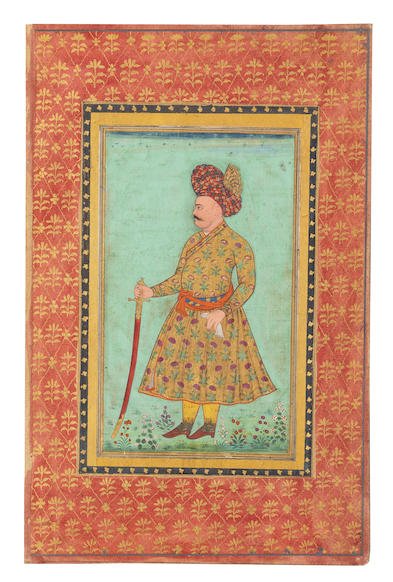
Muhammad Quli Qutb Shah
1565–1612 · Sultan and city founderHe did not just rule from the Deccan; he drew a new city into existence and marked it with the Charminar. His Hyderabad was planned as an urban statement, not a military camp. He would probably recognize the old core instantly, even with motorbikes now replacing horses.
Mir Osman Ali Khan Siddiqi
1886–1967 · Last Nizam of HyderabadHis reign left the institutional skeleton of modern Hyderabad, from education to civic architecture. You still feel his era in courtly spaces like Chowmahalla and in the city's administrative skyline. He would likely see today's Hyderabad as an extension of his modernization project, just louder and faster.
Sarojini Naidu
1879–1949 · Poet and freedom leaderHer famous poem on Hyderabad's bazaars captured the city through color, trade, and voices long before lifestyle writing existed. She turned market life into literature without polishing away its noise. In today's lanes, she would still find the same drama of sellers, craft, and argument.
Shyam Benegal
1934–2024 · Film directorBenegal's cinema insisted on social detail, and that instinct was shaped by a city where class, language, and history constantly collide. His Hyderabad link is not decorative; it is part of his visual politics. He would likely be drawn to the city's new cultural spaces as much as its old quarters.
Satya Narayana Nadella
born 1967 · Technology executiveBefore leading one of the world's largest tech companies, he was a student in a city that now defines India's IT growth narrative. His story tracks Hyderabad's own shift from princely memory to global tech relevance. He would probably see HITEC City's rise as the city betting on scale and education.
Pusarla Venkata Sindhu
born 1995 · Badminton championSindhu's career was built on disciplined training culture rooted in Hyderabad's sports ecosystem. Her medals made the city feel like a high-performance base, not just a historic destination. She represents the Hyderabad that wakes before sunrise and measures progress in repetitions.
Sania Mirza
born 1986 · Tennis championThough born in Mumbai, she became unmistakably Hyderabadi in public imagination through her training years and home base here. She helped normalize the idea of a global female sports star coming out of this city. Her arc mirrors Hyderabad's own confidence in stepping onto international courts.
Mohammed Siraj
born 1994 · International cricketerSiraj's rise from local grounds to international cricket is one of Hyderabad's most powerful recent sporting stories. It connects neighborhood hustle to elite performance in a way residents instantly recognize. He embodies the city's raw ambition: understated at first glance, relentless underneath.
Photo Gallery
Explore Hyderabad in Pictures

The ancient stone architecture of Golconda Fort offers a glimpse into the rich history of Hyderabad, India, set against a modern urban backdrop.
Roman Saienko on Pexels · Pexels License

The ancient, weathered dome of a Qutb Shahi tomb stands as a testament to the rich architectural heritage of Hyderabad, India.
Jansher Chakkittammal on Pexels · Pexels License

The historic Golconda Fort in Hyderabad, India, showcases impressive medieval stone architecture built into the natural rocky landscape.
Roman Saienko on Pexels · Pexels License

The majestic stone architecture of the Qutb Shahi Tombs stands against a bright, cloudy sky in Hyderabad, India.
Jansher Chakkittammal on Pexels · Pexels License

The majestic stone dome of a Qutb Shahi tomb stands framed by autumn-toned trees in the historic city of Hyderabad, India.
Jansher Chakkittammal on Pexels · Pexels License

A stunning low-angle perspective of the historic Charminar, the architectural centerpiece of Hyderabad, India.
Sumit K Sharma on Pexels · Pexels License

A detailed view of the historic Qutb Shahi Tombs, showcasing the stunning Indo-Persian architectural heritage of Hyderabad, India.
Akhil Dasari on Pexels · Pexels License
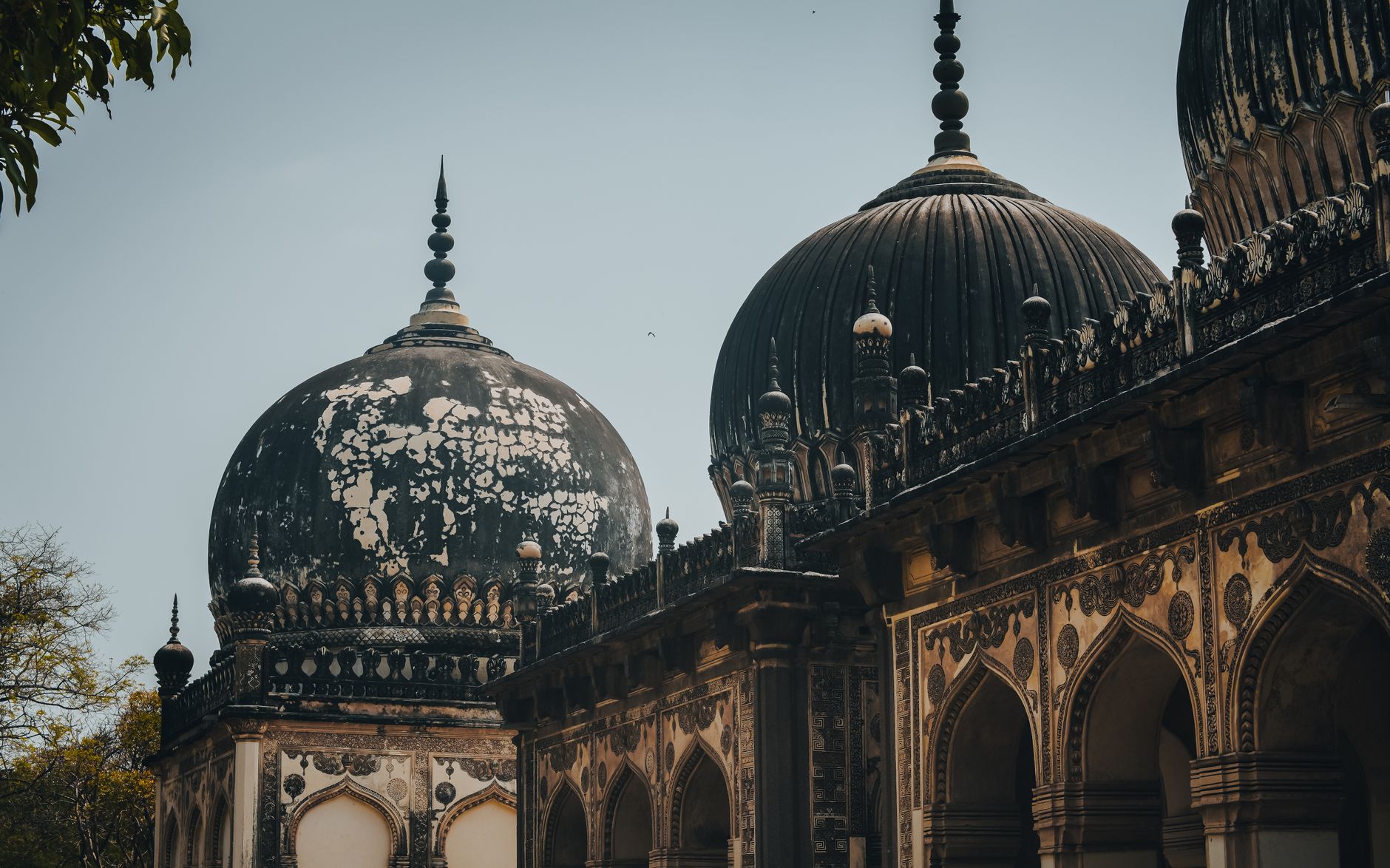
The weathered, ornate domes of the Qutb Shahi Tombs stand as a testament to the rich architectural heritage of Hyderabad, India.
Akhil Dasari on Pexels · Pexels License
Practical Information
Getting There
The main gateway is Rajiv Gandhi International Airport (HYD) at Shamshabad. Major rail arrivals are Secunderabad Junction, Hyderabad Deccan (Nampally), and Kacheguda, with good onward links across Telangana and beyond. By road, Hyderabad is anchored by NH44 (north-south), NH65 (toward Pune and Vijayawada), NH163 (toward Warangal), and the Outer Ring Road for cross-city transfers.
Getting Around
As of 2026, Hyderabad Metro runs 3 lines and 60 stations (Miyapur-L B Nagar, JBS-MGBS, Nagole-Raidurg), with first trains around 06:00 and late services to about 23:00-23:35 depending on line. Fares are Rs.11-Rs.69; Smart Card issuance is Rs.100, and Metro Holiday Cards and Student Pass options are active. TGSRTC buses fill most gaps, and the 24/7 Pushpak Airport Liner (from RGIA Pickup Point D) is the budget airport link, typically around Rs.350-Rs.450 depending on direction and time.
Climate & Best Time
Expect roughly 15-29°C in winter (Dec-Feb), 22-36°C in spring (Mar), 26-41°C in peak summer (Apr-May), and 22-33°C during monsoon/autumn (Jun-Oct). Rain concentrates in June-October, with IMD normals peaking around July-September (about 169.7-188.7 mm/month). Peak visitor comfort is November-February; April-May is off-peak due to heat, while late October and early March are strong shoulder windows.
Language & Currency
Telugu and Urdu shape local speech, Hindi works well in markets and with many drivers, and English is widely usable in hotels, metro stations, and HITEC City. Currency is Indian Rupee (INR), and UPI payments are deeply embedded in daily transactions, including many small shops. Keep some cash for older markets and quick street purchases.
Safety
For emergencies in Telangana, use 112 (with 181 for women, 1098 for children, and 108 for ambulance support). Old City and major transport hubs are generally fine but crowded, so watch bags and phones, especially in dense evening markets. Late at night, pre-booked cabs or metro corridors are usually safer choices than long walks on wide arterial roads.
Where to Eat
Don't Leave Without Trying
Hotel Shadab
local favoriteOrder: Mutton biryani, nahari, and qubani ka meetha.
If you want the Old City biryani debate in one plate, start here. It is a long-running local institution and still one of the most-repeated picks near Charminar.
Pista House Alijah Kotla
quick biteOrder: Haleem (especially in Ramadan) and their bakery sweets.
Pista House is the headline name for haleem season in Hyderabad. This Old City branch is a strong stop when you are doing a post-sunset food run.
Hotel Nayaab
local favoriteOrder: Nihari or paya for breakfast, then biryani later in the day.
Nayaab is one of those practical, always-busy Old City places locals use regularly, not just for one signature meal. Great for a meat-heavy breakfast-to-lunch crawl.
Hotel Yadav Bhavan
quick biteOrder: Idli-vada breakfast and a quick veg thali.
When you need a break from constant biryani and meat dishes, this is a reliable reset. It is budget-friendly and works well for early starts.
Ali Cafe
cafeOrder: Irani chai with bun maska and kheema.
This is a proper long-hours local chai stop where early mornings and late nights both make sense. Good value, fast service, and classic cafe energy.
Nimrah Cafe & Bakery
cafeOrder: Irani chai with Osmania biscuits.
Nimrah is the classic chai stop beside the Charminar-Mecca Masjid zone. You come for the tea, the biscuits, and the atmosphere more than anything fancy.
Labbaik Hotel Biryani & Bakers
quick biteOrder: Chicken biryani and quick bakery snacks for takeaway.
This is a practical neighborhood stop when you want a no-frills biryani run near Yakutpura. Good for fast meals over long sit-downs.
Bismillah Hotel
cafeOrder: Irani chai, Osmania biscuits, and a light kheema breakfast.
This is one of the easiest classic-cafe pauses while exploring the Charminar side lanes. Simple menu, fast turnover, and very local crowd.
Sai Charann Dhabha
local favoriteOrder: Mutton biryani and buttery tandoori chicken.
Useful if your group wants richer, dhaba-style gravies and tandoor next to the Old City core. It is a dependable dinner stop after Charminar sightseeing.
Choice Hotel
local favoriteOrder: Biryani with salan and a side of kebabs.
Near Salar Jung Museum, this is a convenient and solid meal stop without tourist pricing. Strong option when you need a full plate fast.
Hotel Naaz
cafeOrder: Chai with bun maska and evening samosas.
Naaz is more about rhythm than hype: quick tea, quick snack, move on. It fits perfectly into a walking food crawl around Ghansi Bazaar.
BHAGWATI SWEETS AND KHARA SHOP
marketOrder: Khara mixtures, kachori-style savories, and fresh mithai.
One of the better-rated snack and sweet stops in this pocket of the Old City. Ideal for take-home boxes after a biryani-heavy day.
Dining Tips
- check Tip around 5-10% in sit-down places; at tiny cafes and bakeries, rounding up is normal.
- check Old City spots can be cash-friendly, but many now take UPI and cards; keep some cash anyway.
- check Peak biryani hours are lunch (1:00-3:30 PM) and dinner (8:00-11:00 PM); go early to avoid waits.
- check Breakfast culture is strong: chai, nihari, paya, and tiffin start early, often before 7:00 AM.
- check Most local favorites are walk-in first; reservations are uncommon outside upscale hotel restaurants.
- check During Ramadan, evening traffic and wait times in the Charminar belt spike sharply; build buffer time.
- check If you are doing multiple stops, share portions because serving sizes are usually generous.
- check Spice and richness vary a lot; ask for lighter masala if you plan a long food crawl.
Restaurant data powered by Google
Tips for Visitors
Use Pushpak First
From RGIA, the 24/7 TGSRTC Pushpak Airport Liner is usually the best budget move. Expect roughly Rs.400 from airport to city (Rs.450 late night on listed routes), and board from Pickup Point D.
Metro Timing Hack
Plan around metro hours: first trains start around 06:00, with most terminal departures around 23:00 (Green line later). Use Ameerpet, MGBS, and JBS Parade Ground as your main interchange anchors.
Cut Transit Costs
If you ride often, buy a Metro Smart Card (Rs.100 card fee) and check the Metro Holiday Card for unlimited rides on Sundays, 2nd and 4th Saturdays, and public holidays. Metro fares currently run about Rs.11-Rs.69 by distance.
Work Around Heat
Do outdoor heritage blocks early, especially from April to May when afternoons can be punishing. November to February is the easiest season for long walking days, while June to September is wetter.
Crowd-Smart Safety
In Charminar and major transport hubs, keep phones and wallets secured and avoid isolated late-night walks. Use official airport pickup zones, and save emergency numbers 112, 181, 1098, and 108.
Pay Like Locals
UPI is widely used across Hyderabad, including many small merchants, but keep some cash for smaller stalls and tips. International cards work best at airports, malls, hotels, and larger restaurants.
Explore the city with a personal guide in your pocket
Your Personal Curator, in Your Pocket.
Audio guides for 1,100+ cities across 96 countries. History, stories, and local insight — offline ready.
Audiala App
Available on iOS & Android
Join 50k+ Curators
Frequently Asked
Is hyderabad worth visiting? add
Yes, especially if you like cities where medieval stone, royal courts, and modern tech districts all feel active in the same day. You can move from Charminar and Mecca Masjid to Golconda, then end at HITEC-side lakes or culture venues. Hyderabad also rewards food-focused travel and history-first itineraries better than many quick-stop metros.
How many days in hyderabad? add
Plan 3-4 days for a strong first visit. That gives you time for Old City monuments, Golconda plus Qutb Shahi Tombs, one major museum, and one modern-side evening. Add 1-2 more days if you want Falaknuma, Paigah Tombs, or a day trip like Ananthagiri or Yadadri.
How do I get from Hyderabad airport to the city at night? add
Use either official airport taxis/app cabs or the 24/7 Pushpak Airport Liner. Pushpak is the cheapest reliable option and serves key city corridors like Secunderabad, JBS, and Miyapur routes. If you have heavy luggage or are headed to a non-metro area, a cab from the official pickup zone is easier.
Does Hyderabad have a metro to the airport? add
Not currently in the official passenger guidance. Airport transport is centered on Pushpak buses, authorized taxis, app cabs, prepaid taxis, and rentals. Build your plan around those rather than expecting a direct airport metro ride.
Is Hyderabad safe for tourists and solo women? add
Generally yes, with normal big-city precautions. Main risks for visitors are traffic and petty theft in crowded bazaars rather than targeted violent crime. Use metro or pre-booked cabs after late evening, stick to lit routes, and keep 112/181 handy.
Is Hyderabad expensive for travelers? add
It can be very manageable compared with many major global cities. Public transport is affordable, with metro fares around Rs.11-Rs.69 and airport buses far cheaper than taxis. Costs rise quickly only if you rely on frequent cabs, premium dining, or luxury heritage stays.
What is the best time to visit Hyderabad? add
November to February is best for most travelers. Late October and early March can also work if you handle warmer afternoons. June to September is monsoon season, with August among the wettest months.
Can foreign tourists use digital payments in Hyderabad? add
Yes, but set expectations by venue. UPI dominates everyday payments and NPCI's UPI One World is designed for visitors, while international cards work best at larger businesses. Keep backup cash for small shops, market snacks, and quick tips.
Sources
- verified Rajiv Gandhi International Airport - Flight Travellers Guide — Official airport ground transport options, pickup point details, and current guidance for reaching the city.
- verified TGSRTC - Airport Liner (Pushpak) Timings and Fares — 24/7 airport bus routes, stop patterns, and fare ranges used for transport tips and FAQ.
- verified Hyderabad Metro Rail - Services and Train Timings — Metro corridors, interchange stations, and operational timing framework.
- verified L&T Metro Hyderabad - Ticketing, FAQs, Fare Chart — Fare structure, smart card details, digital ticket channels, and money-saving travel products.
- verified India Meteorological Department - Hyderabad Rainfall Normals — Official seasonal rainfall pattern supporting best-time-to-visit guidance.
- verified Telangana Police ERSS and Telangana Emergency Contacts — Emergency numbers and official safety contact framework used in practical safety advice.
- verified Telangana Tourism and Hyderabad District Tourism Pages — Primary attraction references including Charminar, Falaknuma Palace, Statue of Equality, and district destination context.
Last reviewed: