Architectural Highlights
Layout and Unique Orientation
The temple showcases the Western Chalukya “Gadag style,” blending Dravidian and Nagara elements. Its most striking feature is its west-facing orientation—a rarity among Hindu temples, which typically face east (Wikipedia; Trawell.in). Visitors descend a few steps into a slightly sunken open mantapa (hall), a result of the structure settling over time (Trawell.in).
Construction Materials and Design
Built primarily from soapstone, the temple comprises a sanctum (garbhagriha), vestibule (antarala), and closed hall (navaranga/mantapa). Lathe-turned pillars support the mantapa, while decorative ceilings feature lotus and geometric motifs. The stepped pyramidal shikhara (superstructure) is quintessentially Chalukyan (Deccan Herald).
Sculptural Program
More restrained than later Hoysala temples, Siddhesvara Temple still boasts over 1,300 carvings, including:
- Shaivite Iconography Shiva in meditation, Nandi, Ganapati, Nataraja, Ardhanarishvara, and Uma Maheshwara (Poojn.in).
- Other Deities Vishnu with Lakshmi, Surya, Kartikeya, and serpent deities (Naga-Nagini) (Pravase).
- Entrance Reliefs The Hindu trinity—Brahma, Vishnu, and Shiva—with Shiva prominent at the center.
Several old Kannada inscriptions from 1087 and 1108 CE provide valuable historical context (Epigraphia Carnatica).
Religious and Cultural Significance
Evolving Religious Identity
Siddhesvara Temple’s religious identity mirrors Karnataka’s dynamic spiritual history. Originally a Vaishnava shrine, it underwent Jain influences under Hoysala King Veera Ballala I and was later consecrated for Shaivite worship, which continues today (Hindu Temples of India; Poojn.in).
Rituals and Festivals
- Daily Rituals Abhisheka (ritual bathing of the Shiva Linga), bilva leaf and rudraksha offerings, and regular poojas (Poojn.in).
- Major Festivals Maha Shivaratri, Pradosha, Shravan Mondays, Ugadi, and Kannada Rajyotsava (Pilgrimaide).
During festivals, the temple hosts large gatherings, night-long vigils, and cultural programs, reinforcing its role as a regional religious and community center.
Cultural and Community Role
The temple serves as a hub for classical music, dance, religious discourses, and charitable activities, such as prasadam distribution and educational support (Poojn.in).
Visiting Hours, Tickets, and Practical Information
Timings and Entry
- General Timings 6:00 AM to 6:00 PM (Pilgrimaide)
- Alternate Timings 7:00 AM to 12:00 PM & 4:30 PM to 8:30 PM (Karnataka Explore)
- Official ASI Timings 8:00 AM to 5:00 PM (Trawell.in)
- Entry Fee Free for all visitors, including festival days (TravelTriangle)
Accessibility
The sunken basement requires descending steps, which may be difficult for visitors with mobility challenges. Elderly or disabled visitors should arrange for assistance in advance.
Dress Code and Etiquette
Visitors should wear conservative, clean clothing covering shoulders and knees. Footwear must be removed before entering. Photography is allowed in outer areas, but permission is required inside the sanctum.
Getting There
- Location QCR6+773, Haveri Railway Station Rd, Netaji Nagar, Vidya Nagar, Haveri, Karnataka 581110 (TravelTriangle)
- Rail 500 meters from Haveri Nagar Railway Station
- Road 1.5 km from Haveri city center; 337 km from Bengaluru; 78 km from Hubli
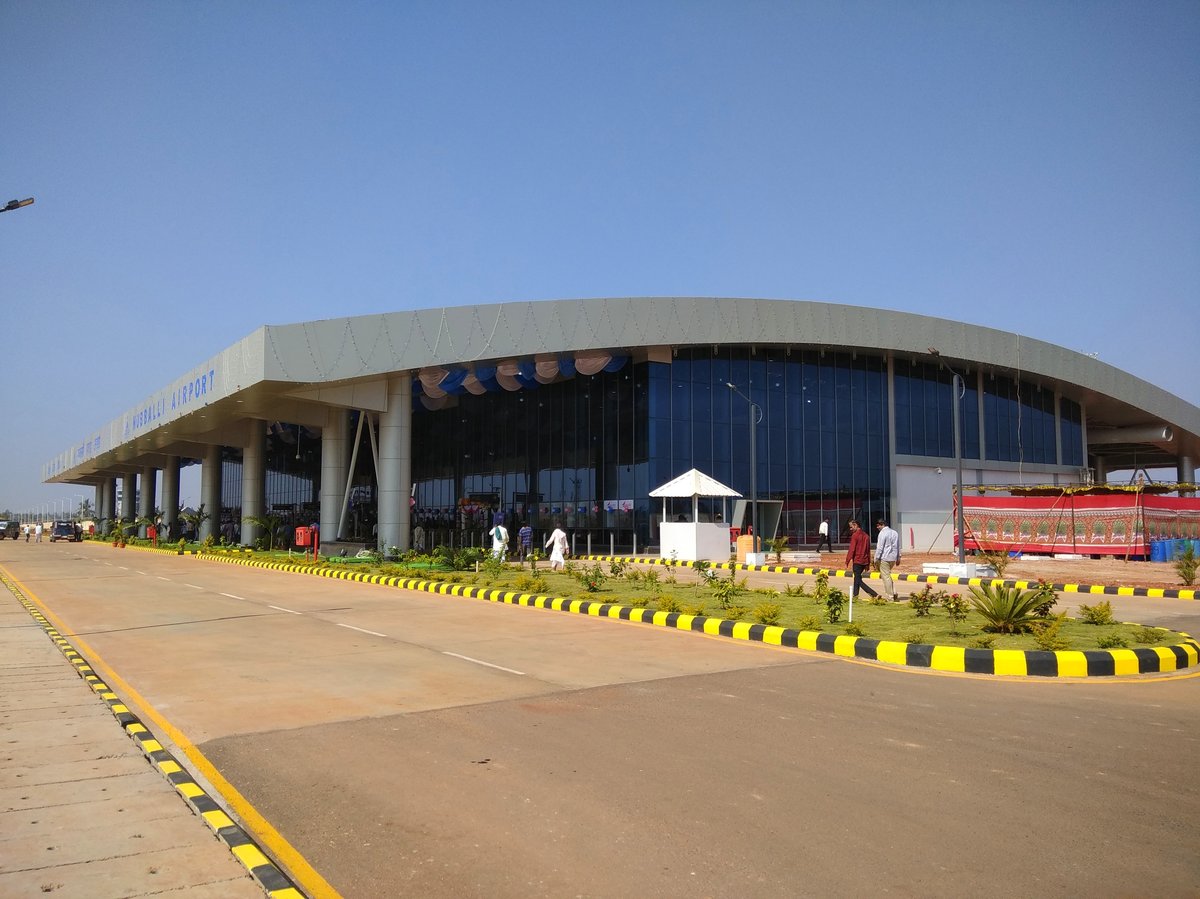
- Air Nearest airport is Hubli (approx. 80 km)
Local transport includes auto-rickshaws and taxis available from the railway station and bus stand.
Facilities and Nearby Attractions
Facilities
- Restrooms Limited near the temple; use facilities at nearby hotels/restaurants.
- Food Local vegetarian restaurants like Dhanush Restaurant, Kadamba Greens, and Chacha Restaurant (Pilgrimaide).
- Shops Small stores and a supermarket nearby for snacks and essentials.
Best Times to Visit
October to March offers pleasant weather. Maha Shivaratri and Ugadi draw large crowds and provide vibrant cultural experiences.
Nearby Sites
- Mukteshwara Temple (Chaudayyadanapura) 44 km
- Tarakeshwara Temple (Hangal) 37 km
- Galageshwara Temple (Galaganath) 1.6 km
- Ranebennur Blackbuck Sanctuary 36 km (TravelTriangle)
Travel Tips
- Arrive early to witness morning pooja and avoid crowds.
- Allocate 1–2 hours to explore the temple’s carvings and inscriptions.
- Dress modestly and carry water, especially during warmer months.
- Combine your visit with nearby temples or wildlife sanctuary for a fuller experience.
- Book accommodation in advance during festivals.
Frequently Asked Questions (FAQs)
Q: What are the Siddhesvara Temple’s visiting hours?
A: Timings range from 6:00 AM to 6:00 PM; confirm with local sources for festival days.
Q: Is there an entry fee?
A: No, entry is free for all visitors.
Q: Are guided tours available?
A: Official guided tours are rare, but local guides may be hired nearby.
Q: Is the temple accessible for people with disabilities?
A: Accessibility is limited due to steps and the sunken design.
Q: Is photography allowed?
A: Permitted in outer areas; seek permission for the sanctum or rituals.