
Ancient Roots and Early Civilizations
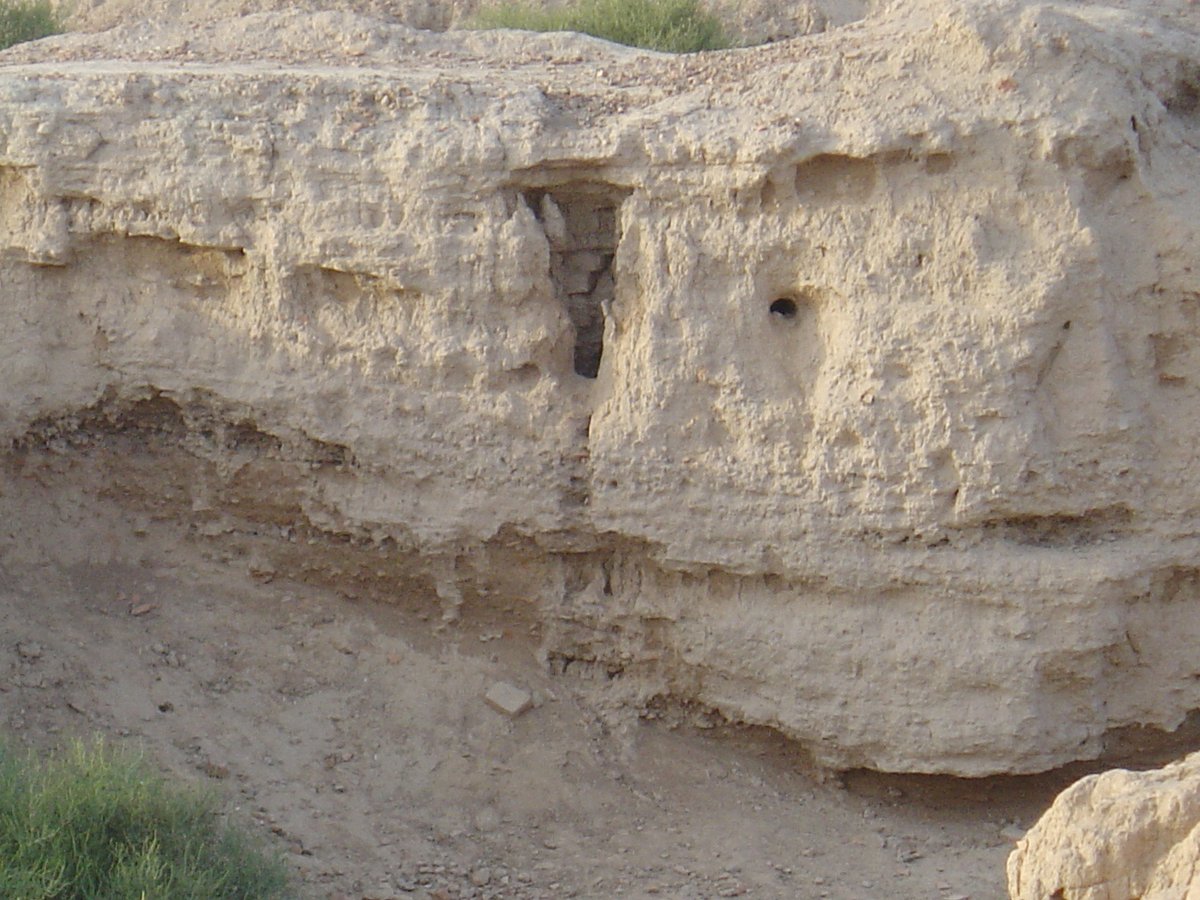
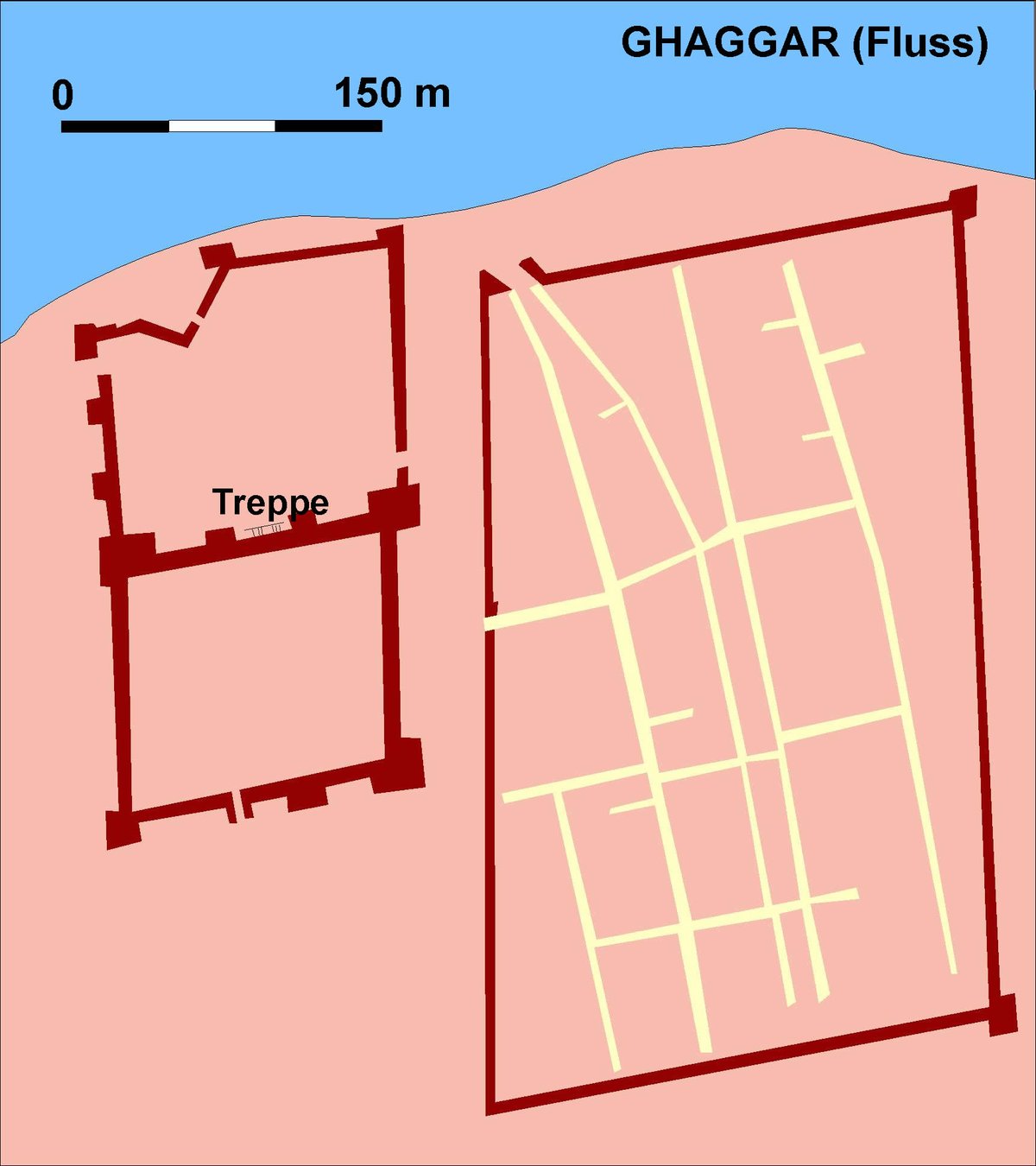
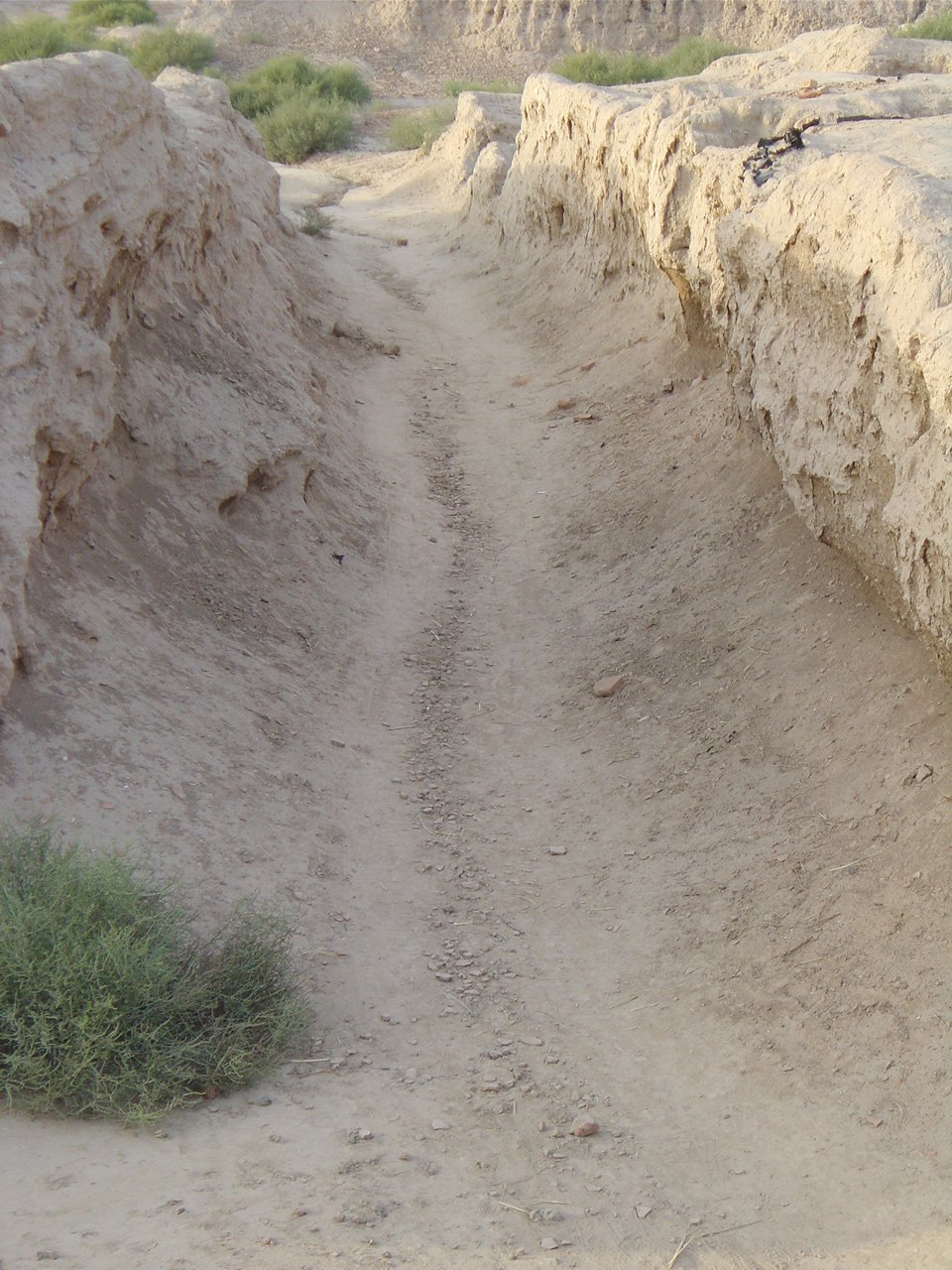
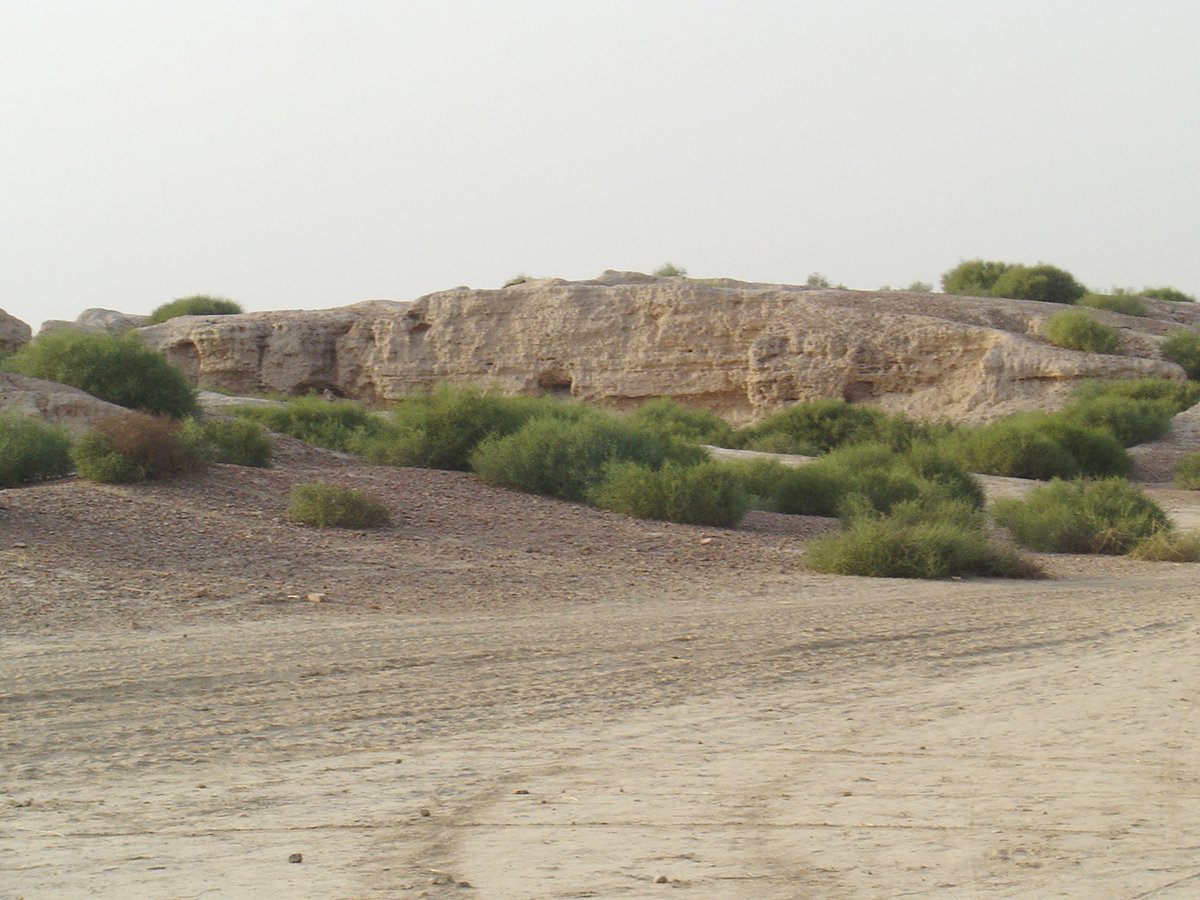
Archaeological discoveries reveal that Rajasthan’s human settlements date back to the Stone Age, with prominent sites at Bundi and Bhilwara. The region flourished as part of the Indus Valley Civilization—Kalibangan is especially notable for its fire altars and ancient ploughed fields (india-a2z.com). During the Vedic period, it was home to powerful Mahajanapadas like the Matsya kingdom and later influenced by the Mauryan Empire, as evidenced by Ashokan edicts in Bairat.
Rajput Ascendancy and Medieval Conflicts
From the 7th to the 12th centuries, Rajput clans—including the Guhilas, Sisodias, Chauhans, and Bhatis—rose to prominence, shaping Rajasthan’s martial and cultural ethos (india-a2z.com). The Gurjara-Pratiharas played a crucial defensive role against foreign invasions. The Chauhan dynasty, with Prithviraj Chauhan at its helm, left a lasting legacy until the defeat at the Second Battle of Tarain (1192), which marked the decline of Rajput dominance in the north.
The region then became a contested ground for the Delhi Sultanate and later the Mughals. Notable events include the sieges of Ranthambore and Chittorgarh, with Rajput resistance led by figures like Hammiradeva and Maharana Pratap, the latter famed for his defiant stand at Haldighati (india-a2z.com).
Colonial and Modern Rajasthan
The 18th century saw Maratha incursions, followed by British intervention in the 19th century. Rajput rulers, seeking peace after centuries of conflict, entered treaties for internal autonomy, and the British established the Rajputana Agency (india-a2z.com). Post-independence, Rajasthan was unified from 22 princely states in 1949, with Jaipur as its capital.
Architectural Heritage: Major Sites and Visitor Details
Rajasthan’s forts and palaces are living testaments to its rich history and are meticulously maintained for visitors. Here’s an overview of essential sites and practical information for travelers:
Jaipur: The Pink City
Amber Fort (Amer Fort)
- Hours 8:00 AM – 5:30 PM daily
- Tickets INR 100 (Indians), INR 500 (foreigners); extra for camera use
- Highlights Sheesh Mahal, Ganesh Pol, panoramic views of Maota Lake
- Accessibility Limited due to steep climbs; jeeps and electric buggies available
- Website Amber Fort Jaipur
- Light & Sound Show Evening shows narrate the fort’s history (separate ticket)
- Nearby Jaigarh Fort, Nahargarh Fort, City Palace, Jantar Mantar
Hawa Mahal
- Hours 9:00 AM – 4:30 PM
- Tickets INR 50 (Indians), INR 200 (foreigners)
- Tips Best visited early for cooler weather
City Palace Jaipur
- Hours 9:30 AM – 5:00 PM
- Tickets INR 200 (Indians), INR 700 (foreigners)
- Accessibility Mostly accessible; some areas have steps
Jantar Mantar Jaipur
- Hours 9:00 AM – 4:30 PM
- Tickets INR 40 (Indians), INR 200 (foreigners)
Jodhpur: The Blue City
Mehrangarh Fort
- Hours 9:00 AM – 5:00 PM
- Tickets INR 100 (Indians), INR 300 (foreigners)
- Highlights Museum, palaces, panoramic city views
- Accessibility Some uneven paths
- Website Mehrangarh Fort
- Special Events Hosts Rajasthan International Folk Festival
Jaswant Thada
- Hours 9:00 AM – 5:00 PM
- Tickets INR 30 (Indians)
- Accessibility Wheelchair accessible
Udaipur: City of Lakes
City Palace Udaipur
- Hours 9:30 AM – 5:30 PM
- Tickets INR 100 (Indians), INR 300 (foreigners)
- Highlights Lake Pichola views, museums, blend of Rajasthani and Mughal styles
- Website City Palace Udaipur
Lake Pichola
- Boat Rides 10:00 AM – sunset; approx. INR 400
Jagdish Temple
- Hours 6:00 AM – 8:00 PM
- Entry Free
Jaisalmer: The Golden City
Jaisalmer Fort
- Hours 9:00 AM – 6:00 PM
- Tickets INR 50 (Indians), INR 200 (foreigners)
Patwon Ki Haveli
- Hours 9:00 AM – 5:00 PM
- Tickets INR 50
Sam Sand Dunes
- Activities Camel/jeep safaris late afternoon to sunset
Bikaner & Mount Abu
Junagarh Fort
- Hours 9:00 AM – 5:00 PM
- Tickets INR 50 (Indians), INR 200 (foreigners)
- Website Junagarh Fort
Karni Mata Temple
- Hours 5:00 AM – 8:00 PM
- Entry Free
Dilwara Temples (Mount Abu)
- Hours 7:00 AM – 6:00 PM
- Entry Free; photography restricted
Nakki Lake
- Boating 9:00 AM – 6:00 PM
Chittorgarh & Ranthambore
Chittorgarh Fort
- Hours 9:00 AM – 5:00 PM
- Tickets INR 50 (Indians), INR 300 (foreigners)
Ranthambore National Park & Fort
- Season October – June for safaris
- Fort Hours 9:00 AM – 5:00 PM
- Note Advance booking for safaris recommended
Bharatpur & Bundi
Keoladeo National Park (Bharatpur)
- Hours 6:00 AM – 6:00 PM
- Tickets INR 50 (Indians), INR 250 (foreigners)
- Facilities Bicycle/rickshaw rentals
Bundi Fort (Taragarh Fort)
- Hours 9:00 AM – 5:00 PM
Cultural Legacy and Festivals
Rajasthan’s calendar is packed with vibrant festivals:
- Pushkar Camel Fair November, combining livestock trading and folk performances
- Jaisalmer Desert Festival February, featuring camel races, music, and dance
- Teej Festival July/August, celebrating the monsoon
- Kite Festival (Makar Sankranti) January 14, skies filled with colorful kites
- Rajasthan International Folk Festival (RIFF) October, held at Mehrangarh Fort
Traditional arts—Ghoomar, Kalbeliya, and puppetry—enrich the state’s cultural scene (easeindiatrip.com, holidify.com).
Practical Travel Tips
- Best Time to Visit October – March
- Clothing Light cottons in summer; warm layers for winter nights
- Footwear Comfortable shoes essential
- Tickets Book online for popular sites and safaris
- Transport Well-connected by road, rail, and air; local options include rickshaws and taxis
- Accessibility Many sites have steps or uneven terrain; check ahead for facilities
- Responsible Tourism Avoid exploitative animal rides; support ethical crafts
- Stay Duration Plan at least 2 nights per major city for a comprehensive experience
Frequently Asked Questions (FAQs)
Q: What are the visiting hours for Amber Fort?
A: 8:00 AM to 5:30 PM daily
Q: Can I buy tickets for Jaisalmer Fort online?
A: Yes, via official Rajasthan tourism websites
Q: Are City Palace complexes wheelchair accessible?
A: Many sections are, but some have steps; assistance can be requested
Q: Is photography allowed inside the Dilwara Temples?
A: No, photography is prohibited
Q: When is the best time to visit Ranthambore National Park?
A: October to June, with peak wildlife sightings November–April