Plan and listen to Sasbahu Temple with Audiala.
Audio guide in your pocket, itinerary in your browser. Built for the way you actually visit.
Introduction
Nestled within the formidable Gwalior Fort in Madhya Pradesh, the Sasbahu Temple—also known as Sahastrabahu Temple—is a remarkable testament to 11th-century North Indian temple architecture. Famed for its unique twin-temple configuration, ornate sandstone carvings, and syncretic symbolism, the temple attracts history aficionados, architecture lovers, spiritual seekers, and curious travelers alike.
Commissioned by King Mahipala of the Kachchhapaghata dynasty, the temple originally honored Lord Vishnu and exemplifies the era’s artistic and engineering prowess. The name "Sasbahu," meaning "mother-in-law and daughter-in-law," arises from both local legend and the physical arrangement of the twin shrines, symbolizing familial harmony and spiritual unity.
This guide details the Sasbahu Temple’s historical background, architectural features, practical visitor information—including visiting hours and ticketing—and tips for an enriching visit. For further updates, consult the Archaeological Survey of India (asi.nic.in) and Madhya Pradesh Tourism.




Historical Background
Origins and Patronage
Commissioned in the late 11th century CE by King Mahipala of the Kachchhapaghata dynasty, the Sasbahu Temple complex reflects the royal patronage of Vaishnavism during medieval India (templeyatri.in). The original designation, “Sahastrabahu,” references Lord Vishnu as the "one with a thousand arms." Over time, local lore and linguistic evolution led to the popular "Sasbahu" moniker, linking the temples to generational harmony.
Architectural Evolution
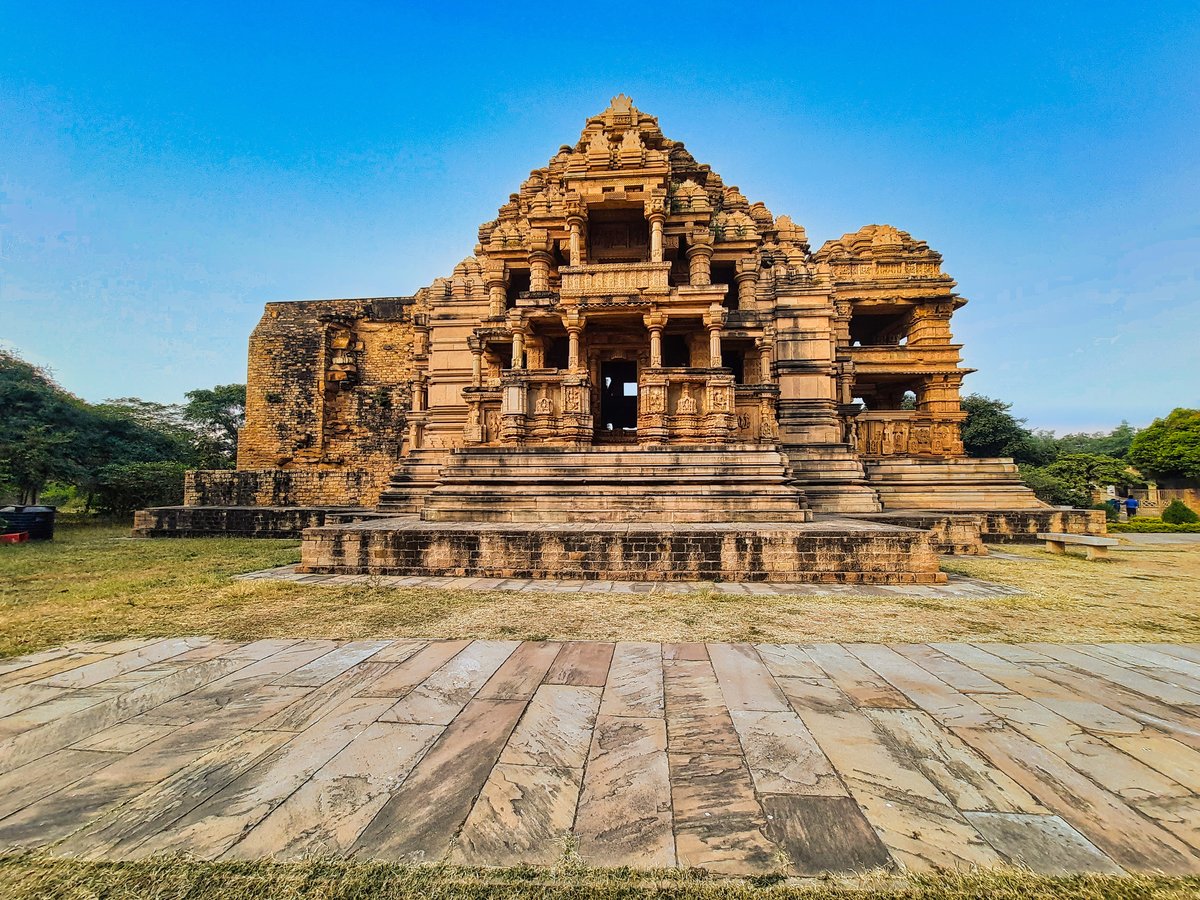
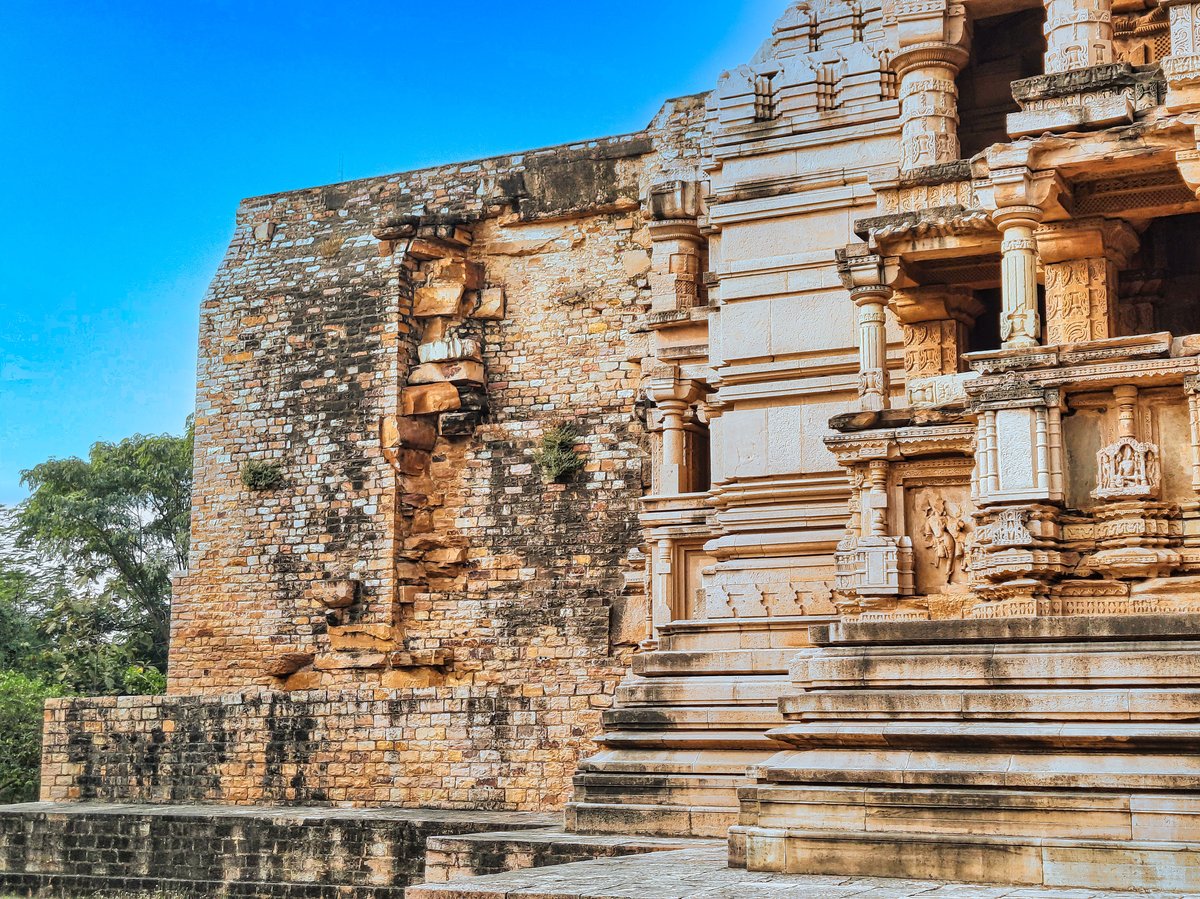
Constructed primarily from local sandstone, the complex features the Nagara style's characteristic curvilinear shikharas and a cruciform base. The larger “Sas” temple, dedicated to Vishnu, and the smaller “Bahu” shrine create a rare twin-temple configuration. Though the main shikhara and much of the superstructure have been lost to time and invasions, the surviving mandapas, pillars, and carvings remain a testament to the era’s craftsmanship (Outlook Traveller).
Legends and Cultural Lore
Local legends suggest the temples were constructed for a queen and her daughter-in-law, each devoted to different deities. These stories, while unverified, have become integral to the site’s cultural identity.
Endurance Through History
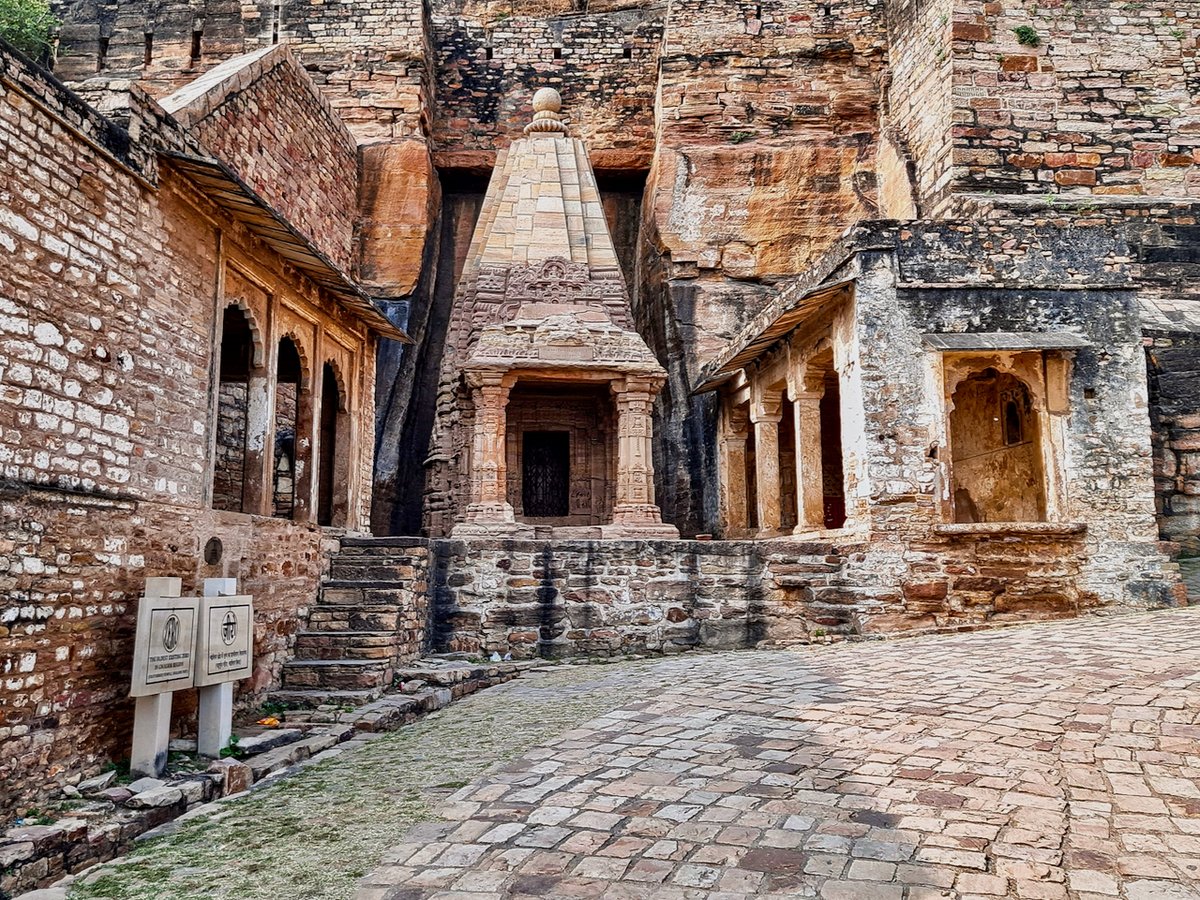
Despite centuries of upheaval—including invasions by the Delhi Sultanate, Mughals, and Marathas—the Sasbahu Temple endures, bearing scars yet retaining its grandeur. Its resilience mirrors Gwalior’s own storied past (historiaindica.com).
Architectural Marvel
Twin Temple Complex: Layout and Symbolism
The Sasbahu Temple’s defining feature is its twin-temple design. The larger “Sas” (mother-in-law) temple and smaller “Bahu” (daughter-in-law) temple are set on a raised platform, symbolizing generational and familial harmony. The cruciform layout, with three grand entrances, fosters both intimacy and connectivity (Wikipedia; Outlook Traveller).
Architectural Styles and Features
- Nagara and Bhumija Elements: The temples showcase the vertical emphasis of the Nagara tradition, with Bhumija sub-style features and some Dravidian influences in their mandapas.
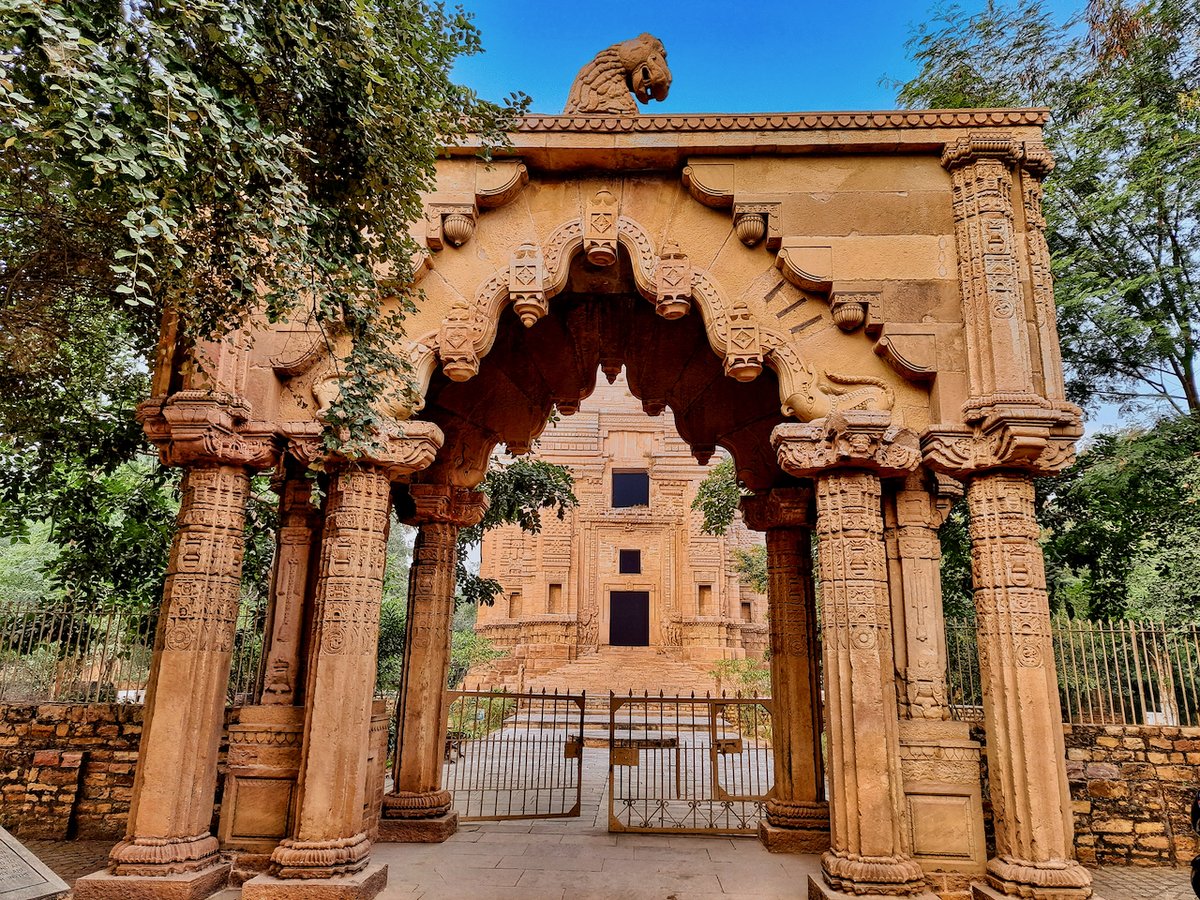
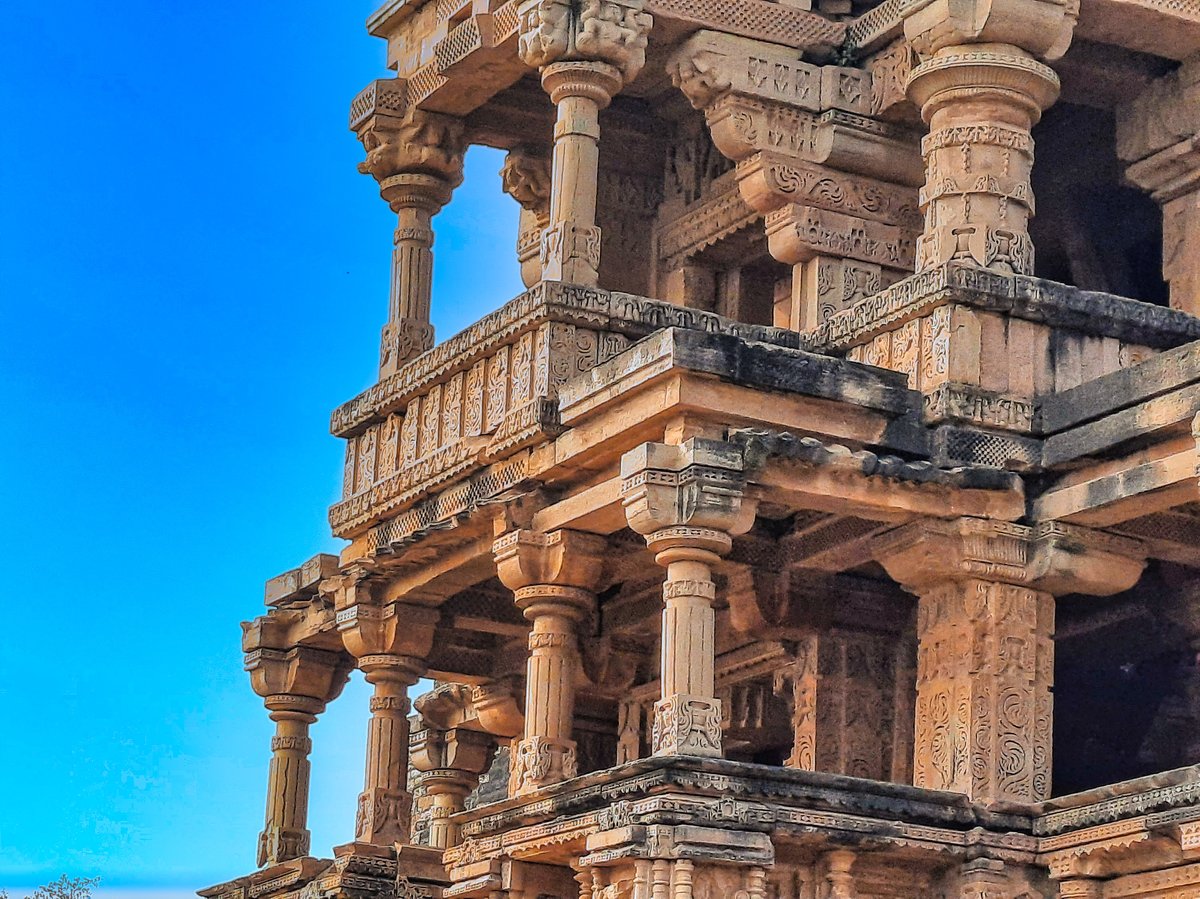
- Mandapas and Pillars: Richly carved pillars support spacious halls, adorned with mythological scenes and floral patterns.
- Sanctum (Garbhagriha): The main temple’s sanctum, though now missing its deity, was dedicated to Lord Vishnu, as indicated by ancient inscriptions (Historia Indica).
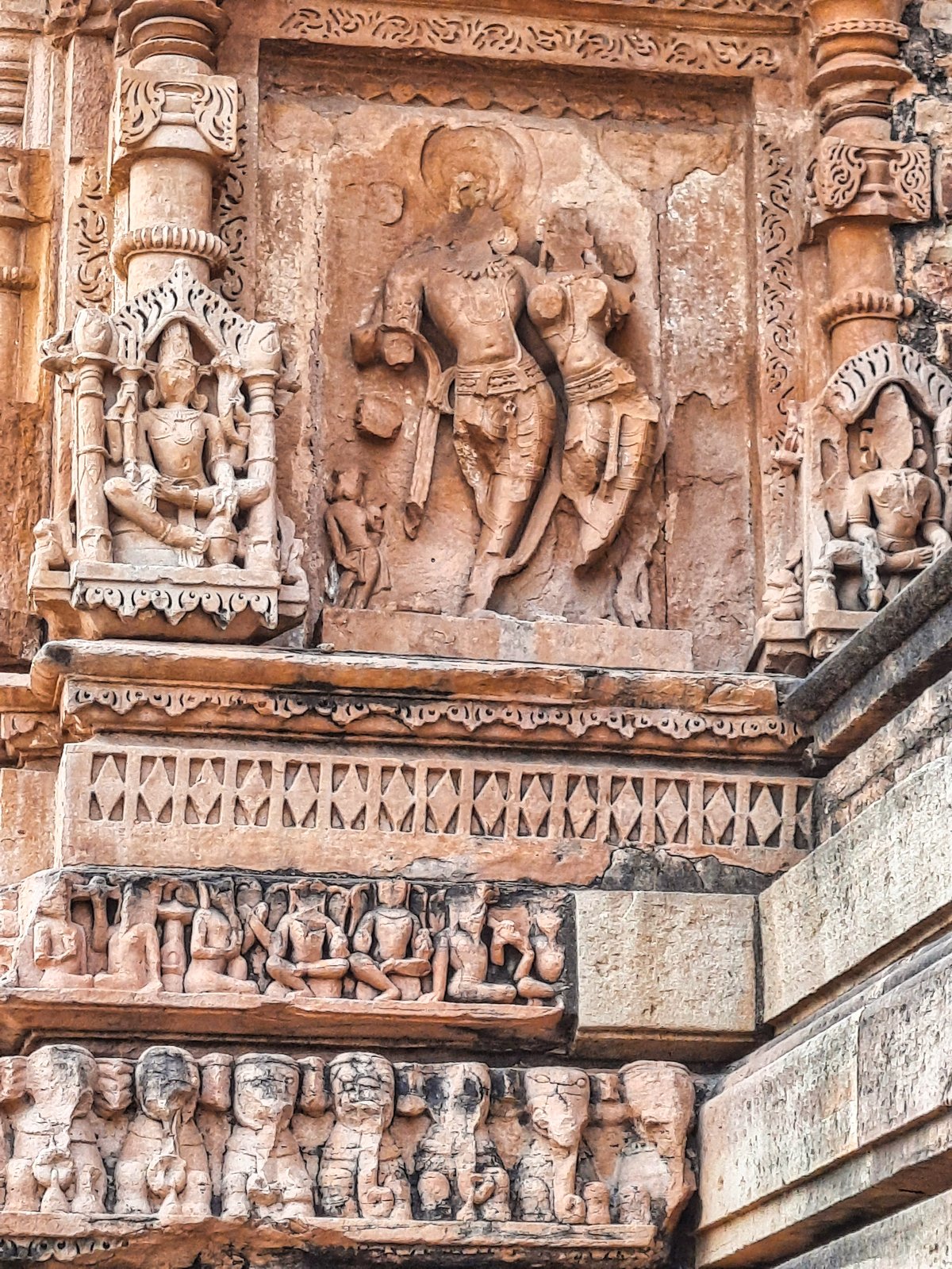
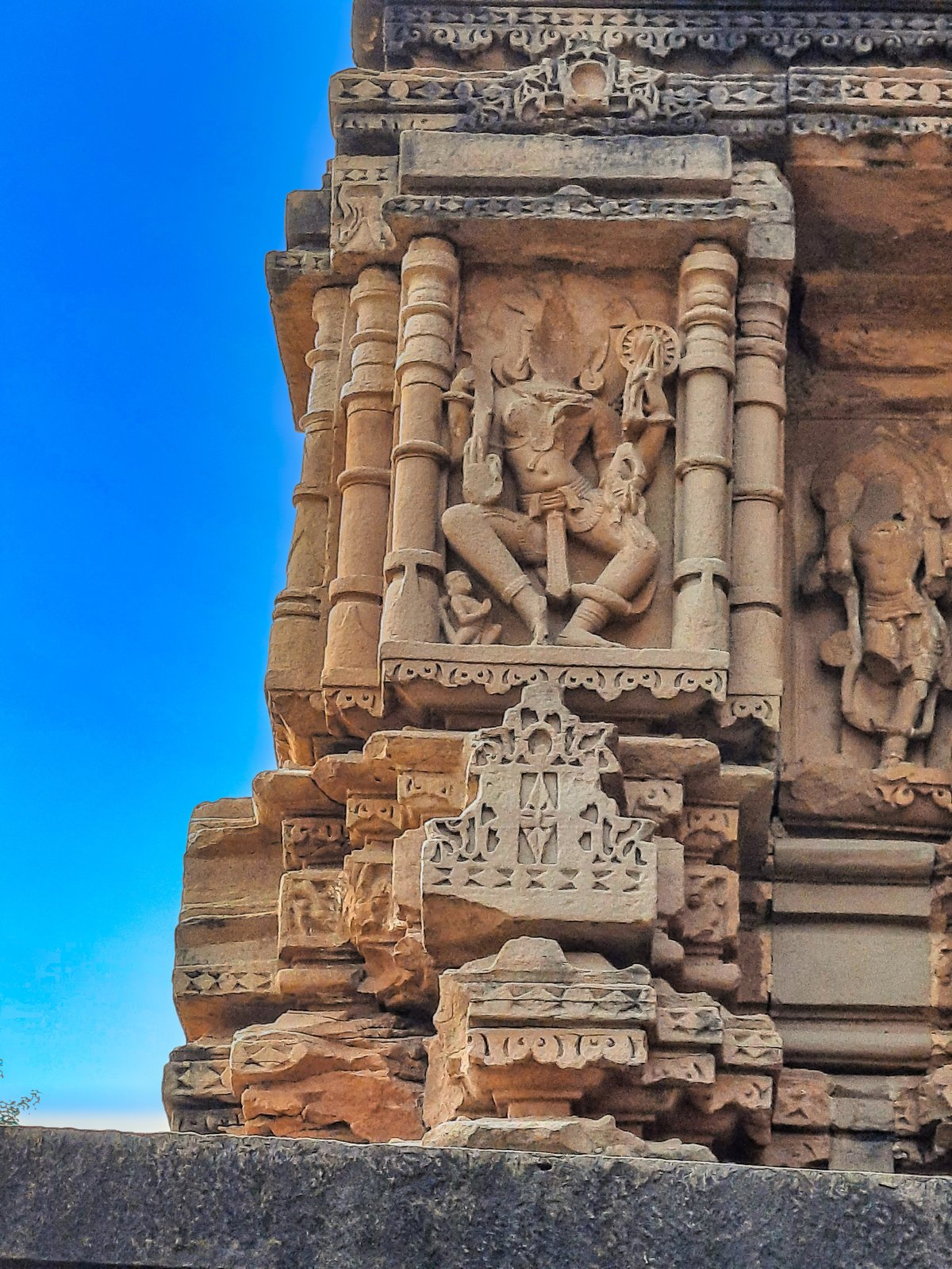
- Sculptural Ornamentation: Intricate carvings depict scenes from the Ramayana and Mahabharata, as well as celestial dancers, musicians, and guardians.
Construction Techniques
The temples were constructed using finely dressed local sandstone and advanced joinery techniques. Multi-storey designs, projecting porches, and intricately engineered mandapas demonstrate the artisans’ ingenuity (EIndiaTourism).
Restoration and Preservation
Despite historical damage, ongoing conservation by the Archaeological Survey of India has preserved the surviving structures and restored several original features, ensuring future generations can appreciate this marvel (asi.nic.in).
Visitor Information
Sasbahu Temple Visiting Hours
- Standard Hours: 8:00 AM to 5:00 PM daily (subject to seasonal changes and special events) (Poojn.in; Madhya Pradesh Tourism)
Tickets and Entry Fees
- Entry: Included in the Gwalior Fort ticket.
- Ticket Price (2025): Approx. ₹75 for Indian nationals, ₹250 for foreign tourists. Children under 15 often enter free; please verify current rates before visiting (Archaeological Survey of India; Agate Travel).
How to Reach
- By Road: Located within Gwalior Fort, about 3 km from the city center.
- By Rail: Gwalior Junction is 5 km away.
- By Air: Gwalior Airport is roughly 12 km from the fort.
- Local Transport: Auto-rickshaws and taxis are readily available.
Accessibility
- The temple complex has uneven terrain and several stone steps, making wheelchair access difficult. Assistance is advised for those with mobility challenges.
Facilities & Amenities
- Restrooms: Available near the Gwalior Fort entrance, but not within the temple area.
- Refreshments: Carry water and snacks, as no vendors operate in the temple zone. Numerous eateries are available near the fort entrance and in the city (Tripadvisor).
- Souvenirs: Occasional local vendors sell crafts and postcards near the fort; Gwalior’s markets offer a broader selection.
Best Time to Visit
- October to March: Pleasant weather (10°C to 25°C) is ideal for sightseeing.
- Festivals: Navratri and Diwali bring cultural vibrancy, though the temple remains peaceful.
Travel Tips
- Wear comfortable shoes for climbing steps and walking uneven surfaces.
- Early morning and late afternoon offer the best light for photography.
- Carry sun protection during summer visits.
On-Site Experience
Guided Tours
Local guides are available at the fort entrance for ₹200–₹400 per group, offering insights into the temple’s history and iconography (Incredible India). Hiring a guide enhances the experience, especially for first-time visitors.
Photography
Photography for personal use is allowed throughout the complex. Commercial filming requires prior permission from the Archaeological Survey of India. The interplay of light and shadow during golden hours creates stunning photographic opportunities.
Cultural Etiquette
- Dress modestly out of respect for the site’s importance.
- Footwear should be removed before entering sanctum areas.
- Maintain decorum: avoid loud conversations, touching carvings, or littering.
Nearby Attractions
- Gwalior Fort: The larger fort complex offers extensive sightseeing, including Man Singh Palace, Gujari Mahal Museum, and Teli Ka Mandir.
- Jai Vilas Palace: A grand example of European-influenced palace architecture.
- Gopachal Parvat: Renowned for its Jain rock-cut sculptures.
A full exploration of Gwalior Fort and Sasbahu Temple typically takes 3–4 hours (Gwalior Tourism).
Frequently Asked Questions (FAQs)
Q: What are the Sasbahu Temple visiting hours?
A: Generally 8:00 AM to 5:00 PM, but timings may vary. Check the official tourism portal before your visit.
Q: How much are tickets?
A: Included in the Gwalior Fort ticket; approximately ₹75 for Indians, ₹250 for foreigners.
Q: Is the temple wheelchair accessible?
A: No, due to uneven terrain and steps.
Q: Are guides available?
A: Yes, at the fort entrance for a nominal fee.
Q: When is the best time to visit?
A: October to March.
Map
Listen to the full story in the app
The whole Sasbahu Temple,
told well.
Audio guides for 1,100+ cities across 96 countries. History, stories, and local insight — offline ready.
Verified, and shown.
Researched and written by the Audiala editorial team from historical records, architectural archives, and local expertise.
Researched from Wikidata, Wikipedia & official sources · fact-checked · How we make our guides →