Plan and listen to Man Singh Palace with Audiala.
Audio guide in your pocket, itinerary in your browser. Built for the way you actually visit.
Introduction
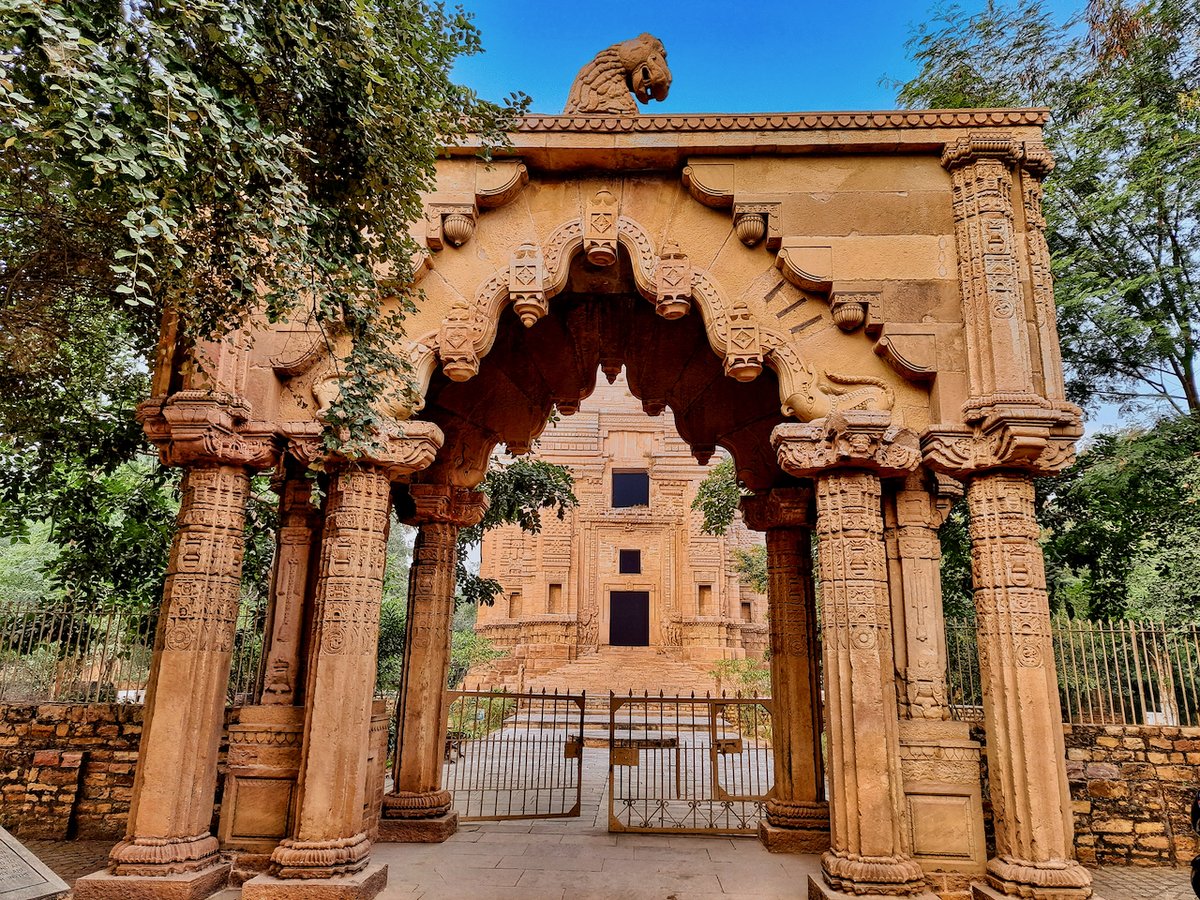
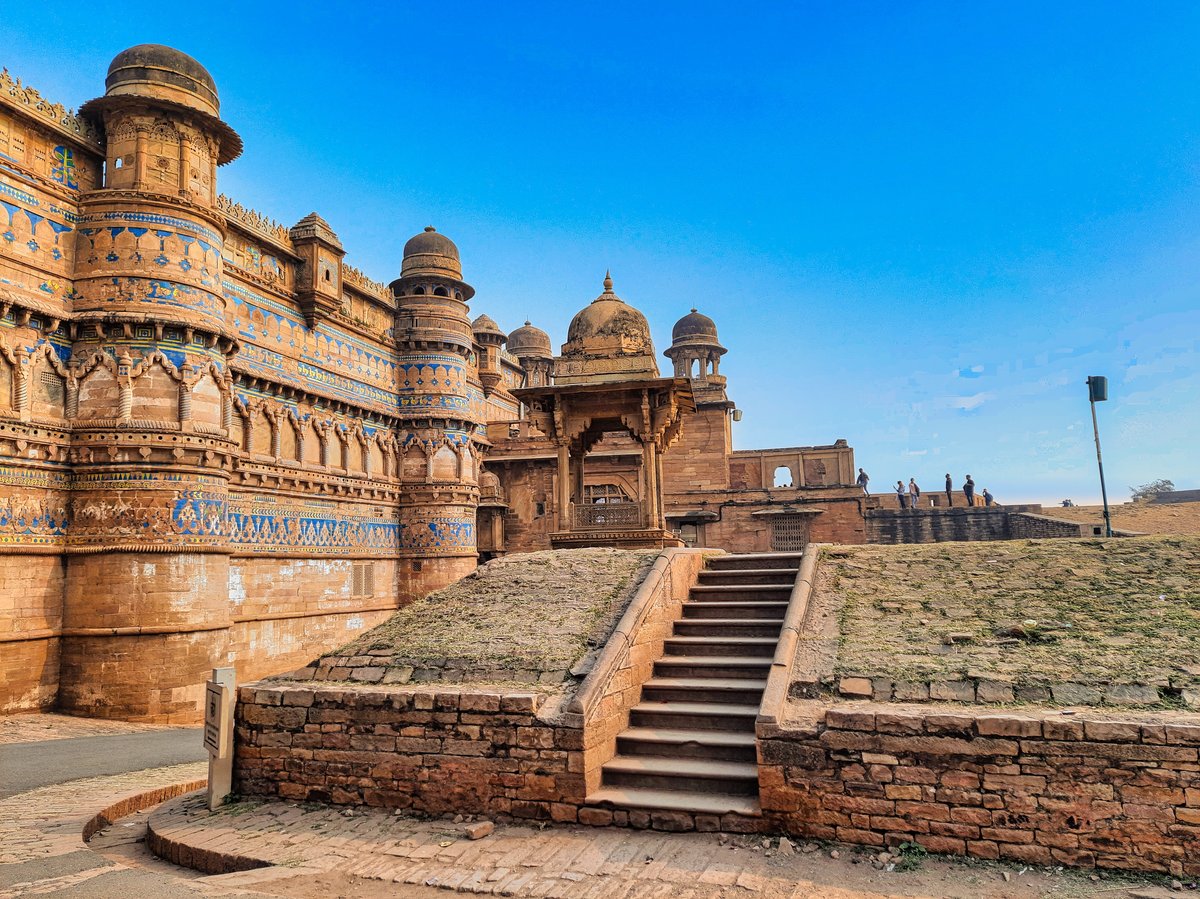
Man Singh Palace—also known as Man Mandir or Chit Mandir—stands as the crowning jewel of Gwalior Fort in Madhya Pradesh, India. Commissioned by Raja Man Singh Tomar in the late 15th century, this palace is celebrated for its vibrant tile work, intricate carvings, and unique blend of Rajput and Mughal architectural influences. More than just a royal residence, Man Singh Palace was a center of arts, music, and political power, earning Gwalior Fort the reputation of the "Gibraltar of India." Today, the palace invites visitors to explore its courtyards, historic halls, and underground chambers, offering a vivid glimpse into India’s medieval heritage (Optimatravels; Travel Melodies; Culture and Heritage).

Historical Background and Cultural Significance
Origins and Dynastic Patronage
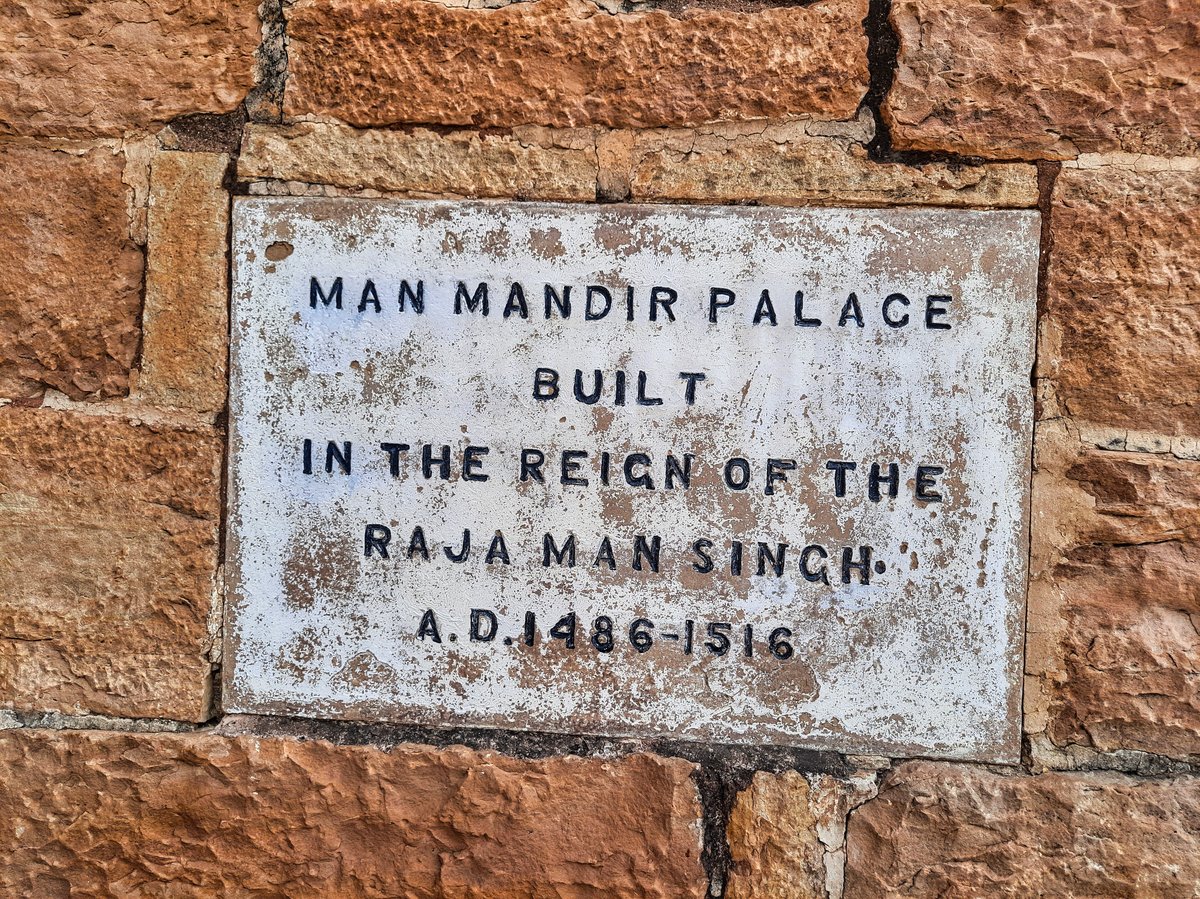
Commissioned by Raja Man Singh Tomar (r. 1486–1516 CE), Man Singh Palace epitomizes the Tomar dynasty’s golden era, renowned for artistic, architectural, and musical advancements. The palace served as both a royal residence and a cultural hub, with construction spanning over three decades (Optimatravels).
After the Tomars, the palace came under the control of the Mughals, who used it as a military outpost and prison. Later, the Marathas—especially the Scindia dynasty—restored its grandeur in the 18th century. In 1886, the British returned the fort and palace to the Scindias (TheWorldCastle).
Architectural and Artistic Flourishing
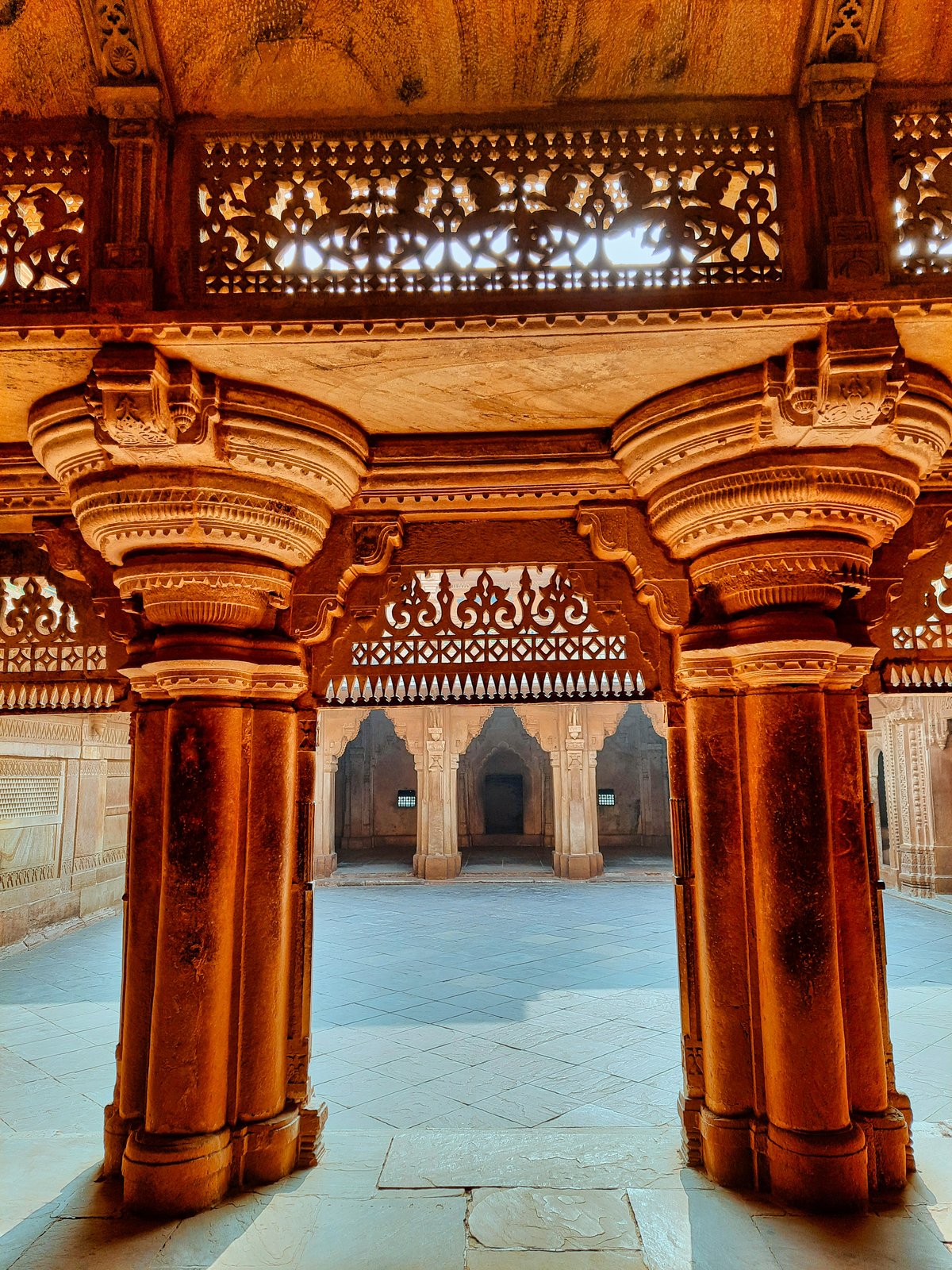
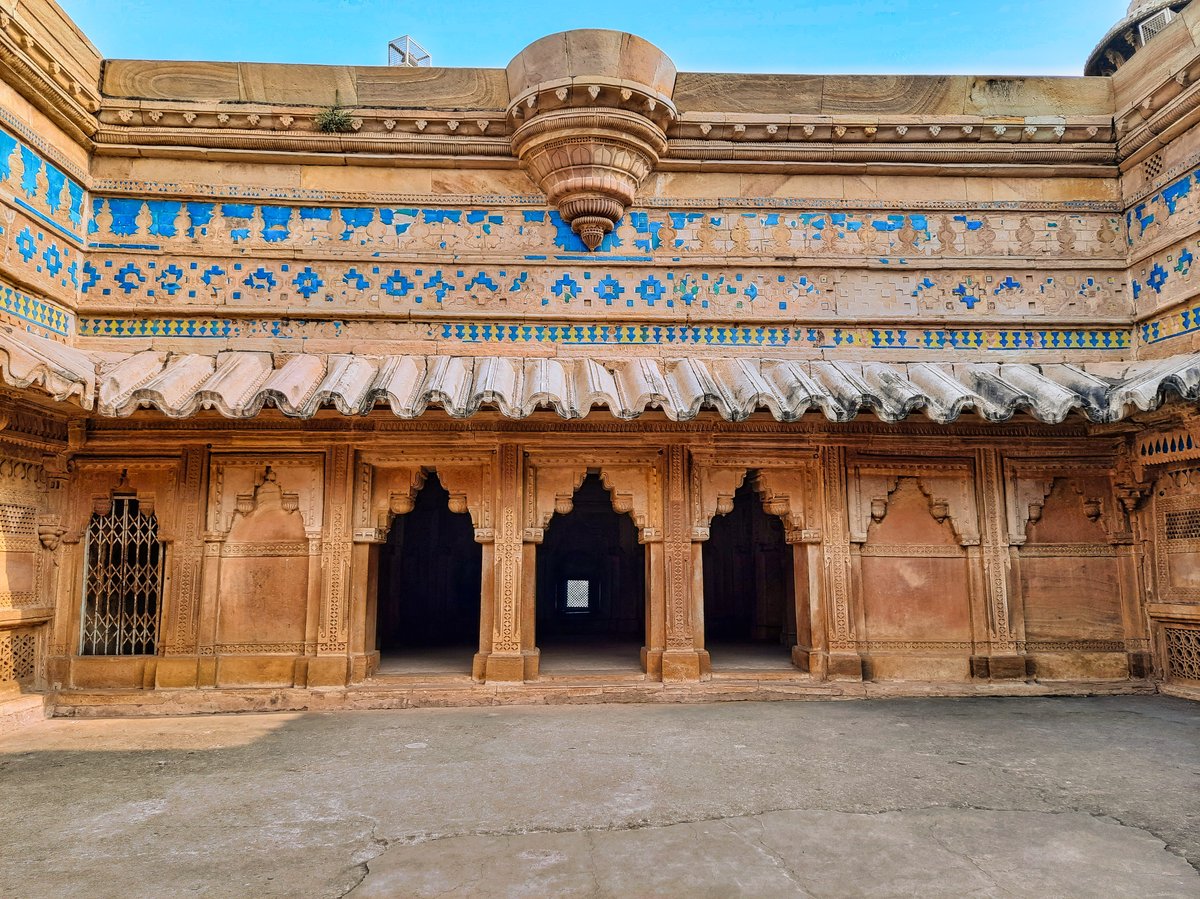
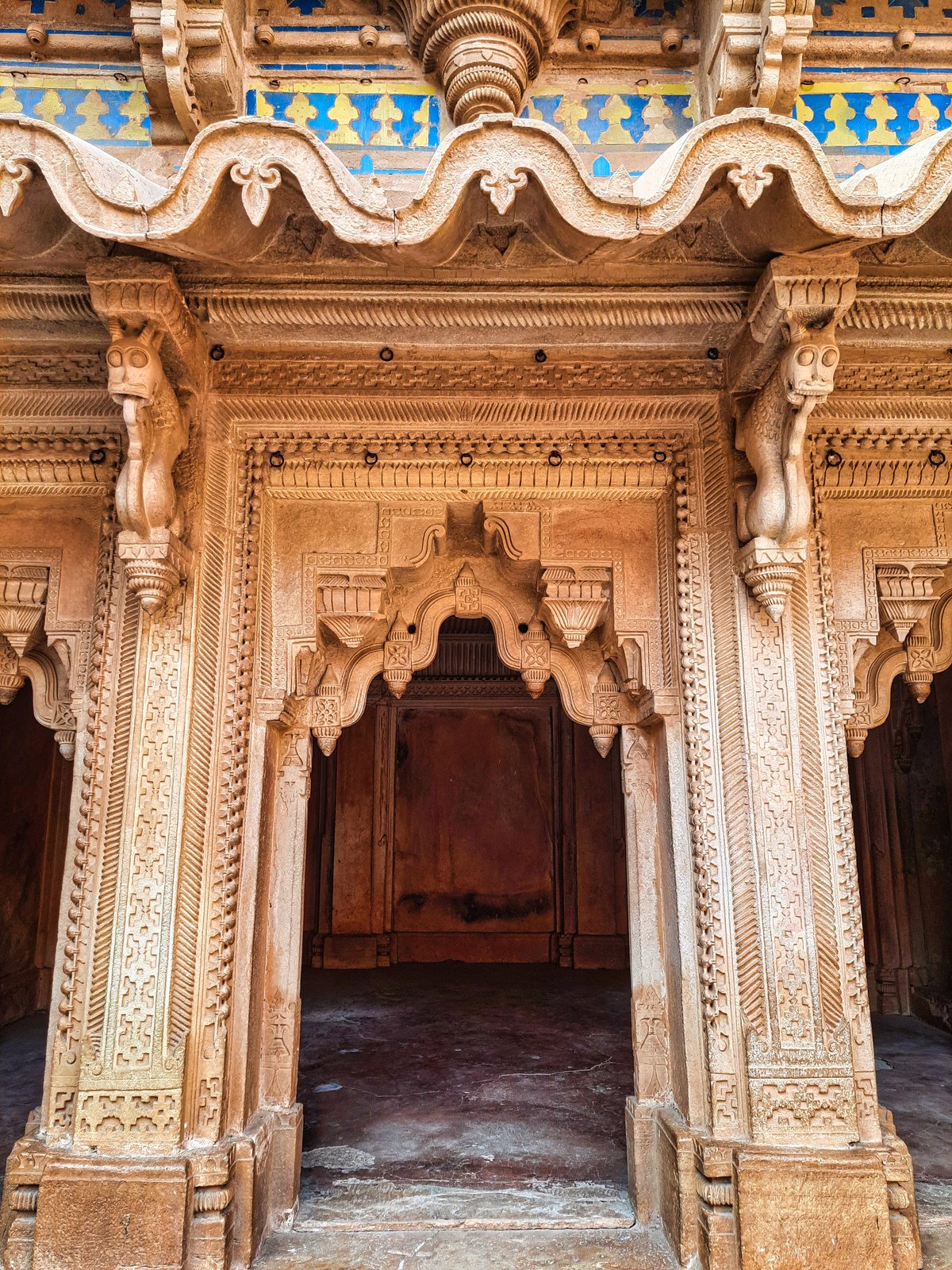
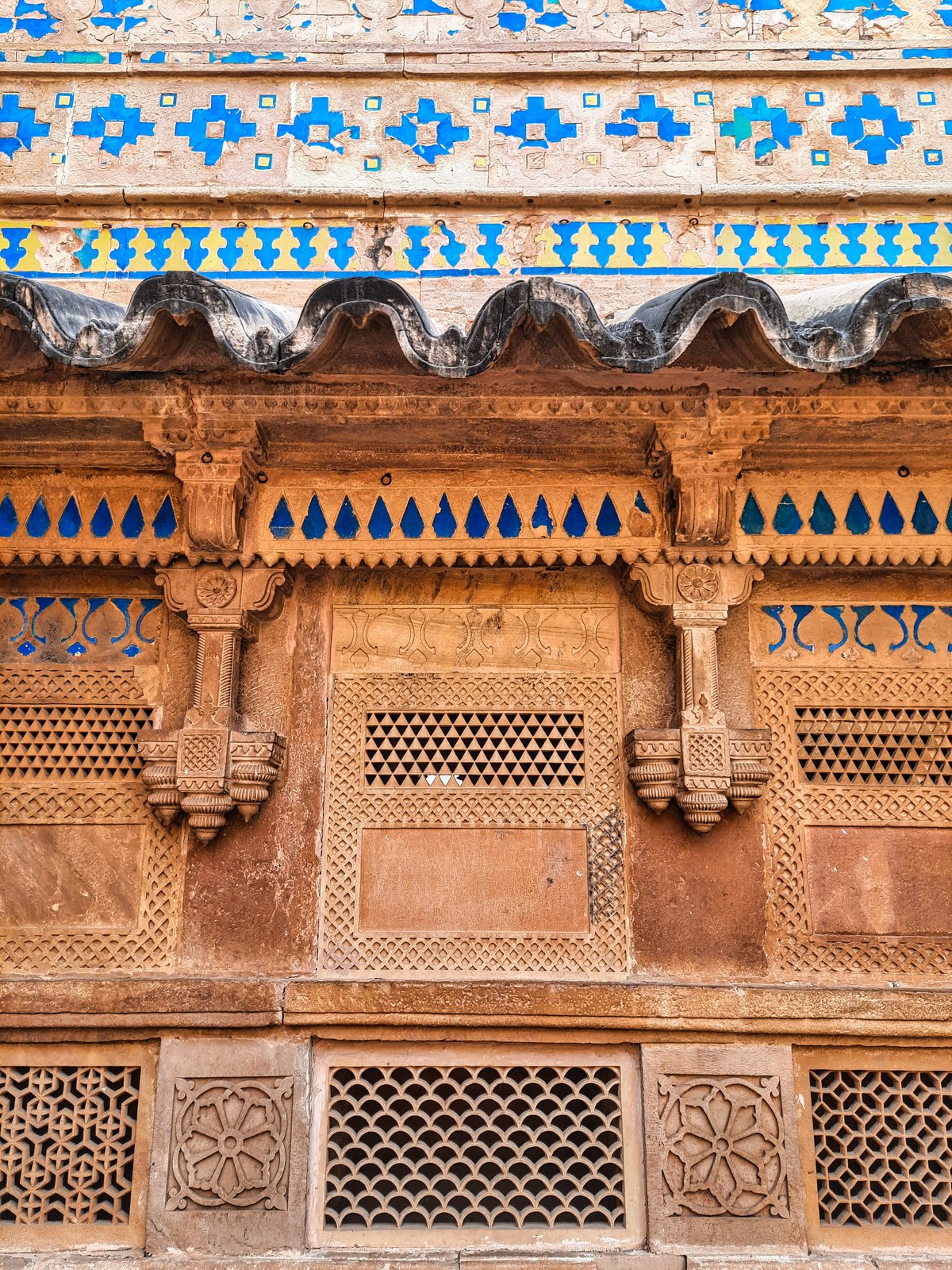
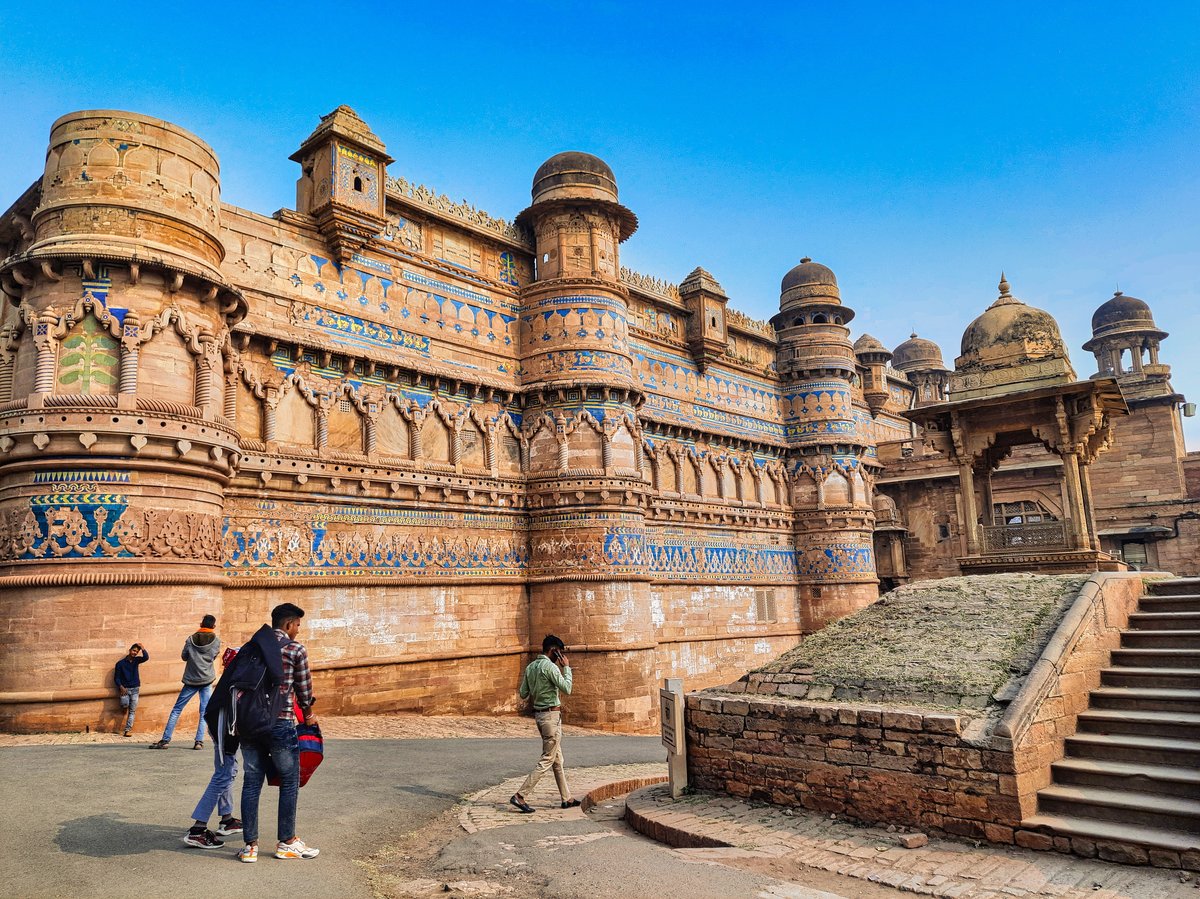
The palace’s four-storeyed rectangular structure features two grand courtyards surrounded by apartments. Its exterior boasts vibrant blue, yellow, and green tiles depicting animals and mythical motifs, while intricate carvings, arches, and domes reveal a sophisticated synthesis of Hindu and Mughal aesthetics. The palace’s Chitrashala (picture gallery) and Darbar Hall further highlight the Tomars’ patronage of the arts (Culture and Heritage).
Symbolism and Social History
Beyond its artistic appeal, Man Singh Palace was a stronghold of political power, with labyrinthine courtyards and underground chambers designed for defense and secrecy. The Jauhar Kund, a poignant site within the palace, commemorates the sacrifices of royal women during invasions. The palace’s halls once reverberated with the music of legendary artists like Tansen, reflecting a vibrant cultural life (Optimatravels).
Religious and Cultural Coexistence
Man Singh Palace is part of a complex that houses Hindu temples, Jain statues, and sacred sites, making it a confluence of faiths and a pilgrimage center for multiple communities (TheWorldCastle).
Architectural Features
Exterior and Ornamentation
The palace’s façade is renowned for its colorful ceramic tiles arranged in geometric patterns and animal motifs, earning it the moniker “Chit Mandir.” Dramatically perched on the fort’s escarpment, the structure is flanked by the iconic Hathi Pol (Elephant Gate) and semicircular towers (marble.nd.edu).
Layout and Function
Interconnected halls, courtyards, and chambers reflect traditional Rajput planning. The Darbar Hall hosted official gatherings, while the Chitrashala displays paintings and latticework that balance aesthetics with function.
Underground Chambers
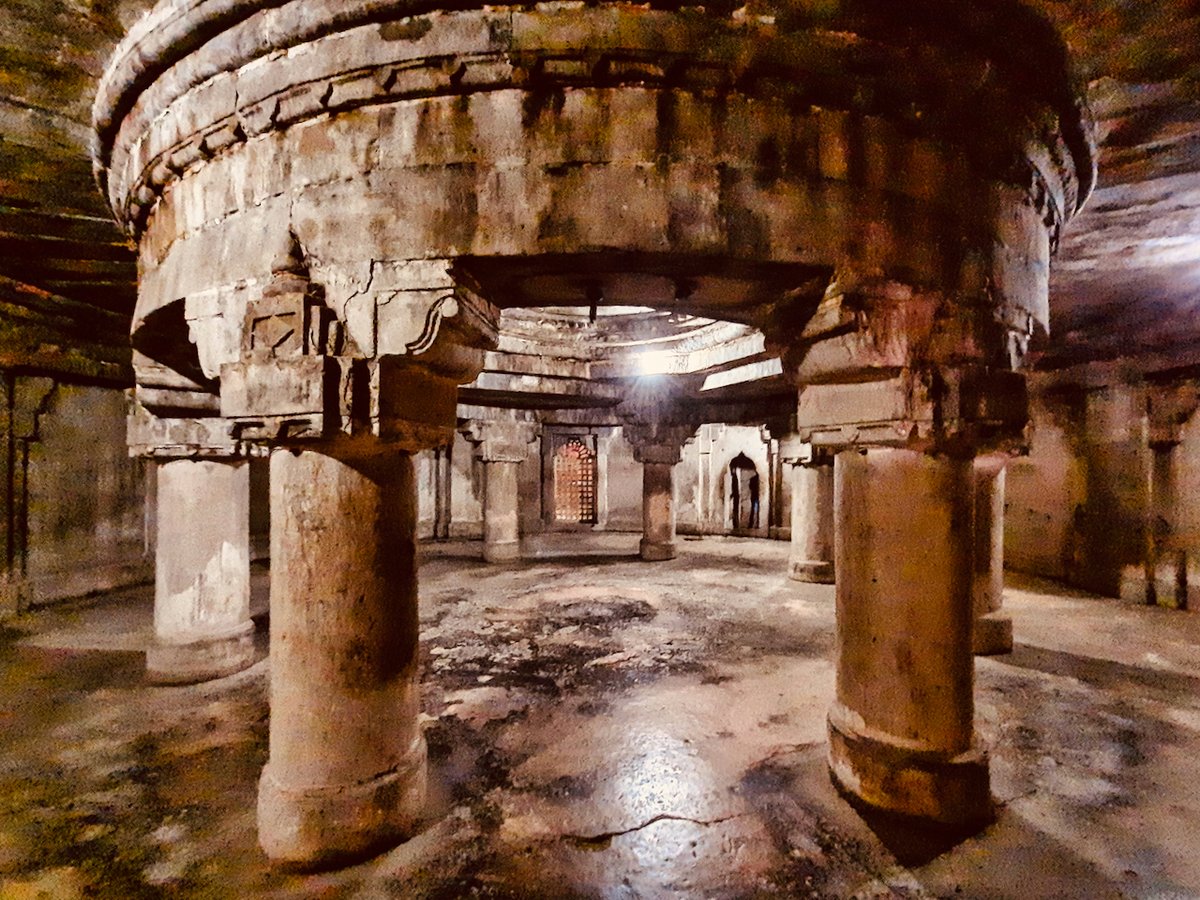
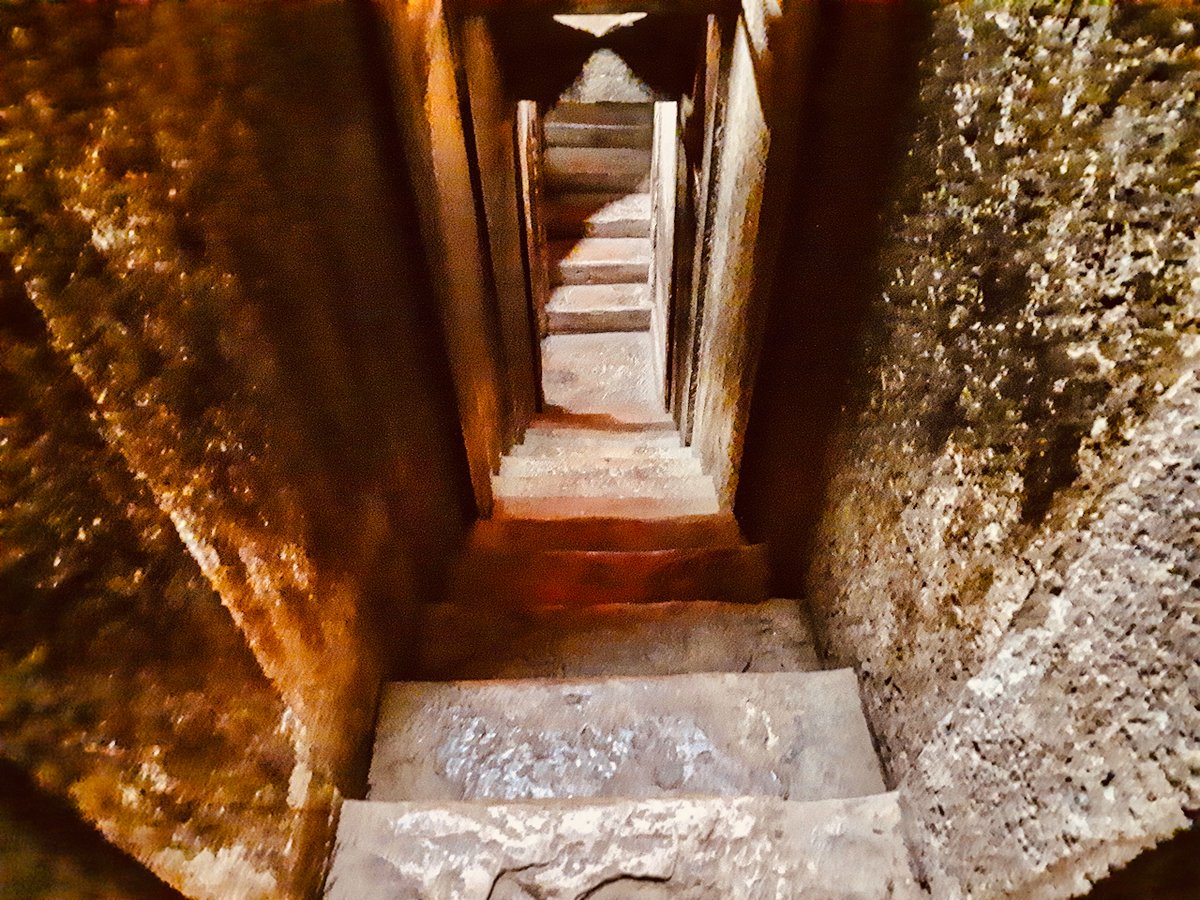
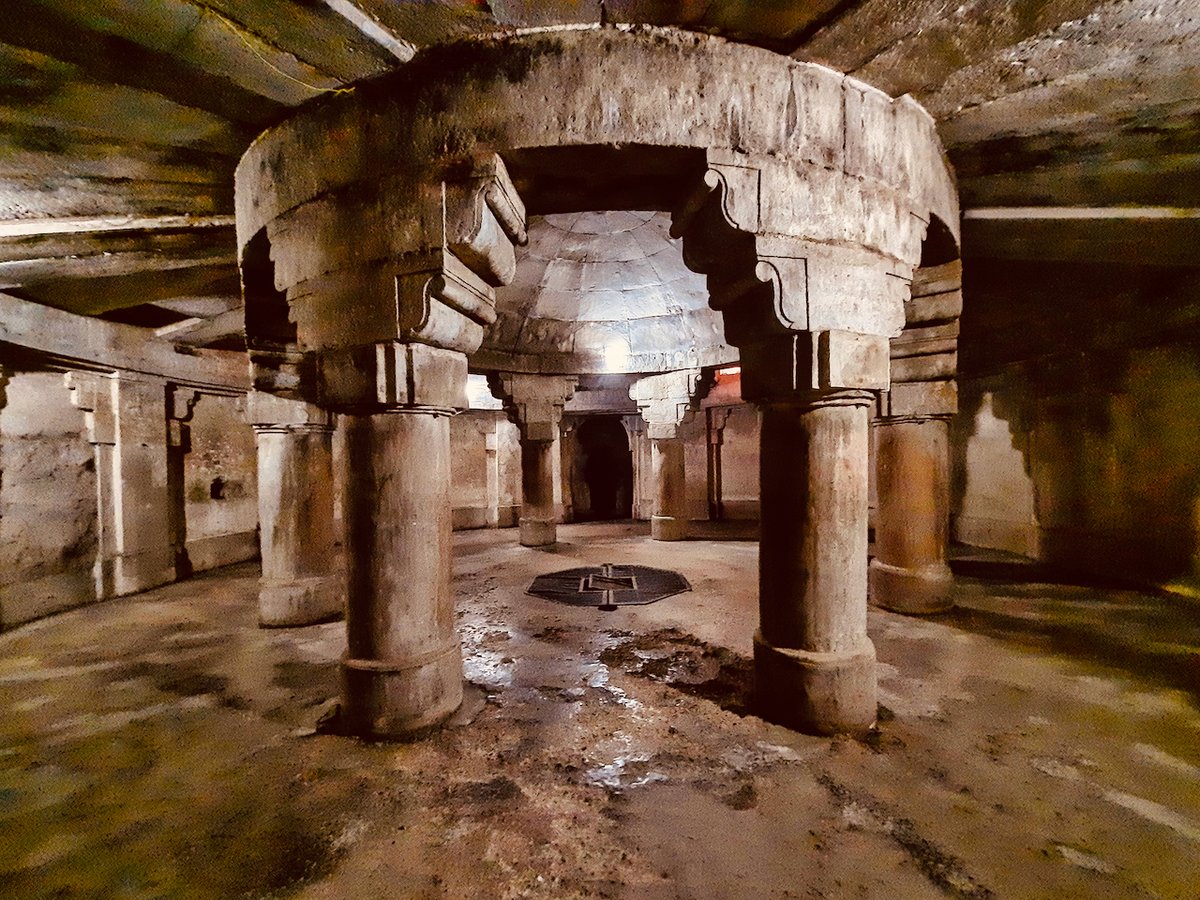
A unique feature is the network of underground passages and dungeons used for storage, escape routes, and protection during sieges (Culture and Heritage).
Later Modifications
During the Mughal era, subtle architectural elements were added, blending seamlessly with the original Rajput design.
Visiting Man Singh Palace: Practical Information
Visiting Hours
- Daily: 9:00 AM to 5:30 PM
- Best Time: October to March for pleasant weather
- Note: Hours may vary during public holidays or special events
Tickets and Entry
- Included in Gwalior Fort ticket
- Indians: INR 30–50
- Foreigners: INR 300–500
- Children (below 15): Free
- Camera Fee: INR 25 (where applicable)
- Combined tickets may include access to Sas Bahu Temple and Teli Ka Mandir (Travel Melodies)
- Tickets are available at the site or via MP Tourism website
Accessibility
- The palace features stairs, uneven surfaces, and steep climbs; wheelchair access is limited.
- Visitors with mobility issues should plan accordingly and may seek onsite assistance.
Getting There
- By Air: Gwalior Airport (approx. 10–12 km from the fort)
- By Train: Gwalior Junction (well connected to major cities)
- By Road: Buses, taxis, and auto-rickshaws are readily available
- Routes: Eastern (via Archaeological Museum) and Western (via MP Tourism Café) approaches both pass through historic gates including Hathi Pol (MakeMyTrip)
On-Site Experience
- Main Attractions: Vibrant tile façade, Music Hall, Jauhar Kund, underground chambers, and panoramic city views
- Guided Tours: Enhance your experience with a local guide for detailed historical and architectural insights
- Photography: Allowed throughout most areas (except Archaeological Museum); drones are not permitted
- Light and Sound Show: Held at the amphitheatre near the palace (tickets: INR 100–250; check schedule locally)
Facilities
- Food and Drinks: MP Tourism Café offers refreshments; carrying water is advised
- Restrooms: Available near main entrances
- Shops: Souvenir stalls and local handicraft outlets nearby
Best Time to Visit
Plan your visit between October and March for comfortable weather and vibrant cultural events. Summers can be extremely hot (>40°C), while the monsoon (July–September) brings humidity and rain.
Essential Visitor Tips
- Start early to avoid crowds and heat
- Wear comfortable shoes and sun protection
- Keep your ticket safe for multiple entries
- Respect all restricted/conservation zones
- Consider attending the Light and Sound Show or Tansen Music Festival (December)
- Hire a guide for in-depth exploration
Nearby Attractions
- Gwalior Fort: Explore other palaces, temples, and museums within the complex
- Gujari Mahal: Now an archaeological museum
- Sas Bahu Temples: Renowned for intricate carvings
- Teli Ka Mandir: Unique temple architecture
- Jain Temple Caves: Large rock-cut statues
- Jai Vilas Palace and Scindia Museum: European-style mansion with royal memorabilia
- Gopachal Parvat: Jain rock sculptures
- Sun Temple: Modern marvel inspired by Konark
- Padavali and Bateshwar: Archaeological site with ancient temples
Preservation and Conservation
Man Singh Palace faces ongoing challenges from weathering, visitor footfall, and urban pressures. Conservation efforts focus on heritage zoning, regular maintenance, infrastructure upgrades, and public education (ijfmr.com).
Frequently Asked Questions (FAQs)
Q: What are the Man Singh Palace visiting hours?
A: Daily from 9:00 AM to 5:30 PM.
Q: How much do tickets cost?
A: Included in Gwalior Fort entry (INR 30–50 for Indians, INR 300–500 for foreigners). Camera fees may apply.
Q: Is the palace wheelchair accessible?
A: Accessibility is limited; uneven terrain and stairs present challenges.
Q: Are guided tours available?
A: Yes, guides can be hired at the entrance for a negotiable fee.
Q: Can I take photographs?
A: Photography is allowed in most areas. Avoid flash near delicate artworks.
Q: Where can I buy tickets?
A: At the fort entrance or via MP Tourism website.
Discover More
Man Singh Palace is a profound symbol of India’s medieval artistry, innovation, and cultural fusion. Visiting this palace within Gwalior Fort offers an immersive journey through history, art, and architecture. For a memorable visit, plan according to the best season, purchase your tickets in advance, and consider engaging a local guide. To make the most of your experience, attend special events like the Light and Sound Show and explore nearby attractions.
For up-to-date visiting hours, ticket information, and event schedules, consult the MP Tourism website and download the Audiala app. Follow us on social media for real-time travel tips and exclusive offers.
Listen to the full story in the app
The whole Man Singh Palace,
told well.
Audio guides for 1,100+ cities across 96 countries. History, stories, and local insight — offline ready.
Verified, and shown.
Researched and written by the Audiala editorial team from historical records, architectural archives, and local expertise.
Researched from Wikidata, Wikipedia & official sources · fact-checked · How we make our guides →