You don't come to Guna, Bhart for the monuments. You come for the feeling. It's in the predawn hush of pilgrims climbing Hanuman Tekri, their murmured chants rising with the sun, and the sudden, sharp scent of dust and marigolds in the market an hour later. This is a city that wears its faith and its function on its sleeve, a district capital where devotion and daily commerce share the same crowded streets.
GYou don't come to Guna, Bhart for the monuments. You come for the feeling. It's in the predawn hush of pilgrims climbing Hanuman Tekri, their murmured chants rising with the sun, and the sudden, sharp scent of dust and marigolds in the market an hour later. This is a city that wears its faith and its function on its sleeve, a district capital where devotion and daily commerce share the same crowded streets.
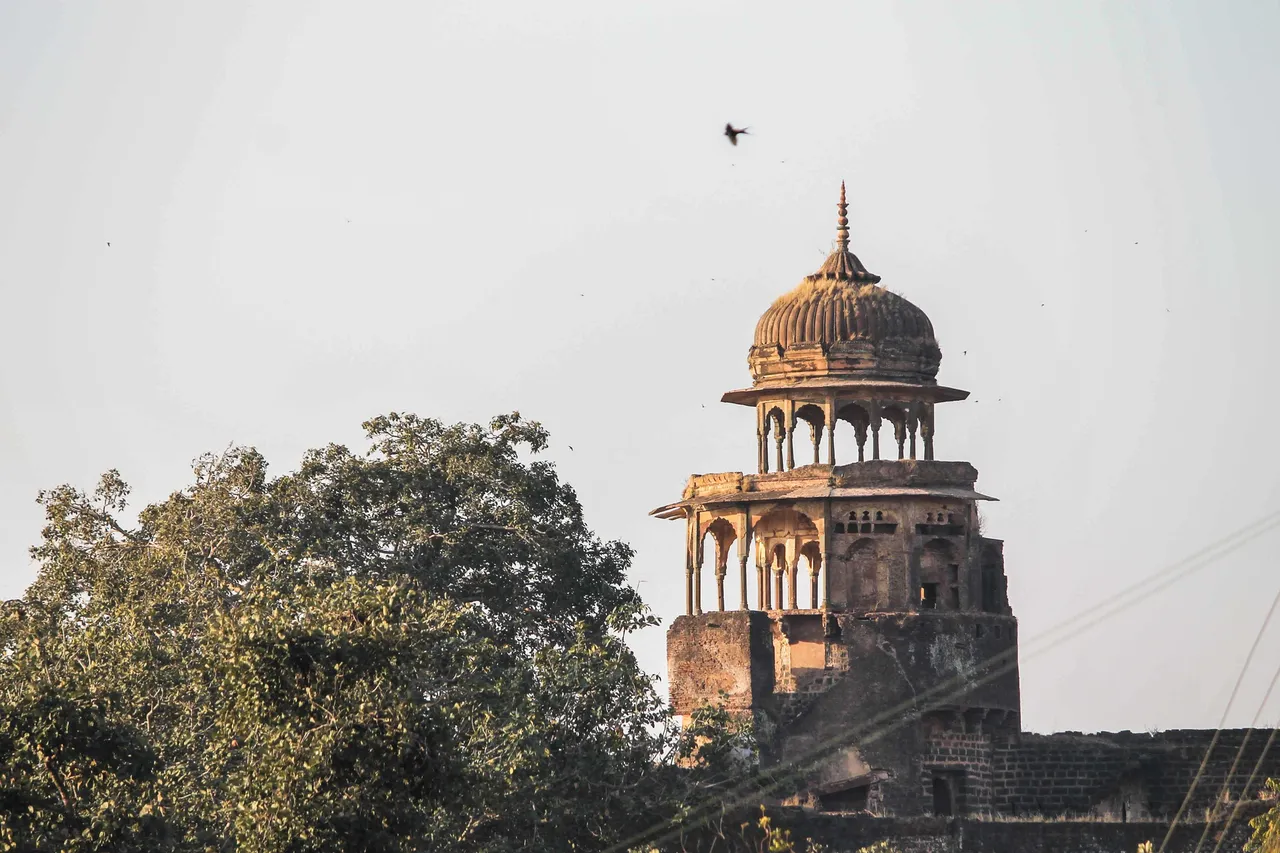
Officially, this is the gateway to Malwa. Culturally, it's a hinge between two worlds—the Malwa plateau and the rugged Bundelkhand. For centuries, it was a crucial administrative node, a fact still etched into the sandstone of Bajranggarh Fort, eight kilometers out of town. That fort isn't a pristine museum piece. It's a local landmark, its history felt more than explained, overlooking fields where the light turns golden and heavy by late afternoon.
The city's pulse beats strongest around Hanuman. The hilltop temple of Tekri Sarkar isn't just a site; it's the reason many people stop here at all. Come during Hanuman Jayanti in April, and the normally steady stream of visitors swells into a river of orange and saffron, a festival that transforms the hill into a temporary city of its own. This isn't performative piety. It's the worn-smooth stone of the steps, the collective intake of breath at sunrise, the tangible weight of a place that has been a focal point for generations.
Budget Friendly
02
Why Guna.
What makes this place worth slowing down for.
temple_hindu
Hilltop Devotion at Tekri Sarkar
The city’s spiritual heart isn't in the town center, but on a hill five kilometers away. Climb Hanuman Tekri at dawn and watch the city wake up beneath you, the silence broken only by the distant chants from the ancient temple.
fort
Bajranggarh's Echoes
This hilltop fort, 8km from Guna, was once a regional administrative center. Now its quiet ruins offer panoramic views and a tangible sense of the district’s layered history, far from the main pilgrimage traffic.
nature
A Slow, Local Circuit
Guna rewards the patient traveler with a simple loop: the pilgrimage hill, the old fort, and the Gopi Krishan Sagar Dam for a quiet moment by the water. It’s a day-long, distinctly local itinerary you won't find in a glossy brochure.
03
Places to Visit.
Not every monument, just the ones we'd walk you past ourselves.
Editor's pick
01 · Place
Bajrangarh Fort
Locals once tore into Bajrangarh Fort's walls hunting a philosopher's stone. Free to enter, open daily 5 AM–11 PM, 10 km from Guna, Madhya Pradesh.
Where to wander, by quarter — each with its own rhythm.
01
Hanuman Tekri & Surrounds
Less a neighborhood, more a spiritual precinct that defines the city's skyline. The five-kilometer approach road from the district headquarters is part of the ritual. At dawn, the hill is a silhouette against a pale sky; by sunset, it glows. The temple complex itself is ancient, but the experience is immediate—the sound of bells, the view over Guna's rooftops, the palpable focus of the pilgrims. The real character is in the journey up and the quiet moment at the top.
02
Bajranggarh
A separate settlement about eight kilometers from Guna's center, orbiting around its namesake fort and the striking Bis Bhuja Devi Mandir. This is where Guna's past as a regional power center feels most solid. The fort walls are for wandering, not guided tours. The temple, dedicated to the 20-armed goddess, draws its own devoted stream of visitors. The air here is different—clearer, quieter, charged with a older, more martial history than the market town below.
03
Pagara (Vipassana Centre)
An entirely different world. The Dhamma Guna Vipassana Centre sits in quiet, rural isolation, a place defined by silence and simple routine. Visitors come for ten-day courses, following a schedule of meditation that begins at 4:30 a.m. The 'neighborhood' is the center's campus: simple dormitories, a meditation hall, walking paths. It exists for one purpose. The atmosphere is one of intense, shared introspection, a stark and deliberate contrast to the sensory buzz of the city.
04
Gopi Krishan Sagar Dam Area
Guna's local leisure zone. On weekends, families spread picnics on the grassy banks overlooking the reservoir. It's a place for flying kites, eating snacks from vendors, and watching the water reflect the vast central Indian sky. The dam itself is a functional piece of infrastructure, but the space around it has been claimed for relaxation. Go for the light late in the day, for the simple pleasure of watching boats drift, and for a glimpse of how the city unwinds.
08
Where to Eat.
Where locals actually book dinner — not the tourist menus.
Hotel Varun
Fine dining
€€
Hotel Varun
★ 4.1View
Pizza Galleria Guna
Local favorite
€€
Pizza Galleria Guna
★ 4.6View
The Food Square
Local favorite
€€
The Food Square
★ 4.4View
Pitambra Kachori
Quick bite
€
Pitambra Kachori
★ 4View
Legendary Cafe
Cafe
€
Legendary Cafe
★ 4.1View
Hotel Rajshree & Restaurant ||
Local favorite
€€
Hotel Rajshree & Restaurant ||
★ 3.8View
09
Insider tips.
Small things that change how the city treats you.
wb_sunny
Visit at sunrise
The hilltop temples like Hanuman Tekri are best experienced early. You'll avoid the midday heat and catch the morning puja, when the air is cooler and the light is soft.
directions_bus
Hire a local driver
Attractions are spread 5-8 km outside the city. A day's auto-rickshaw or car hire is more efficient than waiting for infrequent public transport. Negotiate the rate before you leave.
festival
Time for Hanuman Jayanti
If you want the city's peak energy, plan for April. The Hanuman Jayanti festival transforms Tekri Sarkar with a massive fair, devotional songs, and thousands of pilgrims.
local_atm
Carry cash
Card payments are rare outside major hotels. Withdraw enough rupees in Guna city for temple donations, market purchases, and local transport. Smaller notes are useful.
water_damage
Check the dam season
Gopi Krishan Sagar Dam is a leisure spot, but its appeal depends on water levels. Visit after the monsoon (October onward) to see it full, not dried up.
volume_off
Respect temple silence
At the Vipassana Centre in Pagara, complete silence is the rule. Even if you're just visiting, dress modestly and be prepared to leave your shoes and phone at the gate.
11
Gallery.
The city, as it actually looks.
A historic view of the Guna railway station in Bhart, showcasing its distinctive Indo-Saracenic architectural style and railway tracks.
Dubey Rahul
The colorful Shri Hanuman Mandir stands as a prominent landmark in Guna, Bhart, showcasing traditional Indian temple architecture.
Teacher1943
The entrance to the Government Girls Higher Secondary School in Guna, Bhart, showcasing its simple architectural design and gated courtyard.
Teacher1943
12
Frequently Asked
Is Guna worth visiting?
It depends on what you're after. Guna isn't packed with world monuments. It's a working Indian district town where you can experience hilltop Hanuman worship, local market rhythms, and a slice of central India most travelers miss. Worth a stop if you're between destinations or want authentic pilgrimage culture.
How many days should I spend in Guna?
One to two days is enough. Spend a day visiting Hanuman Tekri and Bis Bhuja Devi Mandir, with an afternoon at the dam or fort. A second day lets you explore the Saharia tribal culture or visit the meditation centre without rushing.
How do I get around Guna?
Auto-rickshaws and hired cars are your main options. The key sights are several kilometers from the city center. For a full day of temple-hopping, hire a vehicle for a fixed rate—it's cheaper and more reliable than finding rides for each leg.
Is Guna safe for tourists?
Yes, it's generally safe. Exercise standard precautions: avoid isolated areas after dark, keep valuables secure, and be mindful in crowded temple areas during festivals. The biggest risk is probably the summer heat, not crime.
What is Guna famous for?
Guna is famous locally for Hanuman Tekri, its hilltop monkey god temple that draws pilgrims from across the region. The district brands itself as the 'Gateway to Malwa,' marking a cultural shift between central India's historical regions.
What is the best time to visit Guna?
Visit between October and March. The weather is cool and dry, perfect for climbing temple hills. Avoid the scorching summer (April-June). April has the Hanuman Jayanti festival, but you'll trade cultural intensity for intense heat.
Ready to book?
13Before you go
Practical Information
Flight
Getting There
Guna is a railway town first. The Guna Junction (GUNA) station is on the main Delhi-Chennai line, with frequent connections to Bhopal (3-4 hours) and Delhi (8-9 hours). The nearest airport with scheduled commercial service is Raja Bhoj Airport (BHO) in Bhopal, about 185km away. National Highway 46 connects the city to Shivpuri and Ashoknagar.
Directions transit
Getting Around
Auto-rickshaws are the default mode for point-to-point trips within the city. For sites like Hanuman Tekri or Bajranggarh Fort, you'll need to hire one for a half-day or full-day round trip, agreeing on the fare upfront. There's no formal metro, tram, or tourist transport pass system here.
Thermostat
Climate & Best Time
Summers (April-June) are hot, with temperatures regularly hitting 40°C (104°F). The monsoon (July-September) brings heavy, humid rains. Winter (October to March) is mild and dry, with daytime highs around 25°C (77°F) and cooler nights. Visit between October and February. The peak tourism period centers on Hanuman Jayanti in April.
Translate
Language & Currency
Hindi is the primary language for daily life and administration. The local accent and dialect show influences from both Malwa and Bundelkhand regions. The currency is the Indian Rupee (INR). Credit cards are accepted in some larger hotels and stores, but cash is king for markets, transport, and temple donations.
Take Guna with you
47 minutes of Guna, downloaded once.
1 places, one continuous walking route. Free with your first city.
Strictly necessary cookies keep navigation working. Analytics cookies (PostHog, Google Analytics) help us learn which pages work — aggregate only, no ads, no selling. You can change this any time from the footer.
Privacy
Cookie preferences
Pick what you're okay with. You can change this any time from the footer.
Strictly necessary
Always on
Sign-in, language, navigation. Always on.
Product analytics
PostHog and Google Analytics, aggregate usage only. Helps us see which pages work and which need fixing. No selling, no ads.
Marketing
Off today. Reserved if we ever run paid acquisition. We will ask again before turning it on.