
Visiting Willingdon Dam - History, Tickets, and Tips for Junagadh’s Iconic Site
The Willingdon Dam, a testament to architectural ingenuity and historical significance, stands tall on the outskirts of Junagadh, Gujarat. Its story intertwines with the region's need for water conservation and the vision of its rulers, making it more than just a dam; it's a symbol of resilience and progress. This guide covers everything you need to know about visiting Willingdon Dam, including its history, ticket information, and travel tips.
Early 20th Century - The Genesis of an Idea
The early 20th century saw Junagadh grappling with recurring water shortages. The region, though blessed with natural beauty, was prone to droughts, impacting agriculture and daily life. Recognizing the urgency, the then ruler of Junagadh, Nawab Rasul Khanji, envisioned a solution - a dam to harness the waters of the Kalwa River.
1925 - Laying the Foundation Stone
The year 1925 marked a pivotal moment in the history of Willingdon Dam. The foundation stone was laid, signifying the commencement of this ambitious project. The dam was named in honor of Lord Willingdon, the then Viceroy of India, reflecting the era's political landscape.
1931 - A Vision Realized
After six years of meticulous planning and construction, the Willingdon Dam was completed in 1931. This remarkable feat of engineering was a collaborative effort, with M/s Gammon India Limited undertaking the construction. The dam, built using the gravity method, showcased the era's advanced engineering prowess.
Architectural Significance - A Blend of Functionality and Aesthetics
The Willingdon Dam is not just an engineering marvel but also an architectural delight. Built with locally sourced sandstone, the dam seamlessly blends with its natural surroundings. Its design, characterized by graceful curves and sturdy buttresses, reflects a harmonious balance between functionality and aesthetics.
The Dam's Impact - Transforming Junagadh's Landscape
The completion of the Willingdon Dam ushered in an era of prosperity for Junagadh. The dam's reservoir, now known as Willingdon Lake, became a lifeline for the region. It provided a consistent water supply, irrigating vast tracts of land and boosting agricultural productivity.
Beyond Irrigation - A Multifaceted Resource
The Willingdon Dam's impact extended beyond irrigation. It played a crucial role in:
- Hydroelectric Power Generation The dam's hydroelectric power plant, though modest in scale, contributed to the region's power supply.
- Flood Control The dam regulated the flow of the Kalwa River, mitigating the risk of floods during the monsoon season.
- Tourism The dam's scenic beauty and the surrounding lake transformed the area into a popular tourist destination.
Visitor Information - Tickets, Hours, and Travel Tips
Willingdon Dam Visiting Hours: The dam is open to visitors from 9 AM to 6 PM daily.
Willingdon Dam Tickets: Entry to the dam is free. However, guided tours may have a nominal fee.
Travel Tips:
- Best Time to Visit The best time to visit is during the winter months (November to February) when the weather is pleasant.
- Nearby Attractions Don’t miss visiting the Uperkot Fort, Gir National Park, and Mahabat Maqbara.
- Accessibility The dam is accessible by road, with ample parking available for visitors.
Special Events and Guided Tours
The Willingdon Dam occasionally hosts special events such as educational tours and local festivals. Guided tours are available, offering in-depth knowledge about the dam's history and engineering.
Best Spots for Photography
For photography enthusiasts, the dam and its surrounding areas offer stunning vistas, especially during sunrise and sunset. The vantage points along the dam provide excellent opportunities for capturing the scenic beauty.
Post-Independence - A Continued Legacy
After India's independence in 1947, the Willingdon Dam continued to be a vital resource for Junagadh and its surrounding areas. The dam's management came under the purview of the Gujarat Irrigation Department, ensuring its continued operation and maintenance.
Renovation and Modernization - Preserving a Legacy
Over the decades, the Willingdon Dam has undergone several renovations and modernization efforts to enhance its structural integrity and operational efficiency. These initiatives have ensured the dam's continued service to the region, preserving its legacy for generations to come.
FAQ Section
Q - What are the visiting hours for Willingdon Dam? A - The dam is open from 9 AM to 6 PM daily.
Q - Is there an entry fee for Willingdon Dam? A - Entry is free, but guided tours may have a small fee.
Q - What are some nearby attractions? A - Nearby attractions include Uperkot Fort, Gir National Park, and Mahabat Maqbara.
Exploring Willingdon Dam - History, Visiting Hours, Tickets, and More
Introduction
The Willingdon Dam, beyond its architectural grandeur, holds immense significance for the people of Junagadh and the surrounding regions. Its construction marked a turning point in the region's history, ushering in an era of prosperity and development. This article delves into the historical and cultural relevance of the Willingdon Dam, while also providing essential visitor information such as visiting hours, ticket prices, and travel tips.
Significance and Cultural Relevance
Lifeline of a Region
The dam's most crucial role is as a vital source of water for irrigation and drinking. Before its construction, the region often faced water scarcity, impacting agriculture and daily life. The dam's reservoir, now known as Lake Kalwa, transformed the landscape, turning arid lands fertile and ensuring a consistent water supply for Junagadh city and nearby villages. This dependable water source has been instrumental in the region's economic growth, particularly in agriculture.
A Testament to Visionary Leadership
The Willingdon Dam stands as a testament to the vision of Maharaja Sir Bhagvatsinhji, the ruler of the former princely state of Junagadh, who commissioned its construction. His foresight in recognizing the need for a reliable water source and his commitment to improving his people's lives are evident in this enduring structure. The dam's name, a tribute to the then Viceroy of India, Lord Willingdon, reflects the historical context and the relationship between the princely states and the British Raj.
A Cultural Hub and Tourist Destination
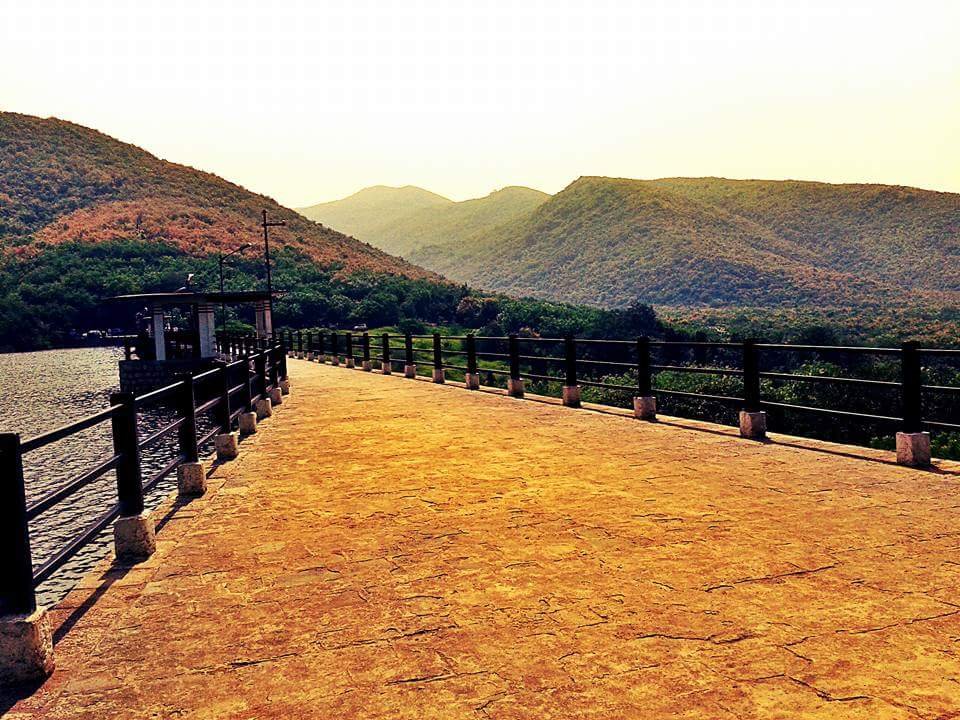
Over the years, the Willingdon Dam has evolved into a popular tourist destination, attracting visitors with its scenic beauty and recreational opportunities. The serene lake, surrounded by lush greenery and the majestic Girnar Hills in the backdrop, offers a picturesque setting for a peaceful retreat. The dam's gardens, particularly the step-well gardens, showcase architectural brilliance and provide a glimpse into the region's rich heritage.
Religious Significance
Adding to its cultural relevance, the Willingdon Dam is also closely associated with religious beliefs. The presence of ancient temples like the Datar Hill Temple, accessible by a boat ride across the lake, highlights the site's spiritual importance. These temples attract devotees and pilgrims, further intertwining the dam with the region's cultural and religious fabric.
A Symbol of Progress and Harmony
The Willingdon Dam stands as a symbol of progress and harmony. Its construction brought together skilled engineers and local laborers, showcasing a collaborative spirit. Today, the dam continues to serve as a common resource, fostering a sense of unity and shared prosperity among the people it benefits.
Conservation Efforts and Environmental Impact
While the Willingdon Dam has undoubtedly brought numerous benefits, it's crucial to acknowledge its environmental impact. The dam's construction altered the natural flow of water, impacting the local ecosystem. However, recognizing the importance of ecological balance, efforts are underway to mitigate any negative effects and promote sustainable practices.
Educational Value
The Willingdon Dam serves as a valuable educational site, offering insights into engineering marvels, water management techniques, and the region's history. Educational tours and visits by students and researchers contribute to a deeper understanding of the dam's significance and its impact on the surrounding environment and communities.
Visitor Information
Visiting Hours
The Willingdon Dam is open to visitors from 9 AM to 6 PM daily. It is advisable to check for any changes in timings during festivals or maintenance periods.
Ticket Prices
Entry tickets are priced at INR 50 for adults and INR 25 for children. Special discounts are available for groups and senior citizens.
Travel Tips
- Best time to visit The ideal time to visit the Willingdon Dam is during the monsoon season (July to September) when the reservoir is full, and the surrounding greenery is at its peak.
- How to reach The dam is easily accessible by road from Junagadh city. Local buses and taxis are available for transportation.
- Nearby attractions Don't miss nearby attractions such as the Girnar Hills, Uperkot Fort, and the Mahabat Maqbara.
Accessibility
The Willingdon Dam is accessible to visitors with disabilities. Ramps and designated parking spaces are available.
FAQ
-
What are the visiting hours for the Willingdon Dam? The dam is open from 9 AM to 6 PM daily.
-
How much are the tickets to visit the Willingdon Dam? Tickets are priced at INR 50 for adults and INR 25 for children.
-
What is the best time to visit the Willingdon Dam? The best time to visit is during the monsoon season (July to September).
-
What attractions are near the Willingdon Dam? Nearby attractions include the Girnar Hills, Uperkot Fort, and Mahabat Maqbara.
Explore Willingdon Dam and Nearby Attractions in Junagadh - Visitor Info, Tips, and More
Introduction
Willingdon Dam, located in Junagadh, India, is not only a serene spot for nature lovers but also a gateway to a plethora of historical and cultural sites. Whether you're interested in wildlife, ancient architecture, or scenic hikes, Junagadh has something to offer for everyone. In this guide, we'll cover key attractions around Willingdon Dam, essential visitor information, and tips to make your visit memorable.
Tourist Attractions and Nearby Facilities
Attractions around Willingdon Dam
-
Sakkarbaug Zoological Garden (Junagadh Zoo) Located just a short distance from the dam, this zoo is renowned for its conservation efforts and diverse collection of animals. Established in 1863, it's one of the oldest zoos in India and houses a variety of species, including Asiatic lions, tigers, leopards, and many bird species. (source)
-
Uparkot Fort Journey back in time with a visit to this ancient fort, a testament to Junagadh's rich history. Within its walls, you'll find step-wells, Buddhist caves, and the impressive Adi-Kadi Vav, a remarkable step-well dating back to the 10th century. (source)
-
Mahabat Maqbara Marvel at the intricate architecture of this 19th-century mausoleum complex, a blend of Indo-Islamic, European, and Gothic styles. The intricate carvings, towering minarets, and serene ambiance make it a photographer's delight. (source)
-
Ashok's Rock Edicts Discover a piece of ancient Indian history at this UNESCO World Heritage Site. Carved into a boulder, these edicts date back to the 3rd century BCE and contain inscriptions from Emperor Ashoka, promoting peace and non-violence. (source)
-
Girnar Hill For the adventurous, a hike up Girnar Hill offers breathtaking panoramic views of Junagadh and the surrounding countryside. This sacred hill is home to numerous Jain and Hindu temples, making it a significant pilgrimage site. (source)
Nearby Facilities
-
Accommodation Junagadh offers a range of accommodation options to suit different budgets, from budget-friendly guesthouses to heritage hotels and comfortable resorts. Many of these are conveniently located near the dam and other attractions.
-
Dining Savor the flavors of Gujarat at the various restaurants and eateries in Junagadh. From traditional Gujarati thalis to street food stalls serving local delicacies like fafda and dhokla, there's something to satisfy every palate.
-
Transportation Junagadh is well-connected by road and rail. Local transportation options like auto-rickshaws and taxis are readily available for getting around the city and visiting nearby attractions.
-
Shopping Take home a piece of Junagadh by browsing the local markets for handicrafts, textiles, and souvenirs. The city is known for its bandhani work (tie-dye textiles) and silver ornaments.
Essential Visitor Information
-
Willingdon Dam Visiting Hours The dam is generally open to visitors from 8 AM to 6 PM. It's best to check with local sources for any changes in timings.
-
Willingdon Dam Tickets Entry to the dam is usually free, but some surrounding attractions may have their own ticketing systems. Verify ticket prices and availability before you go.
Tips for Visiting Willingdon Dam and Junagadh
-
Best Time to Visit The winter months (October to March) offer the most pleasant weather for exploring Junagadh and the dam.
-
Respect the Environment The dam and its surroundings are home to diverse flora and fauna. Refrain from littering and maintain cleanliness to preserve the natural beauty.
-
Dress Code While visiting religious sites like temples on Girnar Hill, dress modestly as a mark of respect.
-
Photography Capture the beauty of the dam and other attractions, but be mindful of any restrictions on photography, especially at religious sites.
-
Local Etiquette Learn a few basic Gujarati phrases to enhance your interactions with locals. Bargaining is customary in local markets.
-
Stay Hydrated Carry sufficient water, especially when exploring outdoor attractions like Girnar Hill.
-
Plan Your Itinerary Junagadh offers a blend of history, culture, and natural beauty. Plan your itinerary in advance to make the most of your visit.
FAQ
-
What are the visiting hours for Willingdon Dam? The dam is generally open from 8 AM to 6 PM, but it's advisable to check for any updates.
-
How much do tickets cost for Willingdon Dam? Entry to the dam is usually free, but some nearby attractions may have their own ticket fees.
Summary and Key Points
The Willingdon Dam stands as a testament to the vision and perseverance of its creators, transforming Junagadh's landscape and bringing prosperity to the region. Its multifaceted role extends beyond water conservation to include hydroelectric power generation, flood control, and tourism. The dam's architectural elegance, combined with its historical and cultural significance, makes it a noteworthy landmark. Efforts to preserve and modernize the dam ensure its continued service and legacy for future generations. Visitors can immerse themselves in the rich history and scenic beauty of the dam, making it a must-visit destination in Junagadh. For the latest updates and more information, follow us on social media or download our mobile app Audiala. (source, source)