Ancient Roots and Aryan Civilization
Gorakhpur’s antiquity stretches back to the 6th century BCE as part of the Koshal kingdom, a crucial center in Aryan civilization. It is historically linked to rulers like Ikshvaku of the Solar Dynasty, whose lineage includes Lord Rama. The city’s region has also been a confluence point for Buddhist and Jain philosophies, with legends of Lord Buddha’s renunciation and connections to Jain Tirthankaras.
Medieval Era and Gorakhnath
The city’s name is derived from Guru Gorakhnath, an influential yogi and the founder of the Nath Sampradaya. The Gorakhnath Temple, established here, remains a pivotal center for spiritual seekers, drawing devotees from across India and Nepal.
Colonial and Modern Development
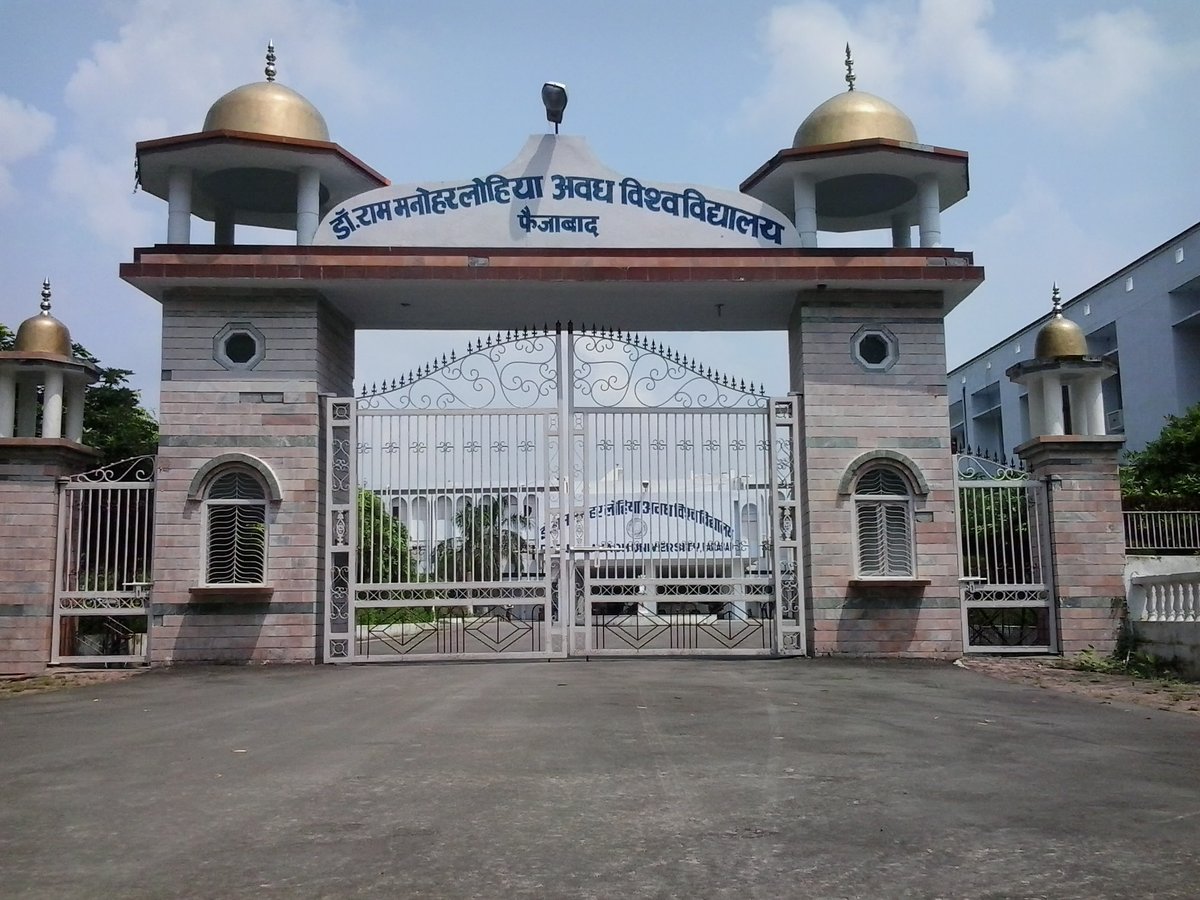
In the colonial period, Gorakhpur became a British administrative and military hub, later evolving into an educational and cultural center with institutions like Deen Dayal Upadhyaya Gorakhpur University.
Key Historical and Spiritual Sites
Gorakhnath Temple
- Significance The spiritual heart of Gorakhpur and a major pilgrimage destination for followers of the Nath tradition.
- Visiting Hours 5:00 AM – 9:00 PM daily
- Entry Fee Free
- Highlights Ancient architecture, daily rituals, meditation halls, annual Khichdi Mela, spiritual discourses
- Accessibility Wheelchair accessible, with facilities for differently-abled visitors
- Guided Tours Available on request at the temple office
- Photography Permitted in outdoor areas; restricted inside the sanctum
For updated event schedules and visitor guidelines, visit the official Gorakhnath Temple website.
Gita Press
- Significance The world’s largest publisher of Hindu religious texts, fostering spiritual education and cultural preservation since 1923.
- Visiting Hours 9:00 AM – 5:00 PM (Closed Sundays and public holidays)
- Entry Fee Free
- Highlights Museum with rare manuscripts and vintage printing equipment; subsidized religious texts available for purchase
- Guided Tours Available for groups by prior appointment
Imambara
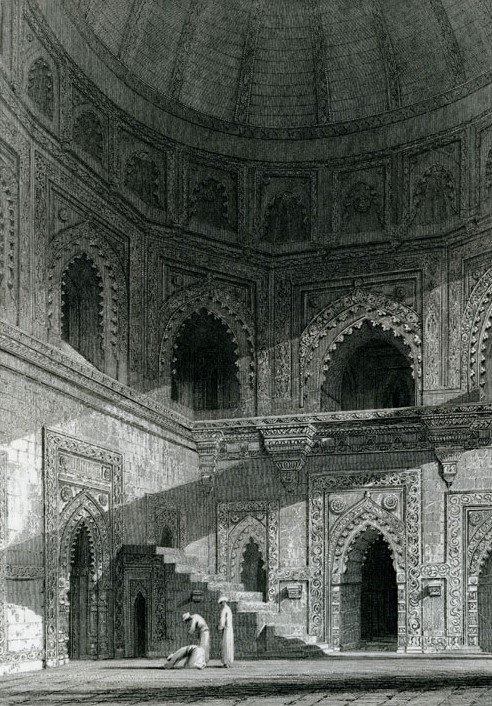
- Significance An 18th-century Shia Muslim congregation hall, central to the city’s Islamic community.
- Visiting Hours 8:00 AM – 6:00 PM (outside prayer times)
- Entry Fee Free
- Highlights Muharram observances, stucco work, large prayer hall
- Visitor Etiquette Modest dress required; non-Muslims are welcome
Ramgarh Tal Lake
- Significance A scenic 700-hectare lake ideal for leisure, recreation, and festivals.
- Visiting Hours 6:00 AM – 8:00 PM
- Entry Fee Free
- Activities Boating, picnics, photography
- Accessibility Wheelchair accessible
Vishnu Temple
- Significance An ancient shrine known for its architecture and serene ambiance.
- Visiting Hours 6:00 AM – 7:30 PM
- Entry Fee Free
- Highlights Traditional architecture, festival celebrations
Railway Museum
- Significance Chronicles Gorakhpur’s railway heritage, located near the railway station.
- Visiting Hours 10:00 AM – 6:00 PM (Closed Mondays)
- Entry Fee INR 30 (adults), INR 15 (children)
- Highlights Vintage locomotives, interactive exhibits
Nehru Park
- Significance A popular urban park for relaxation and community events.
- Visiting Hours 5:00 AM – 9:00 PM
- Entry Fee Free
- Facilities Play areas, jogging tracks, fountains
Religious Heritage and Festivals
Diverse Temples and Shrines
Gorakhpur’s spiritual landscape includes temples such as Tarkulhi Devi Mata Mandir, Geeta Vatika, Golghar Kali Mandir, Budhiya Mai Mandir, and Lehra Devi Temple. Each is associated with unique legends, festivals, and rituals, welcoming visitors for meditation, prayer, and cultural immersion (TripXL).
Islamic and Buddhist Centers
The Imambara is a focal Islamic site, especially during Muharram and Eid. For Buddhists, the city’s proximity to Kushinagar—a site of Buddha’s Mahaparinirvana—makes Gorakhpur a gateway for spiritual journeys (Facts.net).
Major Festivals
- Khichdi Parv (January) Mass gathering at Gorakhnath Temple with fairs and cultural shows
- Chhath Puja Celebrated at riverbanks and temples
- Navratri, Diwali, Durga Puja Marked by vibrant processions and feasts
- Muharram, Eid Observed at Imambara with communal prayers
Cultural Traditions and Local Artistry
Folk Music, Dance, and Handicrafts
The city’s festivals are enlivened with traditional music, dance, and theater. Gorakhpur is known for its brassware, handloom textiles, and terracotta crafts, echoing its rich artistic legacy (Facts.net).
Interfaith Harmony
Gorakhpur exemplifies peaceful coexistence, where temples, shrines, and mosques are celebrated collectively, and religious festivals often involve participation across communities (Audiala).
Practical Visitor Information
How to Reach
- By Air Mahayogi Gorakhnath Airport (GOP), 8 km from city center, with connections to Delhi, Mumbai, Kolkata (Treebo).
- By Rail Gorakhpur Junction is a major railway hub, centrally located (Aha Holidays).
- By Road Well-connected via highways and regular bus services (TravelTriangle).
Local Transport
- Taxis, auto-rickshaws, and cycle-rickshaws are widely available (Trip.com).
- Public buses serve local and nearby routes, though taxis and rickshaws are more convenient for tourists.
Best Time to Visit
- November–March Cool, pleasant weather ideal for exploration and festivals (Treebo; TravelTriangle).
- April–June Hot summer; limit outdoor activities to mornings and evenings.
- July–September Monsoon season; lush landscapes but potential travel delays.
Accommodation
Options range from luxury hotels (Radisson Blu, Clarks Grand) to budget guesthouses near the railway station (TravelTriangle; Trip.com). Advance booking is advised during festivals.
Food and Dining
Gorakhpur boasts North Indian, Mughlai, and Purvanchali cuisine. Popular eateries include Bryn Flavours, Cinnamon Restaurant, and Barbeque Nation. Street food like chaat, samosas, and jalebi is a must-try (Way to India).
Shopping
- Golghar Main commercial hub for essentials and souvenirs
- Bakshipur Market Traditional wares and handicrafts
- Gita Press Renowned for religious books (Way to India).
Health and Safety
- Gorakhpur is generally safe, but standard precautions apply: avoid isolated areas at night and keep valuables secure.
- Drink bottled or filtered water to avoid illness (Aha Holidays).
Accessibility
- Major temples and attractions offer basic wheelchair access. Older sites may have limited accessibility.
- Gorakhpur serves as a key transit point to Nepal, with the Sunauli border 90 km away (Aha Holidays).
Currency and Payments
- Currency Indian Rupee (INR)
- ATMs Readily available
- Payments Credit/debit cards accepted at major establishments; carry cash for small purchases.
Local Customs and Etiquette
- Dress modestly at religious sites; remove shoes before entering temples (TravelTriangle).
- Photography Ask permission before photographing people or inside shrines.
- Festival Participation Join respectfully in local celebrations and processions.
Suggested Itinerary
A 2-day trip allows you to experience Gorakhnath Temple, Imambara, Ramgarh Tal, Gita Press, and the city’s markets. Extend your stay to visit Kushinagar or explore handicraft villages (TravelTriangle).
Emergency Contacts
- Police 100
- Ambulance 102
- Fire 101
- Tourist Helpline Available at major hotels and the railway station
Frequently Asked Questions (FAQs)
Q1: What are the visiting hours for Gorakhnath Temple?
A1: 5:00 AM – 9:00 PM daily.
Q2: Are there entry fees for major attractions?
A2: Most temples and parks are free; Railway Museum charges a nominal fee.
Q3: Is photography allowed at historical sites?
A3: Permitted in outdoor areas; restricted inside sanctums. Always ask before photographing people.
Q4: How do I reach major attractions?
A4: Taxis, auto/cycle-rickshaws, and local buses are readily available.
Q5: Are guided tours available?
A5: Yes, especially at Gorakhnath Temple and Gita Press. Inquire at the temple office or book in advance.