Trip Planning Date: 13/08/2024
Captivating Introduction
Welcome to Gorakhpur, a city where history, spirituality, and nature converge in an enchanting symphony. Imagine walking through a place where the whispers of ancient Aryan civilizations echo through the streets, and the scent of incense from centuries-old temples fills the air. Gorakhpur, nestled in the eastern part of Uttar Pradesh, India, is not just a city; it's a vibrant tapestry woven with threads of historical grandeur, cultural richness, and natural beauty. From the legendary tales of the Koshal kingdom in the 6th century B.C. to the pivotal Chauri Chaura incident during India's freedom struggle, Gorakhpur is a treasure trove of stories waiting to be discovered (Gorakhpur District History) (Wikipedia - Gorakhpur District).
But Gorakhpur isn't just about history. It's where spirituality takes center stage with the revered Gorakhnath Temple, a beacon for Hindu devotees, and Kushinagar, the serene site where Lord Buddha attained Mahaparinirvana (Toliday). The city also celebrates its cultural diversity through vibrant festivals and the iconic Gita Press, the world's largest publisher of Hindu religious texts (Medium).
Ready for a sensory adventure? Picture yourself boating on the tranquil waters of Ramgarh Taal Lake, or wandering through the lush trails of Kushmi Forest, where the calls of exotic birds create a natural symphony (Shrine Yatra). Whether you're a history buff, a spiritual seeker, or a nature enthusiast, Gorakhpur has something to offer.
So, grab your walking shoes, open your heart to new experiences, and let Gorakhpur's timeless charm captivate you. This guide will take you through the city's historical landmarks, spiritual sites, natural wonders, and local secrets, ensuring you don't miss a thing. And for an even richer experience, download the Audiala app, your perfect companion to uncover Gorakhpur's hidden gems and stories.
Explore Gorakhpur
Historical Background of Gorakhpur
Ever wondered where the world's largest publisher of Hindu religious texts calls home? Welcome to Gorakhpur, a city in eastern Uttar Pradesh, India, where history whispers through its ancient ruins, medieval forts, colonial buildings, and bustling marketplaces. Let's dive into the rich tapestry of Gorakhpur's past, where each era adds a vibrant thread to the city's story.
Ancient Period
Picture this: It's the 6th century B.C., and you're walking through Gorakhpur Janpad, an essential center of Aryan culture and civilization. This area was part of the Koshal kingdom, one of the sixteen Mahajanapadas. Imagine meeting Ikshvaku, the founder of the solar dynasty of Kshatriya, and hearing tales of his descendant, the legendary Ram, whose heroics still echo through the ages (Gorakhpur District History).
Medieval Period
Fast forward to the medieval period, where Gorakhpur faced waves of invasions and control by Muslim rulers. Imagine the drama as Ala-ud-din Khilji (1296-1316) orders the conversion of the old shrine of Goraksha into a mosque. By Akbar’s time, Gorakhpur had become one of the five Sirkars of Avadh province, marking its importance in the Mughal Empire (Gorakhpur History).
Mughal Period
By the late 1500s, Gorakhpur was buzzing as a prominent town. Envision a bustling Mughal garrison here in 1572, governed by Payanda Khan under Munim Khan, subahdar of Jaunpur. The Ain-i-Akbari (c. 1595) even lists Gorakhpur as the capital of a sarkar in the subah of Awadh, with significant revenue and military contributions (Wikipedia - Gorakhpur).
British Colonial Period
The British era kicked off in 1801 when the Nawab of Awadh ceded Gorakhpur to the British East India Company. Imagine the administrative hustle as the city was elevated to a district and Mr. Routledge became the first collector. By 1829, Gorakhpur was the headquarters of a division, reflecting its growing administrative significance (Gorakhpur District History).
Chauri Chaura Incident
One of Gorakhpur's most dramatic moments? The Chauri Chaura incident of 1922. Picture a fierce clash between police and protesters, leading to the death of several policemen and prompting Mahatma Gandhi to call off the Non-Cooperation Movement. This event marked Gorakhpur as a pivotal site in India's freedom struggle (Wikipedia - Gorakhpur District).
Post-Independence Period
Post-independence, Gorakhpur continued to shine as a hub of administration and culture. In 1865, Basti district was carved out, followed by Deoria in 1946 and Mahrajganj in 1989. These changes reflect the region’s importance and need for localized governance (Gorakhpur District History).
Cultural and Historical Significance
Gorakhpur isn't just about history; it's a cultural powerhouse. The Gorakhnath Math temple, dedicated to the ascetic Gorakhnath, attracts thousands of devotees annually. And let's not forget Gita Press, established in 1926, the world's largest publisher of Hindu religious texts like the Ramayana and Mahabharata (Wikipedia - Gorakhpur).
Historical Sites and Monuments
Gorakhpur is a treasure trove of historical landmarks. The 10th-century Mansarowar and Kauladah tanks, built by a royal couple, are must-visits. The Domingarh fort at the confluence of the Rapti and Rohin rivers and the splendid Imambara of Gorakhpur showcase the city’s architectural brilliance (Wikipedia - Gorakhpur).
Modern Developments
Today, Gorakhpur is a bustling center of industry and trade in agricultural products. Imagine the hum of textile making, printing, sugar milling, and railroad maintenance. The city is a transportation hub with a small regional airport and Deen Dayal Upadhyaya Gorakhpur University, which runs an archaeological museum (Britannica - Gorakhpur).
Visitor Tips
Ready to explore? Start at the Gorakhnath Temple and Gita Press. Dive into the city’s railway history at the Railway Museum. Marvel at the medieval Imambara and ancient tanks of Mansarowar and Kauladah. Don’t miss the Chauri Chaura memorial to grasp Gorakhpur’s role in India’s independence movement. Try using local lingo like “Ka hal ba?” (How are you?) to immerse yourself in the culture!
Myth Busting and Surprises
Did you know? Gorakhpur isn't just about temples and texts. It’s also home to an annual funfair that attracts visitors from across the region. And here’s a surprise: local legend has it that a hidden treasure is buried somewhere in the city, waiting to be discovered.
Discover More
So, what are you waiting for? Pack your bags, download the Audiala app, and let it guide you through the historical wonders of Gorakhpur. Your adventure through time awaits!
Cultural and Religious Significance of Gorakhpur
Unveiling Gorakhpur: A Tapestry of History and Spirituality
Welcome to Gorakhpur, a city where ancient history and vibrant spirituality weave a rich tapestry. Nestled in the northern Indian state of Uttar Pradesh, Gorakhpur is a melting pot of cultures, religions, and traditions that beckon travelers with promises of timeless stories and serene sanctuaries.
Historical Context
Picture this: It's the early 19th century, and Gorakhpur has just become a district under the British East India Company, having been transferred from the Nawab of Awadh. Fast forward to 1829, and Gorakhpur emerges as the headquarters of a division encompassing Gorakhpur, Ghazipur, and Azamgarh (Wikipedia). Over the years, the creation of new districts like Basti (1865), Deoria (1946), and Maharajganj (1989) reshaped the administrative landscape, yet Gorakhpur's core remained a steadfast beacon of historical significance (Medium).
Religious Significance
Hinduism
Ever heard of Gorakshanath? This revered saint, also known as Gorakhnath, is a central figure in the Nath tradition of Hinduism. Believed to have lived during the 11th and 12th centuries, Gorakhnath founded the Nath Sampradaya, a spiritual order dedicated to yoga and meditation (Toliday). The Gorakhnath Temple, perched on Gorakhnath Hill, is a pilgrimage hotspot, drawing devotees from all over India who seek blessings and spiritual solace.
Buddhism
Gorakhpur whispers tales of Buddha's final journey. Just 53 kilometers away lies Kushinagar, the sacred site where Gautama Buddha attained Mahaparinirvana. This pilgrimage destination is adorned with monasteries, stupas, and temples that celebrate the life and teachings of Buddha (Toliday). And let's not forget Nagarjuna, the 2nd-century Buddhist monk whose teachings on Madhyamaka philosophy still resonate today (Medium).
Jainism
Gorakhpur's spiritual mosaic is incomplete without Jainism. The city is associated with Lord Mahavir, the 24th Tirthankar, adding yet another layer of religious significance to this multifaceted spiritual hub (Medium).
Cultural Significance
Festivals and Celebrations
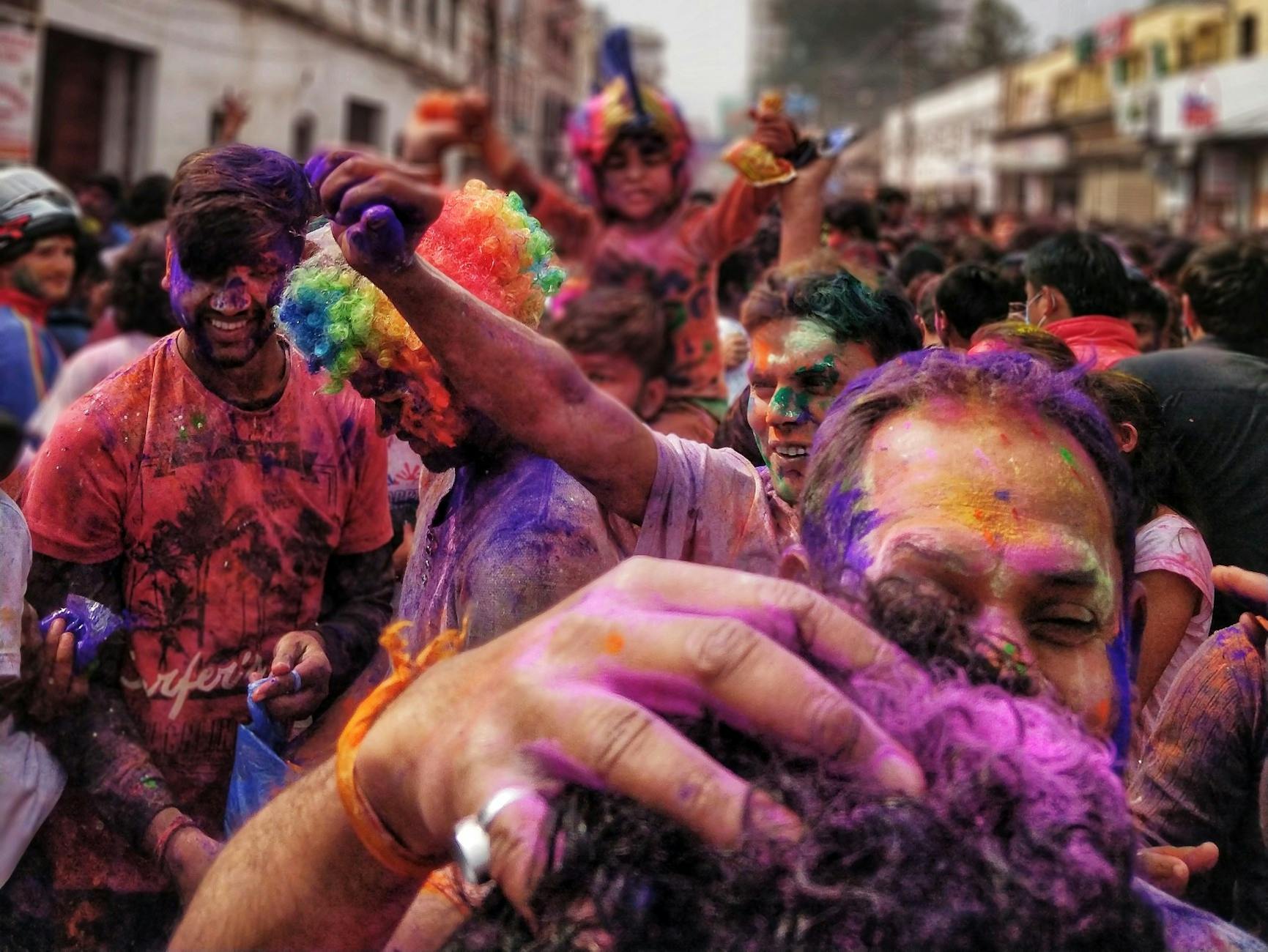
Gorakhpur's streets come alive with a riot of colors and sounds during its festivals. From the exuberant celebrations of Diwali and Holi to the solemn observances of Buddha Purnima, the city's festivals are a testament to its rich cultural diversity (Toliday).
Gita Press
Ever wondered where those beautifully illustrated Hindu religious pamphlets come from? Look no further than Gita Press, established in 1923. This iconic institution has been a cornerstone in the dissemination of spiritual knowledge across India, with its famous 'KALYAN' magazine and a giant marble wall inscribed with the Bhagavad Gita (Medium).
Adventures Await: Visitor Tips
Key Attractions
-
Gorakhnath Temple A spiritual haven with exquisite architecture and a serene ambiance. Feel the devotion in the air as you explore this sacred site (India Travel).
-
Kushinagar A must-visit for Buddhism enthusiasts. The town's monasteries, stupas, and temples offer a profound journey into Buddhist heritage (Toliday).
-
Gita Press Dive into the world of religious literature and history at this iconic press (Medium).
-
Ambedkar Park A tranquil space dedicated to Dr. B.R. Ambedkar, perfect for a reflective stroll (India Travel).
-
Kushmi Forest Nature lovers, rejoice! This green oasis offers a serene escape from the hustle and bustle (India Travel).
Best Time to Visit
October to March is the sweet spot for visiting Gorakhpur, with pleasant weather perfect for sightseeing and outdoor activities. Plus, this period coincides with major festivals, giving you a front-row seat to the city's vibrant celebrations.
Local Cuisine
Don't miss out on the culinary delights! Feast on traditional North Indian dishes and indulge in popular street foods like chaat, samosas, and jalebis.
Discover Gorakhpur: Natural Wonders Await
Gorakhpur, a city brimming with hidden treasures and bustling energy, offers a plethora of natural attractions that promise to captivate your senses. Let's dive into some of the best spots that this vibrant city has to offer!
Ramgarh Taal Lake: A Tranquil Oasis
Imagine a serene lake spanning over 723 hectares, surrounded by lush greenery and the sounds of chirping birds. That's Ramgarh Taal Lake for you! Whether you're in the mood for a peaceful boat ride, a leisurely picnic, or some early morning fishing, this lake offers it all. Don't miss the chance to see local fishermen casting their nets at dawn. For more details, visit Shrine Yatra.
Kushmi Forest: A Wilderness Adventure
Step into the wild at Kushmi Forest, a haven for nature enthusiasts. With its dense flora and fauna, this forest is perfect for those looking to escape the urban hustle. Wander through walking trails, spot vibrant peacocks and parakeets, and don't forget your camera! The mini zoo is a hit with families. Explore more at Treebo.
Maghar Bird Sanctuary: Bird Watcher's Paradise
Calling all bird lovers! Maghar Bird Sanctuary, located just a short drive from Gorakhpur, is home to a dazzling array of bird species. Visit during winter to catch a glimpse of migratory birds like the Siberian crane and painted stork. The best time to visit? Early morning when the birds are most active. Learn more at Facts.net.
Vindhyavasini Park: Urban Green Escape
In the heart of Gorakhpur lies Vindhyavasini Park, a beautifully landscaped haven perfect for morning jogs, yoga sessions, and family picnics. The park’s walking paths and children's play area make it a favorite for locals and visitors alike. Check out Shrine Yatra.
Nehru Entertainment Park: Fun for All Ages
Nehru Entertainment Park is a hub of activities for all ages. From its beautifully landscaped gardens to its boating facilities, there's something for everyone. Kids will love the playground, and the park often hosts cultural events and festivals. Discover more at Treebo.
Pt. Deen Dayal Upadhyay Park: Serenity in the City
Find peace and tranquility at Pt. Deen Dayal Upadhyay Park. With well-maintained lawns, flower beds, and a small pond, it's an ideal spot for morning walks, yoga, and picnics. Escape the city's hustle and bustle here. For details, visit Shrine Yatra.
Kusumhi Vinod Van: Nature's Playground
For a perfect picnic, head to Kusumhi Vinod Van on the city's outskirts. This lush forest offers nature walks, bird watching, and a mini zoo that's sure to delight kids. Wander its walking trails and enjoy a picnic under the trees. More information at Shrine Yatra.
Geeta Vatika: Spiritual Garden
Geeta Vatika, near Asuran Chowk, is dedicated to Lord Krishna and offers a serene environment for meditation and reflection. With manicured lawns, flower beds, and a musical fountain, it's a peaceful retreat. Don’t miss the continuous chanting at the temple. Learn more at TripSavvy.
Government Vidhyavasini Park: Green Haven
Located centrally, Government Vidhyavasini Park is a green oasis perfect for morning jogs, yoga, and family outings. With well-maintained gardens and a children’s play area, it’s a local favorite. Check out Shrine Yatra.
Indira Bal Vihar: Kid's Paradise
Indira Bal Vihar is a delightful park designed specifically for children, featuring swings, slides, and a small pond for paddle boating. Its vibrant environment makes it a hit with families. Discover more at Shrine Yatra.
Premchand Park: Tribute to a Literary Giant
Named after the famous Hindi writer Munshi Premchand, this park offers well-maintained lawns, flower beds, and walking paths. It’s perfect for morning walks and family. Learn more at Shrine Yatra.
Neer Nikunj (Water Park): Splashing Fun
Beat the heat at Neer Nikunj Water Park, featuring a wave pool, water slides, and a lazy river. It’s an ideal spot for a fun-filled day with family and friends. Don’t miss the food stalls and picnic areas. More details at Shrine Yatra.
Arogya Mandir: Wellness Retreat
Arogya Mandir is a unique wellness center offering holistic treatments like yoga, meditation, and naturopathy. It’s a serene retreat for relaxation and rejuvenation. Learn more at Shrine Yatra.
Veer Bahadur Singh Planetarium: Stargazing Fun
For those fascinated by the cosmos, Veer Bahadur Singh Planetarium offers captivating presentations on space and astronomy. It’s a must-visit for curious minds of all ages. Discover more at Treebo.
Insider Tips and Hidden Gems
While visiting these attractions, don't miss out on some lesser-known spots like the quaint little tea shops near Ramgarh Taal or the hidden walking trails in Kushmi Forest. And if you're a foodie, try the local chaat and samosas at the bustling street markets!
Interactive Challenges
Why not make your visit more fun? Challenge yourself to spot at least five different bird species at Maghar Bird Sanctuary or find the oldest tree in Kushmi Forest. Take photos and share your discoveries!
Local Customs and Etiquette
Gorakhpuris are known for their warm hospitality. While visiting, a friendly 'Namaste' goes a long way. Respect local customs, especially when visiting temples and religious sites. Dress modestly and remove your shoes before entering.
Time-Based Itineraries
Morning Itinerary: Start your day with a serene walk at Vindhyavasini Park, followed by a breakfast of local delicacies. Head to Ramgarh Taal for a boat ride and some bird watching.
Afternoon Itinerary: Visit the Kushmi Forest for a nature walk and picnic lunch. Spend your afternoon at Nehru Entertainment Park enjoying the gardens and boating.
Evening Itinerary: Wind down your day with a visit to Geeta Vatika for meditation and reflection. End with a stargazing session at Veer Bahadur Singh Planetarium.
Local Lingo Lessons
Impress the locals with some key phrases:
- Namaste Hello
- Dhanyavaad Thank you
- Aap kaise hain? How are you?
- Mujhe madad chahiye I need help
Seasonal Highlights
Gorakhpur has something unique to offer each season. Visit during winter for the migratory birds at Maghar Bird Sanctuary, or enjoy the lush greenery of the parks in monsoon. Summer is perfect for a splash at Neer Nikunj Water Park.
Myth Busting and Surprising Facts
Did you know Gorakhpur is not just about temples and parks? It's also home to one of Asia's largest fertilizer factories! And contrary to popular belief, it's a city that's constantly evolving with new attractions and eateries.
Engaging Stories
Legend has it that the Kushmi Forest was once a favorite hunting ground for ancient kings. Today, it stands as a testament to nature's resilience, offering sanctuary to many species. Don't miss the storytelling sessions at the forest entrance!
FAQ Section
Q: What's the best way to get around Gorakhpur? A: Auto-rickshaws and cycle rickshaws are convenient. For longer distances, taxis are a good option.
Q: When is the best time to visit? A: October to March is ideal due to the pleasant weather.
Q: Are there any special local festivals? A: Yes, don’t miss the vibrant Chhath Puja and Makar Sankranti celebrations.
Discover More
Ready to explore Gorakhpur like a local? Download the Audiala app now for personalized itineraries, insider tips, and interactive challenges that make your trip unforgettable. Adventure awaits!
Final Thoughts
As your journey through Gorakhpur draws to a close, it's time to reflect on the myriad experiences this city has offered. From the ancient ruins and medieval forts to the bustling marketplaces and serene temples, Gorakhpur is a city that seamlessly blends the old with the new. The echoes of the past, from the Aryan settlement to the Chauri Chaura incident, have shaped Gorakhpur into a vibrant cultural and historical hub (Wikipedia - Gorakhpur).
But Gorakhpur is more than its history. It's a spiritual haven with the Gorakhnath Temple and the nearby Kushinagar, inviting devotees and spiritual seekers from around the world (Toliday). The city's cultural fabric is equally rich, with festivals that light up its streets and institutions like Gita Press that preserve and propagate spiritual knowledge (Medium).
Nature lovers find solace in the tranquil beauty of Ramgarh Taal Lake, the wilderness of Kushmi Forest, and the vibrant birdlife at Maghar Bird Sanctuary (Shrine Yatra). The city is also a hub of modern developments, with bustling industries and a growing infrastructure that promises a bright future.
As you pack your bags and prepare to leave, remember that Gorakhpur is a city that reveals its secrets to those who take the time to explore. Whether it's a hidden tea shop near Ramgarh Taal or a lesser-known walking trail in Kushmi Forest, Gorakhpur's charm lies in its details. And to ensure you don't miss out on any of these hidden gems, download the Audiala app. With expert insights and beautifully crafted audio guides, Audiala will be your perfect companion, offering a deeper, more immersive experience of this enchanting city. So, what are you waiting for? Gorakhpur's timeless charm awaits you!