Historical Evolution
Early Development and Strategic Importance
Chhapra Junction’s origins date back to the British colonial period, when its location by the Ganges facilitated the movement of goods such as agricultural produce and textiles. This trade catalyzed Chhapra’s emergence as a major economic hub in North Bihar (facts.net). Over time, the station became a pivotal junction connecting cities throughout the region, helping to shape both the economic and social fabric of Saran district (prokerala.com).
Architectural Growth and Modern Role
From its utilitarian beginnings, Chhapra Junction has expanded to accommodate eight platforms and triple electric lines, managing over 200 trains weekly as of 2025 (indiarailinfo.com). The station’s evolution mirrors Chhapra’s rise as a center for commerce and education.
Modernization: Amrit Bharat Station Scheme
Chhapra Junction is part of Indian Railways’ Amrit Bharat Station Scheme, which aims to redevelop over 1,300 stations nationwide by blending modern amenities with local cultural motifs (etnownews.com). Planned upgrades include:
- Enhanced facilities Spacious waiting halls, air-conditioned lounges, improved sanitation, and digital information systems.
- Accessibility Barrier-free access, escalators, elevators, and tactile pathways for differently-abled travelers.
- Safety Expanded CCTV surveillance, baggage scanners, and upgraded lighting.
- Sustainability Green building practices, solar power, and rainwater harvesting.
- Cultural integration Design elements inspired by Madhubani paintings and terracotta art.
Digital amenities will include automated ticket vending, real-time train status displays, and free Wi-Fi. AI-based operations are set to improve crowd management and scheduling (rail.traiconevents.com).
Cultural and Historical Significance
Chhapra Junction has played a central role in regional history, including during the Indian independence movement and events like the 1857 Rebellion (facts.net). Today, it serves as a launchpad for exploring important nearby sites:
- Chirand Archaeological Site Reveals Neolithic history near the Ganges.
- Bhitaha Math & Manjusha Museum Showcase regional heritage.
- Religious landmarks Nirala Nagar Temple, Ambika Bhavani Temple.
The station’s redevelopment will further highlight local art and traditions.
Practical Information for Visitors
Visiting Hours
- Station Operates 24/7 for train services.
- Ticket Counters & Amenities Typically open from 5:00 AM to 11:00 PM.
Ticketing
- Online Book via IRCTC, mobile apps, and railyatri.in.
- At Station Counters for general, reserved, and tatkal bookings; automated ticket vending machines available.
Accessibility
- Ramps, tactile pathways, and reserved seating assist differently-abled visitors.
- Escalators and elevators are being added under current modernization.
- Assistance is available at help desks.
Facilities and Services
- Eight platforms with triple electric lines.
- Waiting rooms, retiring rooms, and multiple food stalls.
- Free Wi-Fi provided by RailTel and Google.
- CCTV surveillance and security personnel on site.
- Local transport: taxis, auto rickshaws, and cycle rickshaws available outside.
Connectivity
- Rail Direct connections to Patna, Varanasi, Kolkata, Delhi, Mumbai, and more.
- Road 2 km from Chhapra Bus Stand, connected by NH 85, NH 101, and NH 102.
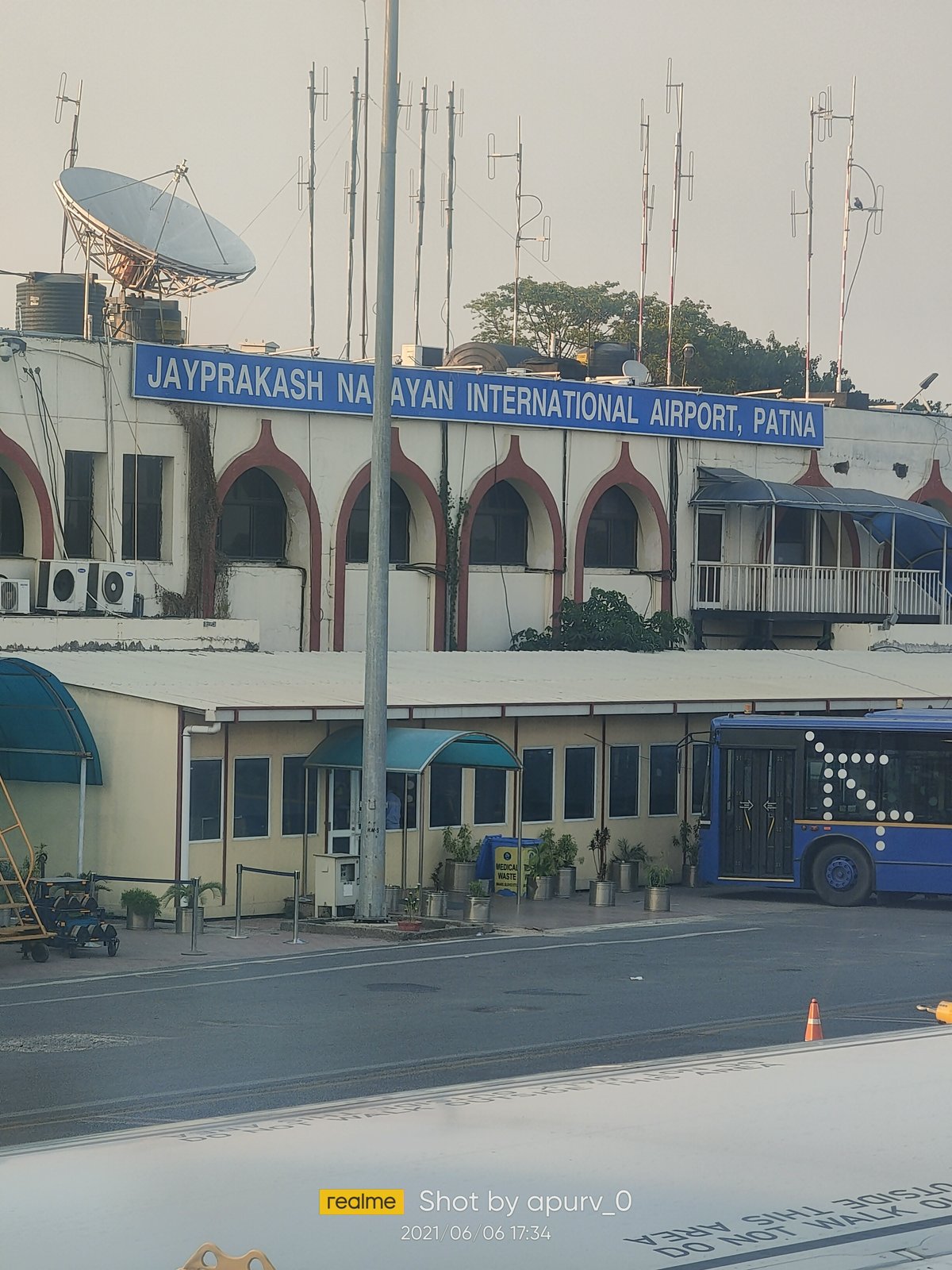
- Air Jay Prakash Narayan International Airport (Patna) is 67–82 km away.
Travel Tips
- Peak Periods Avoid early mornings/evenings if possible due to crowding.
- Advance Booking Recommended for festivals and holidays.
- Safety Secure belongings; use lockers if available.
- Cuisine Try litti chokha, sattu paratha, and regional sweets.
- Best Time to Visit October–March for comfortable weather.
Tourism and Local Culture
- Festivals Chhath Puja is the largest, drawing crowds to the Ganges.
- Language Hindi and Bhojpuri are widely spoken.
- Local Lifestyle Warm hospitality and a strong agricultural tradition.
Excursions
- Chirand Archaeological Site (7 km) Neolithic artifacts.
- Veer Kunwar Singh Park (2.5 km) Tribute to a freedom fighter.
- Vaishali (45 km) Ancient Buddhist and Jain center.
- Patna (55 km) Museums and colonial heritage.
- Sonepur (30 km) Hosts Asia’s largest cattle fair.
FAQs
Q: What are the station's visiting hours?
A: The station is open 24/7; ticket counters usually operate from 5:00 AM to 11:00 PM.
Q: How can I book train tickets?
A: Use IRCTC, railyatri.in, or station counters and ATVMs.
Q: What facilities are there for differently-abled travelers?
A: Ramps, tactile paths, reserved seating, and assistance at help desks; elevators/escalators are being added.
Q: Is Wi-Fi available?
A: Yes, free Wi-Fi is provided throughout the station.
Q: What are the major nearby attractions?
A: Chirand Archaeological Site, Bhitaha Math, Manjusha Museum, Nirala Nagar Temple, and Sonepur Mela.