Plan and listen to Kannagi Statue with Audiala.
Audio guide in your pocket, itinerary in your browser. Built for the way you actually visit.
Introduction
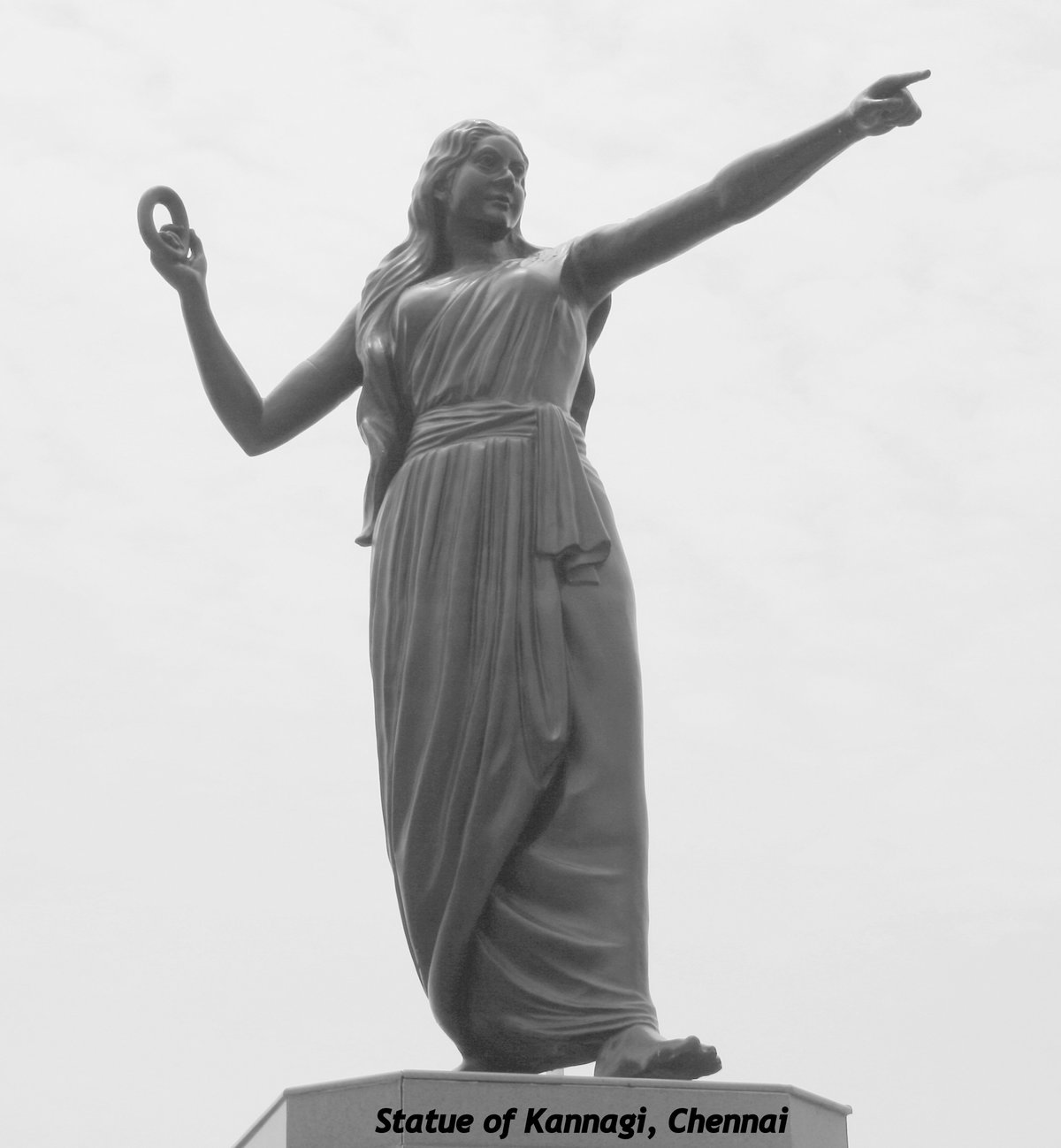
Situated on the vibrant Marina Beach in Chennai, the Kannagi Statue is not merely a landmark but a powerful symbol of Tamil culture and history. Kannagi, a legendary figure celebrated in Tamil literature, epitomizes unwavering devotion, justice, and feminine strength. Her story, immortalized in the Tamil epic 'Silappatikaram,' has resonated through centuries, influencing various art forms and inspiring generations (audiala.com). The statue, erected in 1968 by the renowned artist Debi Prasad Roy Chowdhury, captures the essence of Kannagi's fiery quest for justice as she holds her anklet aloft in defiance. Located along one of the world's longest urban beaches, the Kannagi Statue not only commemorates a literary icon but also serves as a poignant reminder of the enduring values of truth and righteousness that continue to shape Tamil identity (trek.zone). This comprehensive guide aims to provide visitors with all the essential information, from historical context to practical travel tips, ensuring a memorable and enriching experience at this significant cultural site.

History of Kannagi and the Statue
The Legend of Kannagi
Kannagi is a legendary figure in Tamil literature, celebrated for her unwavering devotion and righteousness. Her story is immortalized in the Tamil epic 'Silappatikaram,' written by the poet Ilango Adigal. The narrative revolves around Kannagi and her husband Kovalan, who lived in the ancient city of Puhar. Kovalan, after losing all his wealth, leaves Kannagi and falls in love with a dancer named Madhavi. Eventually, he returns to Kannagi, who forgives him and gives him her precious anklet to sell and start afresh.
However, tragedy strikes when Kovalan is falsely accused of stealing the queen's anklet and is executed by the king of Madurai. Kannagi, in her quest for justice, proves her husband’s innocence by breaking her anklet and revealing its contents, which were different from the queen's. In her rage, she curses the city of Madurai, leading to its destruction by fire. This tale of love, betrayal, and justice has made Kannagi a symbol of virtue and strength in Tamil culture.
The Significance of the Kannagi Statue
The Kannagi Statue in Chennai stands as a tribute to this legendary figure and her enduring legacy. Erected in 1968, the statue is located on the Marina Beach, one of the longest urban beaches in the world. The statue depicts Kannagi in a dynamic pose, holding her anklet aloft, symbolizing her fight for justice. It was sculpted by the renowned artist Debi Prasad Roy Chowdhury, who was also the principal of the Government College of Fine Arts in Chennai.
The statue is not just a piece of art but a cultural landmark that resonates with the Tamil people's sense of justice and righteousness. It serves as a reminder of the power of truth and the strength of a woman's resolve. The location of the statue on Marina Beach, a popular spot for both locals and tourists, ensures that Kannagi's story continues to inspire generations.
Visitor Tips
Best Time to Visit
The best time to visit the Kannagi Statue is during the early morning or late evening when the weather is cooler, and the beach is less crowded. Chennai experiences a tropical climate, so it’s advisable to avoid the peak afternoon heat, especially during the summer months from April to June.
Accessibility
The Kannagi Statue is easily accessible by various modes of transportation. It is located on Kamarajar Salai, a major road along the Marina Beach. Visitors can reach the site by bus, auto-rickshaw, or taxi. The nearest railway station is Chennai Central, which is about 5 kilometers away. For those using public transport, several buses ply the route along Marina Beach.
Nearby Attractions
While visiting the Kannagi Statue, tourists can also explore other attractions along Marina Beach. These include:
- Marina Lighthouse: Offering panoramic views of the city and the Bay of Bengal.
- MGR and Anna Memorials: Dedicated to former Chief Ministers of Tamil Nadu, M.G. Ramachandran and C.N. Annadurai.
- Victory War Memorial: A tribute to soldiers who lost their lives in World War I and II.
- Santhome Basilica: A historic church built over the tomb of St. Thomas the Apostle.
Cultural Insights
Festivals and Events
Chennai is known for its vibrant cultural scene, and several festivals and events are celebrated near the Kannagi Statue and Marina Beach. The most notable among them is the Chennai Music Season, held in December and January, which features performances by renowned classical musicians and dancers. The Pongal festival in January is another significant event, celebrating the harvest season with traditional rituals and festivities.
Local Cuisine
Visitors to the Kannagi Statue can also indulge in the local cuisine, which is a delightful blend of flavors and spices. Street vendors along Marina Beach offer a variety of snacks such as sundal (spiced chickpeas), murukku (crispy rice flour snack), and bajji (vegetable fritters). For a more substantial meal, tourists can explore nearby restaurants serving authentic South Indian dishes like dosa, idli, and biryani.
Practical Information
Safety Tips
While Marina Beach is generally safe, it’s essential to take some precautions:
- Avoid swimming in the sea, as the currents can be strong.
- Keep an eye on personal belongings, especially during crowded times.
- Stay hydrated and use sunscreen to protect against the sun.
Photography
The Kannagi Statue and the surrounding areas offer excellent opportunities for photography. Early morning and late evening provide the best lighting conditions. However, it’s advisable to respect local customs and avoid photographing people without their permission.
Visiting Hours and Ticket Information
- Visiting Hours: The Kannagi Statue is accessible 24 hours a day, but it is best visited during daylight hours for safety and visibility.
- Ticket Prices: There is no entry fee for visiting the Kannagi Statue. It is open to the public free of charge.
FAQs
What are the visiting hours for the Kannagi Statue? The Kannagi Statue is accessible 24 hours a day, but it is best visited during daylight hours for safety and visibility.
Is there an entry fee for the Kannagi Statue? There is no entry fee for visiting the Kannagi Statue. It is open to the public free of charge.
How can I reach the Kannagi Statue? The Kannagi Statue is located on Kamarajar Salai along Marina Beach. It is easily accessible by bus, auto-rickshaw, or taxi. Chennai Central railway station is the nearest railway station, about 5 kilometers away.
Listen to the full story in the app
The whole Kannagi Statue,
told well.
Listen to sourced travel stories with local history and practical context — ready offline.
Verified, and shown.
Researched and written by the Audiala editorial team from historical records, architectural archives, and local expertise.
Built from cited sources · see the method · How we make our guides →