Introduction
The Hafiz Ahmad Khan Mosque stands as a testament to Chennai’s layered Islamic heritage, architectural ingenuity, and vibrant community life. Situated in the historic neighborhoods of Triplicane and Chepauk, this early 19th-century mosque, established by Hafiz Ahmad Khan—a prominent official in the Nawabi administration of the Carnatic—embodies the city’s pluralistic spirit. With its blend of Indo-Islamic architectural elements and its function as both a spiritual hub and a symbol of interfaith harmony, the mosque is an essential cultural landmark for locals and visitors alike.
This guide provides a detailed overview of the mosque’s history, architecture, cultural significance, and practical visitor information. It also covers etiquette, accessibility, and nearby attractions to help travelers make the most of their Chennai experience.
Historical Background
Origins and Patronage
Constructed in the early 19th century, the Hafiz Ahmad Khan Mosque was founded by Hafiz Ahmad Khan, a key figure in the administration of the Nawabs of Carnatic. This period marked the apex of Indo-Islamic architectural development in Chennai, as the Nawabs of Arcot, originally connected to the Mughal court, sponsored religious and civic structures to serve the city’s growing Muslim community (Madras Inherited; Wikipedia).
Architectural Features
The mosque epitomizes Indo-Islamic architecture, merging Mughal, Deccani, and Tamil influences. Its façade showcases arched entrances, finely-carved mihrabs, and a central dome—elements characteristic of South Indian mosque design. Durable materials such as granite and lime mortar were used, and while the minaret is modest in height compared to North Indian mosques, it remains a distinct feature in the Triplicane skyline (Encyclopedia.com).
Triplicane and the Nawabs of Arcot
Triplicane, one of Chennai’s oldest and most culturally diverse quarters, became the seat of the Nawabs in the late 18th century. The mosque’s establishment reflects this era of religious patronage and the cosmopolitan character of Madras (now Chennai), further influenced by British colonialism and waves of migration (Native Planet).
Cultural and Community Roles
Faith and Social Cohesion
The mosque is not merely a site of worship; it is the axis of spiritual and social life for Triplicane’s Muslim community. It hosts daily prayers, Friday congregations, Ramadan iftars, Eid celebrations, and religious education through its madrasas. Community outreach includes food distribution and charitable works, especially during major Islamic festivals (Encyclopedia.com).
Architectural Heritage
One of the few surviving early 19th-century Islamic structures in Chennai, the mosque offers valuable insight into the adaptation of Indo-Islamic styles in a Tamil context. Its presence, alongside other spiritual landmarks, enriches the pluralistic fabric of Triplicane (Madras Inherited).
Symbol of Interfaith Harmony
The mosque’s proximity to temples and churches underlines Chennai’s tradition of religious coexistence, making it a beacon of interfaith dialogue and mutual respect (Madras Inherited).
Educational and Charitable Activities
The mosque supports education in Arabic, Quranic studies, and Islamic jurisprudence, and actively participates in charitable initiatives, exemplifying the social responsibilities embedded in Islamic practice (Encyclopedia.com).
Preservation Efforts
Heritage organizations have highlighted the importance of preserving the mosque as a living monument, frequently including it on heritage walks and cultural tours (Madras Inherited).
Architectural Highlights
Layout and Structural Elements
The mosque follows the traditional plan: a large prayer hall (iwan) opens onto an expansive courtyard (sahn), with the main entrance oriented towards the qibla wall. The prayer hall is topped by a central dome, a symbolic reference to the heavens, and supported by rows of pillars in the hypostyle tradition (Commercial Architecture Magazine; Facts and Details).
Domes, Arches, and Minarets
- Dome: The central dome, adorned with geometric designs and possibly Quranic inscriptions, is both a structural and spiritual focal point.
- Arches: Cusped arches grace the entrances and windows, providing both support and aesthetic appeal.
- Minaret: Though less imposing than those in North India, the minaret serves as a local landmark for the call to prayer (Yappe.in).
Materials and Ornamentation
- Materials: Locally sourced granite and brick, with lime mortar, ensure resilience in Chennai’s climate.
- Ornamentation: The mosque features restrained geometric patterns and calligraphic inscriptions, favoring subtle elegance over excessive embellishment. Tilework, where present, uses cool tones to reflect light and maintain a tranquil atmosphere.
Regional Adaptations
The mosque’s design fuses Islamic architectural principles with Tamil construction methods, resulting in a structure that is both distinctively Islamic and uniquely suited to its regional context (Commercial Architecture Magazine).
Visitor Information
Visiting Hours
The mosque is open daily from 6:00 AM to 7:00 PM. Hours may vary during religious festivals; check locally for updates.
Entry and Ticketing
Entry is free. Donations for maintenance are appreciated but not required.
Dress Code and Etiquette
- Modest attire is required: men should wear long trousers and sleeved shirts; women should wear long skirts or loose trousers, and covering the head with a scarf is recommended.
- Shoes must be removed before entering the prayer hall.
- Silence mobile phones, avoid loud conversations, and do not walk in front of worshippers during prayers.
- Photography is permitted in exterior and courtyard areas but requires explicit permission inside the prayer hall (Learn Religions; Blue Mosque Dress Code).
Accessibility and Facilities
- Location: Centrally in Triplicane/Chepauk, near Ice House and Vivekanandar Illam; accessible by bus, suburban train, auto-rickshaw, or taxi.
- Wheelchair Access: Ramps are available at the main entrance, but some parts may remain challenging due to the mosque’s historic layout.
- Facilities: Ablution areas, shoe racks, basic restrooms (carry personal supplies), and community spaces for events.
Photography and Tours
- Exterior and courtyard photography is generally permitted.
- Official guided tours are not offered, but local heritage groups sometimes include the mosque in heritage walks (Chennai Properties).
Nearby Attractions and Travel Tips
Make the most of your visit by exploring these nearby Chennai landmarks:
- Thousand Lights Mosque: Famous for its multi-domed design and Muharram gatherings.
- Mylapore Cultural District: Home to Kapaleeswarar Temple, San Thome Basilica, and bustling markets.
- Fort St. George: A colonial-era fort and museum.
- Express Avenue Mall: Shopping and entertainment.
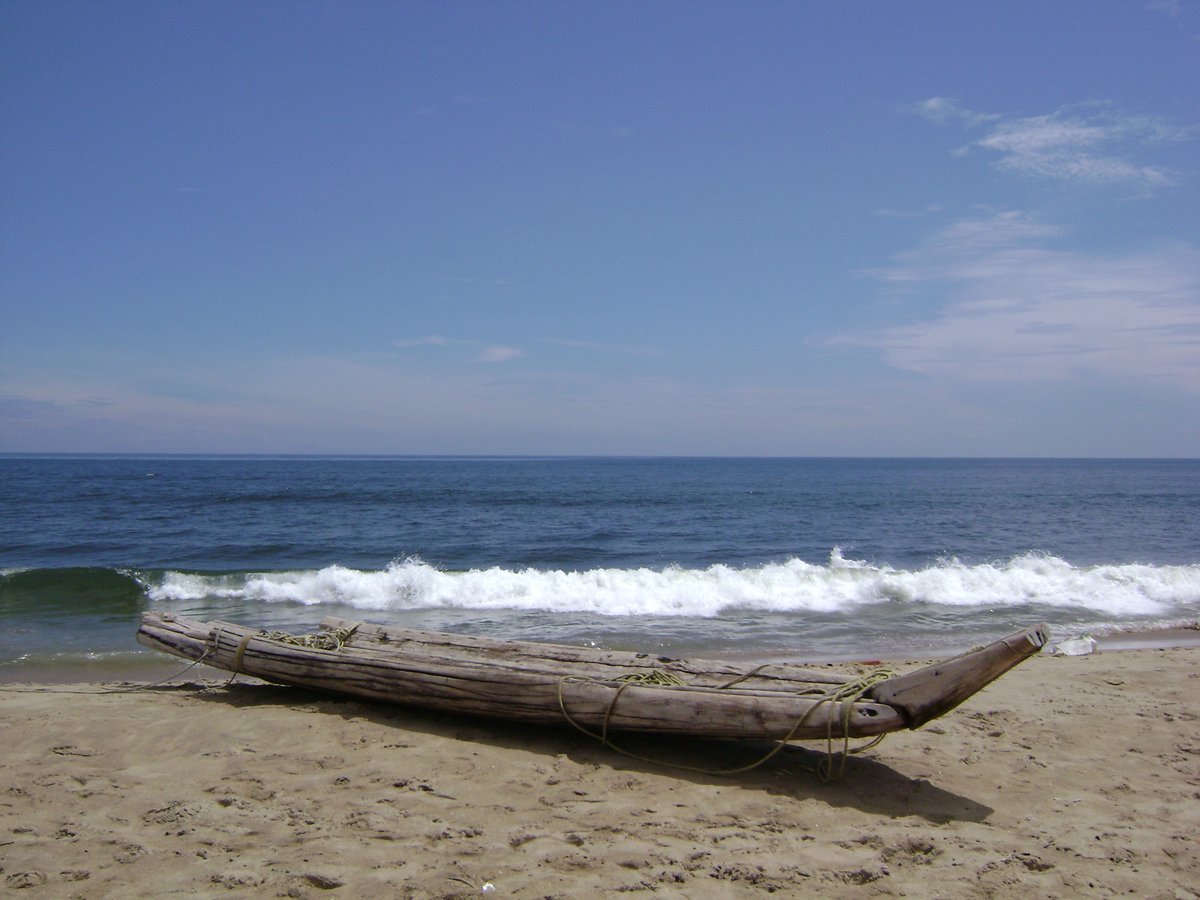
- Marina Beach: Ideal for an evening stroll.
- Government Museum, Chennai: Archaeological and art collections.
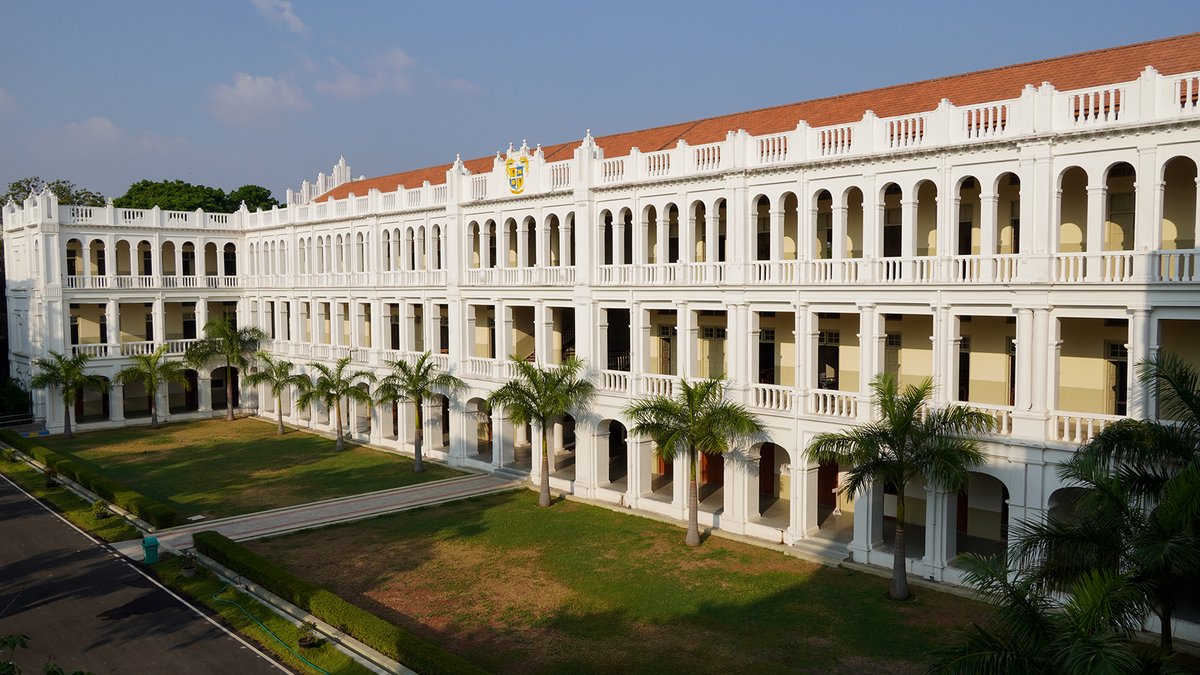
- Santhome Cathedral Basilica: Neo-Gothic architecture and Christian heritage.
- Valluvar Kottam: Monument to Tamil poet Thiruvalluvar.
- ISKCON Temple, Chennai: Blend of spiritual and cultural experiences.
- Elliot’s Beach: A quieter alternative to Marina Beach.
Travel Tips:
- Visit early morning or after 4 PM for a pleasant experience.
- Dress for the climate and respect local customs.
- Use public transport or app-based taxis for convenient access.
Best Time to Visit and Festival Seasons
- October to February: Cool, pleasant weather—ideal for sightseeing.
- Ramadan and Eid: The mosque is beautifully decorated and hosts special prayers.
- Muharram: Nearby Thousand Lights Mosque has major processions.
- Margazhi Music Festival: Chennai’s cultural events peak in December–January.
Frequently Asked Questions (FAQ)
Q: What are the visiting hours?
A: Daily, 6:00 AM–7:00 PM (hours may vary during festivals).
Q: Is there an entry fee?
A: No, entry is free. Donations are appreciated.
Q: Is the mosque wheelchair accessible?
A: Ramps are available, but some areas may be challenging due to historic design.
Q: Are guided tours available?
A: Not officially, but local heritage walks often include the mosque.
Q: What should I wear?
A: Modest attire; women should bring a scarf for head covering.
Q: Are non-Muslims welcome?
A: Yes, outside prayer times and while observing proper etiquette.
Q: Is photography allowed?
A: Exterior/courtyard photography is allowed; inside, permission is required.
Summary and Visitor Recommendations
The Hafiz Ahmad Khan Mosque is a vital piece of Chennai’s spiritual and architectural heritage. Its Indo-Islamic design, cultural importance, and central location make it a rewarding destination for travelers. By adhering to etiquette, visiting during optimal periods, and exploring the rich array of nearby sites, visitors can gain a deeper appreciation of Chennai’s multicultural landscape.
Plan your visit today—download the Audiala app for guided tours, real-time updates, and exclusive content about Hafiz Ahmad Khan Mosque and other landmarks. For further reading and visitor tips, consult resources such as Native Planet, Learn Religions, and Yometro.
Listen to the full story in the app
Your Personal Curator, in Your Pocket.
Audio guides for 1,100+ cities across 96 countries. History, stories, and local insight — offline ready.
Audiala App
Available on iOS & Android
Join 50k+ Curators
Sources
- verified
- verified
- verified
- verified
- verified
- verified
- verified
Last reviewed: