About PGIMER Chandigarh
Historical Background and Founding Vision
PGIMER was envisioned in 1960 as a center of excellence in postgraduate medical education, research, and advanced patient care. Its establishment was spearheaded by Sardar Partap Singh Kairon, with support from medical luminaries and India’s first Prime Minister, Pandit Jawaharlal Nehru (acebch.org; jivdayafound.org). The institute’s motto, “Service to the Community, Care of the Needy and Research for the Good of All,” underscores its mission to advance both healthcare and scientific knowledge.
PGIMER officially began operations in 1962 under Prof. Tulsi Das, supported by eminent founders like Santokh Singh Anand and Pran Nath Chuttani. Its initial departments focused on postgraduate training and research (chdlife.com; wikipedia).
Institutional Growth and National Recognition
PGIMER’s status was elevated to an "Institute of National Importance" by an Act of Parliament in 1967 (wikipedia). Over the decades, it has expanded its academic departments, research centers, and specialized care facilities, reinforcing its role as a leader in Indian medical education and healthcare (chandigarhut.in).
Academic Programs and Admissions
Postgraduate, Super-Specialty, Doctoral, and Allied Health Courses
PGIMER offers a comprehensive range of programs:
- MD/MS Doctor of Medicine and Master of Surgery across various specialties.
- DM/MCh Super-specialty degrees in disciplines such as cardiology, neurology, nephrology, and surgical specialties.
- PhD and Fellowships Doctoral and research-based programs in medical and allied sciences.
- Allied Health Sciences Courses like B.Sc. Nursing, BPT, and MSc in specialized medical fields.
- MBBS (Upcoming) A new 100-seat MBBS program is planned at the Sarangpur satellite center by 2025 (collegedisha.com).
Admission Process and Competitiveness
Admissions to major programs are through national-level entrance exams like the INI-CET for MD/MS, and equivalent exams for other courses (Edufever PGIMER). Applicants must meet eligibility criteria, including recognized degrees and internship completion. The competition is intense, with cut-off ranks among the lowest nationally (PGIMER Prospectus, 2023).
Residency and Training: Admitted candidates serve as Junior Residents, gaining hands-on clinical training alongside academic learning.
Research Excellence and Global Impact
Focus Areas and Achievements
PGIMER is a research powerhouse, publishing around 400 research articles annually (acebch.org). Its multidisciplinary research spans:
- Infectious diseases (tuberculosis, malaria, HIV, hepatitis)
- Non-communicable diseases (hypertension, cancer, thalassemia)
- Oncology, neurosciences, cardiovascular medicine, public health, and genetics (wikipedia)
PGIMER collaborates with the Indian Council of Medical Research (ICMR), WHO, and global universities, securing significant research funding and contributing to public health policy (PGIMER Prospectus, 2023).
Research Training and Support
- PhD and Postdoctoral Programs Structured for developing independent researchers.
- Workshops & Seminars Regular academic events for knowledge exchange.
- Facilities State-of-the-art labs, central animal facility, advanced imaging, and an extensive library.
Campus Infrastructure and Visitor Information
Hospital Visiting Hours and Guidelines
- General Visiting Hours Typically 2:00 PM to 4:00 PM daily. Please confirm for specific departments on the official website.
- Entry Requirements State your purpose at the main gate. Academic/research visitors need advance permission.
- Security Standard checks at entry. Photography in clinical/research areas is restricted and requires permission.
- Accessibility The campus is wheelchair accessible, with ramps, elevators, tactile indicators, and accessible restrooms.
Note: There are no entry tickets or fees to visit PGIMER.
Facilities
- Hospital Complex One of India’s largest multi-specialty hospitals, serving patients from across northern India.
- Academic Blocks Lecture halls, libraries, research centers, and modern hostels.
- Amenities Multiple cafeterias, pharmacies, waiting areas, ATMs, and banking facilities. (collegedunia.com)
Chandigarh Attractions and Travel Tips
Situated in the heart of Chandigarh, PGIMER is surrounded by vibrant city life and cultural sites.
Major Attractions
- Rock Garden A unique sculpture garden created from recycled materials (Chandigarh Tourism - Rock Garden).
- Hours 9:00 AM to 7:00 PM (closed Mondays)
- Tickets INR 30 (Indians), INR 150 (foreigners), discounts for children and seniors
- Accessibility Wheelchair friendly
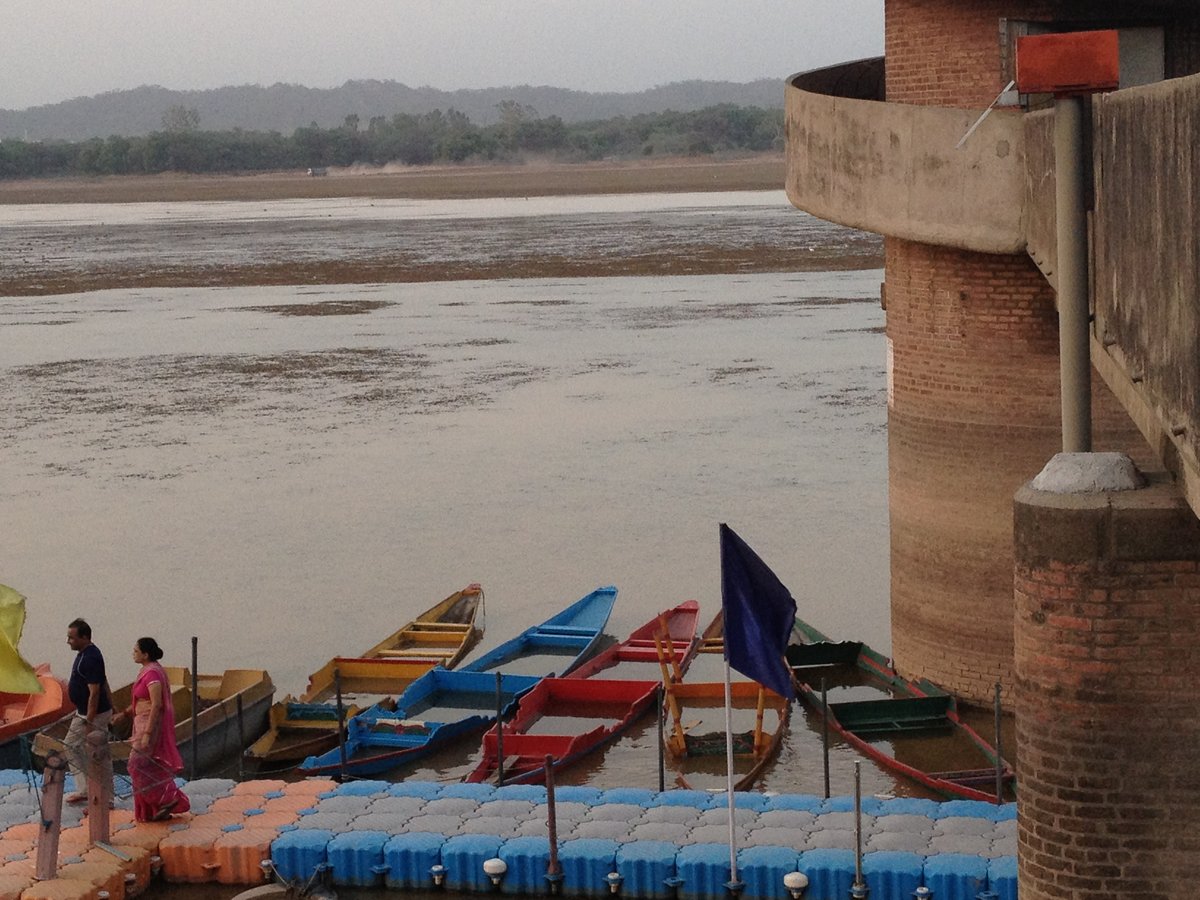
- Sukhna Lake Ideal for boating and picnics; about 6 km from PGIMER.
- Rose Garden Asia’s largest rose garden; features thousands of varieties.
- Capitol Complex UNESCO World Heritage site designed by Le Corbusier.
Getting Around
- By Air Chandigarh International Airport is 12 km from PGIMER.
- By Rail Chandigarh Railway Station is 8 km away.
- By Road Well-connected to major cities; local buses, taxis, and app-based cabs are easily available.
Accommodation
Options range from luxury hotels (Taj, JW Marriott) to budget guesthouses in Sectors 17, 22, and 35.
Food and Shopping
Enjoy Punjabi and North Indian cuisine at local restaurants, and explore Sector 17 Plaza for shopping and handicrafts.
Best Time to Visit
- February–March, October–December Pleasant weather
- April–June Hot (up to 40°C)
- July–September Monsoon
- December–February Cool and ideal for sightseeing
FAQs
Q1: What are PGIMER Chandigarh’s hospital visiting hours?
A: Usually from 2:00 PM to 4:00 PM daily. Confirm with the official website for department-specific timings.
Q2: How can I apply to PGIMER courses?
A: Through national entrance exams; details are on the PGIMER admissions portal.
Q3: Are there undergraduate courses at PGIMER?
A: Yes, such as B.Sc. Nursing and BPT. An MBBS program is launching soon.
Q4: Is the campus accessible for differently-abled visitors?
A: Yes, with comprehensive accessibility features.
Q5: Are there entry fees or tickets to visit PGIMER?
A: No, entry is free for patients, students, and academic or research visitors.