

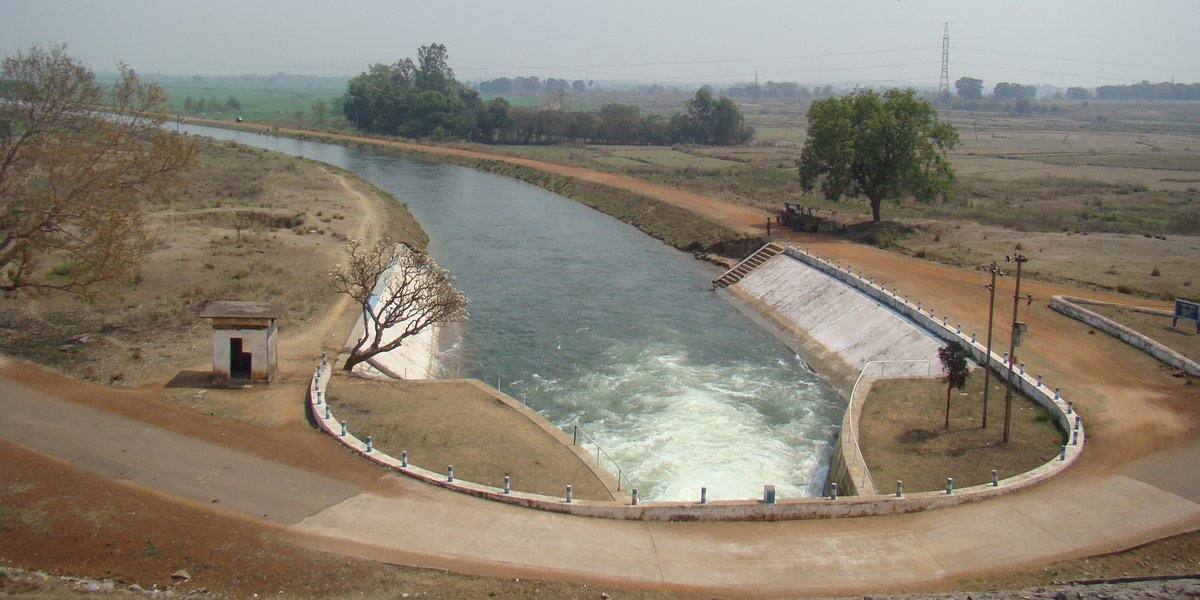
Historical Background and Engineering Marvel
Origins and Vision
The idea for Hirakud Dam originated in the early 20th century as a solution to the devastating floods and droughts in the Mahanadi basin. Formal construction began in 1946, inspired by the vision of Indian leaders and engineers, including Jawaharlal Nehru and Sir M. Visvesvaraya. The project symbolized India’s post-independence determination to harness natural resources for regional prosperity and modernization (Bunkar Valley).
Construction and Milestones
- Foundation stone laid 1946 by Sir Hawthorne Lewis, Governor of Odisha.
- Main dam completed 1953
- Project inaugurated 13 January 1957 by Prime Minister Jawaharlal Nehru.
- Total project cost ₹1,000.2 million (approx. ₹100 billion in 2023) (Bunkar Valley).
Engineering Features
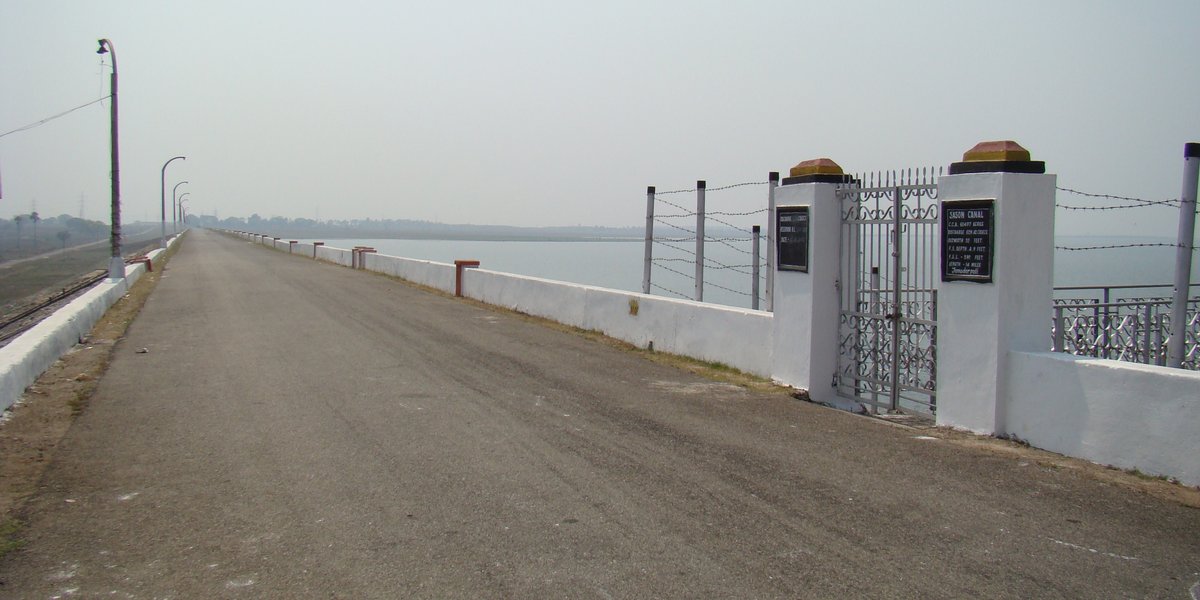
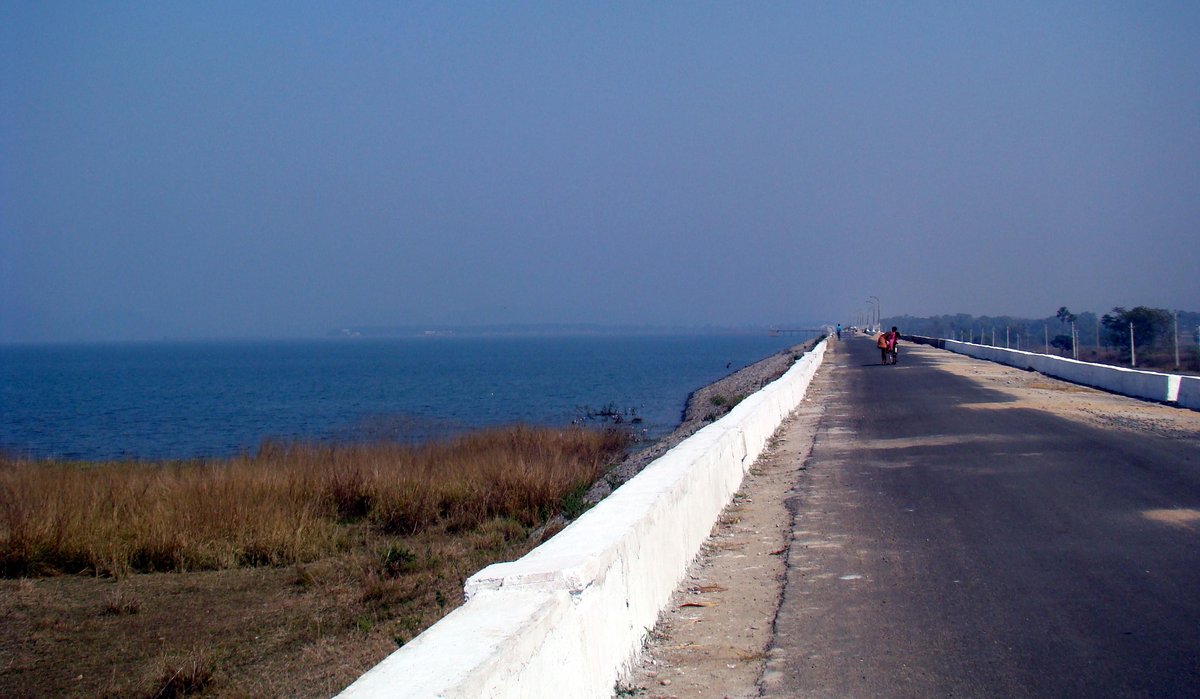
- Main Structure 4.8 km long dam across Mahanadi, flanked by 21 km of earthen dykes.
- Reservoir Covers 630–746 km², shoreline of 640+ km, and a length of 55 km (Tour Travel World).
- Gate System 64 gates (some automated), crucial for flood regulation (Sambalpuriverse).
- Power Generation Installed capacity of 307.5 MW (thetravelshots.com).
Socio-Economic and Environmental Impact
Agricultural and Economic Transformation
The reservoir irrigates vast tracts of farmland in western Odisha, enabling multiple cropping cycles and supporting thousands of farmers. The dam’s reliable water supply has reduced drought vulnerability and enhanced agricultural productivity (thetravelshots.com).
Hydroelectric and Urban Development
Hirakud Dam is a significant source of hydroelectric power for Odisha and supplies water for urban and industrial uses, supporting the growth of Sambalpur and surrounding regions (infinitylearn.com).
Social and Environmental Changes
- Displacement The reservoir submerged numerous villages, displacing thousands, particularly tribal communities (etribaltribune.com; documents1.worldbank.org).
- Ecological Impact The dam altered riverine habitats, affecting fish populations and wetlands; it also created new habitats for migratory birds and wildlife (thetravelshots.com).
- Cultural Heritage Submergence of temples and sacred sites, with ongoing efforts to preserve intangible cultural heritage.
Visiting Hours, Tickets & Accessibility
Visiting Hours
- Open Daily 6:00 AM – 6:00 PM (best visited during daylight for full experience)
- Ropeway (Gandhi Minar) 10:00 AM – 6:00 PM (closed on Mondays)
Entry Fees
- General Entry Usually free
- Gandhi Minar Ropeway ₹60 per person (round-trip)
- Boating and Eco Retreat Activities Additional nominal fees may apply
- Vehicle access Small fee for minar access
Accessibility
- Location ~15 km from Sambalpur city, accessible by road
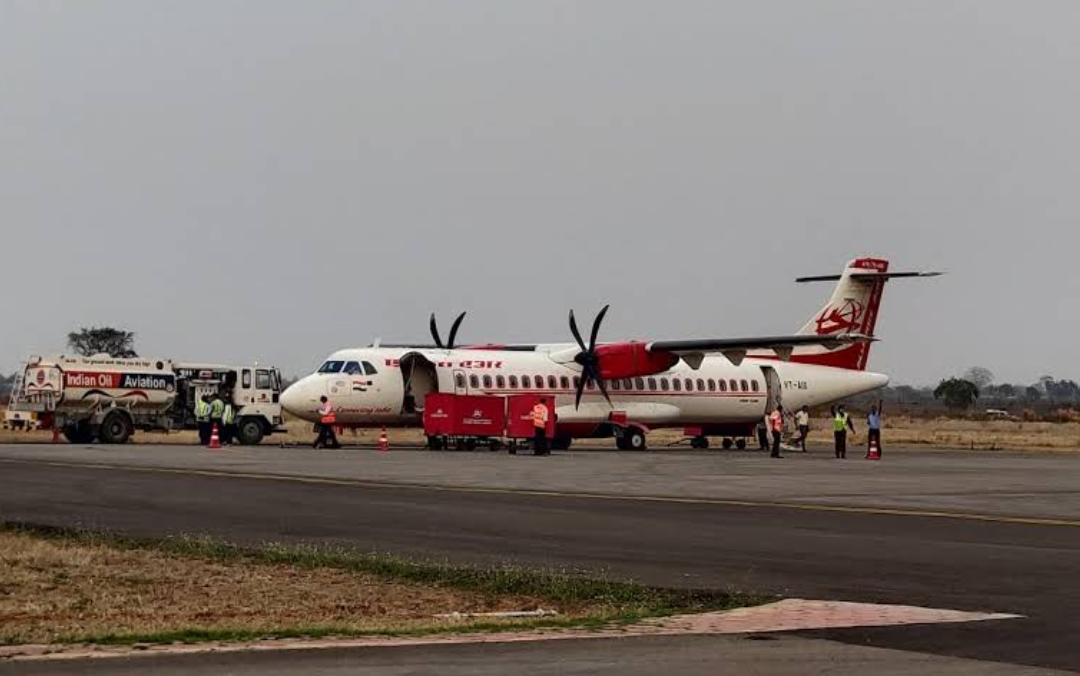
- Transport Taxis, auto-rickshaws, and buses from Sambalpur; Jharsuguda Airport (50–70 km) and Sambalpur Junction railway station are nearest transit points
- Facilities Ramps and accessible walkways at major viewing points; modern amenities at Hirakud Eco Retreat
Visitor Experience: Activities & Amenities
Scenic Views & Observation Towers
- Gandhi Minar Revolving platform with panoramic reservoir vistas
- Nehru Minar Tower with 360-degree views
- Dyke Drive 21-km drive along the reservoir for scenic landscapes
Boating & Water Activities
- Hirakud Reservoir Boating tours, especially to Cattle Island—home to wild cattle descended from livestock stranded during dam construction
- Nature Trails & Birdwatching Birdwatching towers, eco-trails, and migratory bird habitats (best from November to March)
Eco Retreat & Amenities
- Hirakud Eco Retreat Premium tented accommodation, sustainable infrastructure, recreational facilities, and nature activities (Odisha Tourism Center)
- On-site Facilities Restrooms, children’s parks, gardens, food stalls, and picnic spots
Local Culture & Handicrafts
- Explore nearby villages for Sambalpuri textiles, handicrafts, and authentic Odia cuisine
Sustainable Tourism and Conservation
Eco-Friendly Initiatives
- Hirakud Eco Retreat Promotes eco-friendly accommodations, renewable energy, and community engagement
- Conservation Workshops Focus on wildlife, water management, and biodiversity
- Traditional Practices Reviving water harvesting systems and supporting community-based conservation (Living Waters Museum)
Biodiversity & Responsible Tourism
- Biodiversity Reservoir supports fish, migratory birds, and wetlands
- Guidelines Respect wildlife, minimize waste, use reusable items, support local guides, and engage in conservation activities
Nearby Attractions
- Debrigarh Wildlife Sanctuary 40 km away; wildlife safaris and treks
- Samaleswari Temple 12 km; key spiritual site
- Leaning Temple of Huma 23 km; unique architectural marvel
- Cattle Island 15 km by boat; wild cattle and offbeat adventure
- Ghanteswari Temple & Maa Samalai Shrine Notable pilgrimage sites
- Ushakothi Wildlife Sanctuary 60 km; elephant and leopard habitats
- Gudguda Waterfalls 80 km from Sambalpur
Frequently Asked Questions (FAQ)
Q1: What are the visiting hours for Hirakud Dam?
A1: Daily from 6:00 AM to 6:00 PM; ropeway operates 10:00 AM–6:00 PM (closed Mondays).
Q2: Is there an entry fee?
A2: General entry is free; ropeway and boating have nominal charges.
Q3: How do I reach Hirakud Dam?
A3: Sambalpur is the nearest city, with road, rail, and nearby air connections.
Q4: Are guided tours available?
A4: Yes, through local operators and the Eco Retreat.
Q5: Is the dam accessible for differently-abled visitors?
A5: Many areas, especially at the Eco Retreat, are accessible, though some spots may be challenging.
Q6: What is the best time to visit?
A6: October–March for pleasant weather and birdwatching; monsoon for dramatic reservoir views.
Q7: Are fishing and swimming allowed?
A7: Fishing is restricted to protect sacred and ecological species; swimming is not permitted.
Summary & Visitor Recommendations
Hirakud Dam is a monumental symbol of India’s engineering ambition and a lifeline for Odisha’s economy and environment. Its reservoir, minarets, eco-retreat, and nearby attractions offer a multidimensional visitor experience—combining natural beauty, cultural heritage, and sustainable tourism. Despite challenges such as displacement and resource management conflicts, the dam’s legacy endures through adaptive management, community participation, and eco-friendly initiatives.
Travel Tips:
- Visit between October and March for optimal conditions.
- Plan guided tours for deeper insights.
- Support local artisans and sustainable practices.
- Use the Audiala app for maps, updates, and guided experiences.
- Respect local customs and conservation guidelines.