Major Religious and Spiritual Sites
Charar-e-Sharief Shrine
- Significance Resting place of Sheikh Noor-ud-Din Noorani, revered Kashmiri saint.
- Visiting Hours 8:00 AM – 6:00 PM daily.
- Entry Free, donations welcome.
- Etiquette Dress modestly and respect local customs (bharatrannbhoomidarshan.gov.in).
Imambara Budgam
- Built 1857, Indo-Iranian architectural marvel.
- Hours Daylight hours; especially vibrant during Muharram.
- Entry Free; local guides available (thedispatch.in).
Tomb of Sham Ded
- Location Poshker village.
- Hours Sunrise to sunset.
- Entry Free; insightful local guides present.
Kheer Bhawani Temple
- Significance Important Hindu pilgrimage site.
- Hours 7:00 AM – 7:00 PM.
- Festivals Best experienced during spring celebrations (shaktipanda.com).
Folk Arts and Handicrafts
Bandpather Folk Theater
- Kashmir’s unique satirical musical theatre, performed during festivals, especially in Wathura village.
Kanishawl Shawls
- Exquisite handwoven shawls from Kanihama, available in local markets.
Willow-Wicker Work
- Artisans craft functional and decorative items, including the traditional Kangri (india.gov.in).
Festivals and Community Life
- Urs Celebrations Devotional music and communal feasts at Sufi shrines (indiawalkthrough.com).
- Muharram Processions Solemn events at Imambara Budgam.
- Kheer Bhawani Festival Hindu festival with rituals and fairs.
Festivals provide an authentic window into Budgam’s pluralistic society and warm hospitality.
Architectural Heritage Highlights
Budgam’s architecture reflects a blend of Mughal, Indo-Iranian, and Kashmiri influences:
- Imambara Budgam Octagonal with five entrances (one exclusively for women).
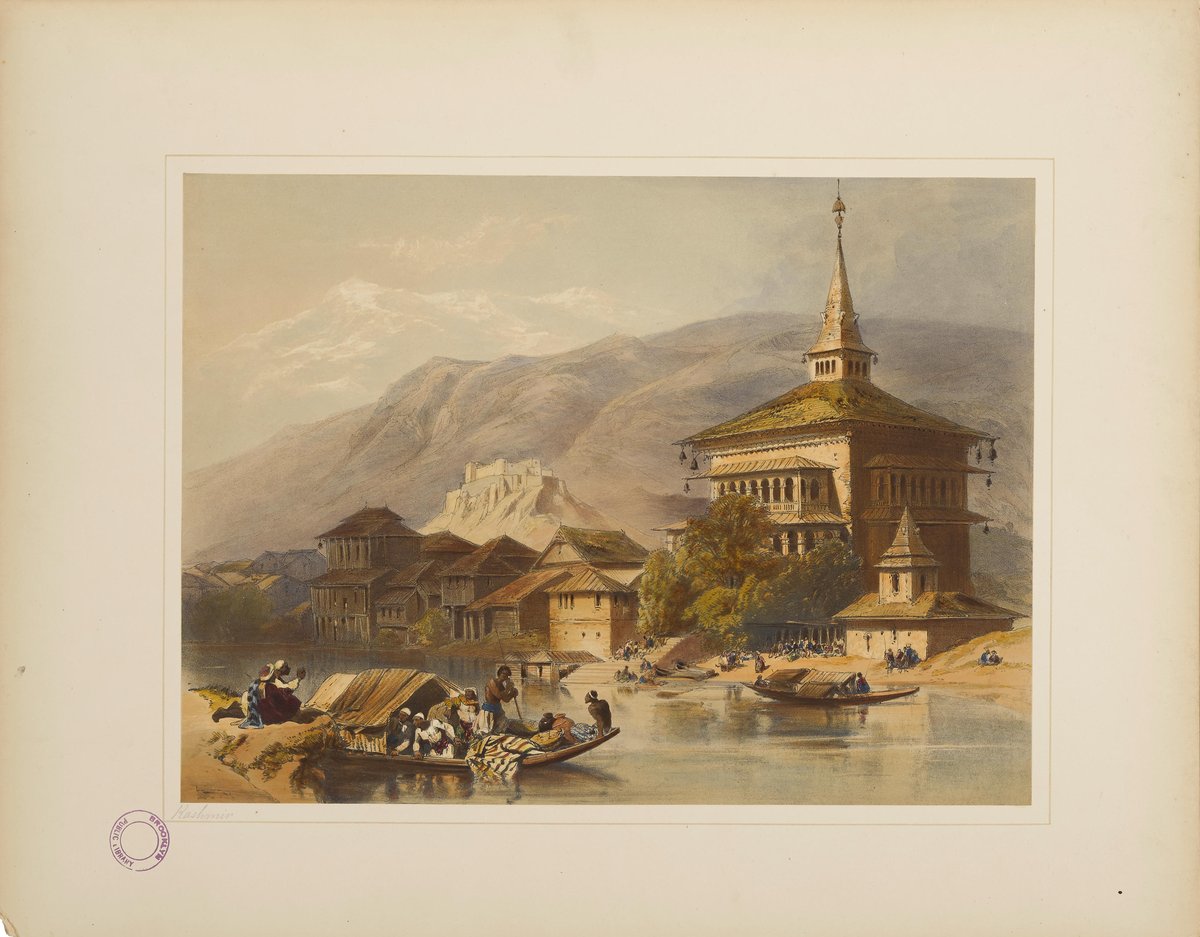
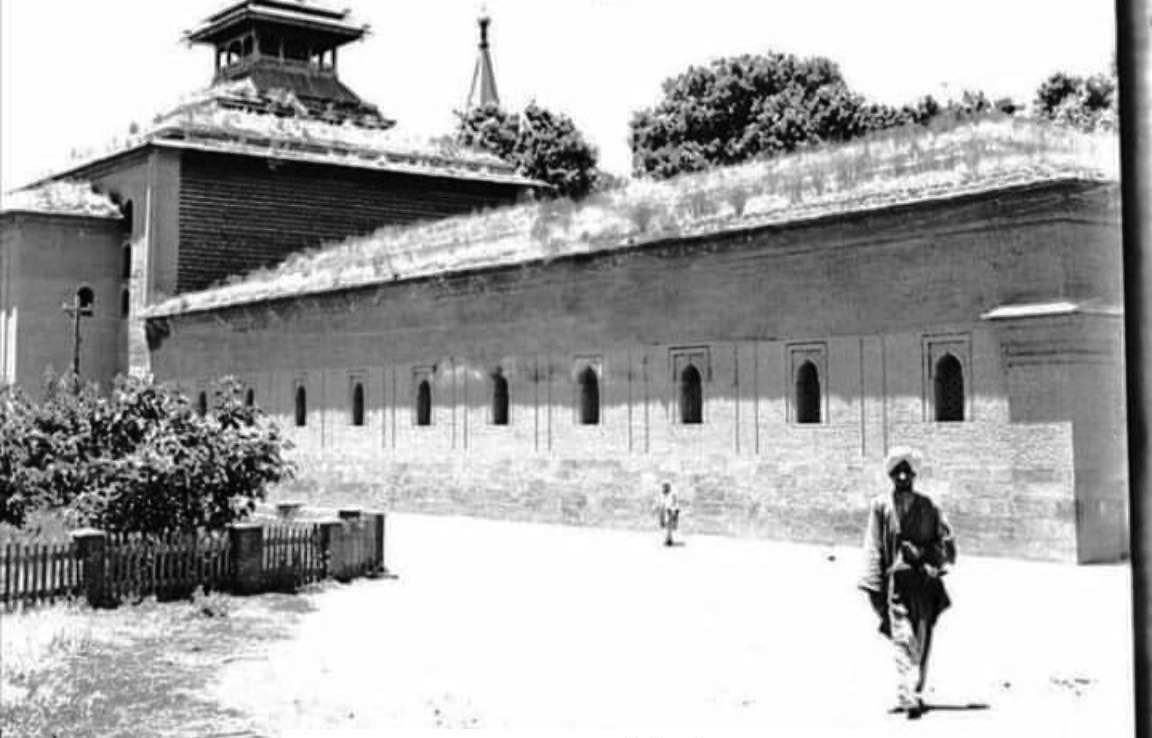
- Charar-e-Sharief Features detailed woodwork and Central Asian-inspired carvings.
Natural Wonders and Top Attractions
Yusmarg
- “Meadow of Jesus,” 47 km from Srinagar. Ideal for walks, horseback riding, and picnics.
- Best Time April to August; open year-round.
Doodhpathri
- Emerging hill station with lush meadows at 2,730 meters. Shaliganga River runs through.
- Best Time Summer months; open year-round.
Tosa Maidan
- Expansive meadow, historically significant, with cultural Gujjar camps in summer.
Nilnag Lake
- High-altitude lake near Yusmarg, perfect for camping and stargazing.
Sukhnag Falls
- Lush, scenic falls in Beerwah; accessible by a short trek.
Pushkar Nag and Gandhak Nag Springs
- Ancient springs of religious and historical importance.
Palmaidan
- Meadow dotted with giant boulders and surrounded by pine forests.
Almond Orchards and Rice Fields
- Renowned for Shalimar and Kagzi almonds, and Mushkbudij aromatic rice.
Ancient Chinar Tree of Chetturgul Chaadoora
- 700-year-old Chinar, a symbol of natural heritage.
Hirpora Wildlife Sanctuary
- Home to over 130 bird species and rare fauna.
Tatakooti and Sunset Peaks
- Trekking destinations with panoramic views of the Pir Panjal range.
Essential Visitor Information
- Best Time to Visit April–October for festivals and pleasant weather; winter for snow vistas.
- Getting There 15–20 km from Srinagar by road. Taxis, buses, and private vehicles available.
- Accommodation Range from budget guesthouses to mid-range hotels in Budgam and Srinagar.
- Accessibility Most sites are accessible by road; some require moderate trekking.
- Tickets & Entry Fees Most sites are free; guided tours may charge INR 200–500 per person.
- Guides & Tours Available at major attractions; book through reputable local agencies.
Local Customs, Etiquette, and Culinary Experiences
Religious and Social Etiquette
- Dress modestly; women should carry a scarf for religious sites.
- Remove shoes before entering shrines and mosques.
- Avoid public displays of affection and loud behavior.
- Photography in religious spaces is often restricted—ask permission first.
Culinary Heritage
Budgam’s cuisine is synonymous with Kashmiri culinary traditions:
- Wazwan Multi-course feast featuring dishes like Goshtaba, Rista, Tabak Maaz, Dum Aloo, and more.
- Signature Breads & Beverages Kahwa (saffron green tea), Sheermal (saffron bread), noon chai (salty tea).
- Dining Etiquette Meals are typically communal; eat with your hands and accept small portions.
During Ramadan, avoid eating or drinking in public during daylight. Alcohol is rarely consumed publicly.
Martand Sun Temple: Essential Visitor’s Guide
Overview and Significance
The 8th-century Martand Sun Temple, a UNESCO tentative site, showcases ancient Kashmiri architecture dedicated to the sun god Surya. Despite being in ruins, its grandeur and intricate carvings remain awe-inspiring.
Visiting Hours & Tickets
- Hours 8:00 AM – 6:00 PM daily.
- Entry Free; donations appreciated.
Guided Tours & Photography
- Local guides are available for deeper insights.
- Photography is permitted; best light is in the morning and late afternoon.
Getting There & Practical Tips
- Reachable by road from Srinagar and Budgam.
- Pack for variable weather in June.
- Book accommodation in advance during high season.
- Dress modestly and respect local traditions.
Frequently Asked Questions (FAQ)
Q1: What are the visiting hours for Charar-e-Sharief?
A1: 8:00 AM to 6:00 PM daily.
Q2: Are there entry fees for historical sites?
A2: Most are free; some guided tours may charge INR 200–500.
Q3: How is Budgam best reached from Srinagar?
A3: By taxi, bus, or private car; approximately 15–20 km.
Q4: Is Budgam safe for tourists?
A4: Yes, it’s generally safe for visitors who respect local customs.
Q5: Where can I buy Kashmiri handicrafts?
A5: Local markets in Budgam and Kanihama village.
Practical Tips
- Learn a few basic Kashmiri or Urdu phrases.
- Observe local behavior and ask questions if unsure.
- Dress appropriately for both the climate and cultural context.
- Always confirm photography rules at religious and cultural sites.